Open the sesame oil, stir in soy sauce and grated pear, and the kitchen already smells like barbecue before the fire is lit. Spread the marinated slices of beef on a hot griddle and the moisture of the onion and the fat of the meat sizzle at once. When a sweet smell rises just short of scorching, you want the rice already served. This is bulgogi (불고기), Korea's thin-sliced beef in a sweet-savory soy marinade, cooked on a griddle, a grill rack or a skillet. The name is often translated as "fire meat," but at home the star is heat control: coating thin meat with marinade and building a toasty flavor in a short time.
Bulgogi on the Korean table

What makes bulgogi taste like bulgogi is the glaze. Soy sauce, sesame oil, garlic, scallion and the sweetness of fruit go into the meat first, and then strong heat drives off the moisture and turns the marinade into a glossy coating. A bottled sauce can come close, but that sequence is what you're after.
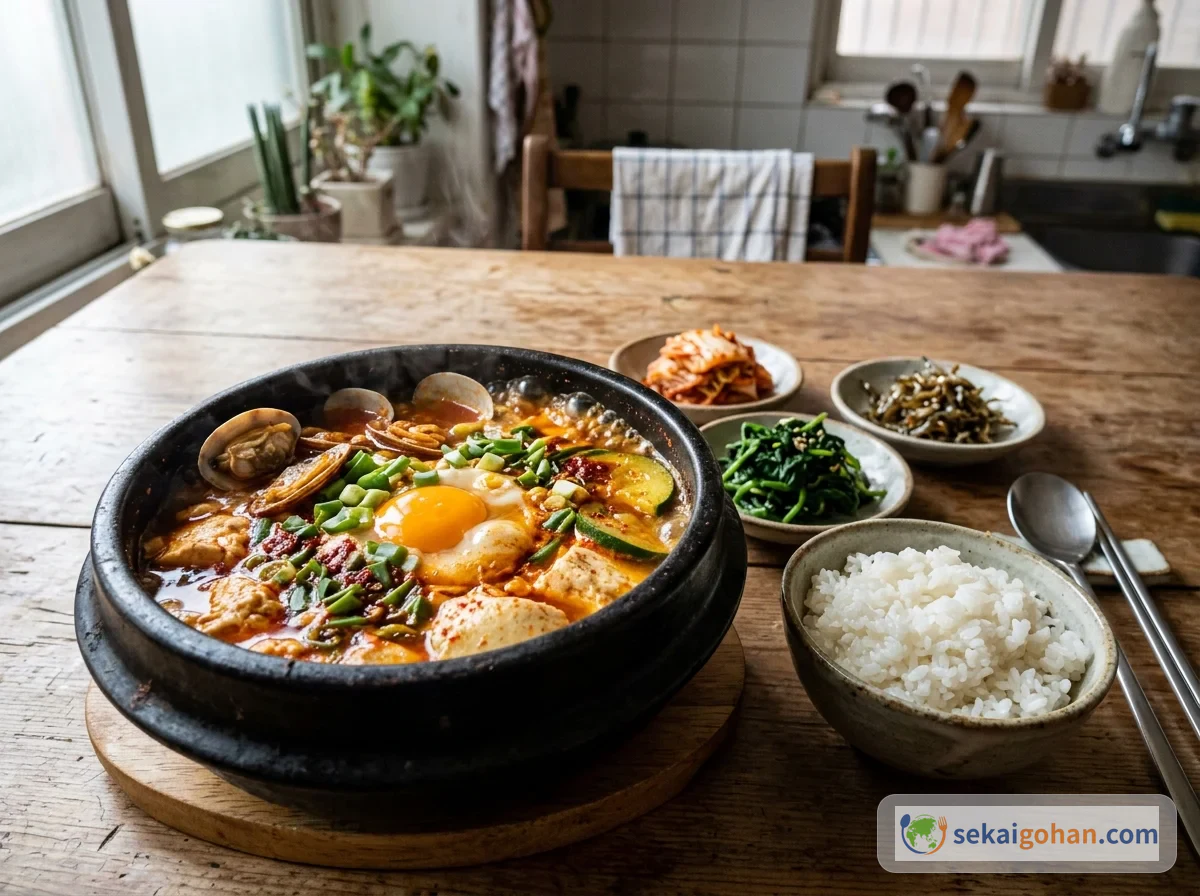
It sits happily alongside other Korean dishes. Bibimbap keeps its toppings separate until they're mixed at the end, kimchi jjigae simmers the sourness of aged kimchi, and doenjang jjigae turns fermented soybean paste into a fragrant stew. Add japchae, with its glass noodles and vegetables cooked separately and tossed together, and the sweet-savory meat and sesame oil round out a fuller Korean table.
In Korean it is written 불고기. In English it is spelled "bulgogi," and you will also see "pulgogi" in some places.
Ingredients (serves 4): measure the sliced meat and marinade first
This serves 4. For the beef, use thin slices as for sukiyaki or shabu-shabu, or spread-out stew-meat trimmings, rather than thick short rib cuts. If you want browning, shoulder loin sliced about 1.5–2 mm thick is easier to handle than ultra-thin shabu-shabu slices.
This dish contains beef, soy, wheat, apple or pear, and sesame. Soy sauce, gochujang and Korean seaweed can contain wheat, soy or seafood, so check the labels, especially if you have a food allergy. Marinade that has touched raw meat must not be used uncooked as a table sauce.
Choosing ingredients for bulgogi
Pear and the marinade

Grated pear in the marinade is very common in Korean home cooking, where it goes in with onion, garlic, soy sauce, sugar and sesame oil. The pear both flavors the meat and tenderizes it. Korean pears are hard to find in many places, so use an Asian pear when one is in season and an apple when it isn't. Apple has a stronger aroma and tends to be sweeter, so cut the sugar a little. Bottled pear juice works too, though the very fruity ones make the marinade too sweet.
| Ingredient | Role | How to handle it |
|---|---|---|
| Pear | Tenderizes the meat and gives the marinade a round sweetness | In season, grate 1/2 a pear. If unavailable, 1/2 an apple |
| Onion | Gives the marinade sweetness and moisture | Split it: half grated, half for the vegetables |
| Soy sauce | The core of saltiness and umami | Regular soy sauce is fine. If using a sweet soy sauce, reduce the sugar |
| Korean sesame oil | Aroma when grilled | Plain sesame oil also works, but freshly opened oil is stronger |
| Garlic and scallion | The barbecue aroma | Chopping fresh keeps more aroma than the tube |
Go easy on the fruit. Too much makes the meat so tender it falls apart in the pan, so for 1.25 lb (600 g) thin-sliced beef, stop at about 4 oz (120 g) of grated pear or apple. Even for a long marinade, keep it to 2 hours in the refrigerator rather than overnight, and drain off a little marinade before cooking to prevent wateriness.
Sesame oil, gochujang and a grill pan

Beef, onion, scallion, carrot and lettuce from an ordinary supermarket are fine. Spend your effort instead on the sesame oil that decides the aroma, the gochujang that adds heat at the table, and a grill pan. If you keep cooking Korean food, the sesame oil won't sit around: it goes into the namul for bibimbap, starts a kimchi jjigae and brings out the aroma of doenjang jjigae.
You can cook bulgogi in a skillet, but a ridged grill pan lets the moisture escape downward and builds browning more easily.
Substitutes
Bulgogi takes substitutions well, but if you drop thin slicing, fruit sweetness, sesame oil aroma and strong-heat cooking all at once, you end up with plain sweet stir-fried meat. Change one thing at a time.
| Ingredient to change | Substitute | How to use it |
|---|---|---|
| Beef shoulder loin | Beef trimmings, thin-sliced pork shoulder loin | Spread out beef trimmings to cook. Cook pork until white through the center and add 1 minute |
| Pear | Apple, pear juice | Reduce the sugar to 2 tsp with apple. Up to 3 tbsp of juice |
| Mirin | 2 tbsp cooking sake and 1 tsp sugar | The sweetness is weaker, so taste at the end |
| Korean lettuce | Leaf lettuce, perilla, shiso | Wipe lettuce dry. Perilla and shiso are strong, so use a little |
| Grill pan | Iron skillet, electric griddle | With either, do not put in too much at once; cook half at a time |
Method: control the browning and the amount of liquid
If you put all the marinated meat into the skillet at once, it tends to simmer rather than sear. Spread half the meat at a time over fairly strong heat, drive off the first moisture and then turn it, and the sweet-savory marinade turns into a glaze.
If the marinade from the first batch is left burnt, bitterness transfers to the second batch of meat. When the burnt bits turn black, turn off the heat, wipe lightly with wet paper towel, and warm the pan again over medium-high heat before cooking the rest.
Fixing watery, tough or too-sweet bulgogi

Watery bulgogi means the skillet was too small for the amount of meat, or the marinade went in without draining. Leave the lid off, take the meat out for a moment and reduce just the liquid over medium heat for 2–3 minutes. Once it's thick enough that a wooden spoon leaves a line, return the meat and toss over low heat for 1 minute. Blasting it over strong heat from the start only makes the meat tough.
Tough meat is too thick, overcooked or too lean. Next time, slice it thin from partly frozen and rest it 10–30 minutes in the fruit marinade. With lean round, shorten the cooking time and add 1 tsp sesame oil at the end to keep it from drying out.
If it's too sweet, the sugar and fruit are doubling up. Mix 1 tsp lemon juice, 1 tsp soy sauce and a little black pepper in a small dish and spoon it over just your own portion. A lot of acid in the whole pan pulls it away from the Korean sweet-savory flavor, so adjusting by the plate is safer.
Scorching comes from too much gochujang or sugar, or a skillet that's too hot. If black bits appear, take the meat out before it turns bitter, and next time start over medium-high heat and drop to medium-low once the glaze appears. Adding water when it threatens to scorch makes the glaze hard to recover; turn off the heat and toss on the residual heat instead.
Serving and storing bulgogi
Serving
Put a little rice, meat, garlic and gochujang on a lettuce leaf and you're close to the wraps at a Korean barbecue restaurant. Gochujang works better spooned beside the wraps than stirred into the marinade: 1 tbsp in the marinade scorches easily, and the paste's aroma crowds out the sweet aroma of the meat. If you want a spicy meat dish as the star, make gochujang pork stir-fry instead.
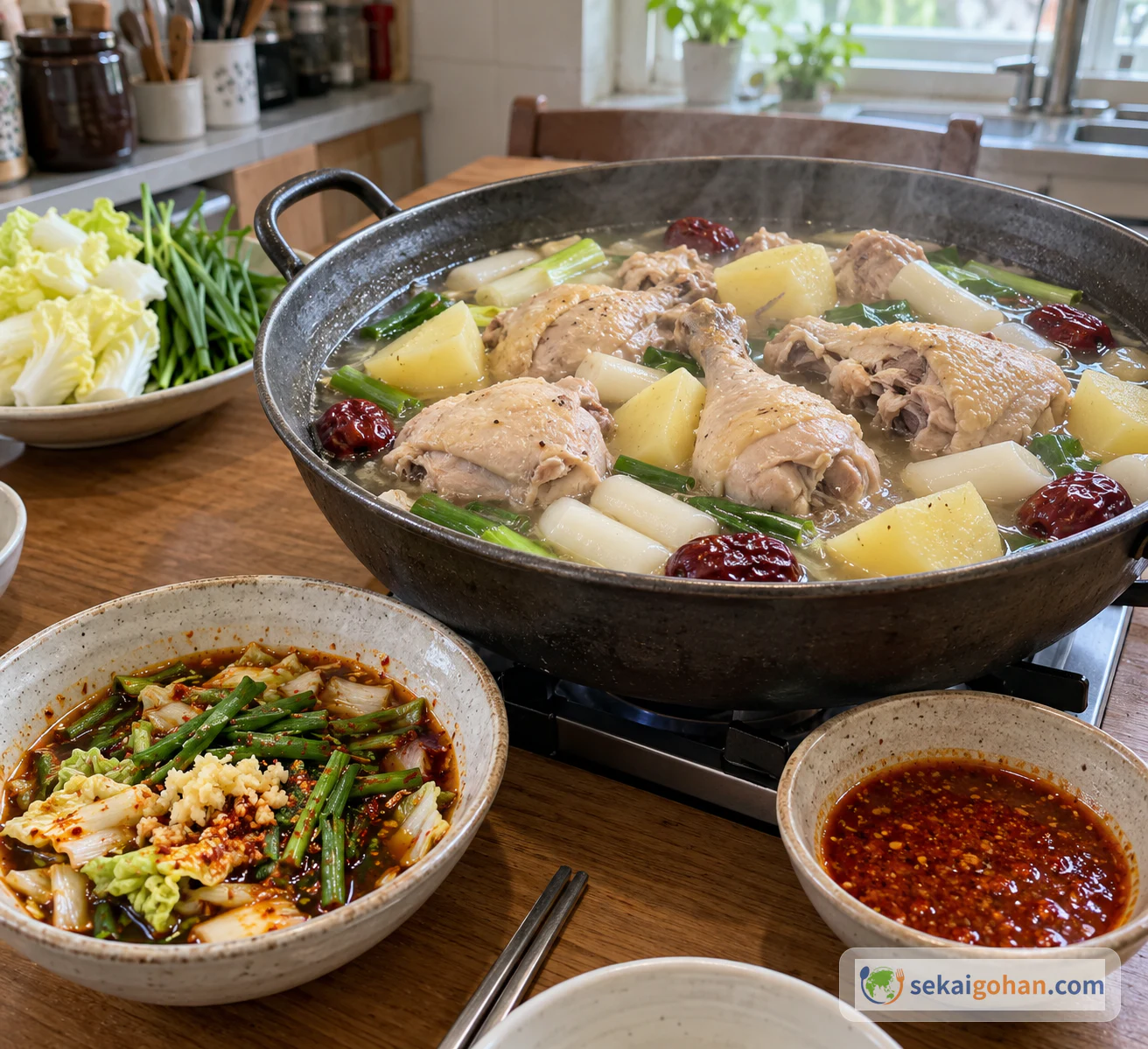
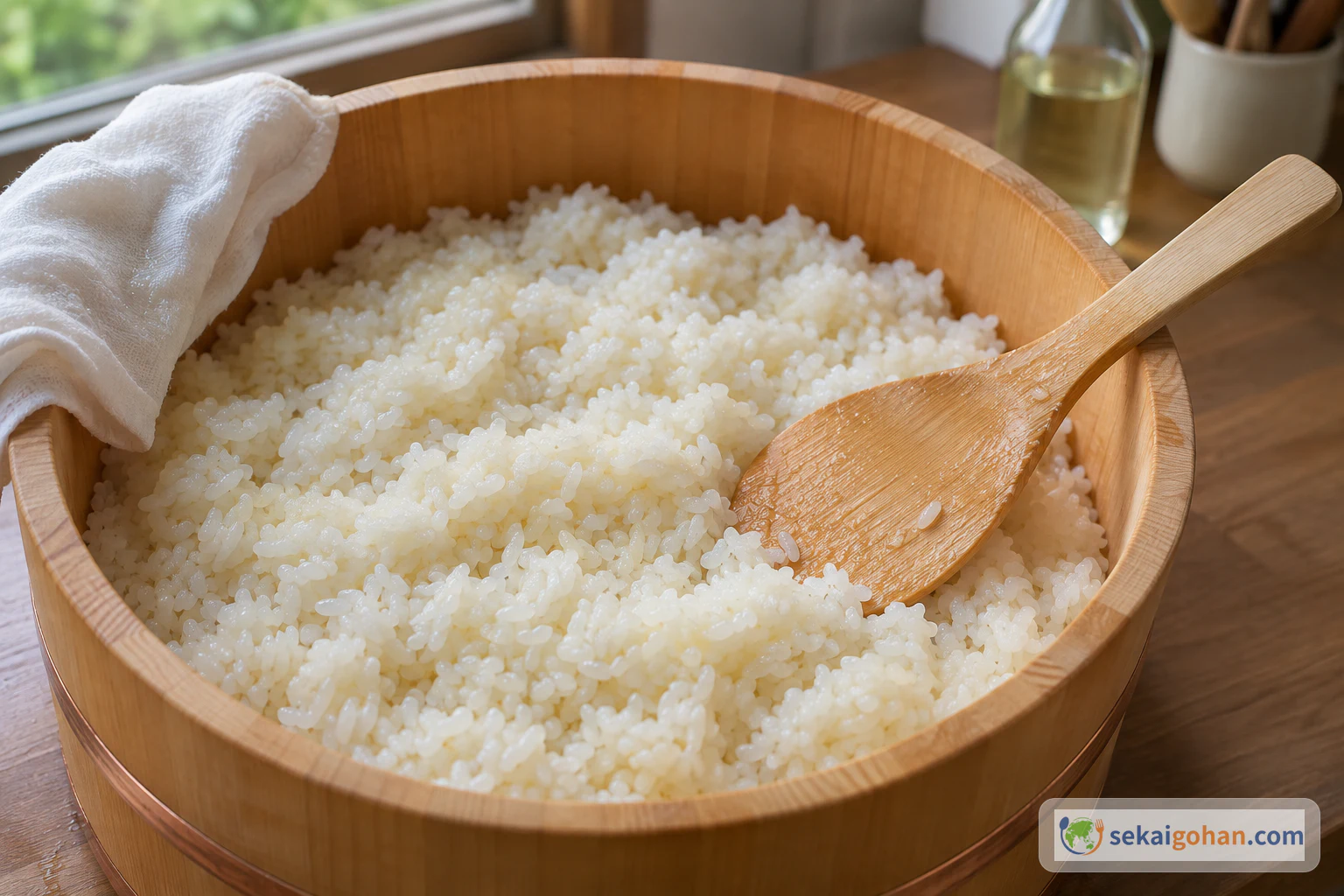
White rice, kimchi, roasted seaweed and wrapping greens are all the menu needs. For a soup, doenjang jjigae comes together most easily; on days you want heat to cut through, kimchi jjigae; and for a gentle chicken soup, samgyetang. Leftover bulgogi makes a good beef topping the next day for bibimbap, where the namul and rice soak up the meat juices.
Storage and reheating

Let cooked bulgogi cool slightly, move it to an airtight container within 2 hours and eat it within 2 days from the refrigerator. To freeze, spread only the cooked meat thin in single-meal portions; it keeps about 2–3 weeks. Lettuce can't be frozen, so wrap it in a paper towel in a separate container and use it by the next day.
Reheat for 2–3 minutes over medium-low heat in a skillet, or 1 minute 30 seconds in a 600 W microwave, then stir and give it 30 more seconds. If it seems dry, add a mix of 1 tsp soy sauce, 1 tsp mirin and 2 tsp water rather than plain water, so the flavor doesn't thin out.
Frequently asked questions
Can I make it with only bottled barbecue sauce?
You can, but the round sweetness of pear and onion, the aroma of sesame oil and the lift of garlic will be weaker. To bring it closer to home-style bulgogi, add 2 oz (60 g) grated pear or apple, 2 tsp sesame oil and scallion to 5 tbsp of sauce.
What do I use if I have no pear?
Apple is the easiest substitute: grate 1/2 an apple with the skin and reduce the sugar to 2 tsp. With pear juice, keep it to 3 tbsp and lightly drain the marinade before cooking to account for the extra moisture. Honey alone gives too little aroma and moisture, and the meat drifts toward teriyaki.
Which cuts are suitable?
Shoulder loin, ribeye and sukiyaki-style slices all suit it. Beef trimmings work too, but if they're very fine, spread them out before cooking. Lean thin-sliced round tends to turn tough, so keep the marinating time short and don't overcook it.
Can I make it on an electric griddle?
Yes. Preheat to about 400°F (200°C), spread the meat thin and leave it untouched for the first minute. When the family gathers around, cook in 2–3 batches rather than all at once so it doesn't turn watery. If liquid collects on the plate, take out the meat first and reduce the liquid.
Is it a spicy dish?
Basic bulgogi isn't spicy. Add heat at the table with gochujang, green chilies or kimchi. If children or others at the table don't like heat, cook the meat in the sweet-savory soy flavor and let the adults add a little gochujang to their own lettuce wraps.