In the evening kitchen, you shred boiled chicken breast with a fork. Ripe avocado, lime, and mayonnaise go into the still-warm meat, and the bowl suddenly turns bright green. Then you split a freshly baked arepa and pack it full, and the toasty scent of corn meets the cool creaminess of chicken and avocado. That's reina pepiada, a Venezuelan standard: an arepa stuffed with chicken and avocado salad. "Reina" means queen, and "pepiada" is a Venezuelan colloquial word for a curvaceous, attractive woman.

Reina Pepiada and Venezuelan Arepa Culture
How the Queen Got Her Name
The dish's origin has a glamour you might not expect. Susana Duijm, born in Venezuela, was crowned Miss World in 1955, and an arepa shop in Caracas honored her by naming a new filling "the queen." The white-and-green mix of chicken, avocado, and mayonnaise suited the festive mood of the time perfectly. It became a favorite across the country, and the name stuck.
Arepas and Their Fillings

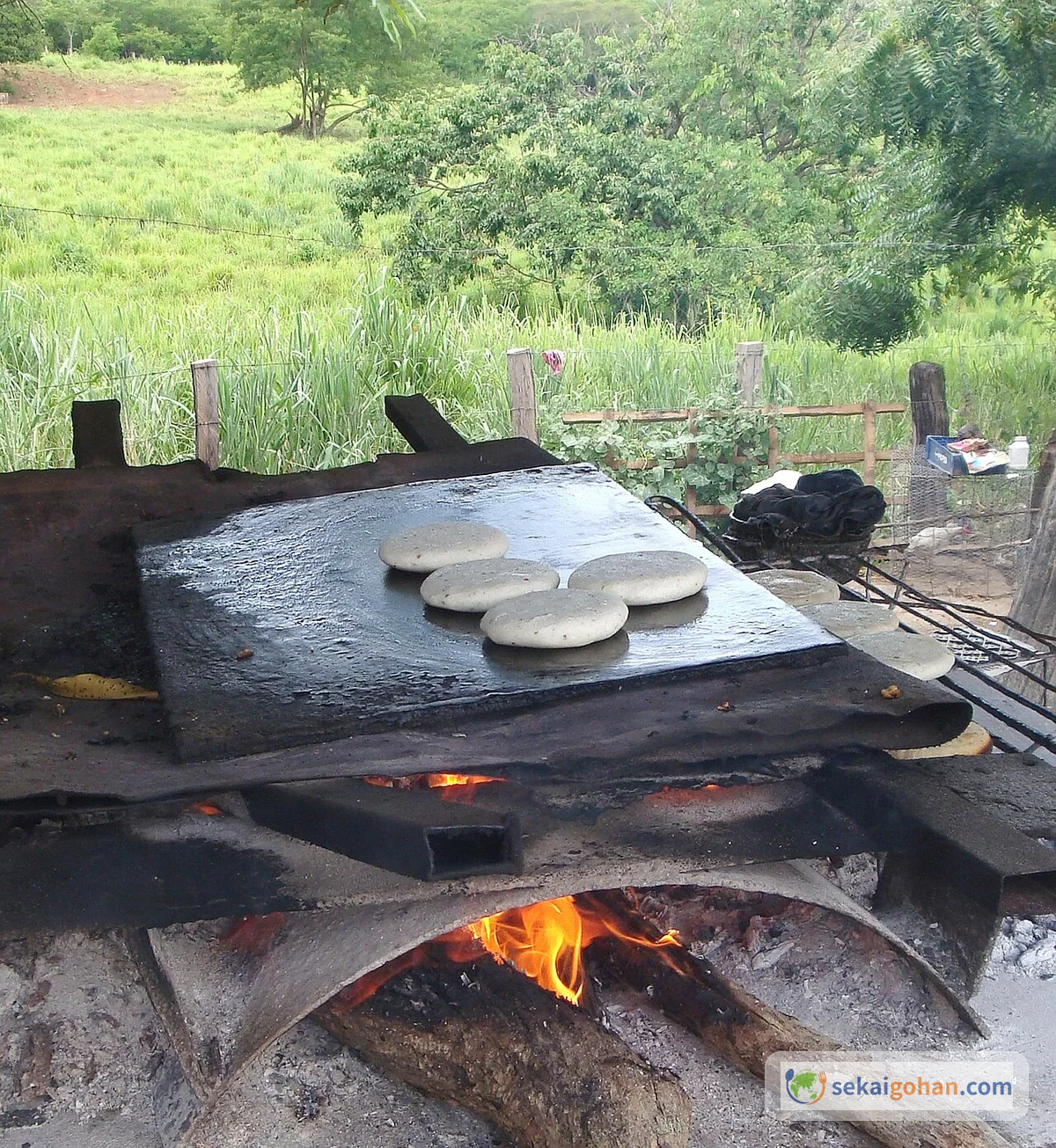
The arepa is a round corn bread with deep roots in both Venezuela and Colombia. Venezuela has taken the split-and-stuff style furthest, and many fillings can be ordered by name alone: the "domino" with black beans and white cheese, the "pelúa" with shredded stewed beef and yellow cheese, the "catira" with chicken and yellow cheese, and a pabellón-style one filled with the elements of pabellón criollo.
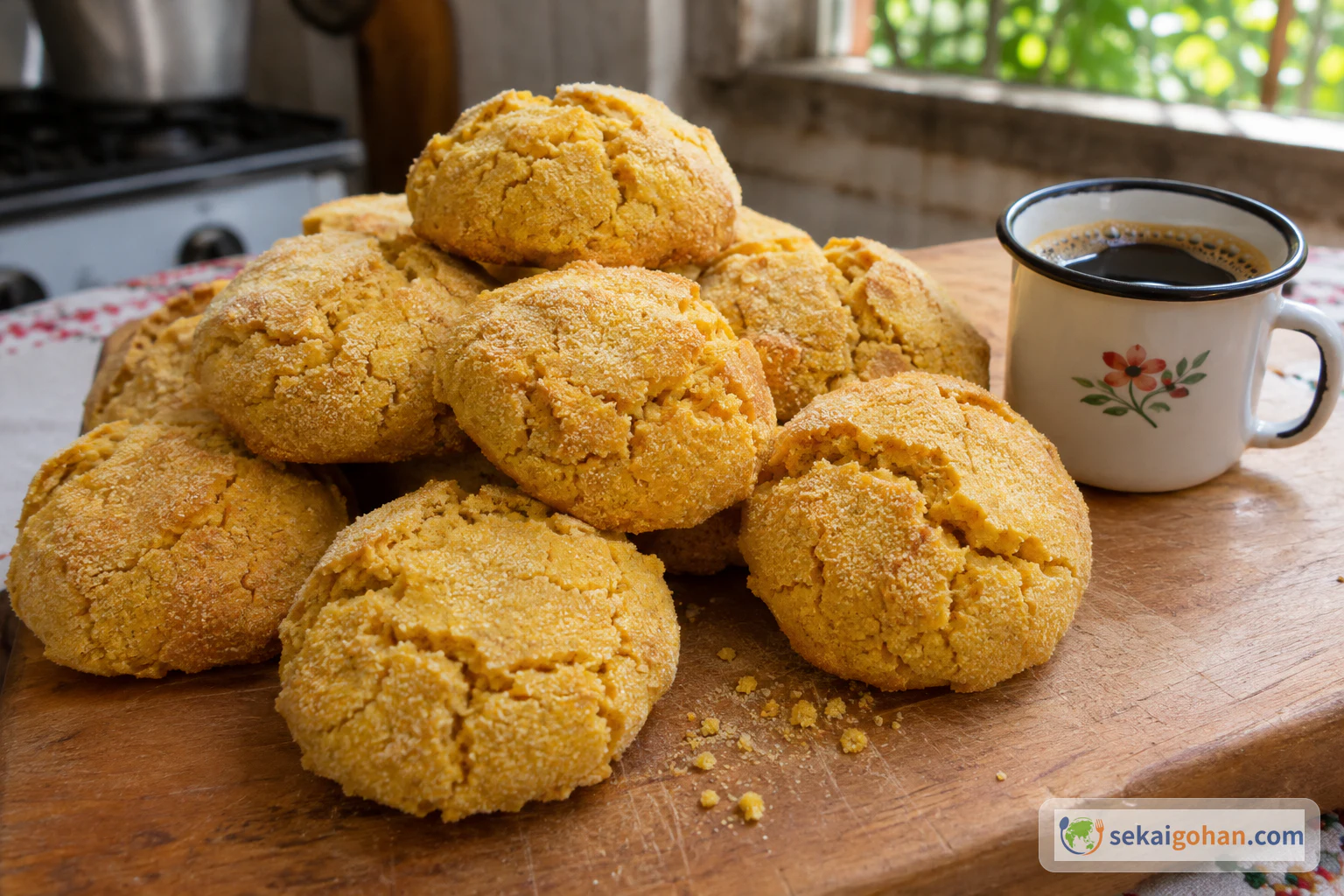
Arepas are made from masarepa, a precooked corn flour. Cachapa, by contrast, is a sweet batter made from crushed kernel corn. When you make reina pepiada at home, the arepa flour matters more than the filling.
Reina pepiada is a cold filling, which is what makes it interesting. The arepa is hot, crisp outside and soft inside, and the chicken and avocado go in cold, so every bite plays hot against cold. It has the easy feel of potato salad tucked into warm bread, but the corn and the green richness of avocado make it taste distinctly South American.
If you fill it sparingly, the way you would a sandwich, you won't get the satisfaction of reina pepiada. Packing in enough chicken and avocado that the mouth of the arepa opens slightly is closer to how it's eaten locally.
A Filling That Travels

In Venezuela, arepas play a role a little like onigiri or sandwiches do in Japan. You can have one in the morning or as a late-night snack, and depending on the filling it's a light bite or a full meal. Whatever goes inside, the corn aroma of masarepa and the hand-held shape keep it recognizably an arepa.
Reina pepiada travels especially well, for a simple reason: chicken, avocado, mayonnaise, and lime are easy to find almost anywhere. It's a standard on the menus of Venezuelan restaurants in Spain and North America too. The flour is the hard part to replace, and that's the trap for cooks elsewhere. You could stuff the same salad into sandwich bread or pita, and it would taste good, but it would be a different dish. The round corn bread is what makes the chicken and avocado feel lighter and gives you the pleasure of eating it by hand.
If you think of South American food as heavy plates of meat like churrasco and feijoada, reina pepiada will surprise you a little. What you eat it for is the cold filling and the lightness of the corn, and it fits easily into a home kitchen. On a day when avocados are cheap, pick up chicken breast and masarepa, and a Venezuelan meal is within reach.
Ingredients: Masarepa and Ripe Avocado at the Core

This makes 4 arepas with a generous amount of filling, for 4 servings. You can divide into 6 for smaller ones. Reina pepiada tastes better with more filling, so don't make the arepas too thin.
This dish uses chicken and mayonnaise, and mayonnaise is made with egg. Masarepa is corn flour, but imported products differ by production line and labeling. If you have a wheat or egg allergy, always check the label when you buy.
Reina pepiada is quite easy to make from ordinary groceries as long as you can get masarepa. The two things that are easy to get wrong when shopping are the flour and the avocado. Getting them wrong changes the texture, so check them first.
Ripe avocado makes the creaminess of the filling. On a day when you only have hard avocados, don't force it; letting them ripen at room temperature gives a steadier flavor. If you must make it today, make up for it with a little more mayonnaise and yogurt.
You can bake arepas in any skillet, but a heavy one is less likely to scorch and warms the middle more easily. If you want to avoid the failure of a charred surface and a floury center, it's worth paying a little attention to your pan.
Choosing Ingredients for Reina Pepiada

Even Venezuelan households differ on how much mayonnaise to use, whether peas go in, which herbs, and how to cut the onion. At home, it helps to know what to stick to and what you can swap.
| Question | Closer to local | Realistic at home | Judgment |
|---|---|---|---|
| Arepa flour | Masarepa, P.A.N. | Buy at a specialty grocery or online | Better not to substitute here |
| Chicken | Boiled chicken, shredded | Cooked chicken breast, rotisserie chicken | Shortcut is fine. Go light on salt |
| Avocado | Fully ripe, coarsely mashed | On a hard day, wait for it to ripen | Used hard, it won't come together |
| Citrus | Lime | Lemon | Acidity is a must. Without it, it's heavy |
| Herbs | Cilantro | Cilantro, Italian parsley | Reduce if you dislike it |
| Green peas | Some households include them | A little frozen | Optional, to taste |
Masarepa is the one ingredient worth tracking down. Cornmeal is tempting because it's right there on the supermarket shelf and it's corn, too, but ordinary cornmeal is hard-grained and not precooked. It absorbs water at a different rate, so it won't give you a soft arepa dough. Mexican masa harina is a nixtamalized corn flour with a lovely aroma, but it isn't masarepa either. Finding the right flour takes some effort on your first shopping trip, but one bag goes a long way: the basic arepa, the sweet cachapa, and arepas with all kinds of fillings.
The filling is much more forgiving. If you use cooked chicken breast, choose a plain one and cut the mayonnaise to 2 tbsp. Store-bought chicken is already salty, so add no salt at the start. Rotisserie chicken is the most realistic shortcut on a busy evening, and chopping a little of the skin into the mix adds toastiness and richness. The salt and fat are stronger, though, so add more avocado and more lime.
A hard avocado changes the whole dish. Even diced, avocado that is still green and firm won't come together with the chicken. In a pinch you can microwave small pieces for just 10 seconds, but you lose aroma, so it's better to wait a day. This is really a dish for the day your avocados are perfectly ripe.
Method: A Cold Filling in a Hot Arepa
Reina pepiada works best when you separate baking the arepas from making the filling. Chill the filling briefly in the refrigerator so the flavors meld, and bake the arepas last so you split them fresh. The temperature contrast is what makes this dish pleasing.
Cook the chicken all the way through to the center. Don't leave the poached chicken and avocado filling at room temperature for long; refrigerate until just before eating. It is not suited to a summer lunch box.
Troubleshooting Reina Pepiada
Problems are easier to fix if you split them into the arepa side and the filling side. With the arepa, it's usually moisture and cooking time. With the filling, it's avocado ripeness and salt.
| Problem | Cause | Fix |
|---|---|---|
| Arepa cracks | Not enough water, not rested | Add water 2 tsp at a time and rest 5 minutes |
| Floury inside | Too thick, only the surface was cooked | Cover and cook further over low heat |
| Surface too hard | Heat too high, too little oil | Start on medium and go to low in the second half |
| Filling is watery | Onion not drained, avocado overripe | Squeeze the onion and add more chicken |
| Flavor is blurry | Not enough acidity, afraid of salt | Add lime juice and salt a little at a time |
| Too salty | Salt in cooked chicken, too much mayonnaise | Loosen with avocado, unsalted chicken, or yogurt |
The arepa dough should feel a bit softer than an earlobe and not stick to your hands. If the edge splits as you shape it, it needs more water. If it slumps flat in your palm, it has too much. Extra flour firms it up quickly, so adjust a teaspoon at a time.
Don't stop cooking just because the outside looks done. A nicely browned arepa can still be damp flour inside. Locally they cook slowly on a budare or griddle; in a home skillet, brown both sides, then cover and give it extra time on low heat. A few minutes in a toaster oven also dries the surface and makes the arepas easier to handle.
Season the filling so it tastes good as a chicken and avocado salad all by itself. The arepa is a lightly salted corn dough, so a bland filling leaves the whole thing flat. Taste at the end and adjust then.

If you split it early, too much steam escapes and the inside dries out. Wait just 1 minute after baking, and when it is hot enough to hold, split and fill. Eating at that pace preserves the contrast between hot arepa and cold filling.
Serving, Storage, and Variations
Serving Reina Pepiada

Reina pepiada is at its best the moment you fill it. The heat of the arepa loosens the filling a little, and the corn aroma and the richness of the avocado come together.
Let reina pepiada be the star and add a small, sour side to balance the mellow avocado and mayonnaise. A tomato and onion salad, ceviche with extra lime, or a light black bean soup all work well. Acidity and beans suit the cold filling better than a heavy meat dish, and they make for a well-balanced Venezuelan lunch.
If you're cooking your way through Venezuelan food, start with the basic arepa, then try the sweet-corn cachapa and the national dish pabellón criollo, made with black beans and shredded beef. The cold green of reina pepiada, the warm brown of pabellón, the sweet yellow of cachapa: that's how much range Venezuelan cooking gets out of corn.
Storing and Making Ahead
If you make it ahead, always store the arepas and the filling separately. Refrigerate the filling in an airtight container and eat it by the end of the next day. Avocado discolors in air, so press plastic wrap right onto the surface and add a bit more lime juice to help hold the color. You can't stop the browning completely, so when you have guests, make the filling the same day.
Once cooled, wrap baked arepas individually in plastic wrap and refrigerate them for about 2 days. The microwave alone leaves them too soft, so give them 20 seconds, then crisp the surface in a skillet or toaster. To freeze, keep them plain, with no cheese or filling, for about a week. Let them thaw naturally and rebake, and they'll split more easily.
Leftover filling works on toast the next morning, but to keep it a Venezuelan dish, rebake some small arepas and stuff them again. With a bag of arepa flour in the pantry, leftovers suddenly become fun.
Take care in summer or when you're carrying food. A filling of chicken, avocado, and mayonnaise shouldn't sit out at room temperature. For a picnic, bake only the arepas to bring along, carry the filling separately in a cooler, and fill them just before eating.
Variations

For a lighter reina pepiada, cut the mayonnaise to 1 tbsp and add 2 tbsp Greek yogurt. That raises the acidity, so start the lime juice at 1 tbsp and adjust. You can leave the mayonnaise out entirely, which moves away from the local mellowness but makes an easy weekday lunch.
For a classic style, quickly thaw frozen green peas in hot water and stir them in. Not every cook adds peas, but they give the salad a slightly old-fashioned feel. If you don't like them, leave them out.
For a version with a little heat, finely chop a bit of jalapeño or green chili. Venezuelan cooking doesn't lean on strong chili the way Mexican cooking often does, so lifting the aroma with lime and cilantro keeps more of the reina pepiada character than heat does.
Comparing it with the pabellón-style is fun, too. Reina pepiada is cold chicken and avocado; pabellón criollo is a warm combination of beef, black beans, and plantain. Same arepa, completely different meal. If you like South American meat dishes, a little leftover ropa vieja or lomo saltado makes a good stuffing for a homestyle staff meal.
FAQ

Can I make it with cooked chicken breast?
Yes. Shred 10.5 oz (300 g) of plain cooked chicken finely, and go light on mayonnaise and salt. Store-bought products contain salt, so taste at the end before adding any. It is handy when you're short on time, but boiled chicken gives a moister result.
What if the avocado is hard?
If you can, move the cooking day. Hard avocado doesn't blend with the chicken and tends to taste green and bitter. If you have to use it, cut it small and bind it with a little extra mayonnaise and yogurt, though the filling won't be as smooth.
Can I fry the arepas?
Fried arepas exist, but for this recipe we recommend pan-baking. The filling already gets plenty of fat from mayonnaise and avocado, so frying tends to make the whole thing heavy. A toasted surface, finished in a toaster if needed, is easier to eat.