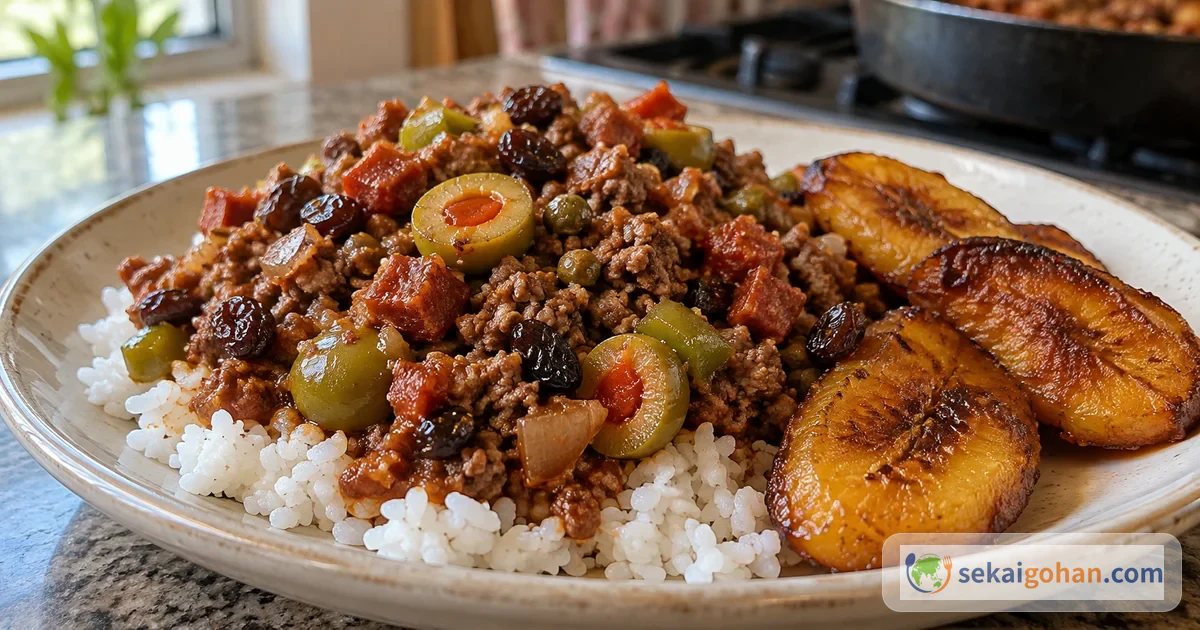
Beef so tender it falls apart, torn along the grain, clings to a sweet-and-sour sauce of tomato and peppers, and the scent of cumin and oregano rises as you lean over the plate. That is ropa vieja, the dish that belongs on every Cuban table. The name is Spanish for "old clothes" or "rags," after the look of slow-simmered beef pulled into thin strands like tattered scraps of cloth. The name is hard to square with the dish until the first bite. It is one of the great slow-cooked dishes of South and Central American cooking (in Japanese).
About Ropa Vieja
In Spanish, ropa is clothing and vieja is old. Flank steak is simmered for a long time, pulled apart by hand, and seasoned with tomato, peppers, olives, and cumin. It ranks with Brazilian feijoada and Colombia's bandeja paisa among Latin America's great stews.
From Spain to the Caribbean
Ropa vieja comes from Spain, and from the Canary Islands in particular. Migrants from the islands brought it to Cuba, where it blended with local ingredients and took its current form.
The Spanish original was a staff meal, a way of using up meat from a stew such as cocido: the beef boiled the day before was torn and reheated with tomato and onion. In Cuba it met New World tomatoes and peppers, along with cumin. The Cuban version combines the acidity of tomato, the warm aroma of cumin, and the saltiness of olives into a far more assertive dish.
Cuban food grew from a blend of Spanish, African, and indigenous Taíno influences. In ropa vieja, the way the beef is cooked comes from Spain, while the tomato and pepper come from the Americas.

The story behind "old clothes"
There are several legends about the name. The best known is the tale of a poor man who, to feed his family a meat dish, stewed his old clothes (ropa vieja), and through the power of love the clothes turned into meat.
The story is told in children's picture books. In Cuban homes the lesson goes: "if you think of your family as you make ropa vieja, even the cheapest meat becomes the best meal." For people who have lived through shortages, the idea that love and ingenuity, not material wealth, make food delicious means a great deal.
Ropa vieja in Miami and around the world
Since the 1960s, many Cubans have settled in places like Miami, Florida, and ropa vieja has become closely tied to the memory of home. It is a staple on the menus of Miami's Little Havana. The Miami version is a bit more refined than Havana's, with better beef, though the basic recipe is much the same. Much like Armenian harissa for Armenians abroad, ropa vieja is a core dish of Cuban identity.
Ropa vieja-style dishes are eaten across much of Latin America and in the Canary Islands. The Canary Islands version is closer to the original, with chickpeas and a plainer flavor, and the Panamanian version is similar to the Cuban one. In Venezuela, shredded beef (carne mechada) is part of the pabellón criollo, served with black beans, rice, and fried plantain. In Puerto Rico the meat is commonly seasoned with an adobo mix first.
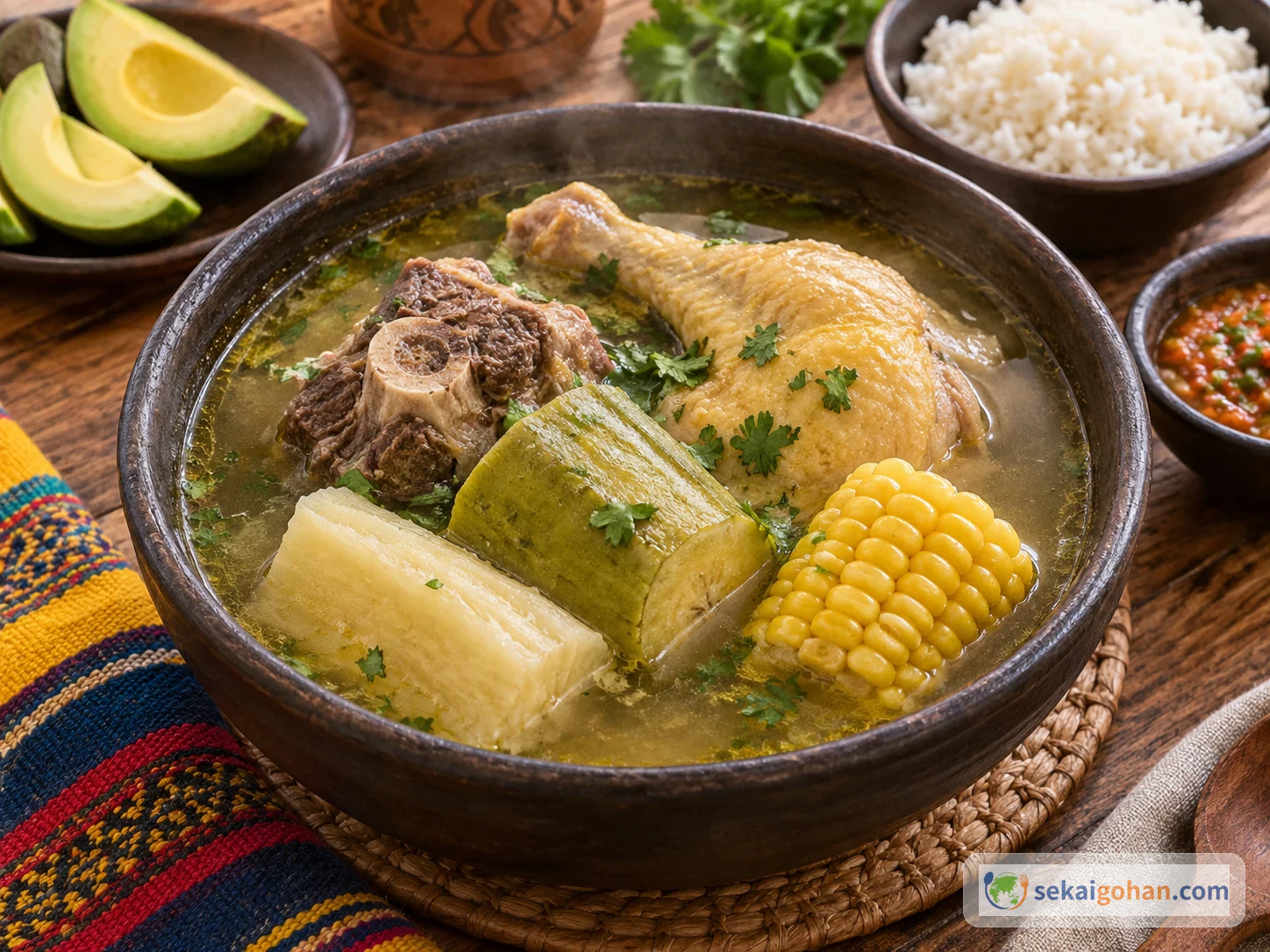
Each country of the Caribbean has its own beef stew, and each country's history shows in the stewpot, just as Jamaican jerk chicken shows in its complex spices. Travel the Caribbean and you will meet ropa vieja, pabellón criollo, and sancocho.
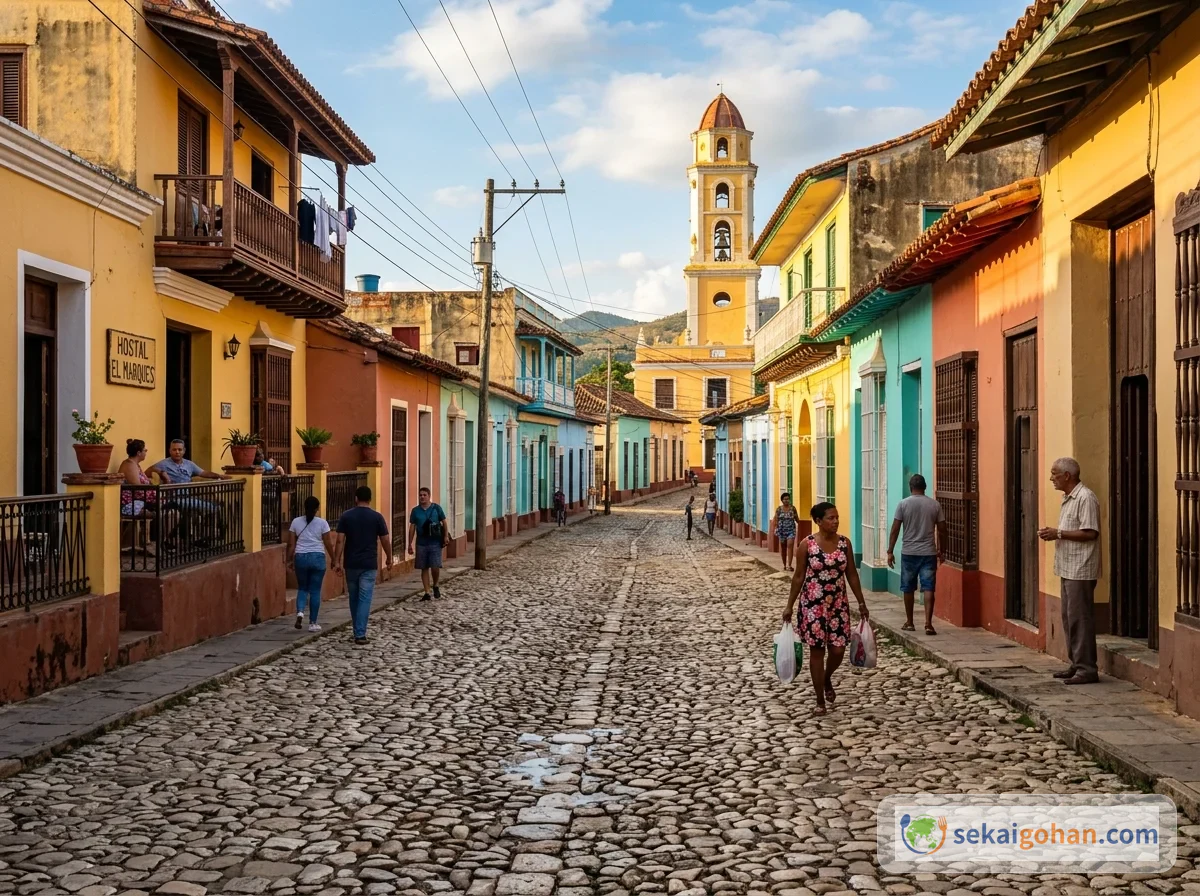
In Havana and Trinidad, private restaurants called paladares have multiplied, and their chefs keep putting modern interpretations on the traditional dish.

Choosing Ingredients for Ropa Vieja
Smoked paprika (pimentón) makes the difference, and it tastes very different from ordinary paprika. Spanish pimentón de la Vera is smoked over oak, which gives it a distinctive smoky flavor and gives ropa vieja its depth. The "dulce" (sweet) type is best here. It plays the hidden role that dried chiles do in Mexican mole poblano.
Spanish Manzanilla green olives are the standard in Cuban cooking, but ordinary pitted green olives from the supermarket are fine. Olives stuffed with pimiento (red pepper) make the dish more colorful. Stick with green, since black olives have a different flavor.
Getting the Beef Right
How ropa vieja turns out depends on the simmer. Boiling the beef hard in rolling water makes it dry. The ideal heat is a gentle bubbling, where the surface only just ripples, so keep it low and slow.
Serving, Storing, and Variations
Congrí and plantains
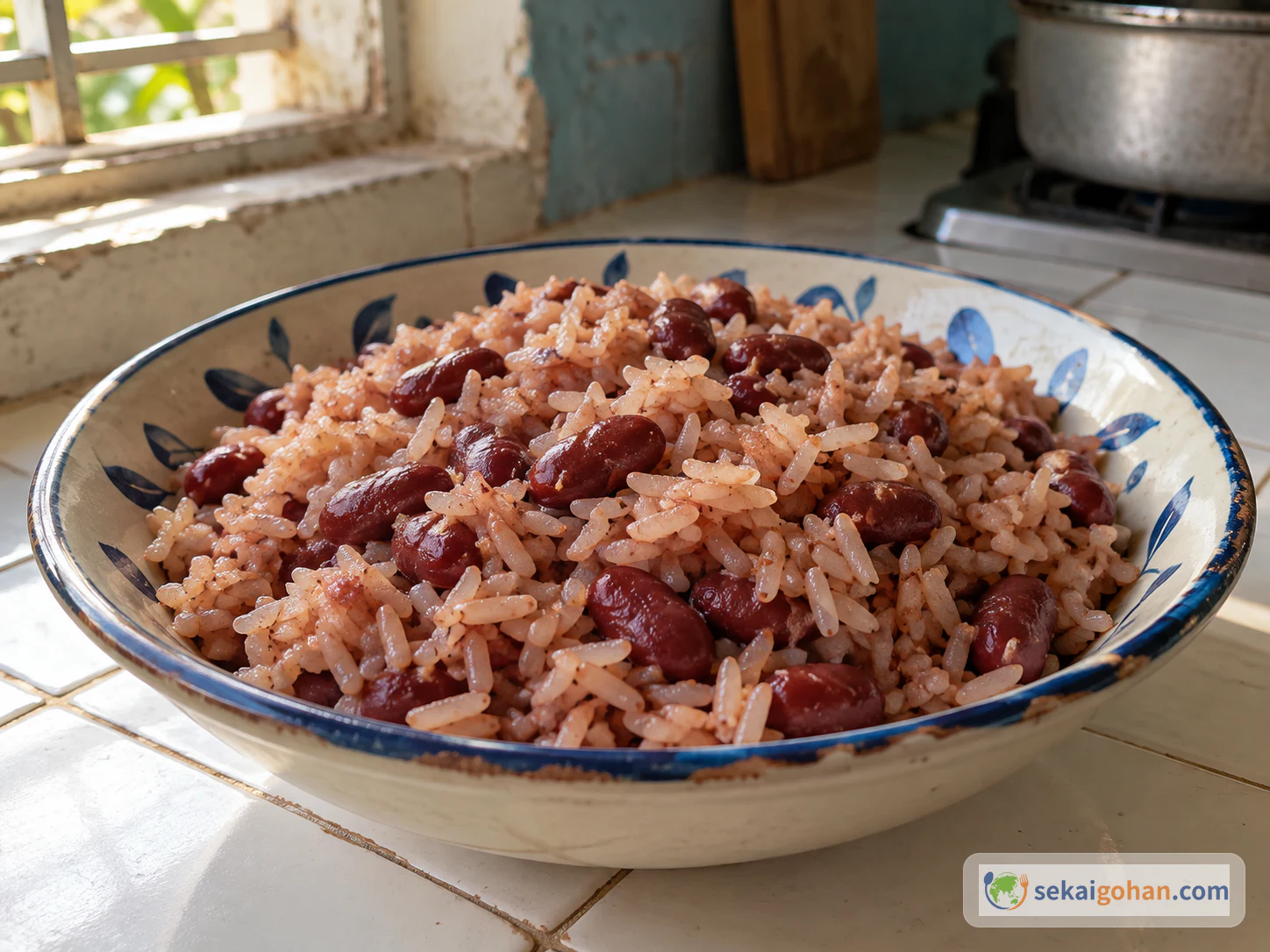
In Cuba, ropa vieja is rarely eaten alone. It comes with congrí (rice cooked with black beans) and maduros (fried ripe sweet plantains). Congrí is cooked in the liquid from black beans, which gives it a faintly purplish color and the flavor of the beans. Maduros are fully ripe plantains fried crisp in butter, and their sweetness and salt fit the acidity of the ropa vieja perfectly.
Plantains are hard to find in some places, so ripe bananas fried in butter can stand in. They are sweet enough to balance the tomato. For a simple congrí, cook canned black beans in a rice cooker together with the white rice.
Storage
As with all stews, ropa vieja tastes noticeably better the next day, once the flavors have settled in. Making a big batch on the weekend and reheating it for weeknight dinners is a classic pattern in Cuban households. It keeps for 4 days in the refrigerator, or 1 month frozen in an airtight container. Reheat it in a pot over low heat, though a microwave is fine too.
Variations

Slow-cooker version (8 hours). The easiest version: put raw beef straight into the slow cooker with the canned tomatoes, spices, peppers, onion, and garlic, and leave it on Low for 8 hours. Set it in the morning and it is ready when you get home, and the meat can be shredded right in the pot. Skipping the sofrito makes it a little less rich, but it is ideal for weeknights.
Pressure-cooker version (1 hour). Cut the pre-simmer to 40 minutes in a pressure cooker and finish the stew under pressure in 15 minutes. That gives you an authentic ropa vieja in about an hour on a busy day.
Chicken breast version (ropa vieja de pollo). This came about when beef was expensive. Boil and shred 1.25 lb (600 g) chicken breast, then simmer it in the same sofrito and tomato sauce. The pre-simmer takes only 30 minutes. Chicken lacks the deep savoriness of beef, but the lighter result is preferred in summer.
Pork version. Simmer 1.75 lb (800 g) pork shoulder for 2 hours, shred it by hand, then simmer it in the sauce. The sweet fat of the pork against the tomato's acidity has its own appeal. It is good with Puerto Rican mofongo.
Vegetarian version (jackfruit). Vegan Cuban restaurants make a popular version with jackfruit (canned young jackfruit). Pulled apart with a fork, the flesh takes on a surprisingly meat-like texture. The spices and sauce stay exactly the same, which makes it a good choice for plant-based eaters.
Nutrition (per serving, one of six)
Beef supplies high-quality protein, tomato adds lycopene, peppers vitamin C, and olives unsaturated fat. Black beans on the side add fiber and iron, so the plate makes a complete meal. Lycopene is absorbed better with fat, which is one more reason the olive oil earns its place.
| Nutrient | Amount |
|---|---|
| Calories | 420 kcal |
| Protein | 1.25 oz (38 g) |
| Fat | 18 g |
| Carbohydrates | 1 oz (28 g) |
| Fiber | 5 g |
| Sodium | 680 mg |
More Latin American dishes to cook
- Feijoada: Brazil's stew of black beans and meat
- Bandeja paisa (in Japanese): Colombia's platter of red beans, meat, and fried plantain
- Mofongo (in Japanese): Puerto Rico's plantain dish
- Lomo saltado: Peru's beef stir-fry, with Chinese influence
- Seco de chabelo (in Japanese)
- Chimichurri
- Empanadas: Argentina's baked pies; leftover ropa vieja makes an excellent filling
FAQ
Q1. What is the best cut if I cannot get flank steak?
The closest substitute is beef shank. It is rich in collagen and falls apart after a long simmer, though it needs 2 hours or more. Next best is chuck roast, which has a moderate amount of fat and stays juicy when shredded. Thin-sliced trimmings and stew bits have fibers too short to shred by hand.
Q2. What is the procedure with a pressure cooker?
Put the beef, 1 liter of water, bay leaves, and garlic into the pressure cooker and cook at high pressure for 40 minutes. After a natural release, take out the meat and shred it; from the sofrito on, the steps are the same. If you also cook the stew in the pressure cooker, 5 minutes at high pressure is enough. The whole thing takes about 1 hour, so it works for a weeknight.
Q3. What can I use instead of white wine?
Cooking sake is the safest substitute, and dry sherry brings the taste closer to the Cuban tradition. The alcohol rounds off the tomato's acidity and masks gaminess in the meat, so I recommend using some rather than leaving it out. To make it without alcohol, use 1 tbsp white wine vinegar plus ½ cup (100 ml) water for the acidity.
Q4. Is there anywhere to eat ropa vieja outside Cuba?
Cuban restaurants in cities with large Cuban communities, such as Miami's Little Havana, serve it as a standard; just order "Ropa Vieja." Making it at home is still the easiest and most reliable way, and every ingredient is available at an ordinary supermarket.
Sources
- Presilla, M. E. (2012). Gran Cocina Latina: The Food of Latin America. W. W. Norton. https://wwnorton.com/gran-cocina-latina (A comprehensive reference on Latin American cooking, with the history and traditional recipes of ropa vieja)