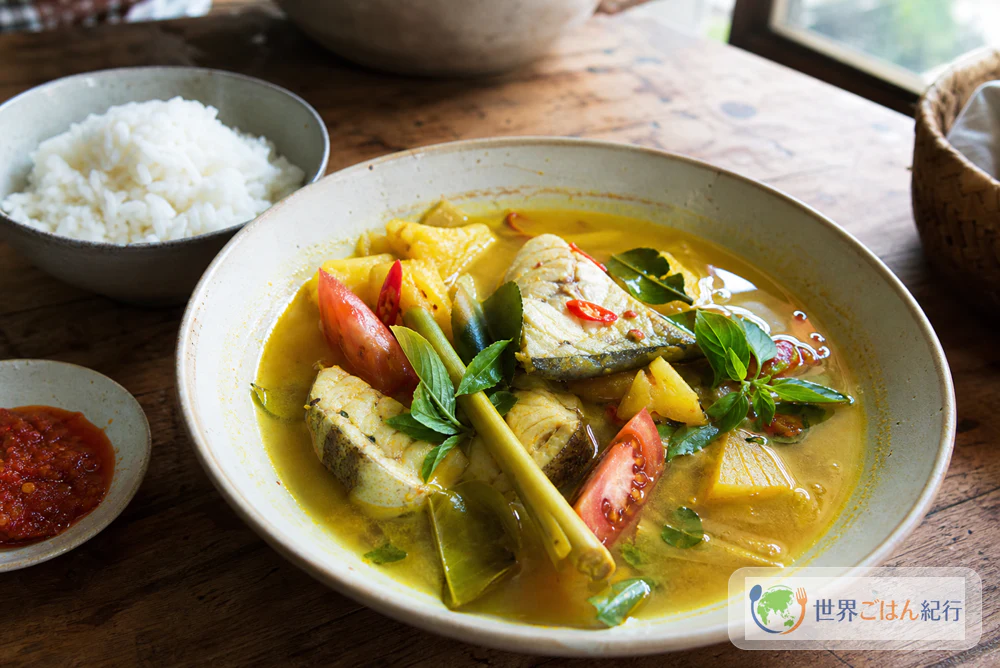
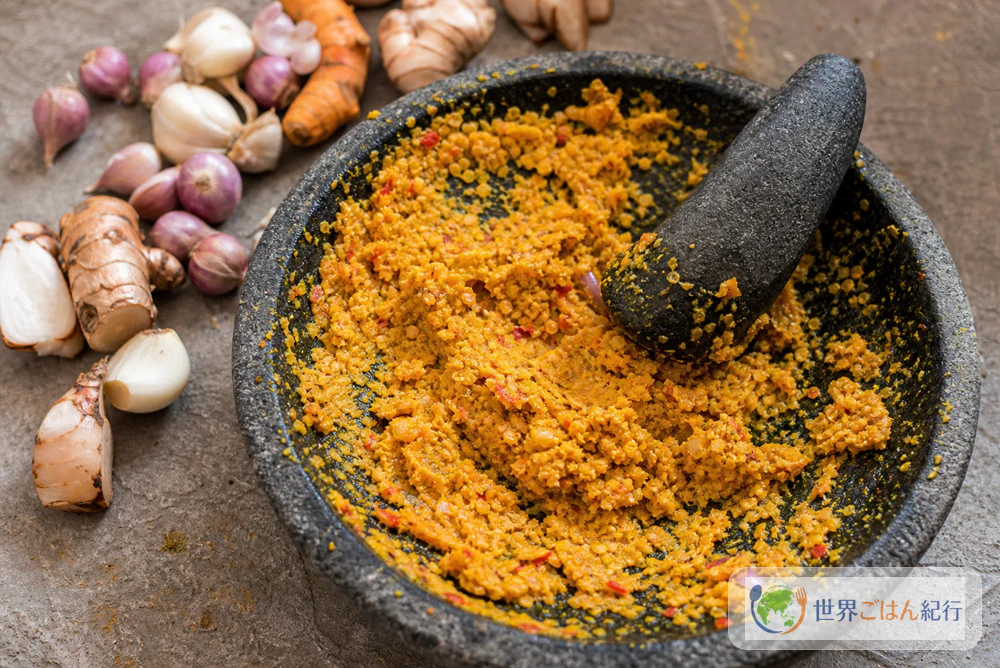
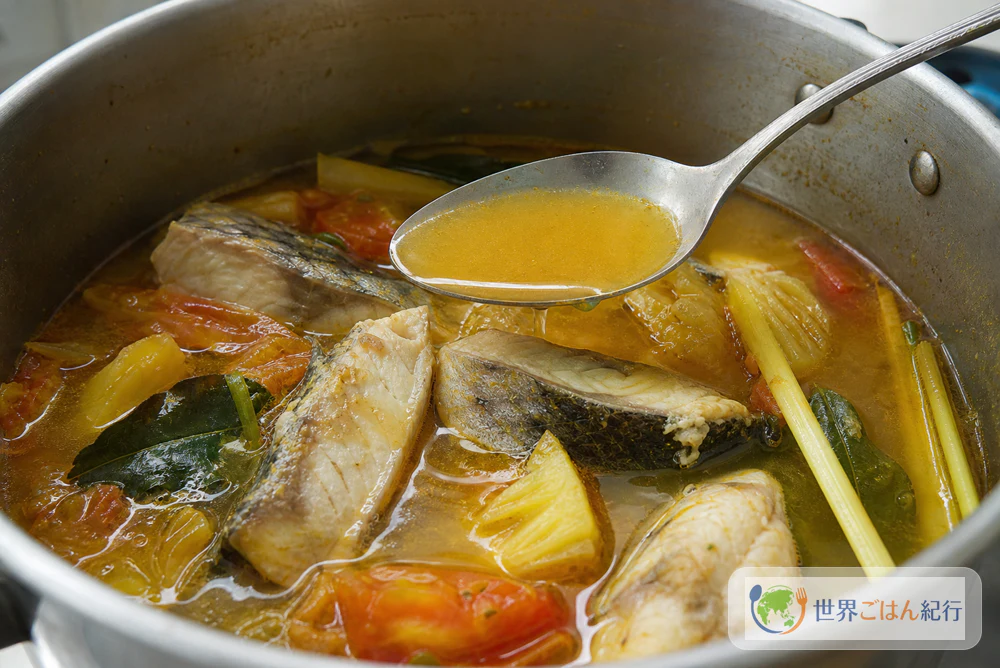
Strike a stalk of lemongrass with the back of a knife and a green citrus fragrance rises from the cutting board. Then comes the sour broth with tamarind dissolved in it, the yellow of turmeric and the slightly hard scent of galangal. Pindang is an Indonesian fish soup, often linked to South Sumatra and especially Palembang. It doesn't turn the fish into a heavy stew. Instead, sourness and herbs keep it light. Done well, it's a fish soup you'll want to spoon over white rice.
What Pindang Is
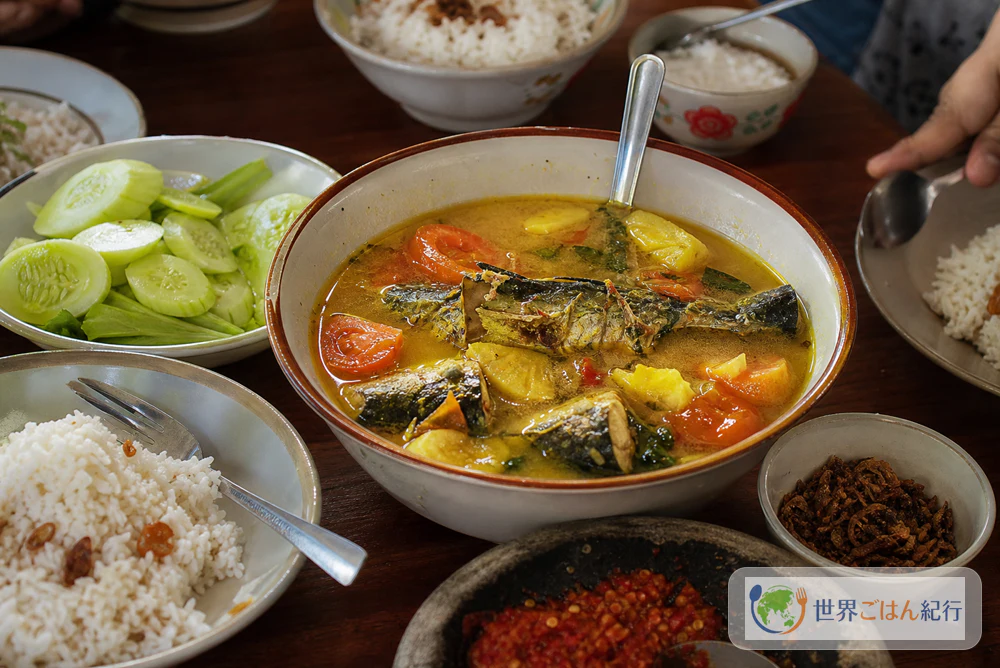
In Indonesia, pindang is the name for dishes that cook fish or meat with salt, sourness and aromatics. It's as much a way of cooking as a single fixed recipe. Local photos and recipes show clear broths, versions with strong chili, and sweet-sour ones made with pineapple. The kind of fish, the souring ingredient and the heat all vary by region and household.
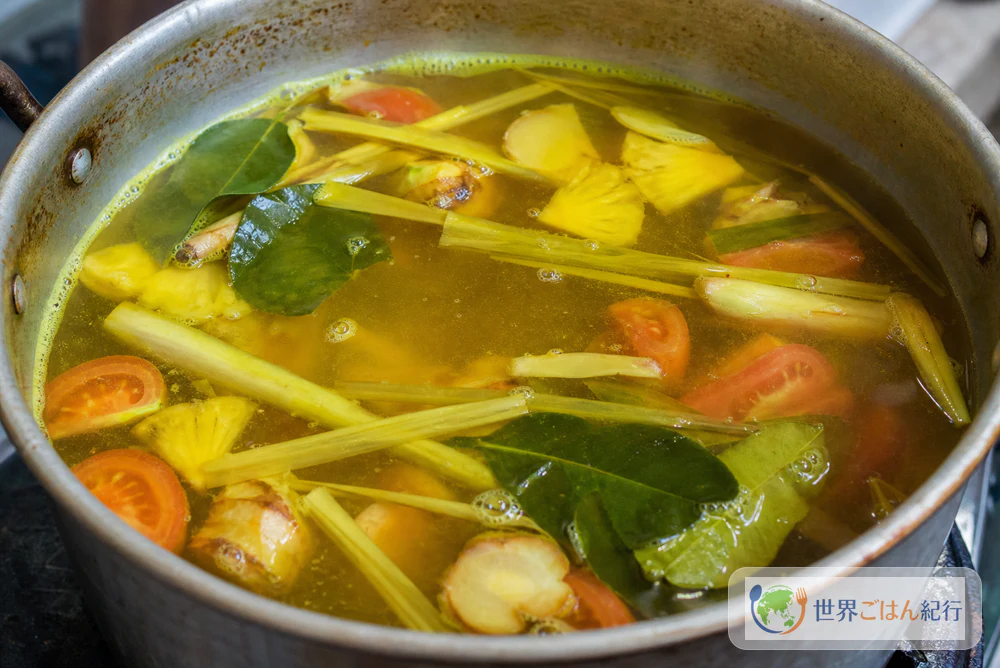
The core of pindang is cutting the richness of the fish with sourness. Tamarind gives a round sourness, tomato adds its juice and pineapple brings sweet-sour notes, while lemongrass, galangal and makrut lime leaves add a green fragrance. There's no coconut milk, so it's much lighter than rendang or soto betawi. It's a good soup for a hot day.
Pindang patin, well known in Palembang, sometimes uses patin, a freshwater fish close to catfish, but home versions are also made with sea fish. Outside Indonesia, you'll get closer to the real taste by keeping the sourness, herbs and heat than by matching the fish exactly. Fillets of cod, sea bream, Spanish mackerel or yellowtail do perfectly well.
North Sumatra's arsik is a similar fish dish, but a rich one: the fish simmers in a yellow aromatic paste. Pindang keeps the broth clearer and puts the sourness forward. Both are Indonesian fish dishes, yet one is much heavier than the other.
Ingredients (serves 4)
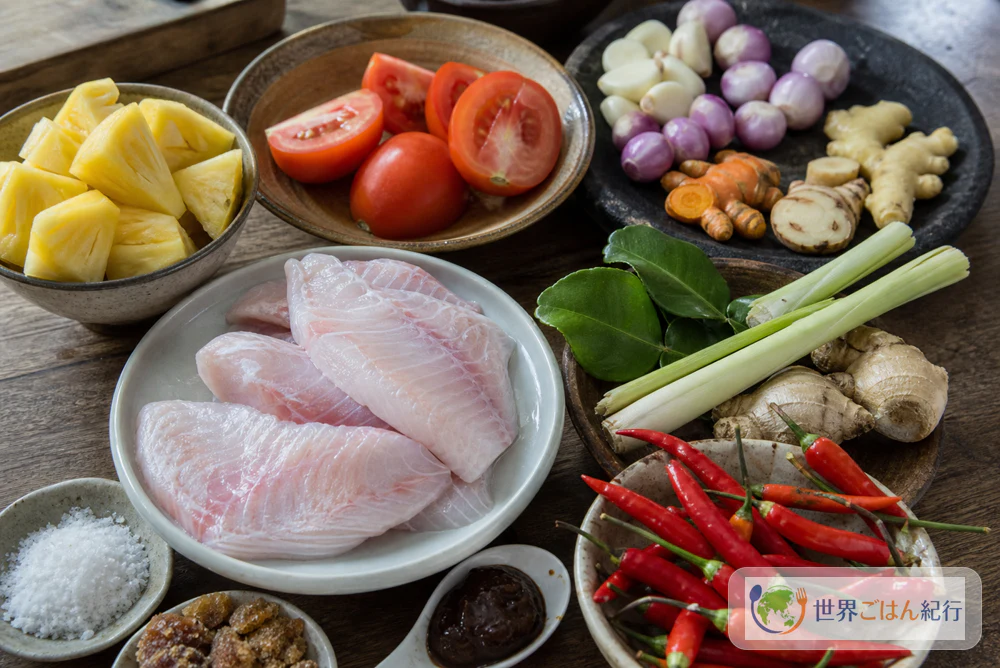
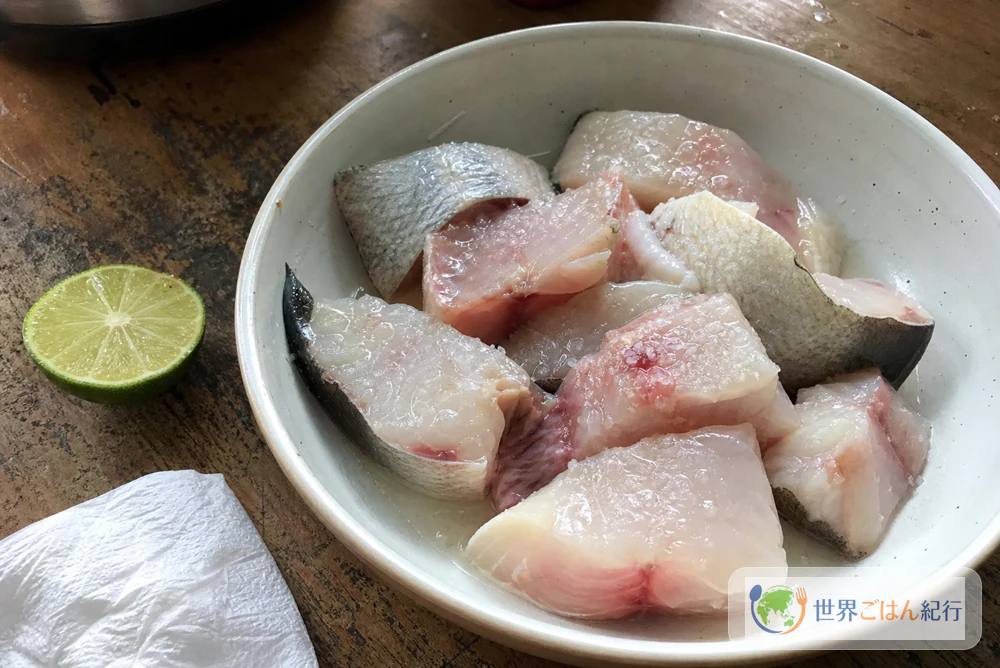
Fillets 2.5 to 3 cm (1 inch) thick are easy to handle. Thin fillets overcook, and ones that are too thick break up on the surface before the center is warmed. For a first try, skin-on cod, sea bream or Spanish mackerel make the broth less likely to turn cloudy.
Deciding on substitutes
Leave out the tamarind, galangal and makrut lime leaves altogether and you get a sour fish soup of a plain kind. You don't have to buy all three, but to keep the outline of the dish, tamarind is the top priority, next lemongrass and galangal, and makrut lime leaves if you can manage.
Pineapple is a matter of taste. With it, the soup moves toward the sweet-sour of South Sumatra, and without it, it comes closer to a clear fish soup. On days you use the canned, leave out the syrup and cut the sugar to 1 tsp.
Allergies and heat
This is a dish that uses fish. If you make it with oily fish, fat comes out easily, so don't skip the lime in the preparation. For heat, don't put the chili in the pot; serving sambal in the bowl makes it easy to share across the family.
Nutrition guide
The following is a guide per serving, calculated with 1.25 lb (600g) of white fish and 1 1/2 tbsp oil, without the rice. It changes with the kind of fish, the sugar content of the pineapple and how salty you make it.
| Item | Guide |
|---|---|
| Energy | about 285 kcal |
| Protein | about 1 oz (29g) |
| Fat | about 9g |
| Carbohydrate | about 21g |
| Fiber | about 4g |
| Salt equivalent | about 2.1g |
Shopping for Pindang Ingredients
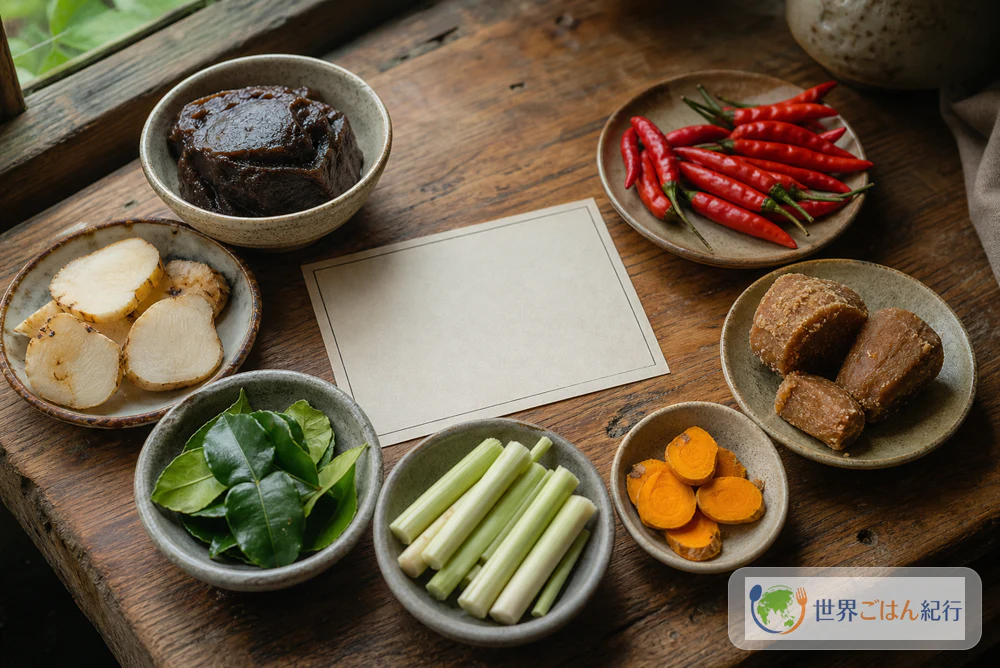
The fish isn't worth a special trip. Buy the fish, tomato and pineapple nearby and save your effort for the sour ingredient and herbs that are hard to find. If you have tamarind, galangal or makrut lime leaves left over, use them in arsik, gado-gado or tom kha gai.
Tamarind is the core of the sourness. You can make the soup with lemon alone, but tamarind gives a rounder sourness that goes better with the richness of the fish. Galangal adds a hard, refreshing edge that ginger alone has trouble giving. Frozen galangal can be sliced straight into the pot. Even a single makrut lime leaf changes the aroma of the broth, so a small stash in the freezer comes in handy whenever you make a Southeast Asian soup.
| Local element | Role | A realistic approach elsewhere |
|---|---|---|
| Freshwater fish such as patin | The fat and bones of the stock | Cod, sea bream, Spanish mackerel or yellowtail. Mixing in a little bone-in fish trimmings deepens the stock |
| Asam / tamarind | The core of the sourness | Dissolve tamarind paste in water. If none, lemon juice with a little rice vinegar |
| Lengkuas / galangal | A hard, refreshing quality harder than ginger | Frozen galangal. If none, use ginger in a small amount only |
| Daun jeruk | Citrus leaf aroma | Frozen makrut lime leaves. If none, thinly shave lime zest |
| Nanas / pineapple | Sweet-sour and a tropical feel | Fresh or canned, drained. If the canned is too sweet, reduce the sugar |
Method: Don't Break the Fish by Boiling
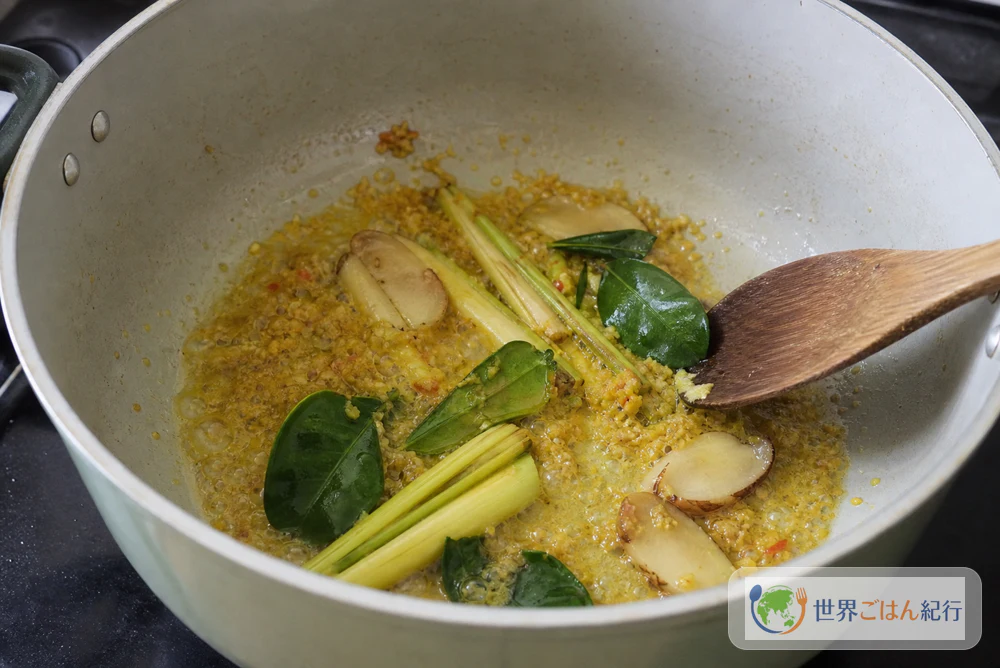
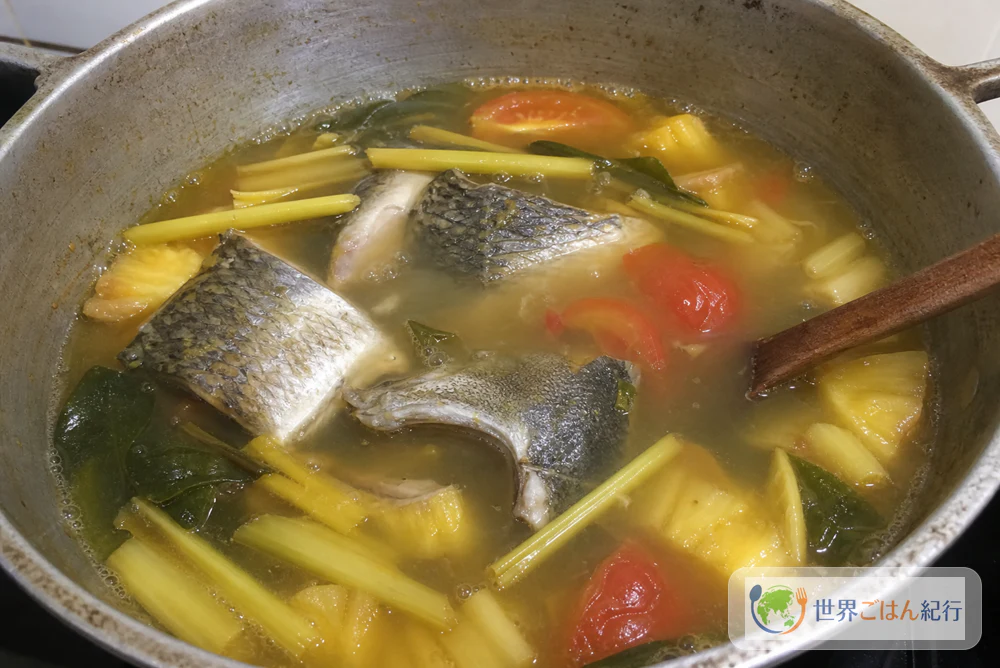
Pindang is not a dish that squeezes out savoriness by simmering fish for a long time. Get the aromatic paste and sour stock ready first, and put the fish in briefly at the end. Keeping the heat at a level where the surface of the pot quietly shivers keeps the broth clear and leaves the flesh of the fish in large pieces.
What is more likely to go wrong with pindang is not thin flavor but the fish breaking and the soup turning cloudy. After adding the fish, don't let large bubbles come up from the bottom of the pot. Lowering the heat and spooning the broth over the top leaves the flesh in larger pieces.
During simmering the sourness of the tamarind rounds a little. If it is unsatisfying at the finish, adding 1 tsp lime juice directly in the bowl lets you adjust without making the whole pot too sour.
Common Pindang Failures and Fixes
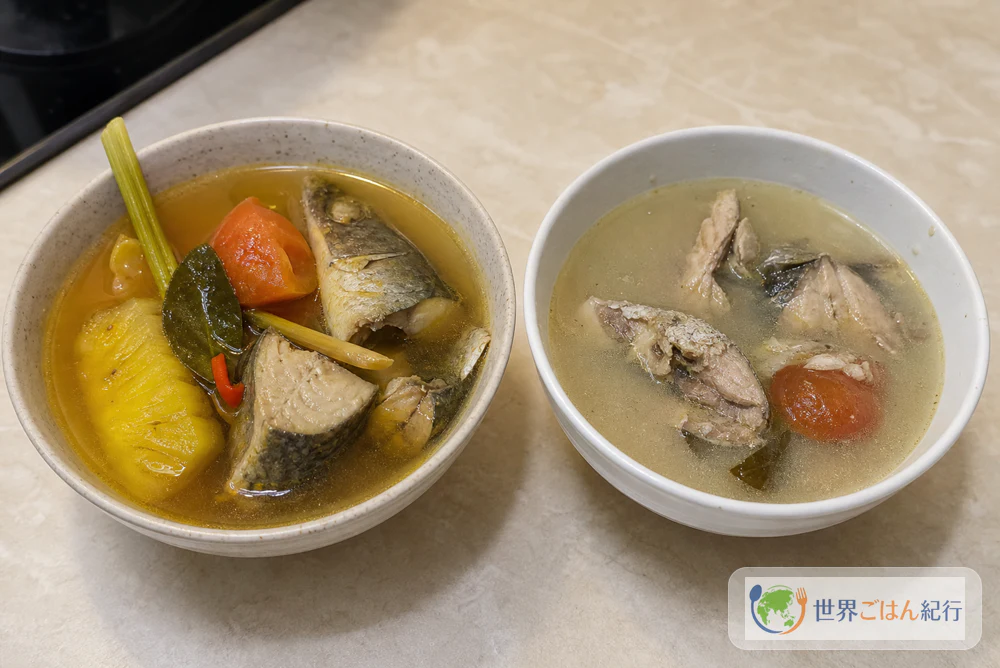
With pindang, the heat matters more than the ingredients. You can have every herb on hand, but if the soup boils hard after the fish goes in, the flesh splits, the broth turns grayish and the sourness drowns out everything else. If the heat is too low, though, the center of the fish doesn't warm through and the aroma goes dull. Make the aromatic stock first at a heat where it just shivers and bubbles, then slip the fish in gently at the end.
| Problem | Main cause | How to fix it on the spot |
|---|---|---|
| The soup turned cloudy | Boiled hard over high heat after adding the fish | Move only the large pieces to the bowls and lightly strain the broth through a sieve lined with paper towels |
| The fish broke apart | Turned partway, or pressed with a wooden spoon | Use the broken flesh to spoon over rice, and serve the large pieces on top |
| Too sour | Too much tamarind, or the pineapple is sour | Add 1/2 tsp raw cane sugar and ½ cup (100ml) hot water, and warm for 3 minutes over low heat |
| The aroma is weak | The herbs were put in with water without frying | Add 1/2 stalk lemongrass and 1 makrut lime leaf and warm 4 minutes over low heat |
| Fishy | Not prepared enough, or the fish isn't very fresh | Add 1 tsp lime juice in the bowl and serve a little sambal alongside |
Serving and Storing Pindang
How to eat it
Spoon it over white rice a little at a time, adding sambal in the bowl. For vegetables, cucumber, blanched greens or a light stir-fry go better than a rich side. For a fuller Indonesian table, serve it with sate ayam, the sweet grilled skewers, gado-gado, the warm vegetable dish, or soto ayam, the yellow chicken soup. They use the same herbs and sambal.
Storage and reheating
Pindang smells best freshly made, but it keeps in the refrigerator until the next day. Because it's a fish dish, don't leave it at room temperature. Move it to a shallow container as soon as the heat is off.
| Storage method | Guide | Notes |
|---|---|---|
| Refrigerator | Until the next day | Store the fish and broth together. Removing the herbs makes bitterness less likely |
| Freezer | Not suitable | The flesh of the fish splits, and the texture of the tomato and pineapple also drops |
| Make-ahead | The broth alone the day before | Make it up to the aromatic stock, and add the fish on the day you eat |
Reheat it in a small pot over low heat. The microwave tends to toughen the edges of the fish. Warm the broth first, then return the fish for just 2 to 3 minutes.
Frequently Asked Questions
Q1. Can I make it on a day without tamarind?
Yes. Mix 1 tbsp lemon juice, 1 tsp rice vinegar, 1/2 tsp raw cane sugar and 1 tbsp water and use that instead. The sourness won't be quite as round, so taste at the end and add it a little at a time.
Q2. Is pineapple essential?
No. It adds a sweet-sour quality that cuts the richness of the fish. If you leave it out, add 1 more tomato and just 1/2 tsp raw cane sugar to keep the balance.
Q3. Can I make a pindang that isn't hot for children?
Yes. Leave out the red chili and add sambal only to the adults' bowls. The turmeric, lemongrass, galangal and makrut lime leaves still carry the aroma, so it holds up as a sour fish soup without the heat.
Q4. How do I judge whether the fish is cooked?
It's done when the center of the flesh is white and opaque and breaks into large flakes when pressed lightly. If you have a thermometer, aim for 145°F (63°C) at the center. If you can't tell by looking, break open the thickest piece to check.
Sources
- Wikipedia: Pindang - Checked the outline of Indonesian pindang and its spread as a dish that cooks fish or meat with salt and aromatics.
- Wikipedia: Palembang cuisine - Checked the context of Palembang cooking and the place of pindang patin.
- FoodSafety.gov: Safe Minimum Internal Temperatures - Checked the guide for the safe internal temperature of fish.