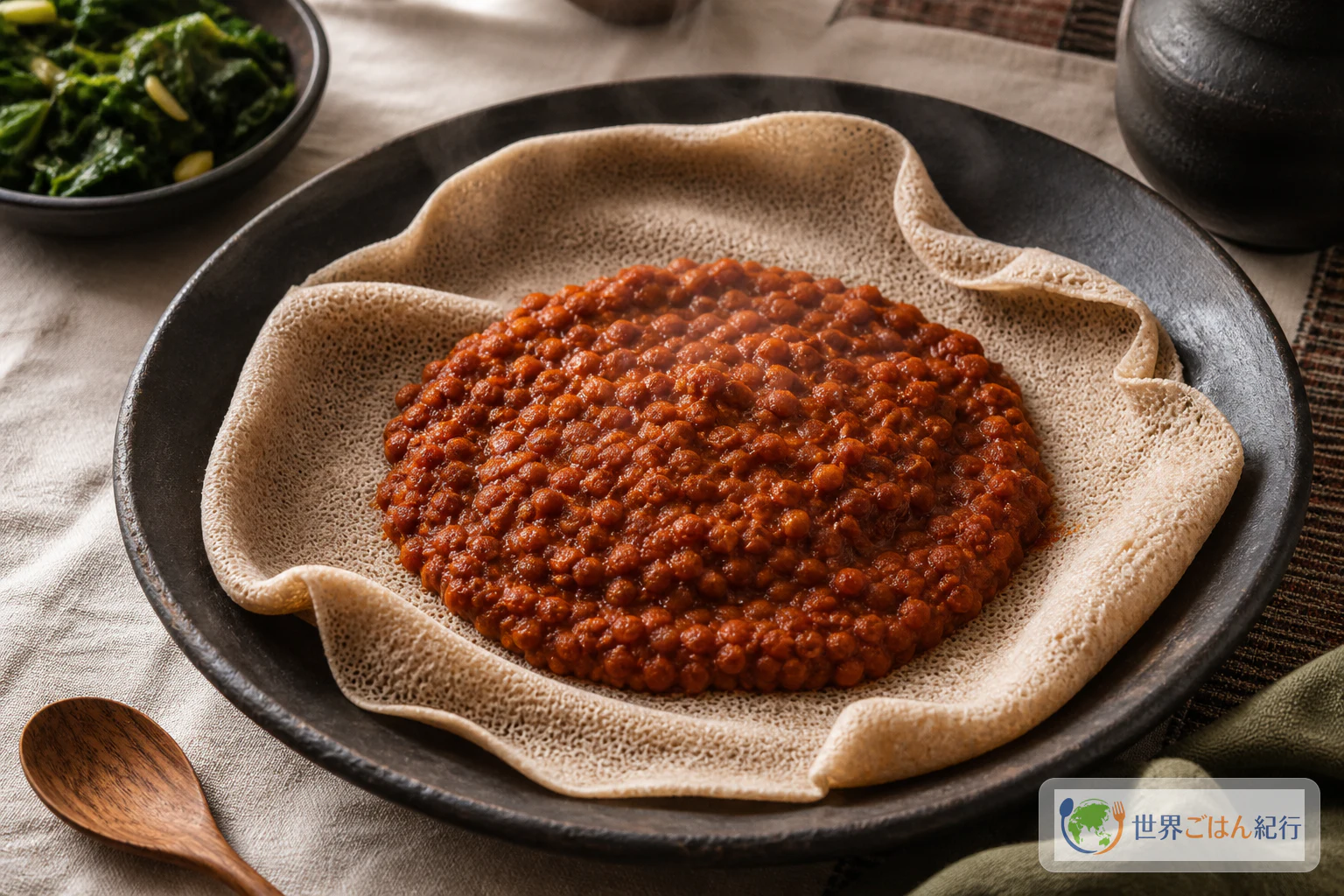
Berbere goes into a pot of slowly cooked onions, and red oil spreads across the surface. Once the garlic and ginger turn fragrant, a pale stream of chickpea flour whisked into water is poured in slowly. At first it looks like a thin, unpromising soup, but after a few minutes of stirring it thickens from the bottom of the pot, and a line drawn with a wooden spoon holds for a moment. That's when shiro wot is ready: a smooth, thick bean stew from Ethiopian and Eritrean kitchens, carried by the red aroma of berbere and meant to be scooped up with injera.
Shiro wot in Ethiopian and Eritrean cooking
Shiro wot (Shiro Wot / Shiro Wat / ሽሮ ወጥ) is a stew of ground legumes. Wot simply means stew. If chicken doro wot is the red star of celebrations, shiro wot is the thick bean stew that carries the everyday table. On Ethiopian Orthodox fasting days, meat, eggs and dairy are avoided, so shiro wot made with plant oil shows up on the table more often.

In Ethiopian kitchens, cooks use shiro powder: roasted chickpeas, fava beans, peas and other legumes, ground and combined with spices. Blends vary from cook to cook.
The stew itself comes in thin and thick versions. A thinner one, also called shiro fesses, is good for soaking into injera. A thick version simmered down in a small clay pot, its bottom slightly toasted, leans toward tegamino. For a first try at home, aim for a medium, spoon-coating thickness; it pairs easily with bread or rice.
Ingredients and shopping
Shiro wot looks like it has few ingredients, but the two that cause the most hesitation at the shop are the legume flour and the berbere. Besan from Indian cooking works in place of chickpea flour. Berbere heat differs a lot from brand to brand, so the first time, start with 1.5 tbsp and add more at the end.

Chickpea flour is not suitable for people with legume allergies. Store-bought berbere and shiro powder may contain wheat, nuts, sesame or dairy, so check the label. To make it in the style of Ethiopian Orthodox fasting days, skip niter kibbeh and butter and use only plant oil.
Ingredients worth seeking out
The quality of the berbere changes the impression of shiro wot as much as the chickpea flour does. Rather than making do with a chile powder that only brings heat, get berbere first and fill in any missing aroma with paprika or fenugreek; you can then use it in other Ethiopian dishes too.
Choosing flour, oil and berbere for shiro wot
Shiro powder can be hard to find, so this recipe uses chickpea flour, sold as besan at Indian grocery stores and online. What matters is the smooth thickness of the legume flour, the red aroma of berbere, and a consistency you can scoop with injera. The type of legume flour, the oil and the heat level are all yours to adjust.
Kinako (Japanese roasted soybean flour) has an aroma too close to sweet soybean confections, so it isn't recommended as a substitute. If you grind dried chickpeas in a home mill, coarse particles tend to remain, so sift the flour and save the coarse bits for another dish.
Berbere brands vary a lot in heat. If you follow how to make berbere and blend your own, you can tone down the heat while keeping the aroma.
| Question | Keeping it true to Ethiopia | A home-kitchen compromise |
|---|---|---|
| Legume flour | Shiro powder is legume flour combined with spices | Layer berbere and aromatics onto 4 oz (120 g) besan |
| Oil | Plant oil for fasting days, niter kibbeh for a richer version | Plant oil the first time. Once used to it, 2 tsp niter kibbeh at the end |
| Heat | Berbere is the core of the aroma, but brands vary a lot | Start with 1.5 tbsp and add mitmita or chile at the table |
| Thickness | A consistency you can scoop with injera is easiest to eat | It firms up as it cools, so keep it slightly loose just before turning off the heat |
| Acidity | It assumes the tang of injera | On rice days, add just a little lemon juice |
Method: whisk the flour before it goes into the pot
The most common mistake with shiro wot is adding the flour straight to the pot and getting lumps. Here, the flour is whisked into water first and poured into the red base in a thin stream. Keep the heat between low and medium and simmer while scraping the bottom, and you'll get a smooth bean stew.
Fixing lumpy, thin or scorched shiro wot
Never sprinkle chickpea flour straight into the pot; always whisk it into water first and pour it in a thin stream. Simmering over low heat while scraping the bottom prevents both lumps and scorching.
If lumps form, don't panic and turn up the heat. Turn off the heat, add 3.5 tbsp–½ cup (50–100 ml) water and whisk for 1 minute. Press any large lumps that remain through a sieve back into the pot. It won't be quite as smooth as before, but you'll notice far fewer bits when eating.
If it's too thin, simmer over medium-low heat for 5 minutes rather than boiling it down fast over high heat. Legume flour scorches easily on the bottom, and the burnt bitterness spreads through the whole pot.
If it's too thick, add boiling water a little at a time. Cold water drops the temperature and brings back a raw, floury taste, so use boiling water when reheating, too.
Serving shiro wot
Shiro wot makes the most sense spread over injera. The tang of the injera cuts the heaviness of the beans and softens the heat of the berbere. Lay injera on a plate, pour a round of shiro wot in the center, and set greens or another legume dish such as misir wot alongside, and you're close to a home-style fasting-day plate.

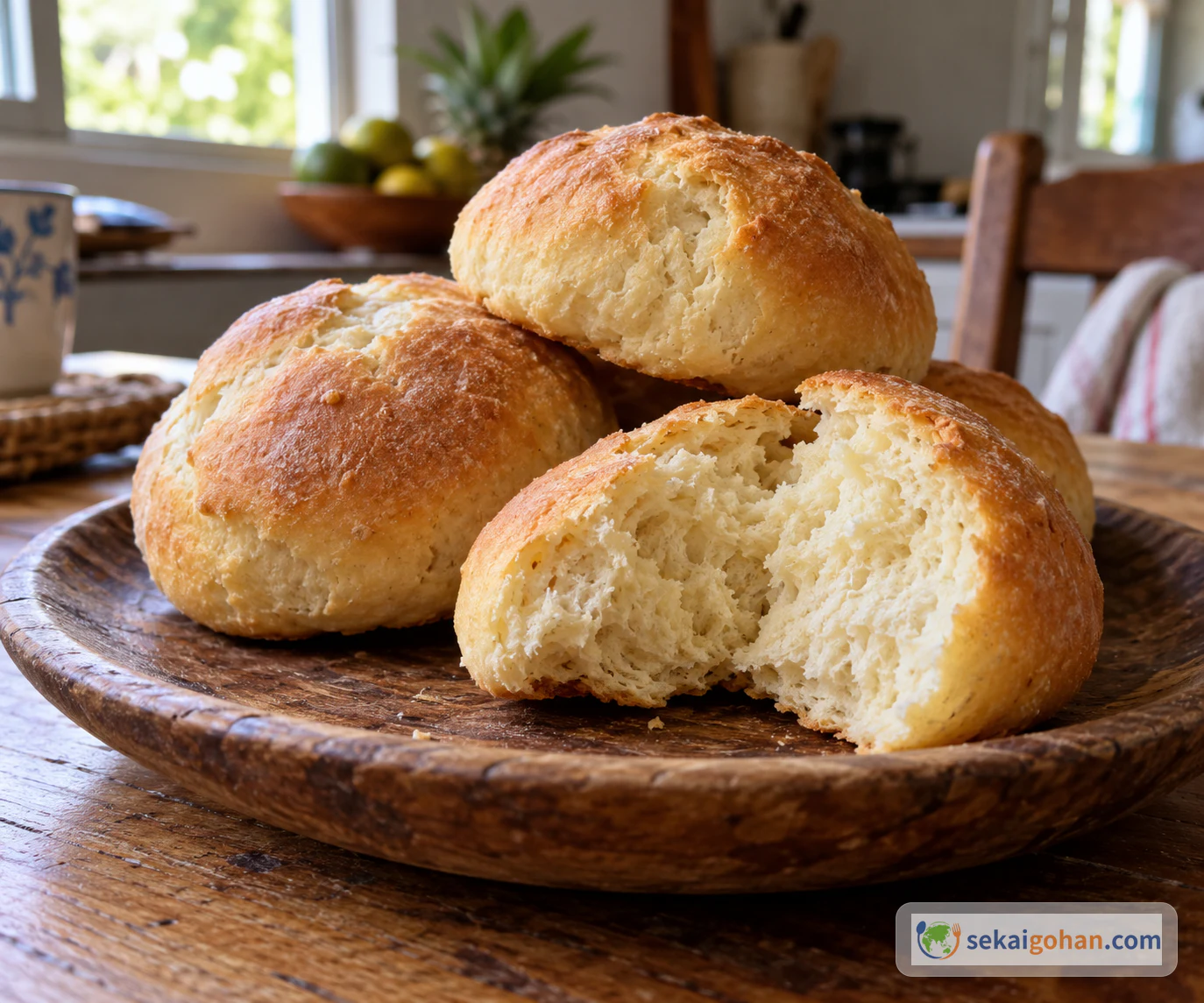
If you plan to make your own injera, read through it first so the timing works out. On days without time for a fermented flatbread, plain white rice, baguette, thin buckwheat crepes or a tangy rye bread all work. Without the tang of injera the beans feel heavier, so add 1 tsp lemon juice at the end and serve greens or a tomato salad on the side. For at least the first bite, though, eat it as if you were wiping the shiro off the side of the pot with bread. The bean aroma comes through more closely than with a spoon.
To add meat to the table, tibs or doro wot work well, and Eritrean zigni makes a good companion among spicy red stews. Or set it beside Indian chana masala: the same chickpea, ground into flour in one kitchen and simmered whole in the other.
FAQ
Q1. What can I use if I don't have chickpea flour?
The closest is besan, a finely ground chickpea flour sold at Indian grocery stores and online shops. Avoid kinako, whose sweet soybean aroma doesn't suit the dish.
Q2. Can I use store-bought shiro powder instead of chickpea flour?
Yes. Replace the 4 oz (120 g) chickpea flour with the same amount, and start with half the berbere, since shiro powder already contains ground spices and aromatics. With chickpea flour alone, it's the berbere, garlic, ginger and tomato paste that fill in that aroma.
Q3. What if the berbere is too spicy?
Next time, cut the berbere to 1 tbsp and fill in the aroma with 2 tsp paprika and a little fenugreek. For a pot that's already too hot, whisk 1 tbsp chickpea flour into ¼ cup (80 ml) water, add it and simmer over low heat for 5 minutes to round off the heat a little. Absorbing it with legume flour and oil keeps the character of shiro wot better than sweetening it with sugar.
Q4. How should I store and reheat it?
Let it cool slightly, transfer it to a shallow container and refrigerate for up to 2 days. To reheat, put it in a small pot, add 2–4 tbsp boiling water and warm over low heat for 3–5 minutes. In the microwave, heat at 600 W in 1-minute bursts, stirring well each time. It can be frozen for about 2 weeks; after thawing it turns a little floury, so add boiling water and 1 tsp oil to bring back the smoothness.
Q5. What should I avoid if I'm making it as a fasting dish?
To keep it close to Ethiopian Orthodox fasting days, skip butter, niter kibbeh, meat stock and dairy, and make it with plant oil and water. If you're serving someone with strict religious dietary rules, ask them which oils and seasonings they can have.