On a summer day when you don't want to stand over the stove, a yellow causa from the refrigerator changes the mood of the table. Put a fork in, and the layers of yellow potato, avocado, and chicken part cleanly. It is potato, yet not heavy; there is mayonnaise in the filling, but lime keeps the finish light. Causa limeña is Lima's signature cold potato dish, and it sits somewhere between a cold appetizer and home cooking. The flavor rests on the aroma of yellow chile and lime.
About Causa Limeña
Yellow potatoes are boiled and mashed, then worked with ají amarillo, lime, oil, and salt into a dough that is layered with chicken or tuna, avocado, hard-boiled egg, and black olives. The nearest familiar thing is potato salad shaped like pressed sushi. Get three things right (a smooth dough, bright acidity, and the yellow aroma of the chile), and cold potato becomes causa rather than make-ahead mashed potato.
The Spanish spelling is causa limeña. You will also see "causa rellena" ("filled causa"); rellena means "stuffed" or "with filling," and a causa layered with chicken or tuna is often called causa rellena.
The Origin of Causa
Peru has an Andean potato culture, and the potato is the base of much of its cooking. In causa it forms the outside of the dish, the backbone of the flavor, and even its color. Where the dish comes from is debated. One theory says that during the independence movement, women raised funds for soldiers by selling boiled potatoes seasoned with ají amarillo. Another says it was sold during the War of the Pacific with the cry "para la causa" ("for the cause"). A third ties the name to the Inca-era word "kausaq" ("that which sustains life").
Causa Among Peruvian and South American Dishes
Among Peruvian dishes, causa is easier than ceviche, which needs sashimi-grade fish, and easier to make ahead than lomo saltado, which is stir-fried over high heat. Its starch layers differently from tacu tacu, which binds beans and rice into a toasty cake, so it fits a menu that moves from a cold appetizer to a hot dish. Keep it in mind for potlucks, holiday starters, and as something to set before a meat course. For the bigger picture, the overview of Peruvian cuisine covers ceviche, lomo saltado, and how yellow chile is used.
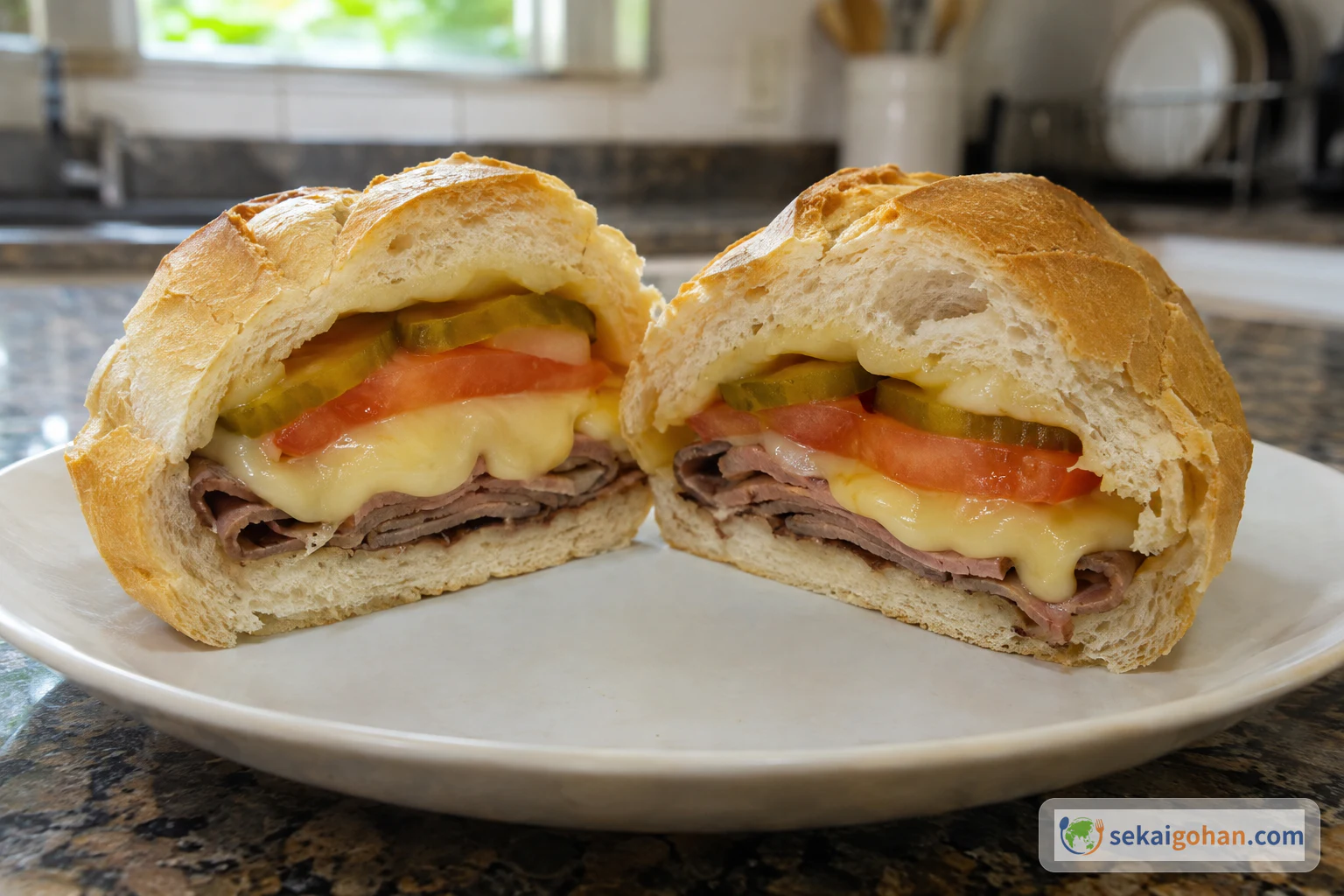
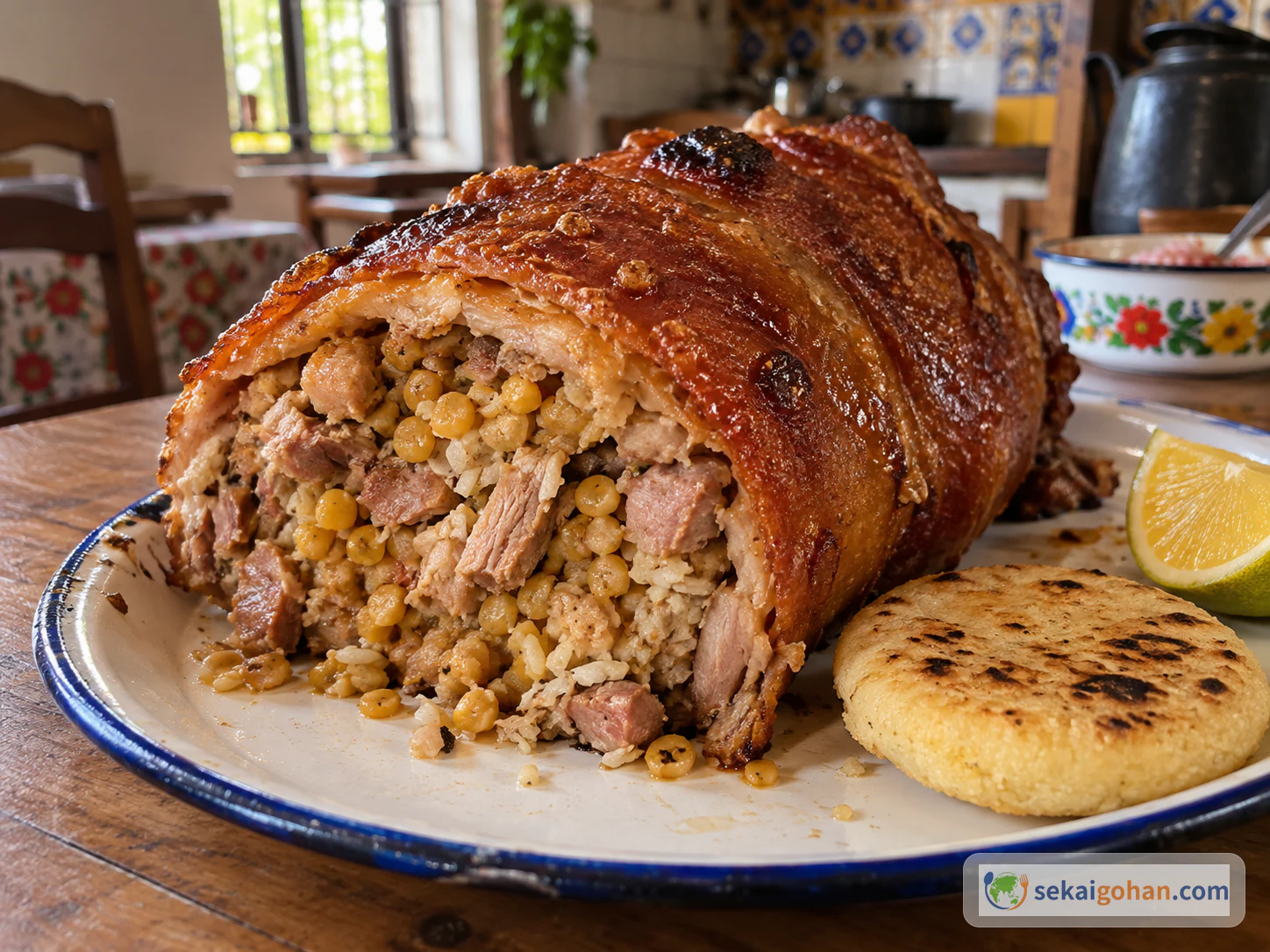
Many South American home dishes put the staple food at the center of the plate. Set causa beside Colombia's ajiaco, thickened with three kinds of potato, Chile's pastel de choclo, which bakes corn into a crust, and Paraguay's chipa guasu, and it's easy to see that South American food is not only about meat. If you like the pairing of chicken and avocado but want it with bread, Venezuela's reina pepiada is a close relative.
Ingredients (serves 4)
This recipe contains egg, chicken, mayonnaise (check the label for soy), and fish if you use tuna. Cook the chicken through to the center, don't leave it at room temperature for long after shredding, and refrigerate it soon after it cools a little. If you bring it to a gathering, use ice packs.
Choosing Ingredients for Causa

Outside Peru, the two hard things to find are the potatoes and the ají amarillo. The potato matters most: the most common failure in causa comes from it, not the filling. With a watery potato, the layers sag however long you chill them, and a waxy potato's stickiness, usually an advantage, works against you here. Choose a floury potato, yellow-fleshed like Peru's papa amarilla if you can find one.
Ají amarillo paste is worth buying if you can, usually from an international grocery or online. In causa you taste the yellow potato dough itself, so unlike in lomo saltado, the chile isn't hidden behind soy sauce and meat. On days with no paste, roast yellow bell peppers and combine them with chile and lime into the ají amarillo substitute sauce; about 2 tbsp brings the color and aroma close enough. Once you have the yellow heat and shaping tools, they carry over to other Peruvian dishes too.
For the oil, vegetable oil is standard; rice bran, light sesame, or any neutral oil works. Olive oil is strong, so use it sparingly.
| Ingredient | Best | Substitute | Avoid |
|---|---|---|---|
| Potato | Floury, yellow-fleshed | Any floury potato | Waxy potatoes, or only new potatoes |
| Ají amarillo | Paste, frozen chiles | Yellow bell pepper substitute sauce | Hot sauce alone, or chile flakes alone |
| Acidity | Lime | Lemon + a little rice vinegar | A lot of plain distilled vinegar |
| Filling | Chicken breast, tuna, shrimp | Tenderloin, imitation crab, white fish | Wet deli salads |
| Garnish | Black olives, hard-boiled egg, lettuce | Capers, parsley | Large amounts of watery tomato |
Fillings for Causa
Fillings are flexible. One classic is chicken, carrot, green peas, and mayonnaise; another is avocado, tomato, egg, and crab or shrimp. Choose fillings that don't release liquid, and let the yellow potato dough be the star.
| Filling | When it suits | Watch for |
|---|---|---|
| Chicken | When you want a meal, or kids are eating | Dry if overcooked. Adjust with mayonnaise and lime |
| Tuna | When you are cooking from the pantry | Drain oil-packed tuna well. With water-packed, use a little more mayonnaise |
| Shrimp | When you want a showy appetizer | Pat dry after boiling. They smell fishy if left long |
| More avocado | When you want to lighten the meat | Discolors easily, so sprinkle with lime |
| Vegetables only | A light summer appetizer | Draw the water from cucumber and tomato before using |
Tuna has a more pronounced flavor than chicken, so a slightly heavier hand with black pepper pulls it together. With shrimp, cut them small, go lighter on the mayonnaise, and add more lettuce and avocado for a more appetizer-like result.
Tomato, cucumber, and onion-heavy salsa go well with causa, but inside the layers their water makes it collapse. If you use them, remove the seeds, salt them, pat them dry, and use only a little. If you want plenty, serve them on a separate plate.
How to Make Causa: A Causa That Doesn't Collapse Is Decided by Moisture Control
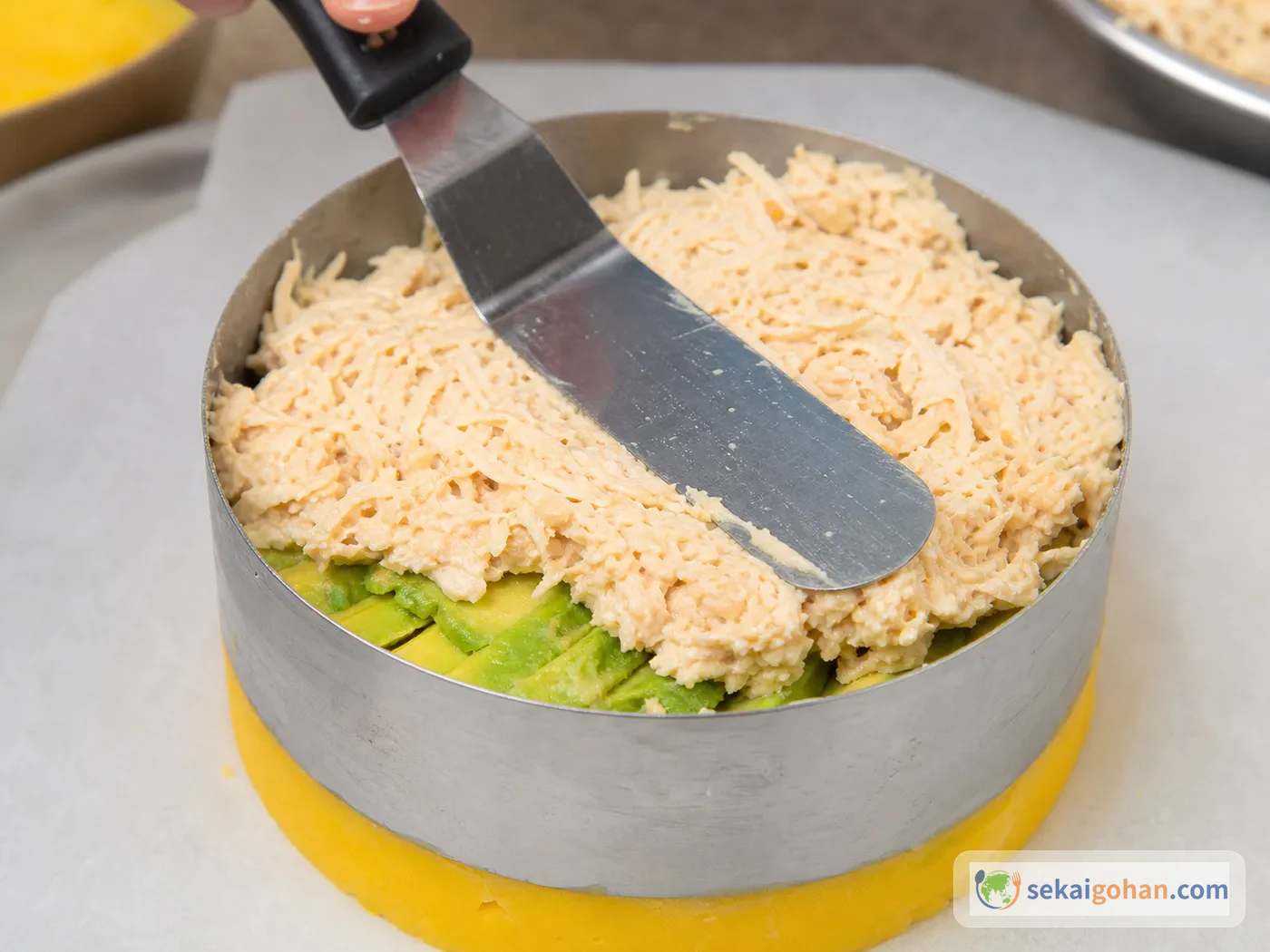
If you have no round mold, line a storage container with plastic wrap and make a rectangle. Shape it like pressed sushi, chill it, and turn it out. You can also cut a paper cup into rings for small molds, but never put hot dough in, and make sure no paper smell transfers.
Common Causa Failures and Fixes
When causa doesn't come out right, suspect moisture before adding salt. With a cold dish you want to add seasoning, but the more you add to a loose dough, the more easily it collapses. Review in this order: moisture first, then acidity, then salt and heat.
Eaten right after making, the acidity and oil of the potato still stand apart. Chilled in the refrigerator for at least 1 hour, ideally 2, the potato dough firms up and the layers hold when cut.
The Cross-Section Collapses
The cause is moisture: the potatoes were boiled peeled, overboiled, or waxy, the filling wasn't drained, or the chilling time was short. If the dough is already loose, leave it uncovered in the refrigerator for 20 minutes, or mix in a little dry instant mashed potato. Breadcrumbs soak up moisture too, but they take the flavor in another direction, so keep them as a last resort.
Too Sour
Causa's acidity mellows a little as it chills, so if it's only slightly sour when freshly made, just chill it. If it's clearly too sour, add some reserved potato dough and work in 1 tsp oil. Sugar pushes it toward potato salad; use a pinch at most.
The Flavor Is Dull
Usually there isn't enough salt and ají amarillo. Cold dishes taste weaker than hot ones, so the dough should seem a little strong before shaping. Fixing it with salt alone makes it heavy; adjust the balance of lime, yellow heat, and oil instead.
Mayonnaise Dominates
Too much mayonnaise makes the filling read as potato salad. Start with the smallest amount that holds the chicken or tuna together and add by the teaspoon if needed. A tangy mayonnaise suits causa, as long as it doesn't take over.
Serving and Storing Causa Limeña

Serving Temperature and Size
Straight from the refrigerator, causa cuts easily but its aroma is a little closed. Take it out 5 minutes before serving and add the egg and olive garnish at the last moment, and the acidity of the potato and the aroma of ají amarillo come up. For an appetizer, use small round molds of 8–10 cm in diameter; as the star of a holiday lunch, make a rectangle and cut thick slices.
Causa on a Peruvian Table
Acidic, cold, and yellow, causa steadies a meal of strongly flavored dishes. Next to ceviche, make it with chicken so the seafood doesn't overlap. With lomo saltado as the main, keep the causa small, and even potatoes next to potatoes won't feel heavy. The same goes for meat days in general: alongside lomo saltado's french fries or churrasco's farofa the starch doubles up, so serve one small slice as a starter, let its acidity whet the appetite, then move on to the hot dish. That's the rhythm of a Peruvian meal.
Further afield, causa makes an interesting starter for Brazil's feijoada or churrasco, where a cold potato before the meat resets the palate. The overview of South American cuisine traces each country's staples, meat dishes, and fish dishes.
| Occasion | Combination | Why |
|---|---|---|
| Summer holiday lunch | Causa, ceviche, iced tea | Little time at the stove, light with acidity |
| A Peruvian food day | Causa, lomo saltado, white rice | Builds the flow of appetizer, stir-fry, staple |
| Starter before a meat dish | Small causa, churrasco, vinagrete | A cold starter contrasts with charcoal-grilled meat |
| Potluck | Rectangular causa, lettuce for serving | Easy to portion and holds its looks |
Storage and Making Ahead
Causa is good for making ahead, but with mayonnaise and chicken inside, it needs to stay cold. Once shaped, it's at its best in the refrigerator through the next day. Leftovers keep about 2 days refrigerated and should be eaten within 3 days at most. Anything that has sat out on the table for a long time should not go back in the refrigerator.
For a potluck, the most reliable approach is to make the potato dough and filling the day before, refrigerate them separately, and layer them that morning. If you shape it ahead, press plastic wrap against the surface, keep it away from strong-smelling food, and garnish with the egg and olives just before eating. Avocado discolors easily, so sprinkle the cut surface lightly with lime.
Freezing isn't recommended: the potato dough turns grainy when thawed, and the mayonnaise filling separates. Leftovers can become a different dish the next day, though. Roll them into small rounds, dust lightly with potato starch, and pan-fry them; you lose causa's cold texture, but nothing goes to waste.
Frequently Asked Questions
What can I use if I don't have ají amarillo paste?
A substitute sauce made by roasting yellow bell peppers and blending them with a little chile, lime, oil, and salt is the easiest option. Chile flakes add heat, but in causa the yellow color and fruitiness matter, so chile powder alone leaves the flavor flat. The detailed proportions are in the ají amarillo substitute sauce.
Can I cook the potatoes in a microwave?
Yes. They absorb less water, so shaping is actually more stable. Wash the potatoes, wrap them in plastic wrap, and microwave at 600 W for about 8–10 minutes, turning them over partway. An underdone core leaves lumps when mashed, so check with a skewer, then peel while hot and mash right away.
How much should I use if I make it with canned tuna?
For 2 cans of tuna, use 1/4 onion, 3 tbsp mayonnaise, 2 tsp lime juice, and a little salt. Drain oil-packed tuna well; squeeze the water out of water-packed. Because tuna has a strong flavor, a slightly thicker layer of avocado rounds out the whole.
Can I pack it in a lunch box?
Only where you can keep it cold; it isn't suitable for a lunch carried at room temperature. Because it contains mayonnaise and chicken, use ice packs and an insulated bag, and don't leave it outdoors for long. In summer, it's safer to keep it for home appetizers and potlucks.
Can I make it vegetarian?
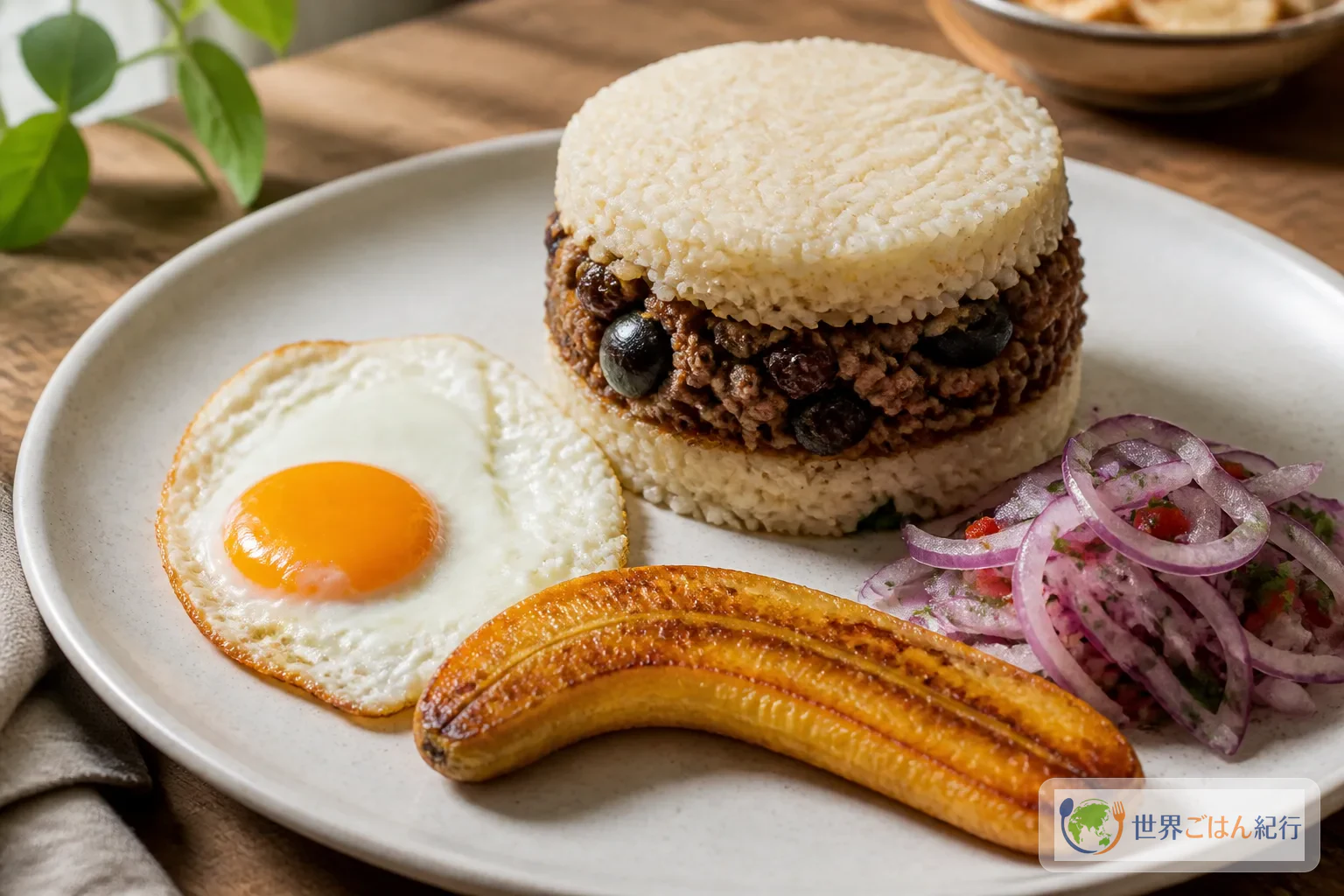
Yes. Use well-drained beans, avocado, cucumber, tomato, and corn in place of the chicken, and switch to an egg-free mayonnaise. Salt the watery vegetables and drain them lightly, and don't overfill the center of the layers. Served with bean dishes such as the black beans of pabellón criollo or the bean-and-rice dish waakye, it can anchor a meatless South American and West African menu.
Sources
For the history we gave priority to official Peruvian information, and we checked home-cooking amounts and storage sense against several recipe sources. In the text, the decisions about potato, heat, acidity, and shaping are written so they can be reproduced in any home kitchen.
- Peru.info. "Causa limena: asi nacio este historico y delicioso plato peruano." https://peru.info/es-pe/gastronomia/blogperu/2/13/causa-limena--asi-nacio-este-historico-y-delicioso-plato-peruano (accessed May 2026)
- Peru.info. "Causa Limena." https://sites.peru.info/es-pe/platos-bandera/det/causa-limena (accessed May 2026)
- TVPeru. "Aprende a preparar causa rellena." https://www.tvperu.gob.pe/novedades/con-sabor-a-peru/aprende-a-preparar-causa-rellena (accessed May 2026)
We also cross-checked home-cooking amounts, storage, and English-language explanations against these sources.
- The Washington Post. "Causa Limena." https://www.washingtonpost.com/recipes/causa-limena/ (accessed May 2026)
- Eat Peru. "Causa Limena de Pollo." https://www.eatperu.com/causa-limena-de-pollo/ (accessed May 2026)