The moment you unwrap the banana leaf, steam rises from the sticky rice, carrying the scent of coconut milk and lemongrass. Inside is sweet and savory shredded chicken. Lemper looks a bit like an onigiri, but the cling of the grains, the aroma of the leaf and the dry umami of the chicken set it apart. It's an Indonesian snack you can eat with one hand.
About lemper

Lemper is found all over Indonesia: sticky rice seasoned through and wrapped around a filling such as chicken, fish, abon (meat floss) or serundeng (toasted coconut), then rolled in banana leaf. The version with shredded chicken is called lemper ayam. You'll see it as a market snack, a potluck dish, celebration food and a bite on the road. It sits somewhere between a meal and a snack.
Despite the resemblance to onigiri, lemper is closer to a steamed dish than to cooked rice, and infusing the rice with coconut milk is what sets its flavor. If nasi uduk is a breakfast in which coconut perfumes the whole pot of rice, lemper shuts shredded chicken inside sticky rice. And unlike a grilled skewer such as sate ayam, its aroma comes from the leaf and the steam.
In Indonesian, ketan is sticky rice and ayam is chicken. Lemper ayam means lemper wrapped around shredded chicken.
Making lemper at home
At home, the two things to control are the moisture of the rice and the dryness of the filling. Rice that is too soft gets crushed when you wrap it, and chicken that is too wet makes the cut surface weep. So the soaked sticky rice is steamed once, mixed with hot coconut milk, salt and lemongrass, then steamed again so the grains settle. The chicken is simmered with shallot, garlic, candlenuts, pepper, coriander, coconut milk and kaffir lime leaves and cooked down until no liquid remains at the bottom of the pan.
The banana leaf is not for eating. It protects the aroma and moisture, and the green scent when you open the parcel is part of the fun. Sticky rice, coconut milk, dry shredded chicken and the aroma of the leaf are the four things that make it taste like lemper.
Ingredients (makes 8)
:::ingredients
Sticky rice and wrapping
| Ingredient | Amount | Substitutes & notes |
|---|---|---|
| Glutinous (sticky) rice | 14 oz (400 g) | Either Japanese-grown or Thai sticky rice works |
| Water | Plenty | For washing and soaking the rice |
| Coconut milk | 1 cup (250 ml) | Shake the can well |
| Water | ½ cup (120 ml) | To thin the coconut milk |
| Salt | 1 tsp | For the rice |
| Raw cane sugar | 2 tsp | Rounds off the edges |
| Lemongrass | 1 stalk | Crush the bottom 4 inches (10 cm). 1 tsp if dried |
| Banana leaves | 8 (10-inch (25 cm) squares) | Frozen is fine. If none, parchment paper and aluminum foil |
| Vegetable oil | 2 tsp | Brush thinly on leaves and hands |
| Bamboo skewers or toothpicks | 16 | To fasten both ends |
Shredded chicken filling
| Ingredient | Amount | Substitutes & notes |
|---|---|---|
| Chicken breast | 12.5 oz (350 g) | Skinless. Tenderloin also works |
| Water | 2½ cups (600 ml) | For boiling the chicken |
| Salt | 1/2 tsp | For the first boil of the chicken |
| Shallots | 2.75 oz (80 g) | 2 oz (60 g) red onion can replace |
| Garlic | 3 cloves | Minced |
| Candlenuts | 4 | 20 g cashews can replace |
| Galangal | 15 g | If none, 10 g ginger and a little lime zest |
| Ginger | 10 g | Thinly sliced |
| Ground coriander | 1 1/2 tsp | If whole seeds, crush lightly |
| White pepper | 1/2 tsp | Black pepper also works |
| Kaffir lime leaves | 3 | Optional. A little lime zest can make up for it |
| Lemongrass | 1 stalk | Crush the bottom 4 inches (10 cm) |
| Coconut milk | ½ cup (120 ml) | For the filling |
| Chicken cooking liquid | ½ cup (120 ml) | Returns the umami |
| Raw cane sugar | 1 tbsp | Keep the sweetness modest |
| Salt | 3/4 tsp | Adjust at the end |
| Vegetable oil | 1 tbsp | To sauté the aromatics |
This dish contains chicken and nuts. Check your seasonings: some contain wheat or soy. If you react to candlenuts or cashews, do not use them; make up only the body with 2 tsp toasted sesame seeds. Keep the chicken's cooking liquid and utensils separate before and after cooking.
Lemper ingredients and substitutes

Chicken and sticky rice from an ordinary supermarket are fine. What's worth seeking out are the leaves for wrapping, the aromatics, and a tool for chopping the aromatics finely. Authentic products aren't needed across the board; just keep the ingredients that give the aroma.
| What to buy | Priority | Role in lemper |
|---|---|---|
| Banana leaves | High | Give the green aroma and humidity when the parcel is opened |
| Kaffir lime leaves | High | Add a citrus outline to the chicken and keep the sweet-savory note from getting heavy |
| Galangal | Medium | Adds a firm, fresh aroma that ginger alone does not give |
| Lemongrass | Medium | Carries a green aroma through both the rice and the filling |
| Small food processor | Medium | Chops aromatics and nuts coarsely and evenly, smoothing the mouthfeel of the filling |
Banana leaves
Look for banana leaves at shops that sell frozen Asian ingredients. Leftovers can be divided and frozen for ayam pansuh and com lam, and if you've made ayam betutu, its leftover leaf and lemongrass can go straight into lemper. With no leaves at all, wrap the rolls in parchment, wrap the outside lightly in aluminum foil and steam. You'll get the shape but a weaker green scent, so don't skip the lemongrass in the rice.
Aromatics
Kaffir lime leaves keep the shredded chicken from drifting too far toward a sweet-savory soboro. They release their aroma as soon as you remove the rib and tear them, and a bag of frozen leaves will also serve for soto ayam and tom yum goong. Galangal works the same way: even a small amount pushes the filling toward Indonesian flavor, while ginger alone brings it closer to familiar soboro.
Lemongrass goes into both the rice and the chicken to keep the aroma steady. Dried works if you can't find fresh or frozen, but the portion in the rice spreads its aroma even in small amounts, so go easy. Warm the coconut milk with dried lemongrass in a tea-strainer bag so no fibers end up in the rice.
Chopping tools
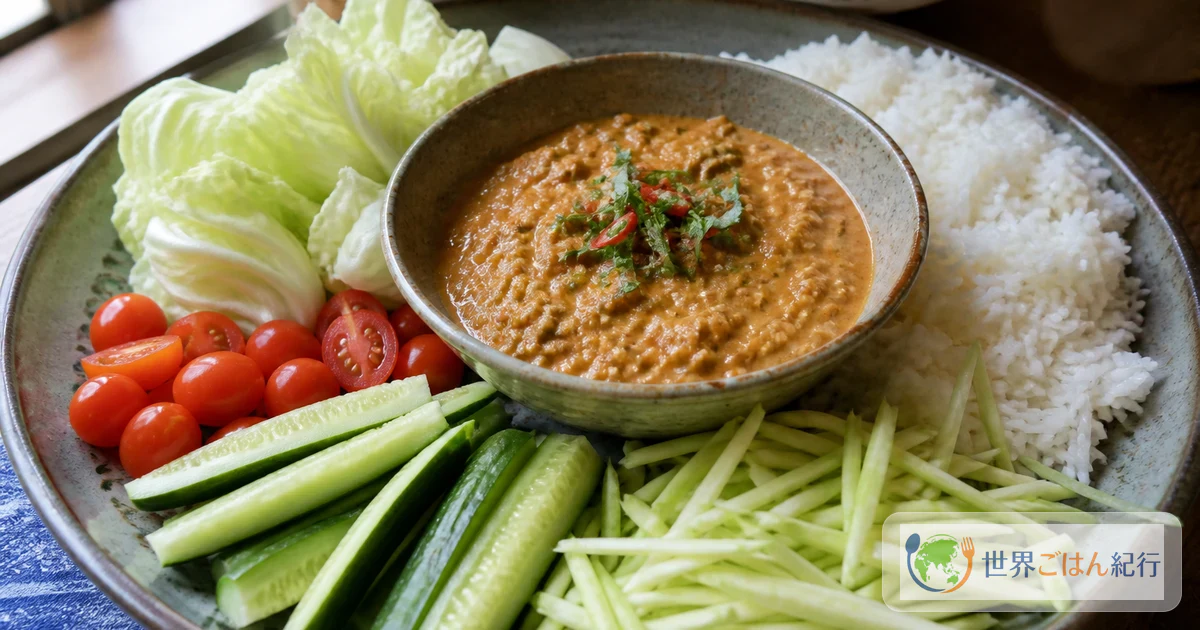
Chopping the aromatics with only a knife tends to leave the filling coarse. A small food processor smooths it out, and it earns its place for the sauce for gado-gado and a sambal substitute too.
Getting close to the local version
| Ingredient or step in doubt | Closer to local | Realistic at home | Direction to avoid |
|---|---|---|---|
| Rice | Steamed sticky rice, ketan | Japanese or Thai sticky rice | Making it with regular rice only |
| Rice seasoning | Coconut milk, salt, lemongrass | Thin canned coconut milk and let the rice absorb it | Cooking in a rice cooker with water only |
| Filling | Chicken, fish, abon and so on | The first time, shredded chicken breast | Putting in a wet filling |
| Wrapping leaf | Banana leaf | Frozen banana leaf. If none, parchment and foil | Steaming in plastic wrap and giving up the aroma |
| Aromatics | Lemongrass, kaffir lime leaves, galangal | Add two from whatever you can get | Moving it toward Japanese style with only soy sauce and sugar |
| Finish | Steam, or lightly grill | Steam, then briefly pan-sear | Cooking from the raw rice state by grilling alone |
Method: infuse the rice, and dry the filling before wrapping
Don't cook the sticky rice all at once in a rice cooker. Steam it, then let it absorb the coconut milk; this keeps the grains from being crushed. Dry the shredded chicken, not moist, until it holds together when pressed and releases no liquid.
Common lemper problems and fixes

Almost every problem with lemper comes down to moisture in the rice, the filling or the leaf.
| Problem | Cause | Fix |
|---|---|---|
| Sticky rice is gluey | Not drained enough after soaking, too much coconut liquid | Return to the steamer and steam 5 minutes over medium heat to drive off moisture |
| Rice has a hard core | Not soaked enough, weak steam | Sprinkle on 2 tbsp boiling water and re-steam 8 minutes over medium heat |
| Filling weeps | Liquid left in the shredded chicken | Return to the pan and cook 5 minutes over medium-low heat until the bottom of the pan is dry |
| Cracks when wrapping | Sticky rice got too cool | Warm 30 seconds at 600 W, brush your hands thinly with oil and roll |
| Leaf tears | Folded while cold, hard midrib | Warm with boiling water or the microwave, avoid the midrib and double it |
| Bitter when grilled | Scorched the leaf over high heat | Lower to medium and stop at a pale char |
Fix the rice and the filling separately rather than at the same time: steam soft rice back, and return a wet filling to the pan. Pressing hard while wrapping won't rescue either one; it only makes the roll heavy to eat.
Serving and storing lemper

How to serve lemper
Lemper is good warm, or at room temperature once the heat has gone off. Have it with sweet tea or coffee for breakfast, or add cucumber, tomato and a boiled egg for a light lunch. If you want heat, serve a sambal substitute in a small dish rather than putting it in the parcel, so everyone can adjust.
For an Indonesian menu, put lemper on the staple side, with soto ayam as the soup and a small portion of gado-gado for vegetables. On days you add a rich meat dish like rendang, keep it to 1 lemper so the meal doesn't get heavy.
Nutrition
| Guide per roll | Value |
|---|---|
| Energy | about 270 kcal |
| Protein | about 11 g |
| Fat | about 9 g |
| Carbohydrate | about 1.25 oz (36 g) |
| Fiber | about 1 g |
| Salt equivalent | about 1.4 g |
With sticky rice and coconut milk, lemper is more filling than it looks. For lunch, 2 rolls and a small dish of vegetables are plenty; as a snack, 1 roll is enough. Salt goes into both the filling and the rice, so add only a little sambal or sweet soy sauce at the end.
Storing and reheating
Lemper keeps in the refrigerator for up to 2 days: wrap it, leaf and all, in plastic wrap and store it in an airtight container. To freeze, wrap each roll separately and use within 2 weeks. The best way to reheat is 8 minutes in a steamer over medium heat with the leaf still on. In the microwave, set it on a heatproof plate in its leaf, sprinkle with 1 tsp water and heat at 600 W for 50 seconds to 1 minute 20 seconds. Thaw frozen rolls in the refrigerator for half a day before steaming so the center of the rice doesn't stay hard.
FAQ
Can I cook the sticky rice in a rice cooker?
You can, but the grains tend to turn soft and get crushed when wrapped. Use less water and spread the rice out as soon as it's done to let the heat escape. For the true grain feel of lemper, steam the rice and then let it absorb the coconut liquid.
Can I make it with something other than chicken breast?
Tenderloin, chicken thigh or a fish filling all work. Thigh releases more fat, so cook it down a little longer. For fish, boil and flake cod or tuna and increase the kaffir lime leaves and lemongrass so the fishy smell is less likely to come through.
Are candlenuts essential?
No. Candlenuts give the filling body, and cashews or macadamia nuts can replace them. To avoid nuts entirely, leave them out and make up for it with a careful reduction and densely shredded chicken.
Is it good cold?
You can eat it cold, but straight from the refrigerator the sticky rice is hard. Warm it in a steamer, or in the microwave with a little added water, and the texture comes back. A short reheat is safer than leaving it out at room temperature to soften.