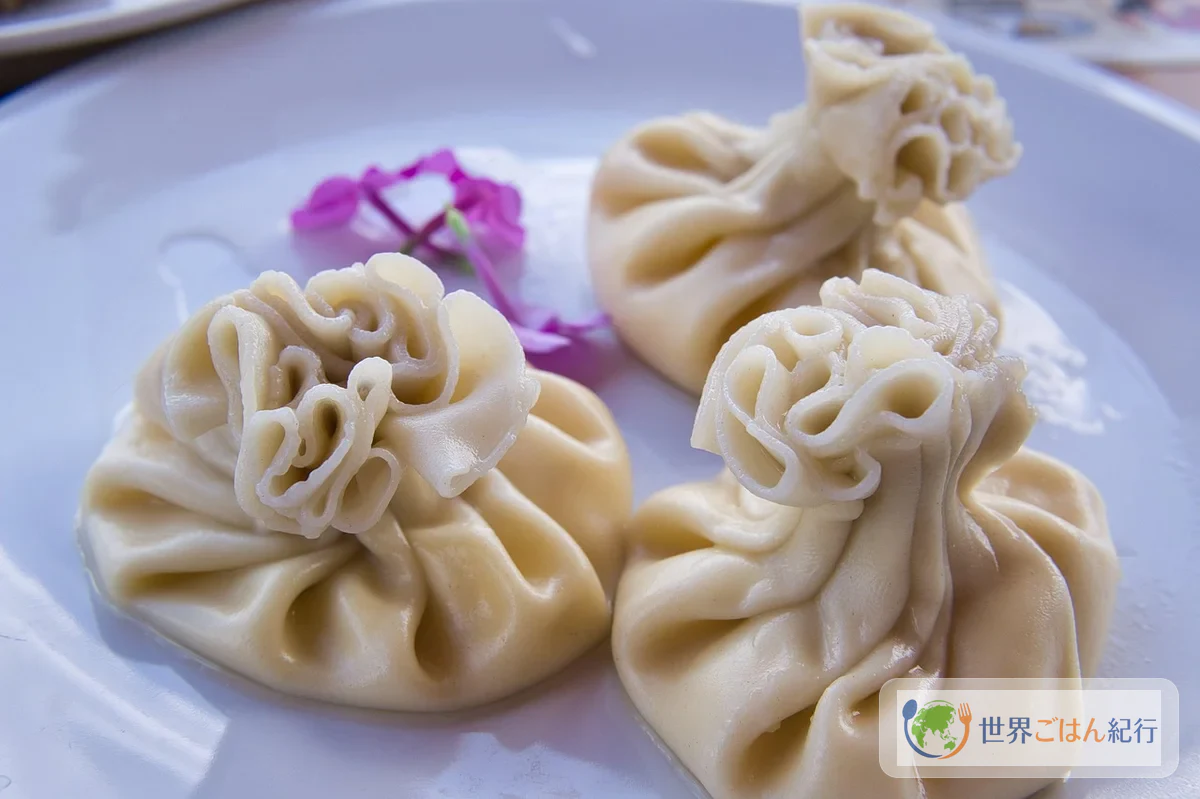
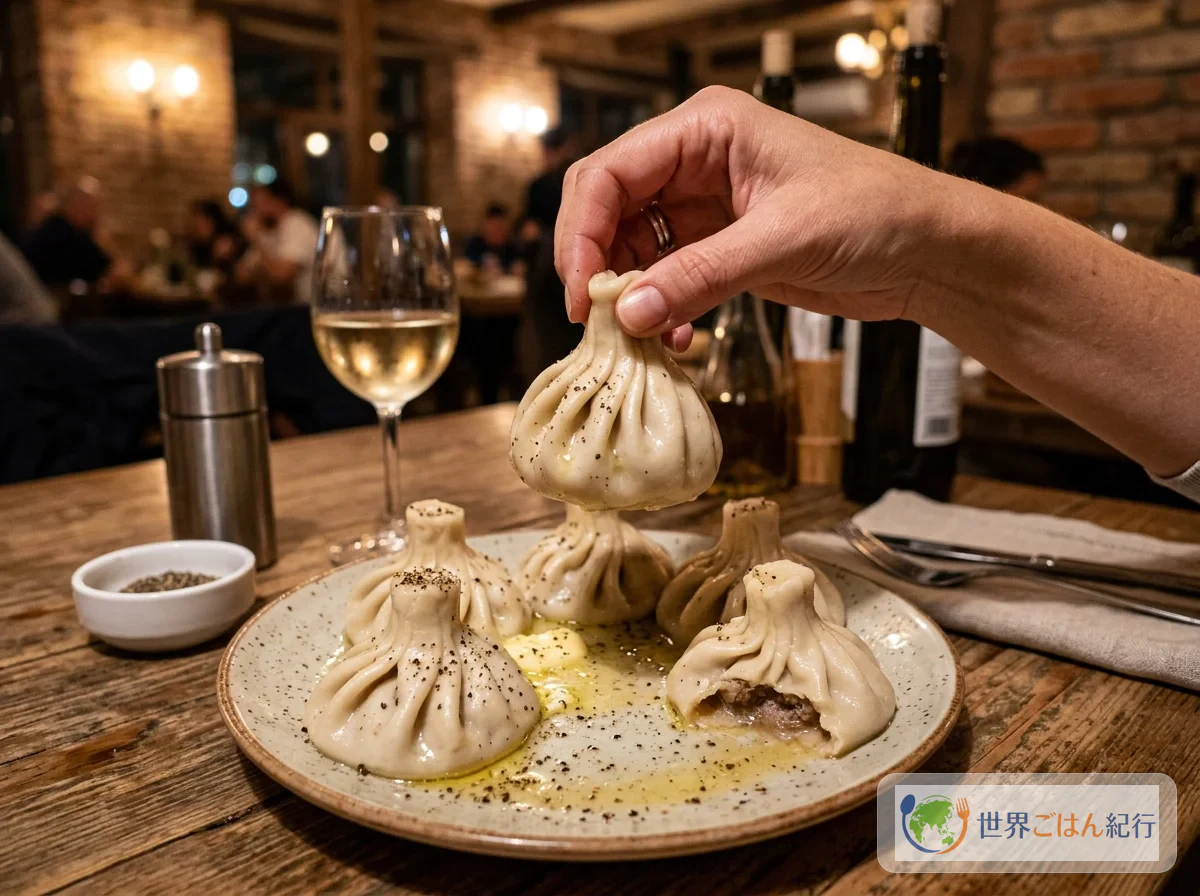
Pinch the top knot, lift the dumpling, and take a small bite from the edge. The hot broth sealed inside the thin dough floods your mouth. Khinkali (ხინკალი) are Georgia's signature dumplings, and together with khachapuri they are one of the two giants of Georgian cooking. They offer the same soup-dumpling pleasure as Shanghai xiaolongbao, but they are far bigger and heavier, with a plain, peppery seasoning.
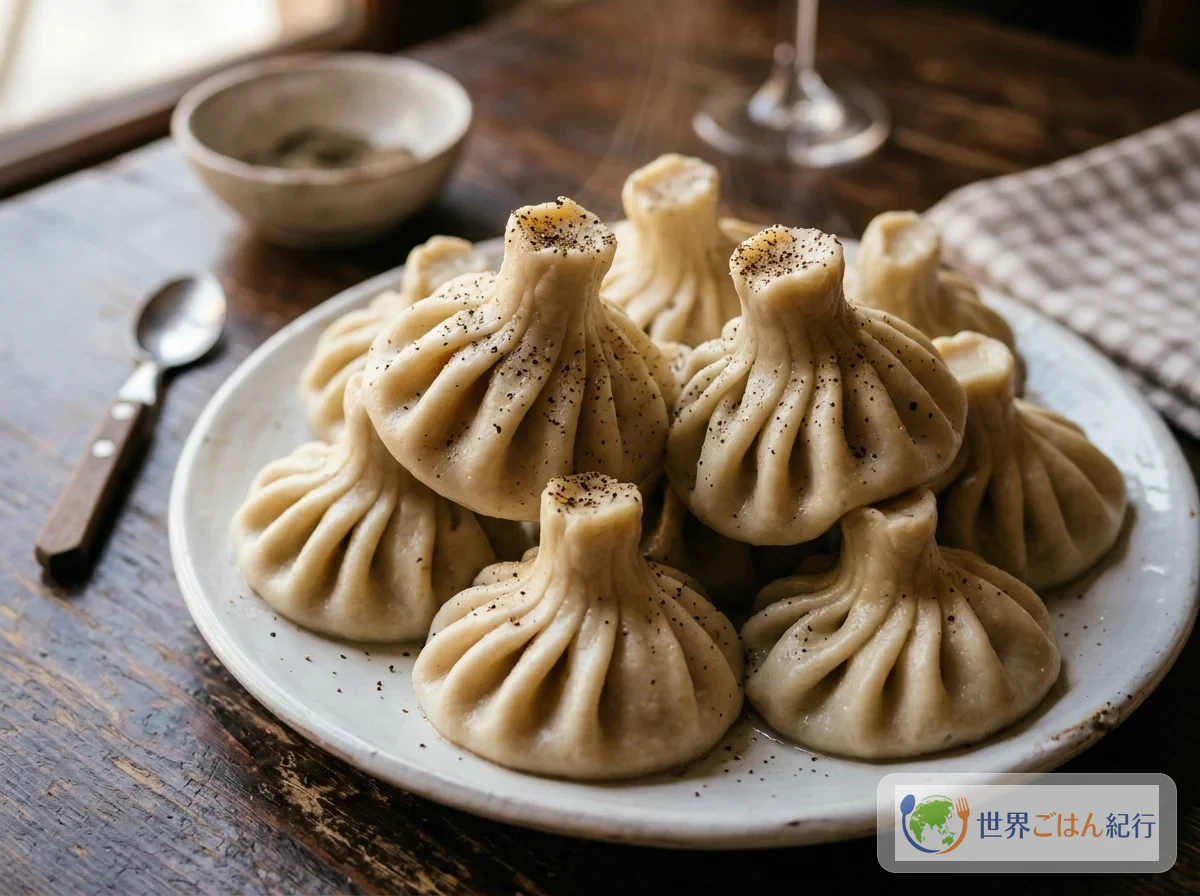
Khinkali, from Mountain Food to National Dish
Khinkali come from the northern Georgian highlands of Pshavi and Tusheti. High in the Caucasus Mountains, above 2,000 m, shepherds wrapped lamb and herbs in a flour dough and boiled them, so they could eat easily while herding. A dumpling you can hold in one hand, that keeps its broth in, and that is still good once it cools makes sense as mountain food. From the highlands, khinkali spread through Georgia and became a beloved national dish.
The pleats are where a cook's skill shows. More pleats make the dough thinner and more even, and they seal the broth in more securely. At home, 10–12 pleats are enough to make a delicious khinkali.

Khinkali's relatives
The idea of a "portable soup" sealed inside dough turns up across Eurasia, from Chinese xiaolongbao to Mongolian buuz (steamed meat dumplings). Here is how khinkali compare with their cousins.
| Dish | Country / region | In common | Difference |
|---|---|---|---|
| Xiaolongbao | China (Shanghai) | Soup sealed inside the dough | Steamed. Wrapped with chilled, gelatin-set broth |
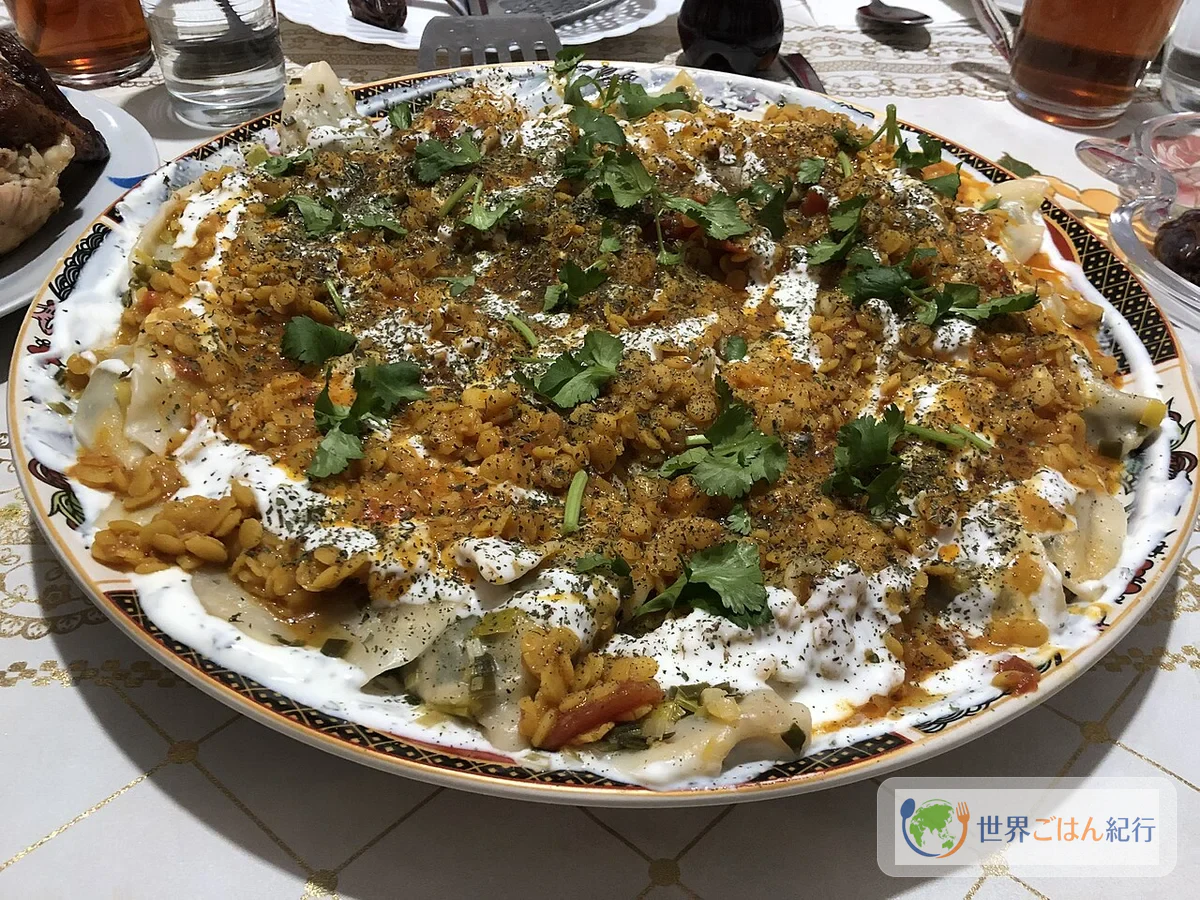
| Manti | Central Asia | Large meat dumplings | Steamed. Eaten with a yogurt sauce |
| Pelmeni | Russia | Meat wrapped in flour dough and boiled | Less than half the size of khinkali. Eaten with smetana (sour cream) |
| Momo | Nepal / Tibet | Steamed meat dumplings | Eaten with chili sauce. Similar pleating |
| Empanada | Argentina | Meat wrapped in dough | Baked in the oven. No broth sealed inside |
| Shuijiao | China | Dumplings that are boiled | Smaller. Eaten with soy sauce and vinegar |
Ingredients (serves 4, about 24 dumplings)
Nutrition
Per person (4 servings, about 6 dumplings): 1 oz (28 g) of protein comes from the ground meat, and iron is about 3 mg (about 40% of an adult man's daily recommended amount). The 1.75 oz (52 g) of carbohydrate comes mostly from the flour in the dough. Cilantro contributes vitamin K and vitamin A, and cumin aids digestion.
Cilantro (fresh coriander) is used constantly in Georgian cooking, but if it is not for you, Italian parsley works. The flavor is different, but you keep the fresh green herb note. A little shiso is an interesting Japanese-style twist.
This dish contains wheat. The filling uses no egg, but one egg can go into the dough for elasticity. For guests who cannot eat meat, see the mushroom, cheese, and potato fillings below.
Choosing Ingredients for Khinkali
The meat
Mixed ground meat is the easiest option, but the other choices below come closer to traditional khinkali. Fat matters here, since it turns into the broth.
| Meat | Authenticity | Where to find it | Notes |
|---|---|---|---|
| Mixed ground meat (beef and pork) | Medium | Any supermarket | The most convenient. Good fat balance |
| 100% ground beef | High | Supermarket meat counter | 70–80% lean is ideal. Too little fat means less broth |
| Ground lamb | Most authentic | Halal butchers, large wholesale stores | Lamb is traditional in the Caucasus highlands |
| 50% beef + 50% pork, your own blend | High | Buy each separately | Best when chopped coarsely with a knife. Better texture than ground meat |
Authentic khinkali use meat chopped coarsely with a knife rather than finely machine-ground. Store-bought ground meat is fine, but if you half-freeze the meat for about 30 minutes and chop it with a knife, you get a more textured filling. Coarsely chopped meat also releases more juice as it cooks, so the khinkali come out full of broth.
Spices and herbs
| Spice | Where to find it | Substitute |
|---|---|---|
| Cilantro (fresh) | Produce section | Italian parsley. Different flavor but still delicious |
| Ground cumin | Spice section | A staple Georgian spice |
| Cayenne pepper | Spice section | Any other chili powder will do |
| Black pepper (coarse) | Spice section | Sprinkle on at the end |
Tips for Juicy Khinkali
For kofte you squeeze the onion, but here its moisture, together with the water added to the filling, becomes part of the broth. Chop the onion as finely as possible, because large pieces spoil the texture. A few pulses in a food processor also work.
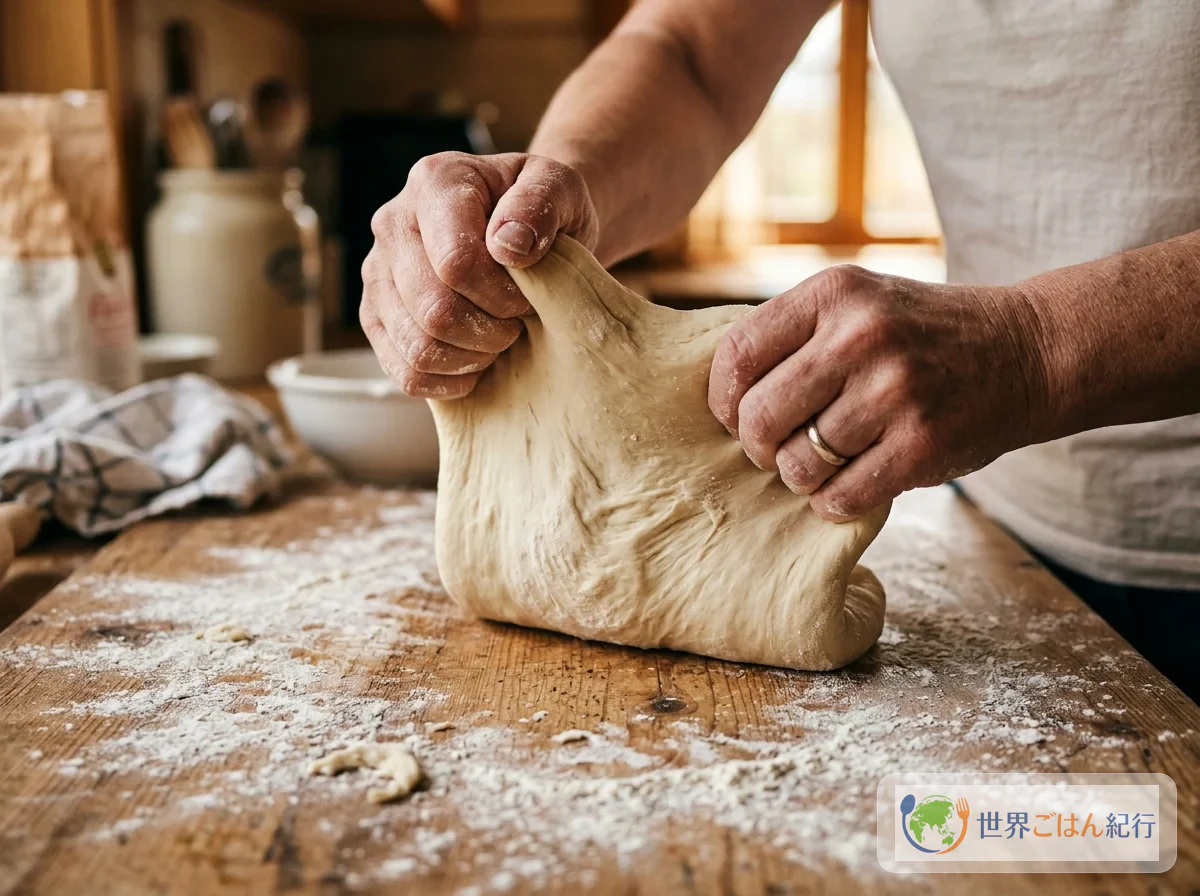
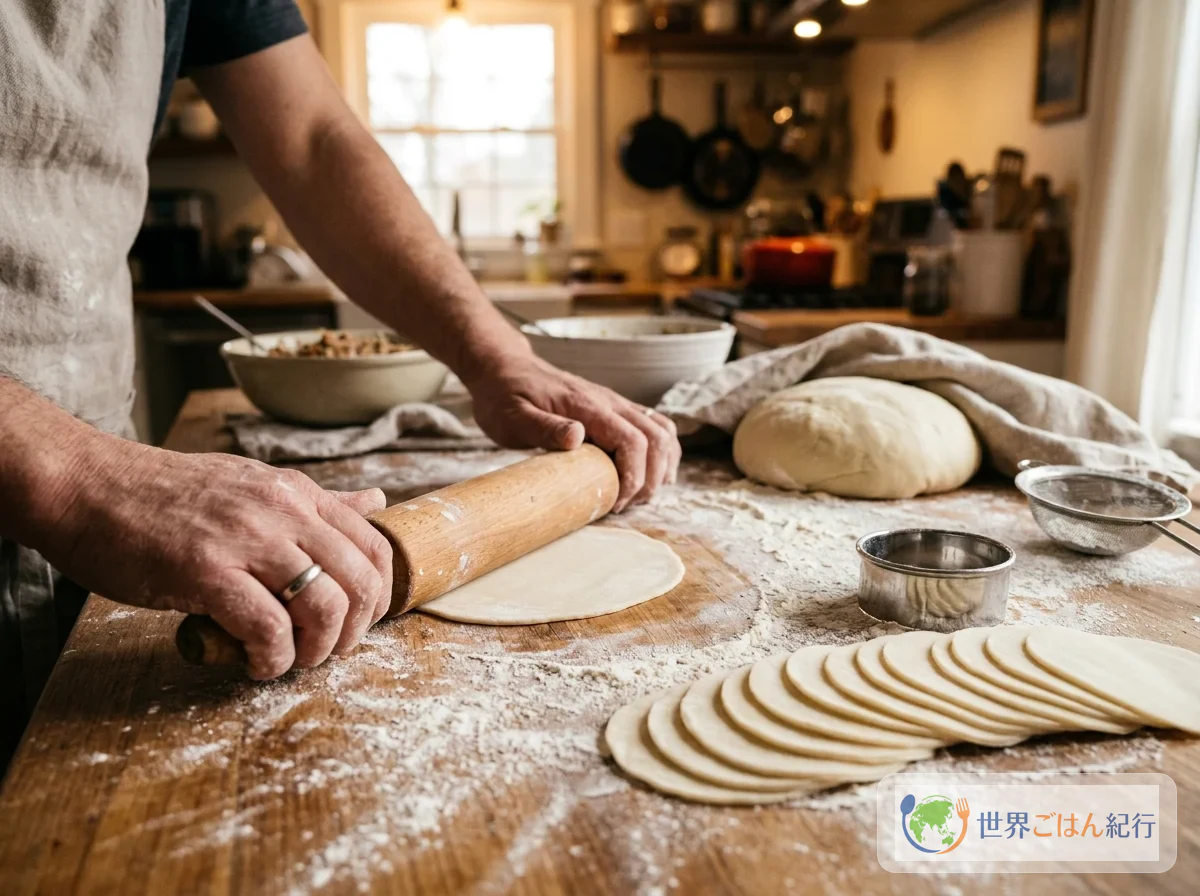
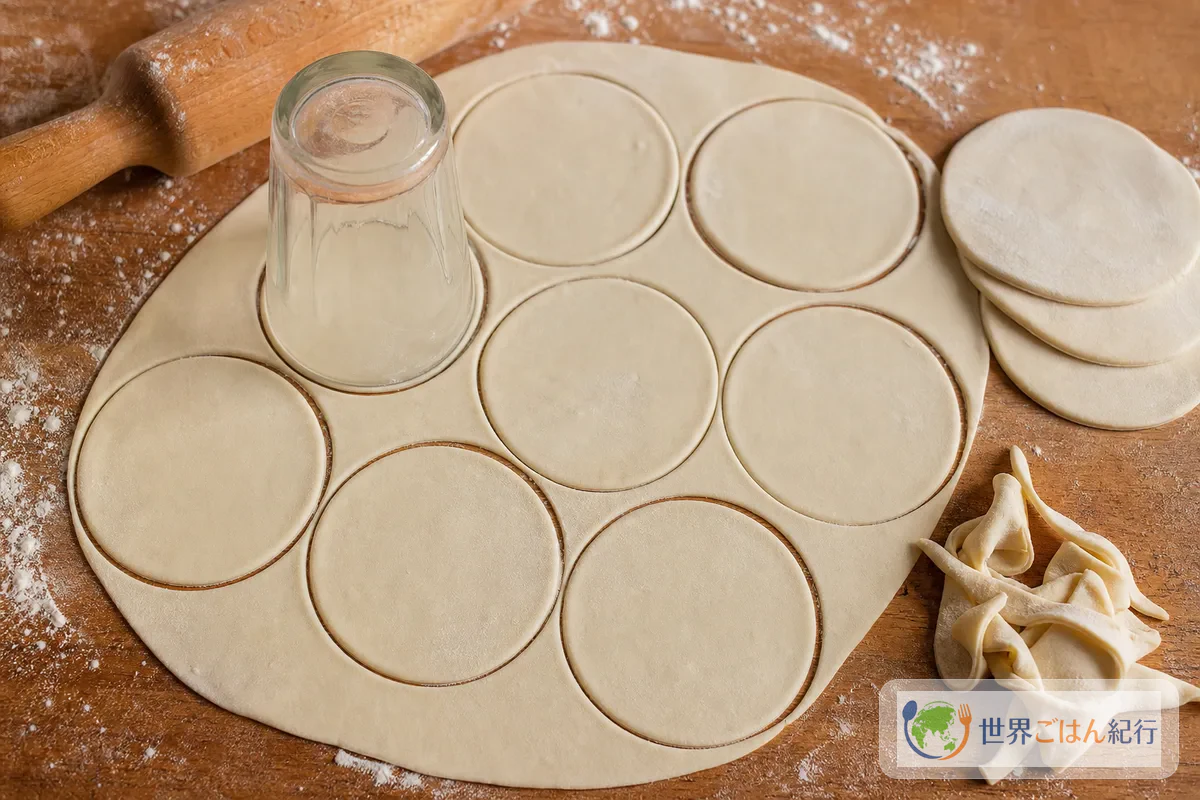
Unlike Japanese boiled gyoza, khinkali dough should stay about 0.125 inch (2–3 mm) thick. Roll it thinner and it tears while boiling, letting the broth escape. A slightly thick pleated top is normal; what matters more is that the bottom is evenly thin.
Serving, Storing, and Varying Khinkali
Serving
Khinkali are low in fiber and vitamin C on their own, so serve them with a tomato and cucumber salad, the classic Georgian side. Georgian tables always have vegetable salads and herbs on them. Add borscht and you have a full Eastern European and Caucasian spread.
Leftovers are excellent pan-fried. Fry boiled khinkali in a buttered frying pan over medium heat for 2–3 minutes per side, until the surface is crisp and the inside is still juicy.
| Nutrient | Per person, out of 4 servings (about 6 dumplings) | Role |
|---|---|---|
| Protein | About 1 oz (28 g) | Animal protein from the ground meat |
| Fat | About 22 g | From the meat and butter. Mostly saturated fat |
| Carbohydrate | About 1.75 oz (52 g) | From the flour dough |
| Iron | Plentiful | Heme iron from ground beef |
| Vitamin B12 | Present | Abundant in beef. Essential for nerve function and red blood cell production |
| Fiber | Low | Trace amounts from cilantro and cumin. Serve with a salad to make up for it |
Storage and freezing
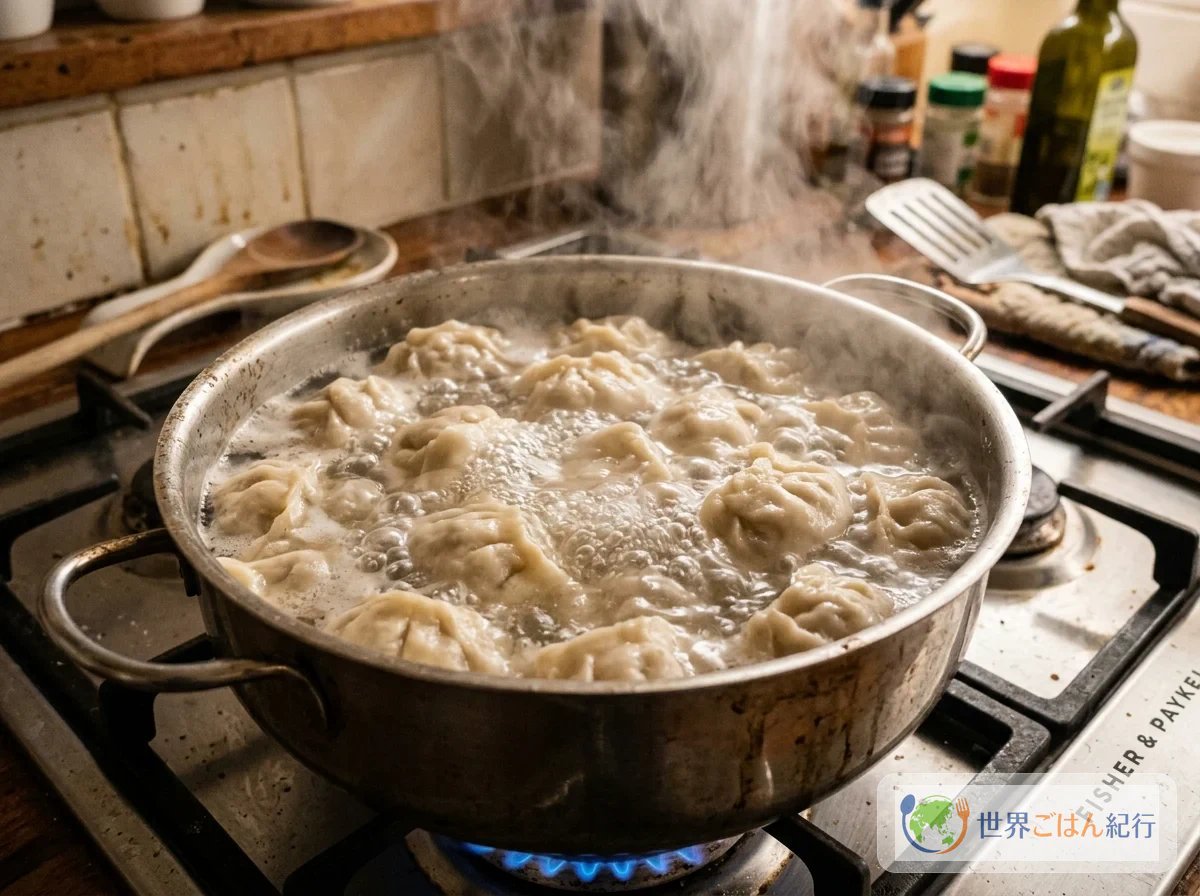
Wrapping takes time, so it pays to make a big batch on a day off and freeze them raw. Dust a tray with flour, space the dumplings out, cover, and freeze; once solid, move them to a freezer bag. Boil them straight from frozen for 13–15 minutes, 2–3 minutes longer than usual. Thawing first makes the dough sticky.
| State | Storage | Keeps | Point |
|---|---|---|---|
| Before boiling (raw) | Refrigerator | Same day | Broth seeps into the dough, so boil as soon as possible after wrapping |
| Before boiling (raw) | Freezer | 1 month | Space them on a floured tray to freeze, then move to a freezer bag |
| After boiling | Refrigerator | 2 days | Keep in a sealed container. Best reheated by frying in butter |
| After boiling | Freezer | 2 weeks | Reheating changes the texture of the dough, so freezing raw is recommended |
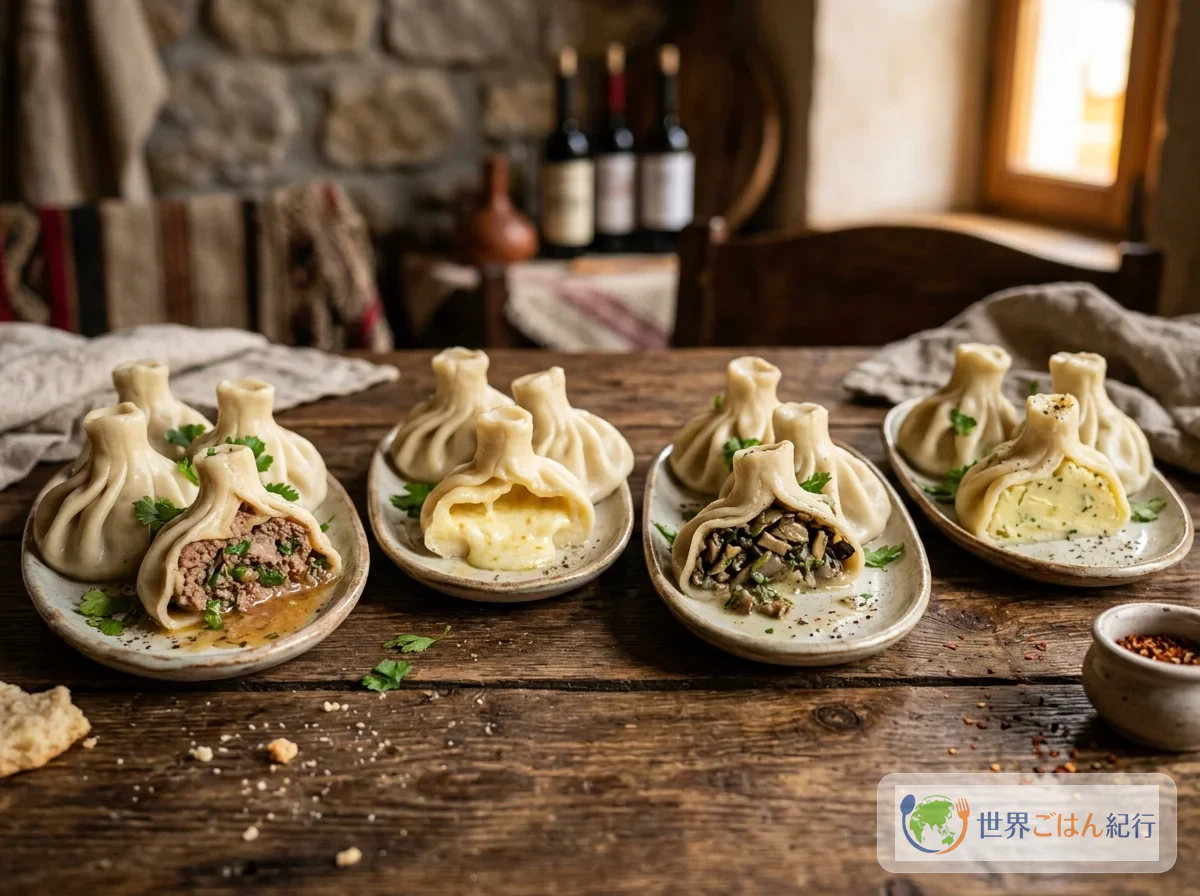
Cheese filling (Kartuli khinkali)
This version uses the same cheese combination as khachapuri: mozzarella plus feta. Crumble 5.5 oz (150 g) feta, mix in 3.5 oz (100 g) shredded mozzarella and 1 egg yolk, and wrap. Boil for 7–8 minutes, shorter than the meat version. It's a good choice for vegetarians.
Mushroom filling
Finely chop 10.5 oz (300 g) of mushrooms of your choice (shimeji, king oyster, button) and sauté in 1 tbsp butter until the moisture is gone. Season with salt, black pepper, and parsley, let cool, and wrap. The mushrooms bring a savory flavor and a nice bite.
Potato filling
Mash 10.5 oz (300 g) boiled potato with 20 g butter, salt, and black pepper; a little cheese adds richness. This plain, meat-free version is eaten during fasting periods in the Georgian Orthodox tradition.
Shumai-style filling
Add 1 tsp grated ginger and 1 tbsp soy sauce to the filling and use green onion instead of cilantro for a flavor close to Chinese soup dumplings. Eat them with ponzu, or soy sauce and vinegar, for a blend of Georgian and Japanese dumpling habits.
Frequently Asked Questions
Q1. Can I use store-bought dumpling wrappers?
Large wrappers (4 inches (10 cm) or more across) can work. They are thin, so use a little less filling (just under 1 tbsp) and shorten the boiling time to 6–7 minutes. Homemade dough is chewier and holds the broth in better, so make it yourself if you can.
Q2. Can I steam them instead?
Boiling is the traditional method, but you can steam them for 15–18 minutes. Brush a thin layer of sesame oil on the bottom of each dumpling so it does not stick to the steamer. The dough comes out somewhat heavier than when boiled.
Q3. The broth leaks from the dough. What can I do?
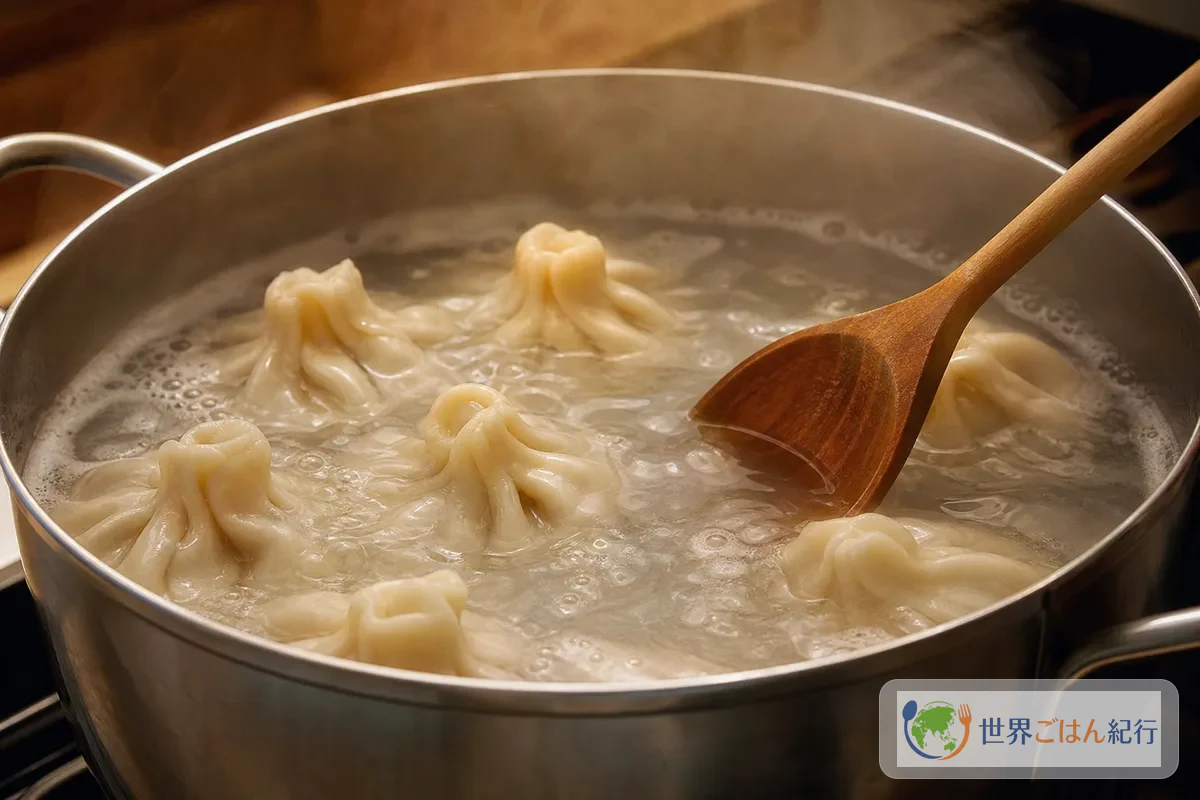
There are three likely causes. (1) The top is not sealed well: twist it firmly to close. (2) The dough is too thin: keep it at least 0.125 inch (2 mm) thick. (3) It went into the pot roughly: slide it gently into the water on a ladle. And never pierce them with chopsticks or a fork while they boil.
Q4. How many per person?
In Georgia, 5–10 per person is a standard meal. By Japanese standards, 6–8 per person is a good amount, and with sides such as salad and bread, 5–6 is enough.
Q5. Do you really not eat the top knot?
Traditionally it is left uneaten, because the dough gathers thickly there and the texture is poor. The knots left on the plate also show how many you ate. Some people today find that wasteful, and there is no problem with eating it.