
Recipes (45)
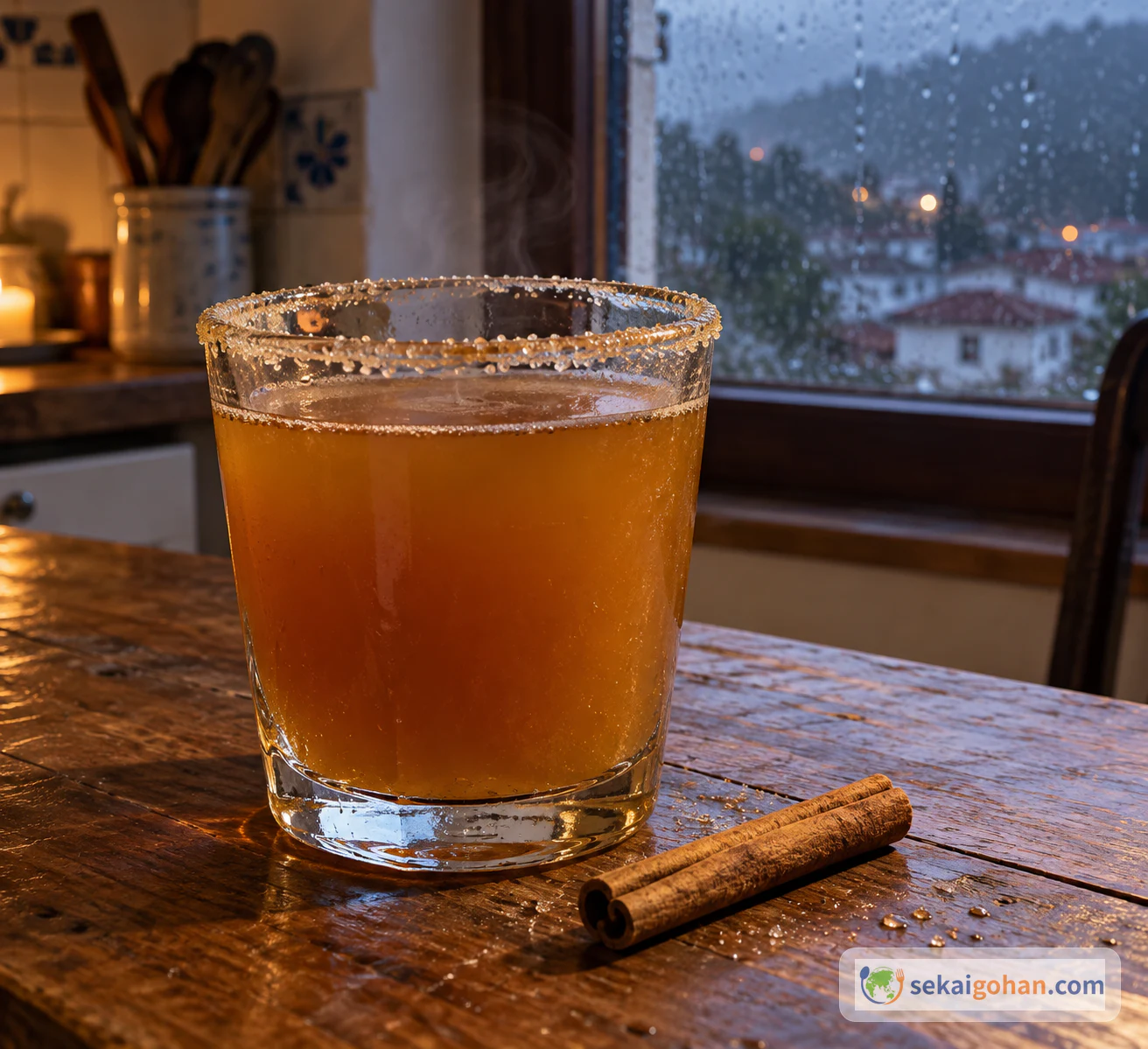
Canelazo: Colombia's Hot Panela, Cinnamon and Aguardiente Drink
How to make canelazo, the warm Colombian drink of panela, cinnamon sticks and anise-flavored aguardiente, following one published Colombian recipe. Covers the order of warming, taking the pan off the heat before adding the spirit, the sugar rim, how a recorded Boyacá version and a fruit-and-spice cook's version differ, what to consider before substituting panela or the spirit, and who should not drink it.
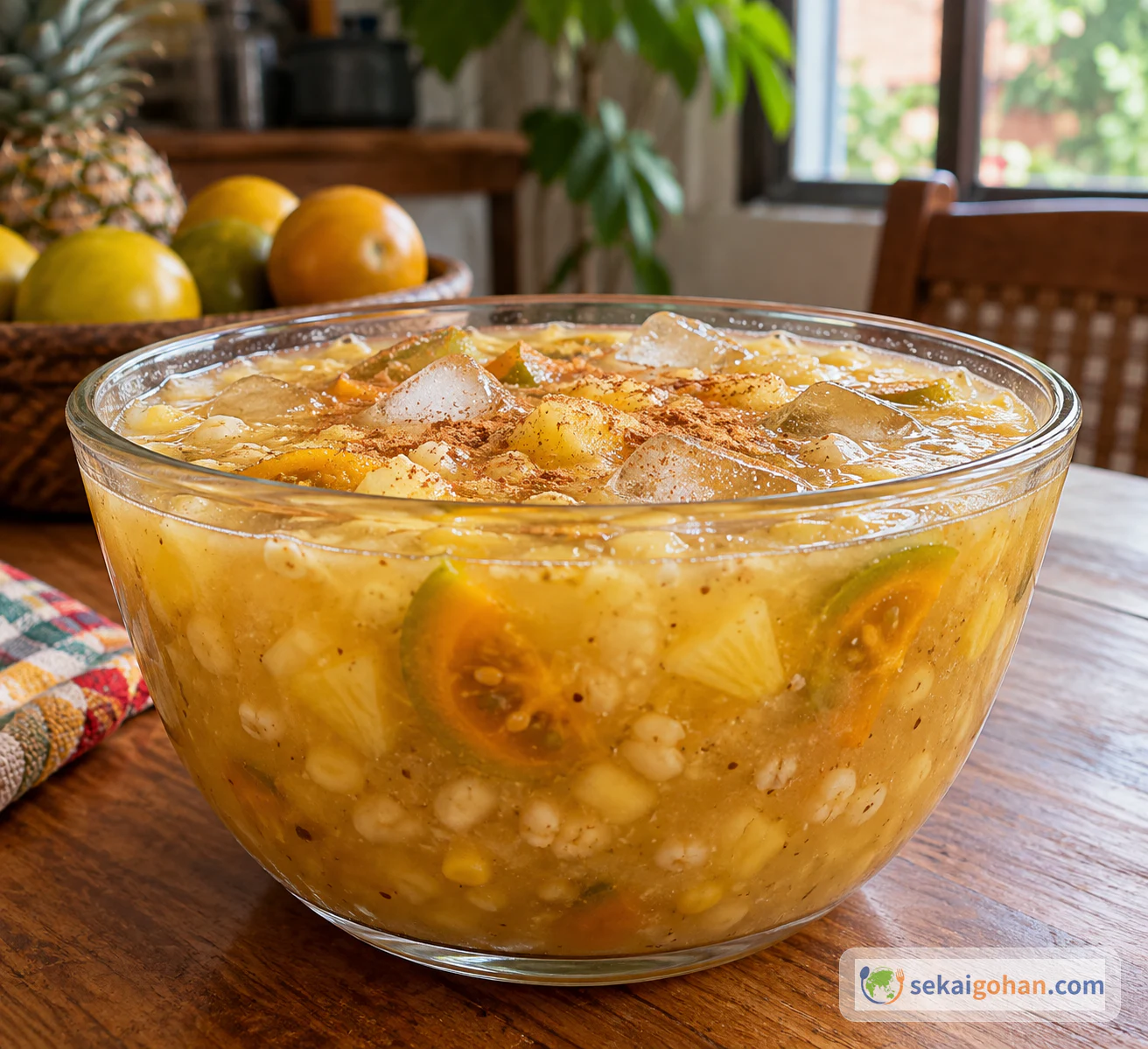
Champús: Colombia's Chilled Corn Drink with Lulo and Pineapple
How to make champús valluno, the cold Colombian drink of white cornmeal, panela, tart lulo and pineapple. Follows one published flour-based recipe exactly, with guidance on choosing lulo, panela and cornmeal outside Colombia, keeping the pot from scorching, and how champús is enjoyed in Cali.
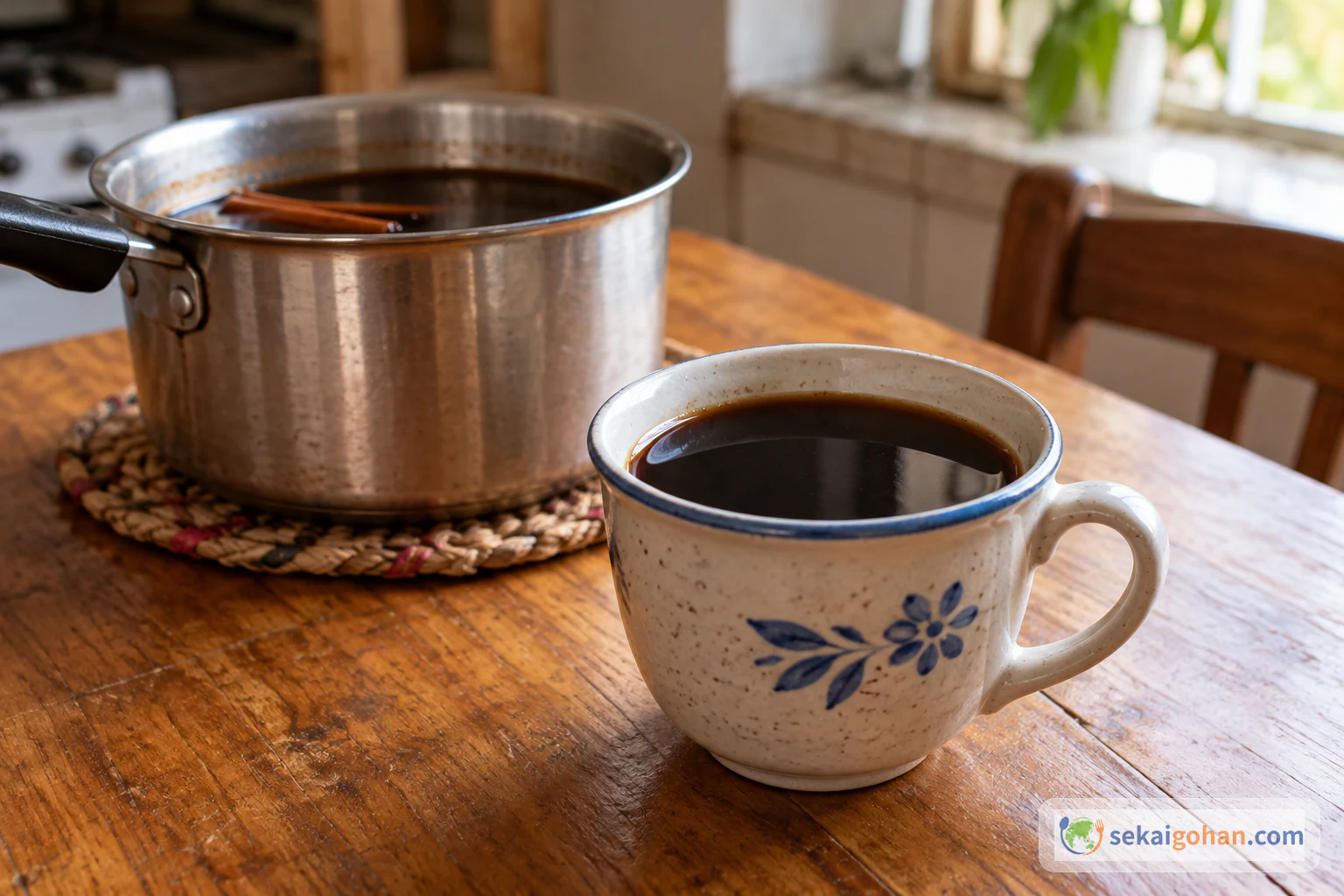
Colombian Tinto: Pot-Brewed Coffee with Panela and Cinnamon
How to make tinto, the everyday black coffee of Colombia, in a small pot with panela and cinnamon sticks. Follows a Colombian newspaper recipe exactly: boil the water, turn off the heat, dissolve the panela with the cinnamon sticks in the water, add the coffee, cover for 2 minutes and strain. Also covers how tinto differs from 'Colombian coffee' as a product, household differences in sweetening, and how to judge substitutes for panela.
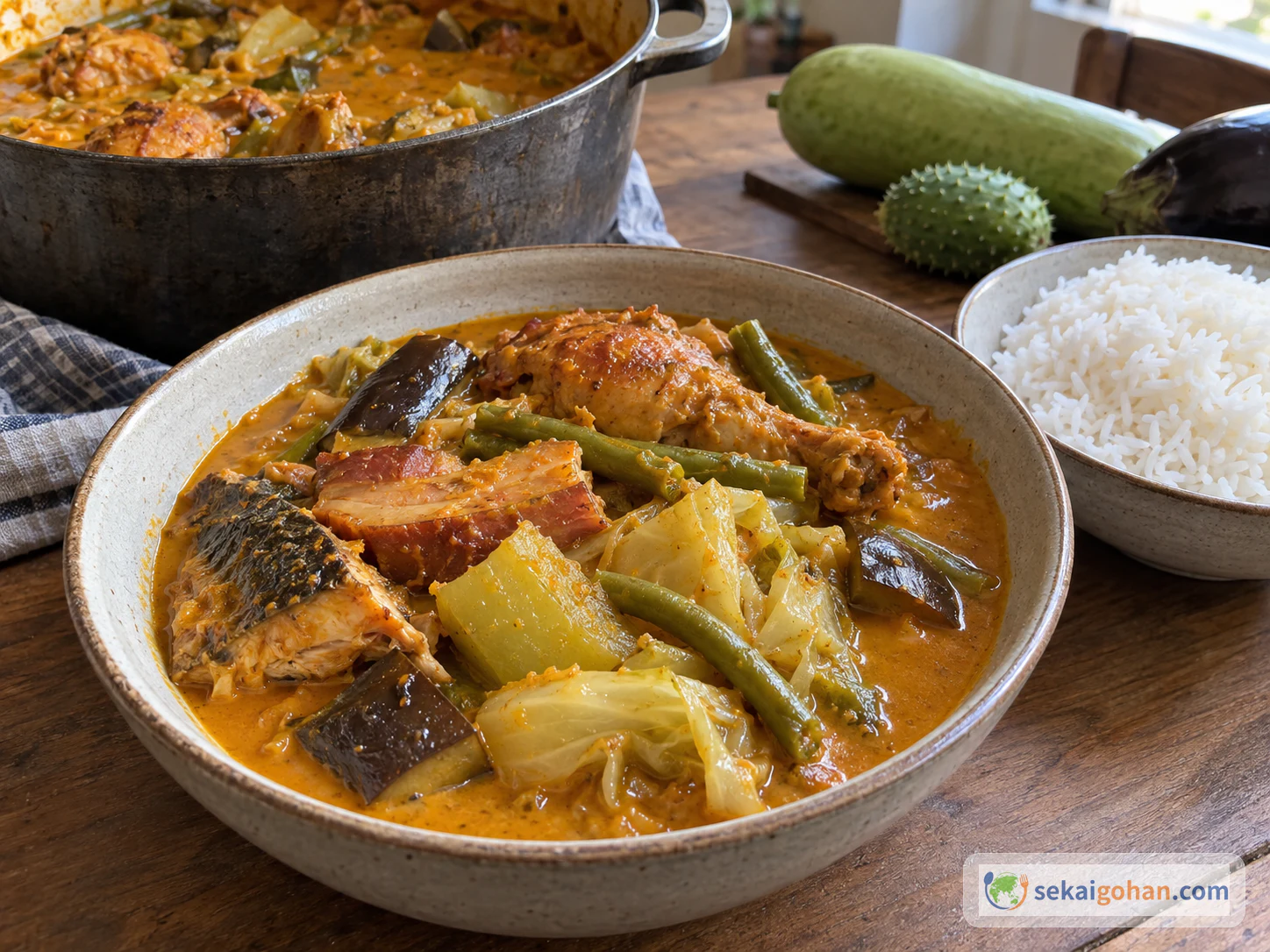
Bouillon d'Awara: French Guiana's Easter Stew of Awara Palm Fruit, Vegetables and Smoked Meats (Bouyon Wara)
How to make bouillon d'awara (bouyon wara), the French Guianan stew built on orange awara palm-fruit paste, with salted pig tail, smoked pork belly, gourds, greens, smoked chicken and smoked fish. Follows one home recipe in its own amounts and order, explains the two gourds, the overnight desalting and the long simmer, and covers its place at the Easter table.
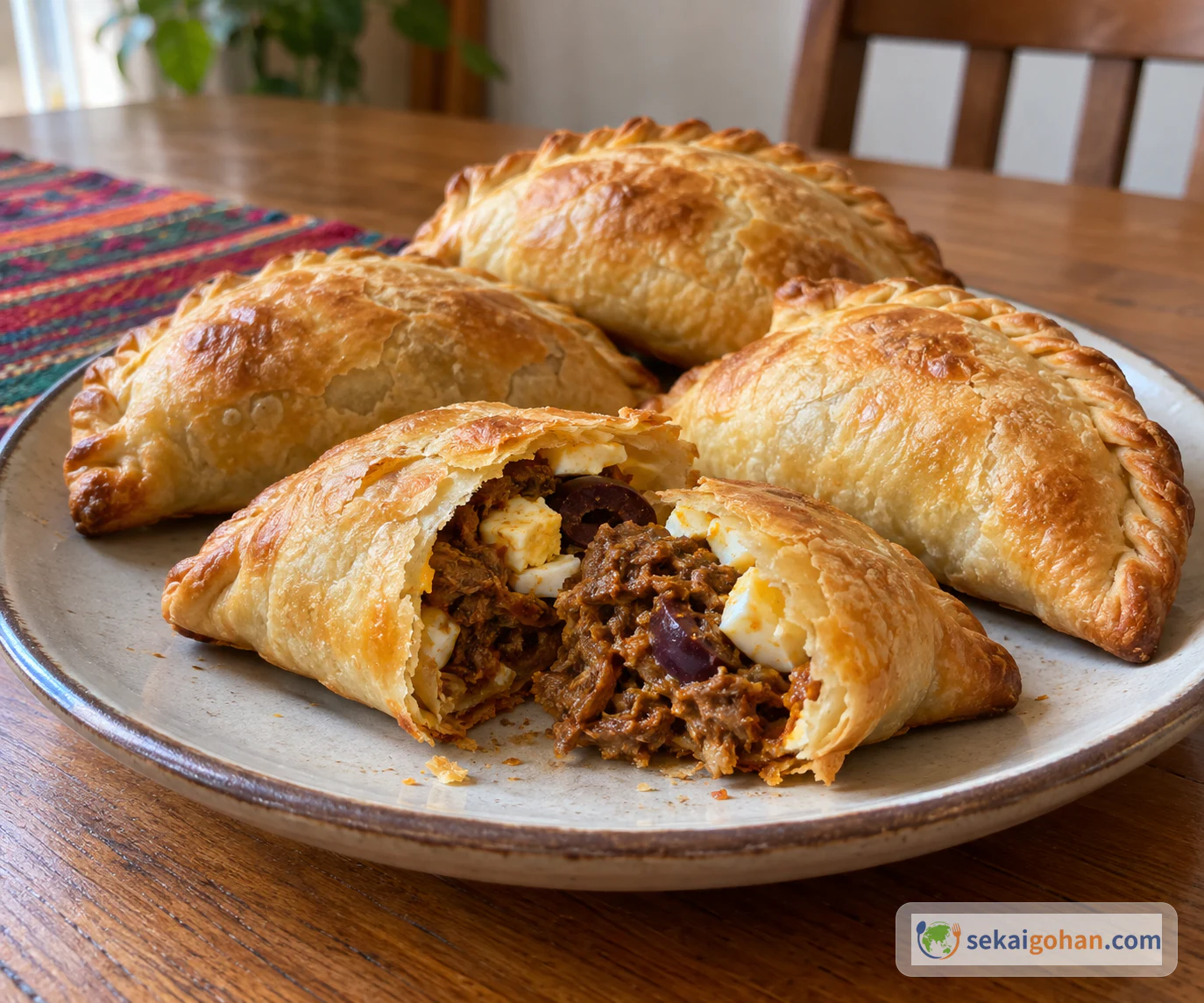
Peruvian-Style Beef Empanadas with Ají Panca (Empanada de Carne)
How to make Peruvian-style baked beef empanadas from one Peruvian recipe: a butter pastry, a beef filling with ají panca, black olives and hard-boiled egg, half-moon shaping with a folded repulgue seam, and baking at 180°C until golden. Covers the difference between ají panca and ají amarillo, why the filling must cool before wrapping, fixing common mistakes, and how this recipe sits among other Peruvian versions.
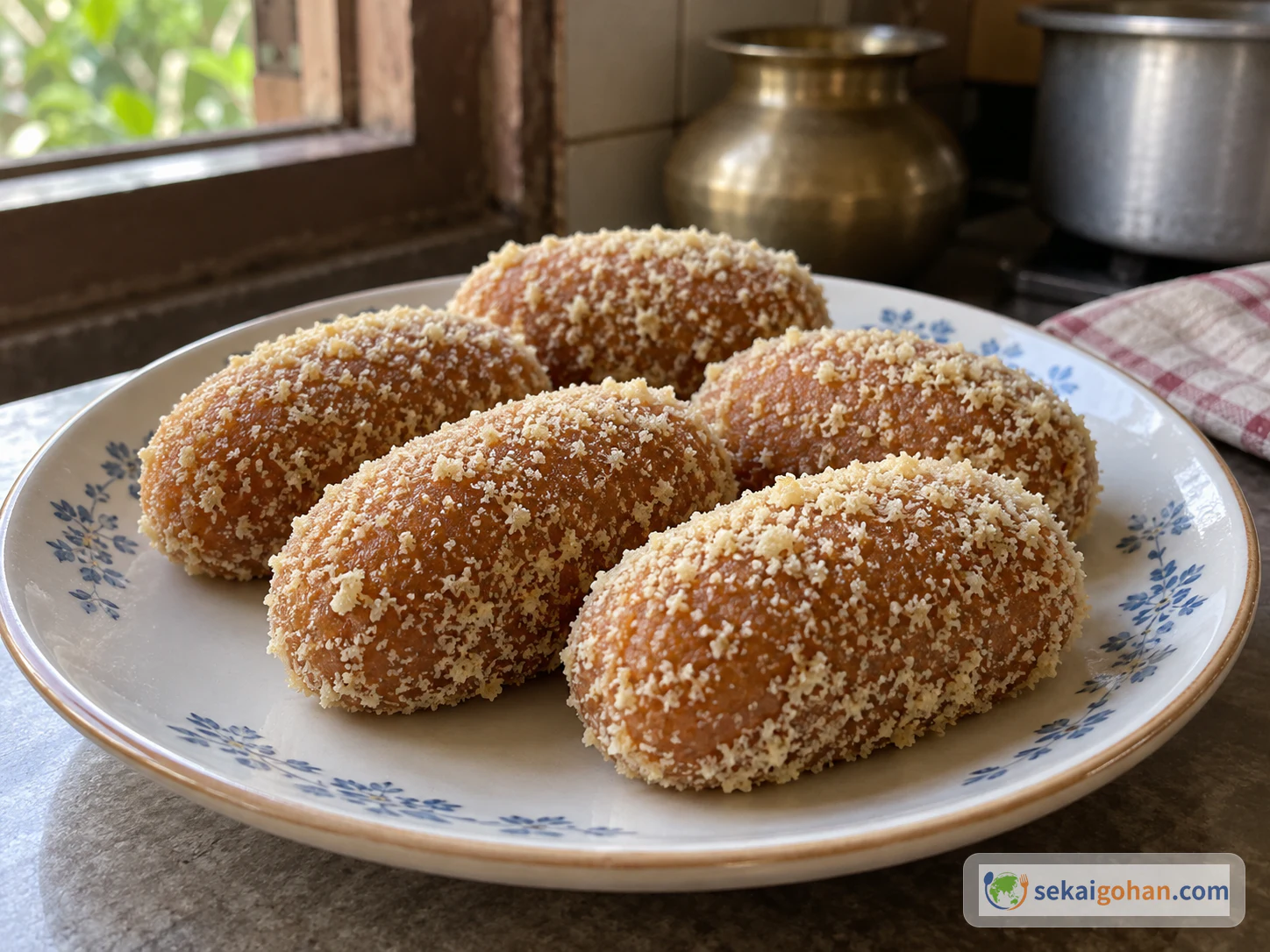
Chomchom (Cham Cham): Bengali Chhana Sweets Simmered in Syrup and Rolled in Mawa
How to make Chomchom (Cham cham / Chum Chum), the oval Bengali chhana sweet, following Rownak Jahan's Bangladeshi home recipe: vinegar-set chhana, an 80-minute covered boil in syrup with water added every 10 minutes, caramel, and a dry mawa coating. Also covers how this home version differs from the Porabari Chomchom recorded in Tangail, and what not to add.
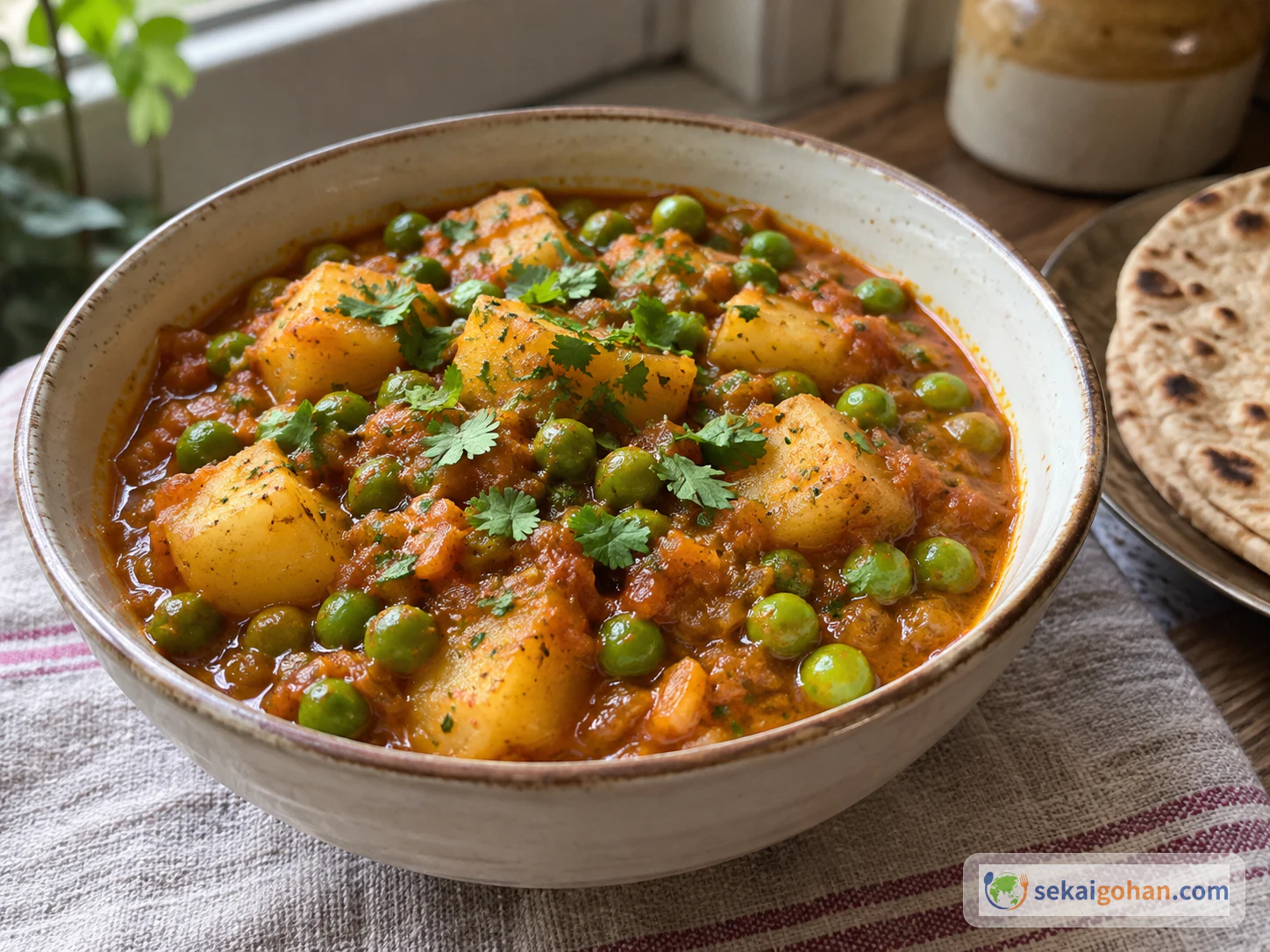
Aloo Matar: Punjabi Potato and Pea Curry (आलू मटर)
How to make aloo matar, the North Indian curry of potatoes and green peas simmered in an onion-tomato masala, following a Punjabi home recipe. Covers the no-water paste, how to tell when the masala is ready, cooking potatoes until tender without breaking them, frozen peas, optional enrichments, and serving with roti.
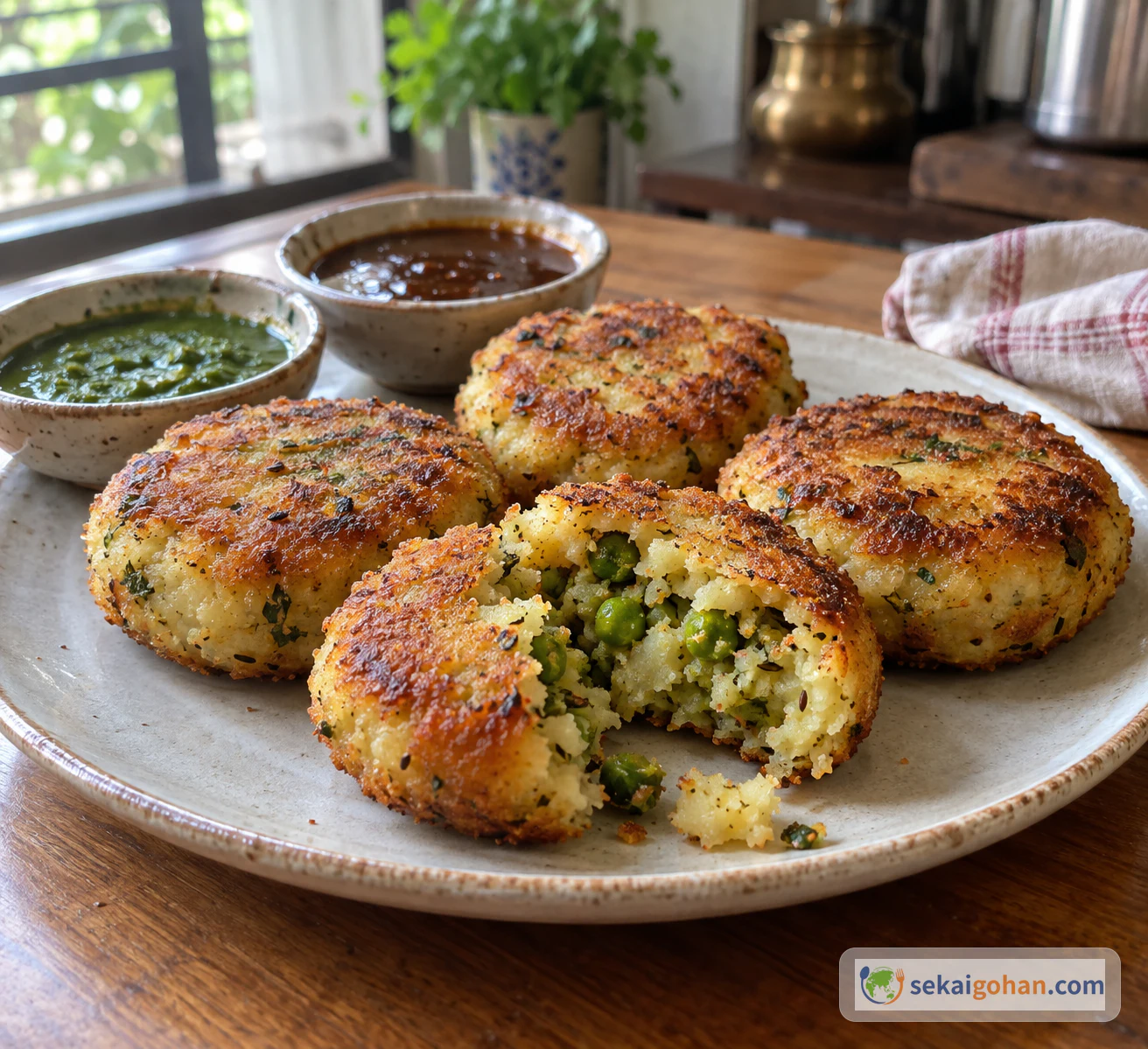
Aloo Tikki: North Indian Potato Patties Stuffed with Spiced Green Peas
How to make stuffed aloo tikki, the North Indian street snack of spiced potato patties wrapped around a coarse green pea filling and shallow-fried until crisp. Covers pressure-cooking potatoes and peas together, cooling before binding, sealing the filling, frying both sides, chutneys to serve, and how to judge substitutions for amchur, black salt and arrowroot.
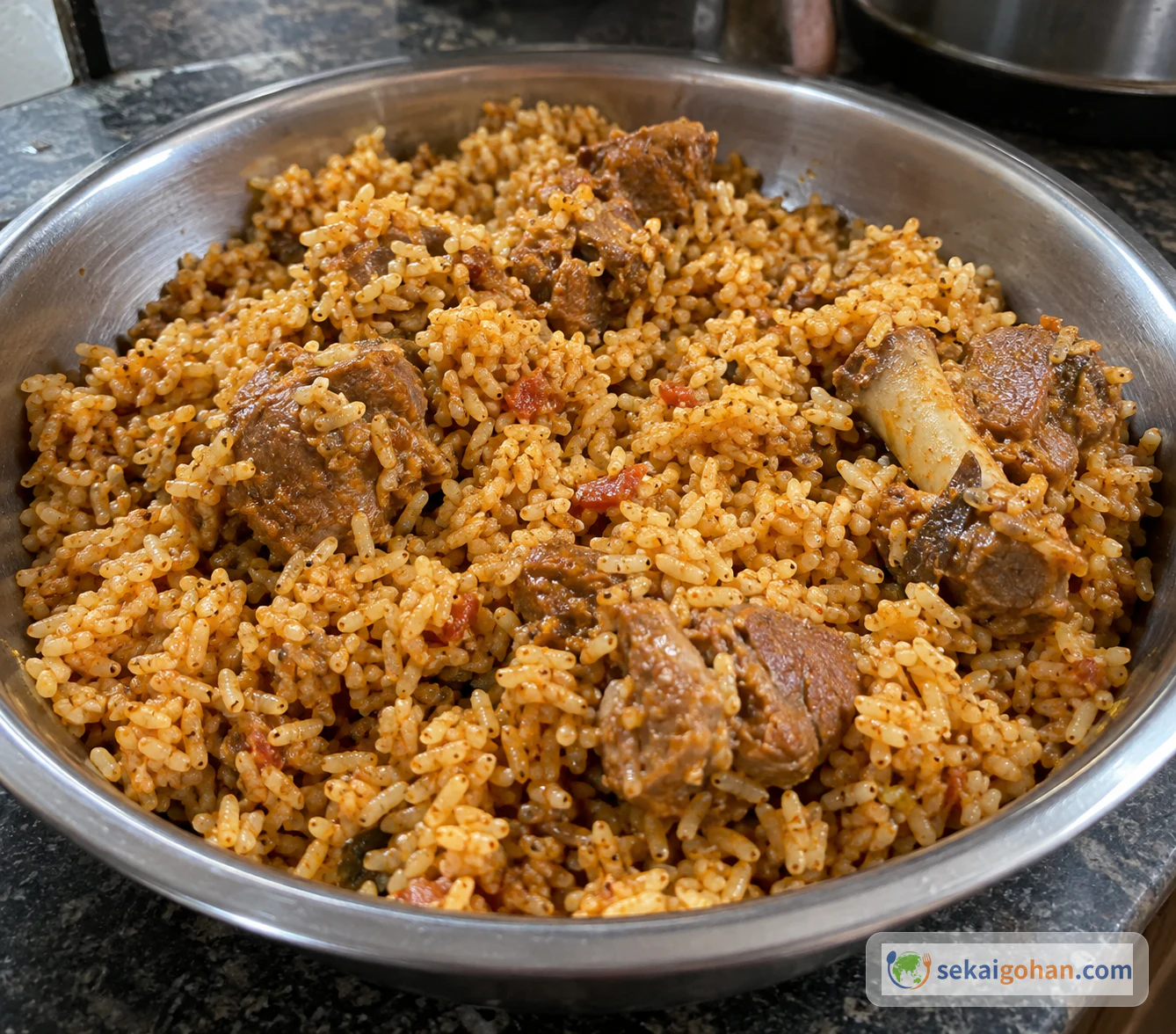
Ambur Biryani: Tamil Nadu Mutton Biryani with Seeraga Samba Rice
How to make Ambur mutton biryani from northern Tamil Nadu: small-grain seeraga samba rice parboiled, then mixed into a pressure-cooked mutton masala built on fresh red chili paste and finished on dum. Covers ingredients and honest substitutions, pressure cooker safety, how it differs from layered biryanis, and the story of Ambur's shop-style biryani.
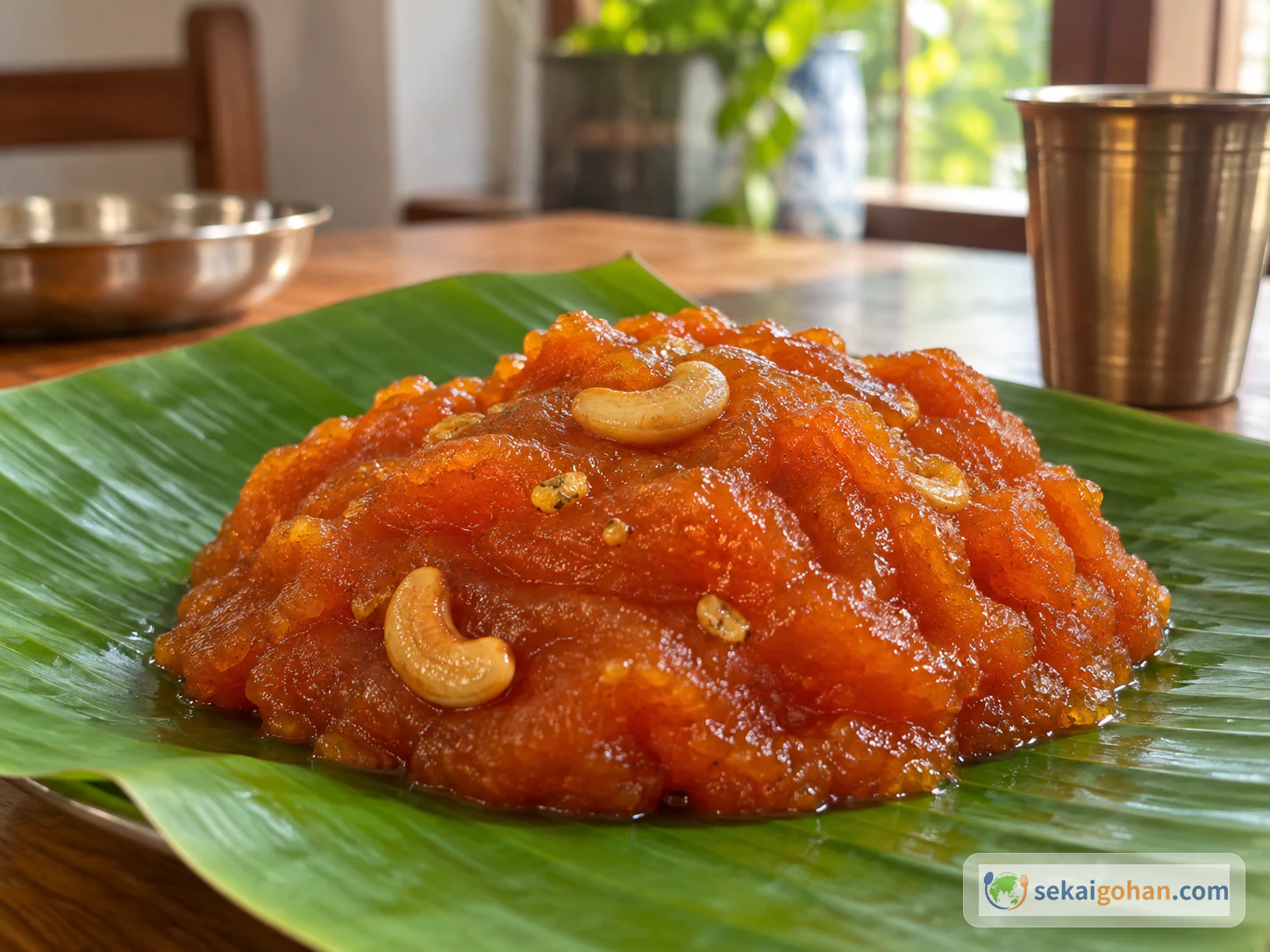
Ashoka Halwa: A Glossy South Indian Sweet of Mung Beans and Ghee (Asoka Halwa)
How to make Ashoka halwa (Asoka halwa, pasi paruppu halwa), the yellow mung bean, wheat flour and ghee sweet linked with Thiruvaiyaru in Tamil Nadu. Covers cooking the dal into a smooth paste, roasting the flour, working in oil and ghee a little at a time until the halwa turns glossy and leaves the pan, plus how recipes differ, ingredient choices and allergens.
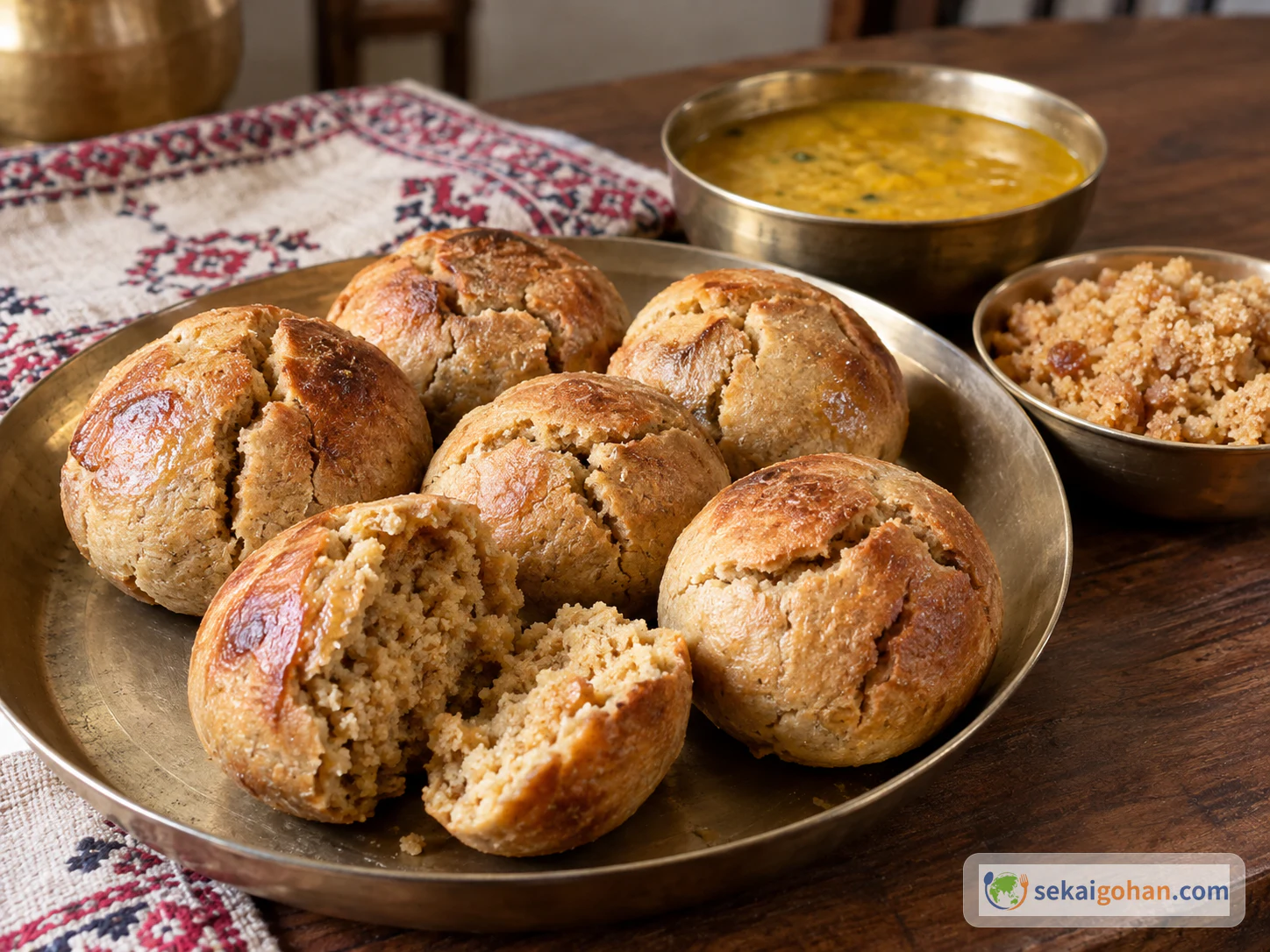
Baati: Rajasthani Whole-Wheat Bread Baked and Dipped in Ghee (बाटी)
How to make plain Rajasthani baati: a stiff whole-wheat dough with ajwain and oil, rested, shaped into indented balls, baked in a home oven at 200°C and dipped hot in ghee. Covers choosing atta, ajwain and ghee, judging the bake, fixing common problems, how baati differs from Bafla and litti, and how it sits beside dal and churma at a Rajasthani table.
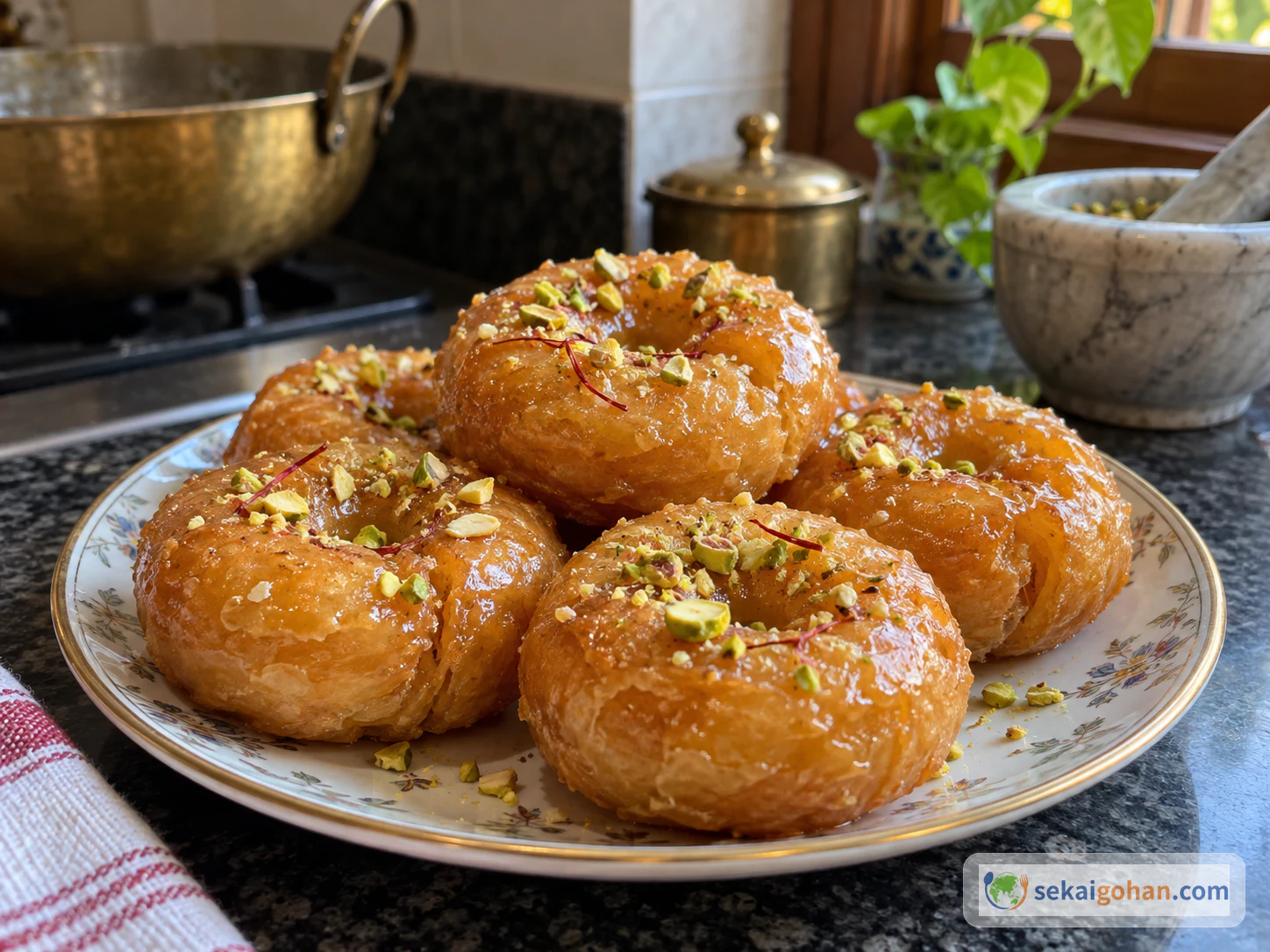
Balushahi: Indian Glazed Fried Sweet with Cardamom-Saffron Syrup (बालूशाही)
How to make balushahi, the Indian sweet of soft maida, ghee and yogurt dough fried slowly over low heat and soaked in cardamom-saffron sugar syrup. Covers why the dough is not kneaded, how to judge the oil without a thermometer, how thick the syrup should be, the related South Indian badusha, and how to fix common mistakes.
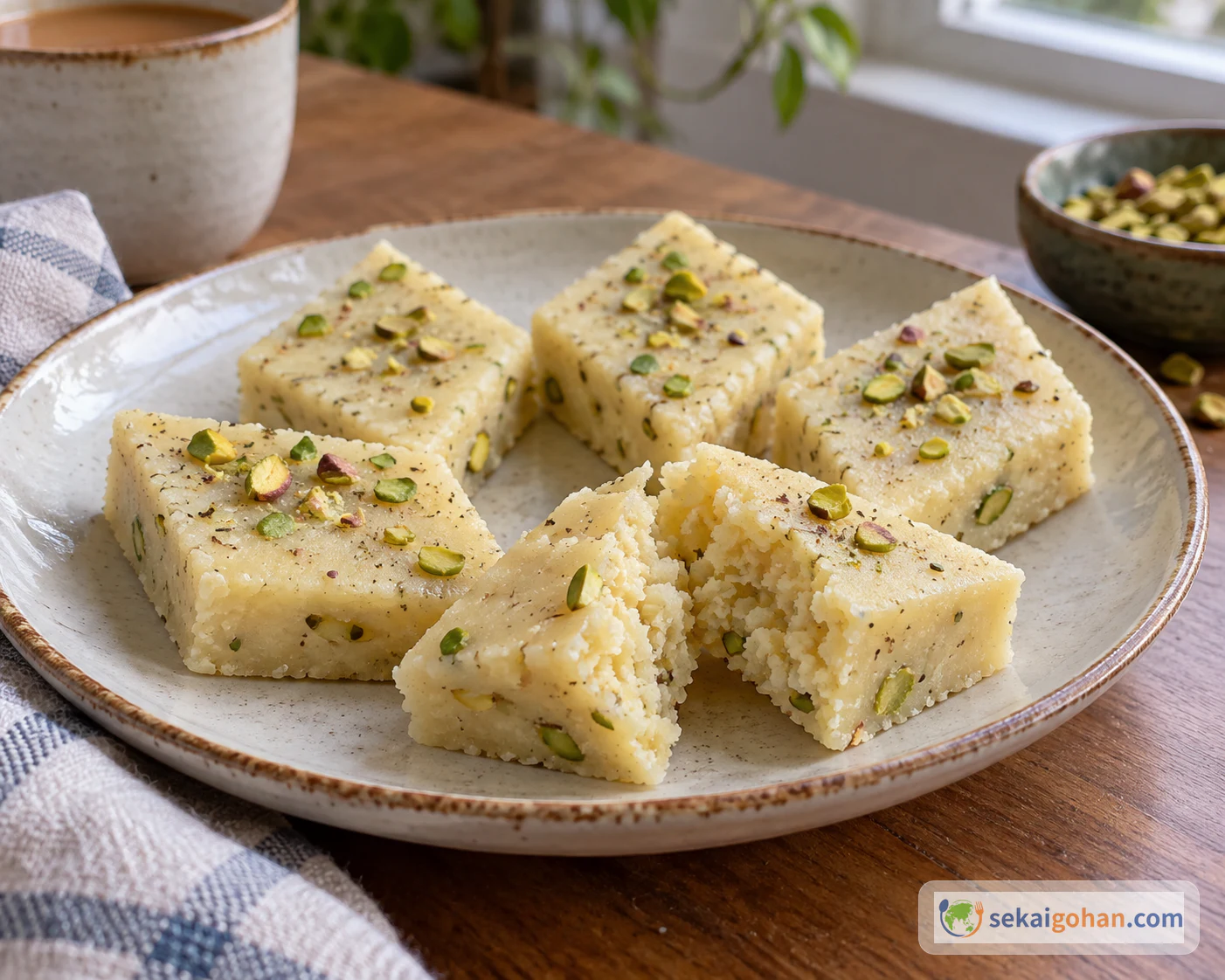
Barfi: How to Make Khoya Barfi, an Indian Milk Fudge (Burfi / Mawa Barfi)
A khoya (mawa) barfi recipe for home cooks: what khoya is and why milk powder is not the same thing, how the mixture loosens once the sugar melts and then starts to pull away from the pan, cardamom and pistachio, sourcing tips, regional types of barfi, allergens, and storage.
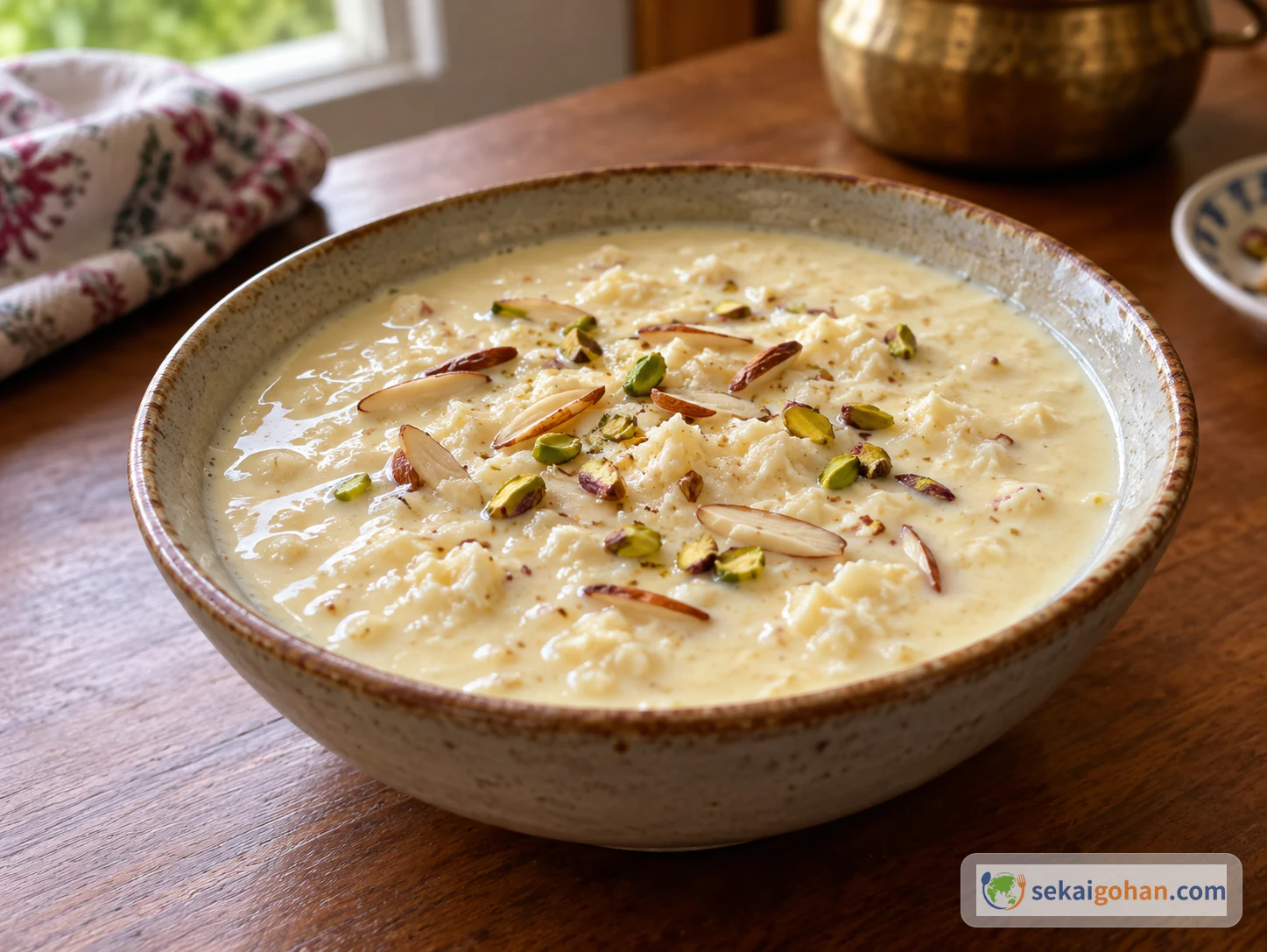
Basundi: Western Indian Reduced-Milk Sweet with Saffron and Cardamom (બાસુંદી)
How to make basundi, the western Indian milk sweet, from 1.5 L of full-fat milk using a Gujarati-style recipe. Covers folding the milk skin back in for soft flecks, gentle heat that avoids scorching, when to add sugar, saffron and cardamom, prompt chilling, and serving it cold or warm with puri.
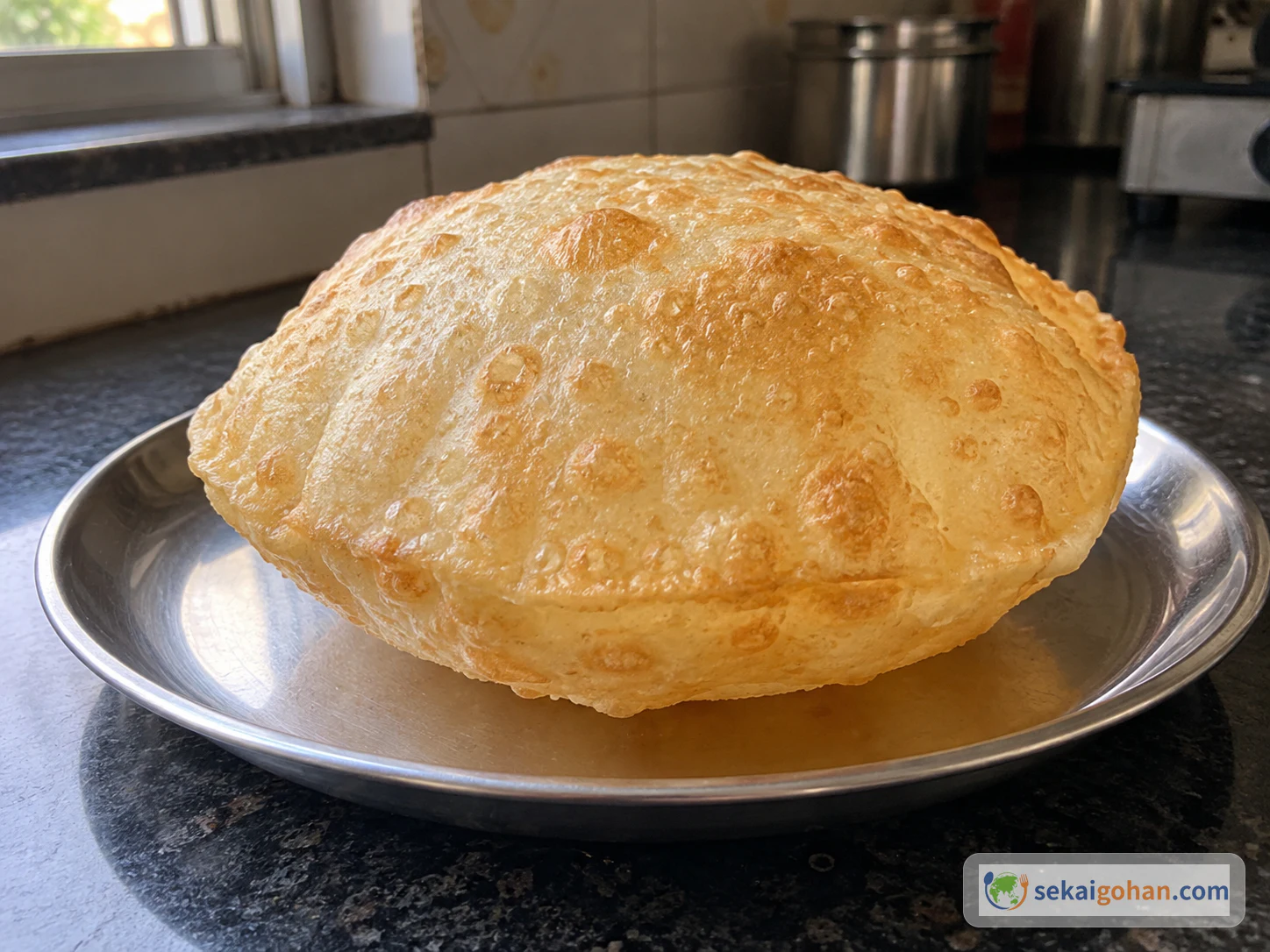
Bhatura: North Indian Puffed Fried Bread with a Yogurt Dough
How to make bhatura, the North Indian fried bread served with chole. Covers a yeast-free dough of maida, fine semolina, yogurt, baking soda and baking powder, how to knead it soft and supple, how long to rest it, and how to roll even ovals that puff in the oil, plus fixes for flat or oily bhature.
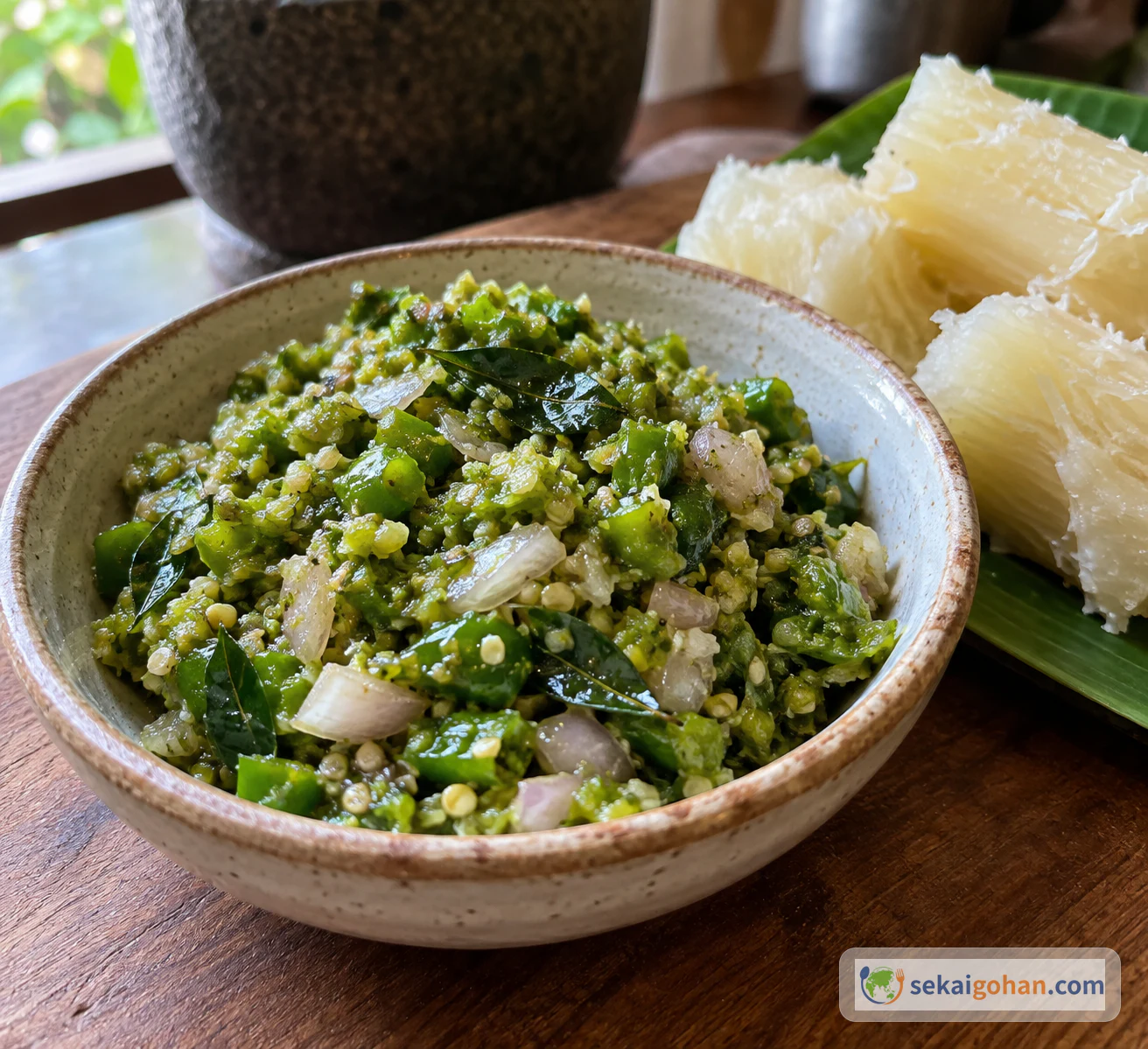
Kanthari Mulaku Chammanthi: Kerala Bird's Eye Chilli Chutney with Pearl Onions
How to make kanthari mulaku chammanthi, Kerala's raw chutney of small green chillies, pearl onions and curry leaves, coarsely pounded and brought together with coconut oil. Covers how coarse to crush, adding the oil gradually, a yogurt version for less heat, substitutions when kanthari chillies are hard to find, and serving it beside boiled kappa.
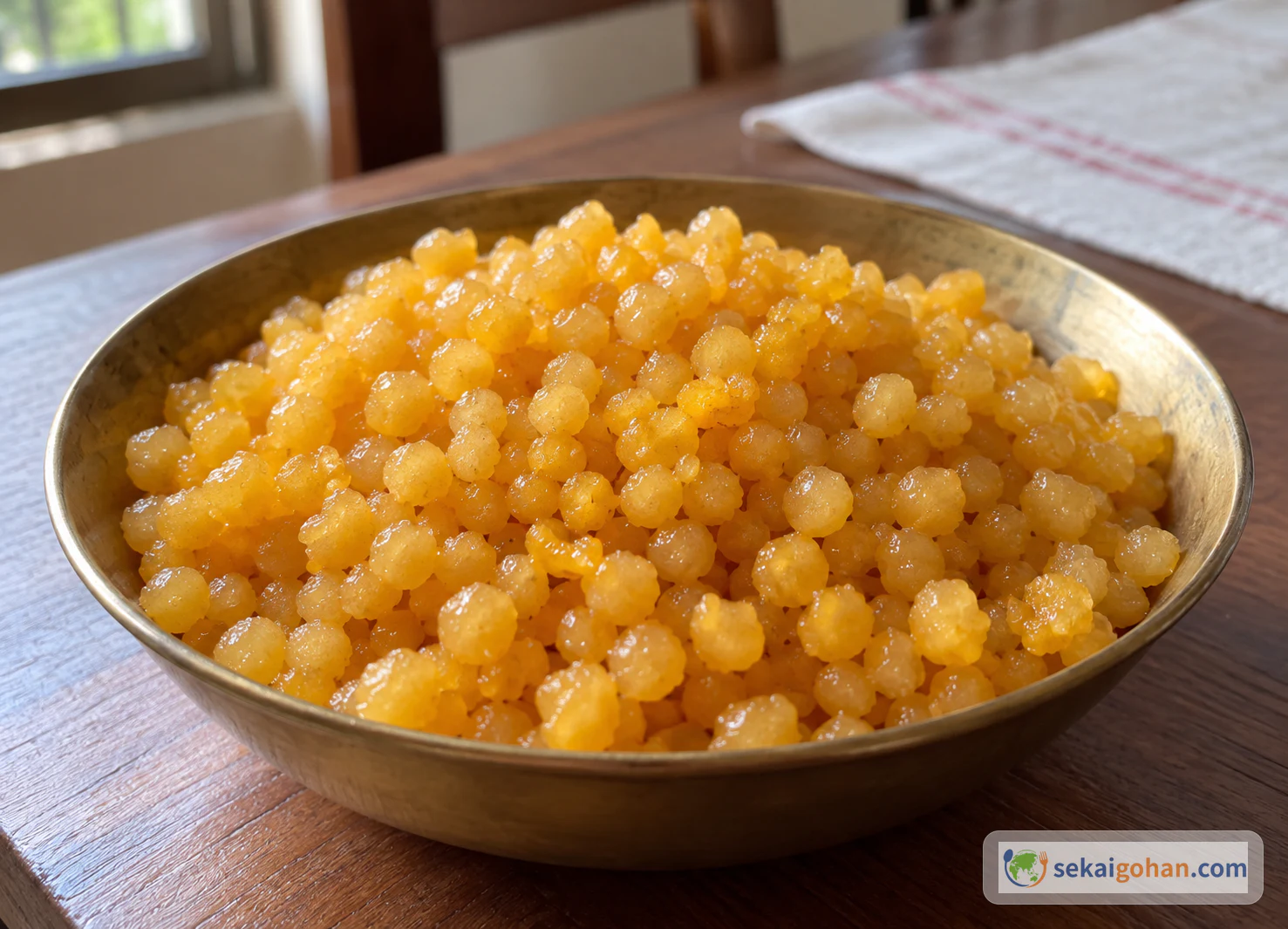
Boondi: Sweet Chickpea-Flour Pearls from India (बूंदी)
How to make sweet boondi, the Indian sweet of tiny besan droplets fried through a perforated ladle and soaked in sugar syrup. Keeps the source recipe's cup measures, and explains batter consistency, the one-drop oil check, how sweet boondi differs from savory boondi and laddu, equipment, troubleshooting and cautious storage.
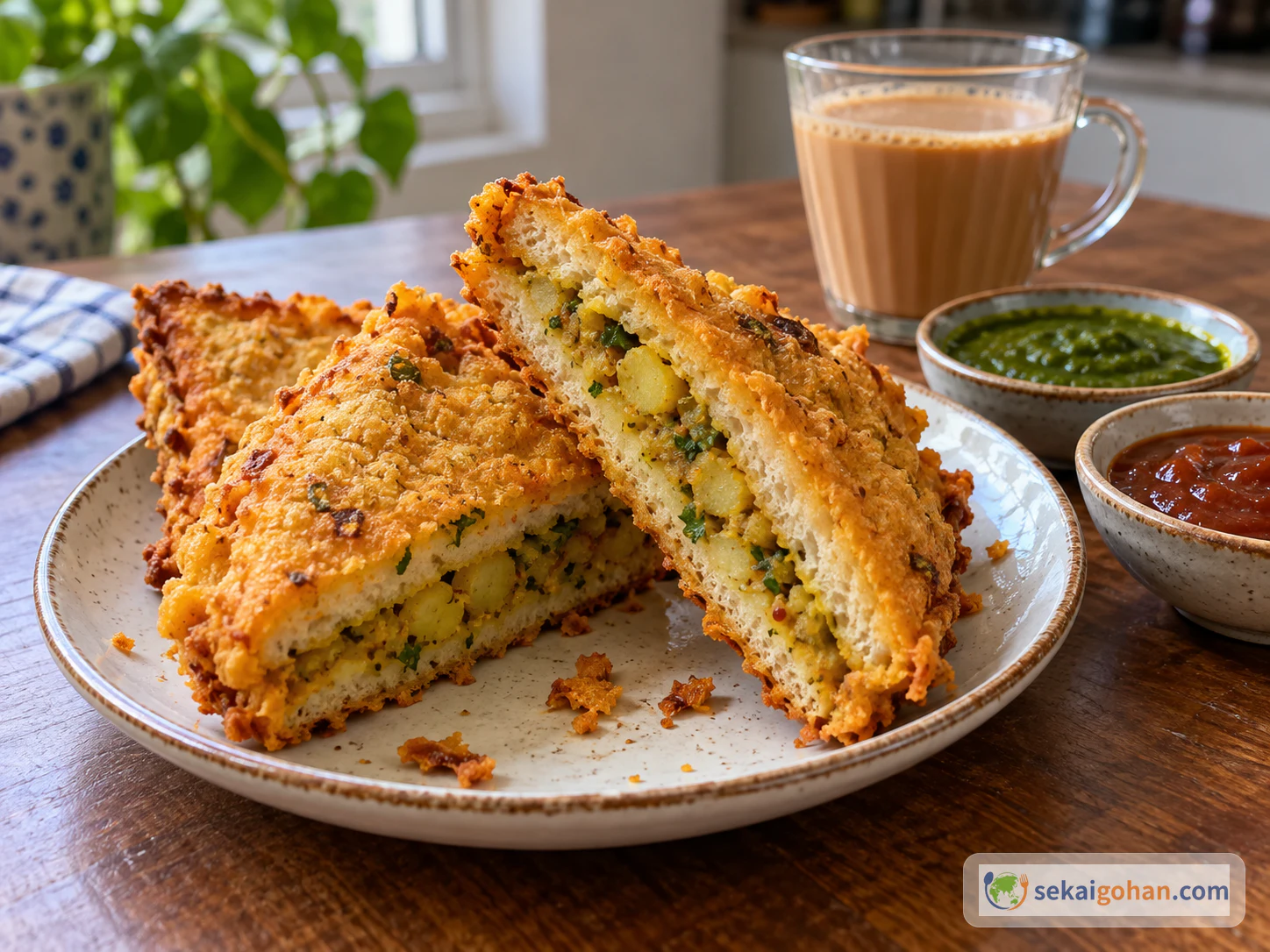
Bread Pakora: Spiced Potato Sandwiches Fried in Gram-Flour Batter (Bread Pakoda)
How to make North Indian stuffed bread pakora: spiced mashed potato sandwiched in white bread, dipped in a besan (gram flour) batter and deep-fried. Covers the source recipe's amounts, how thick the batter should be, how to judge the frying oil, how to keep the bread from falling apart, serving with chutney and chai, and honest substitutions for besan, amchur and bread.
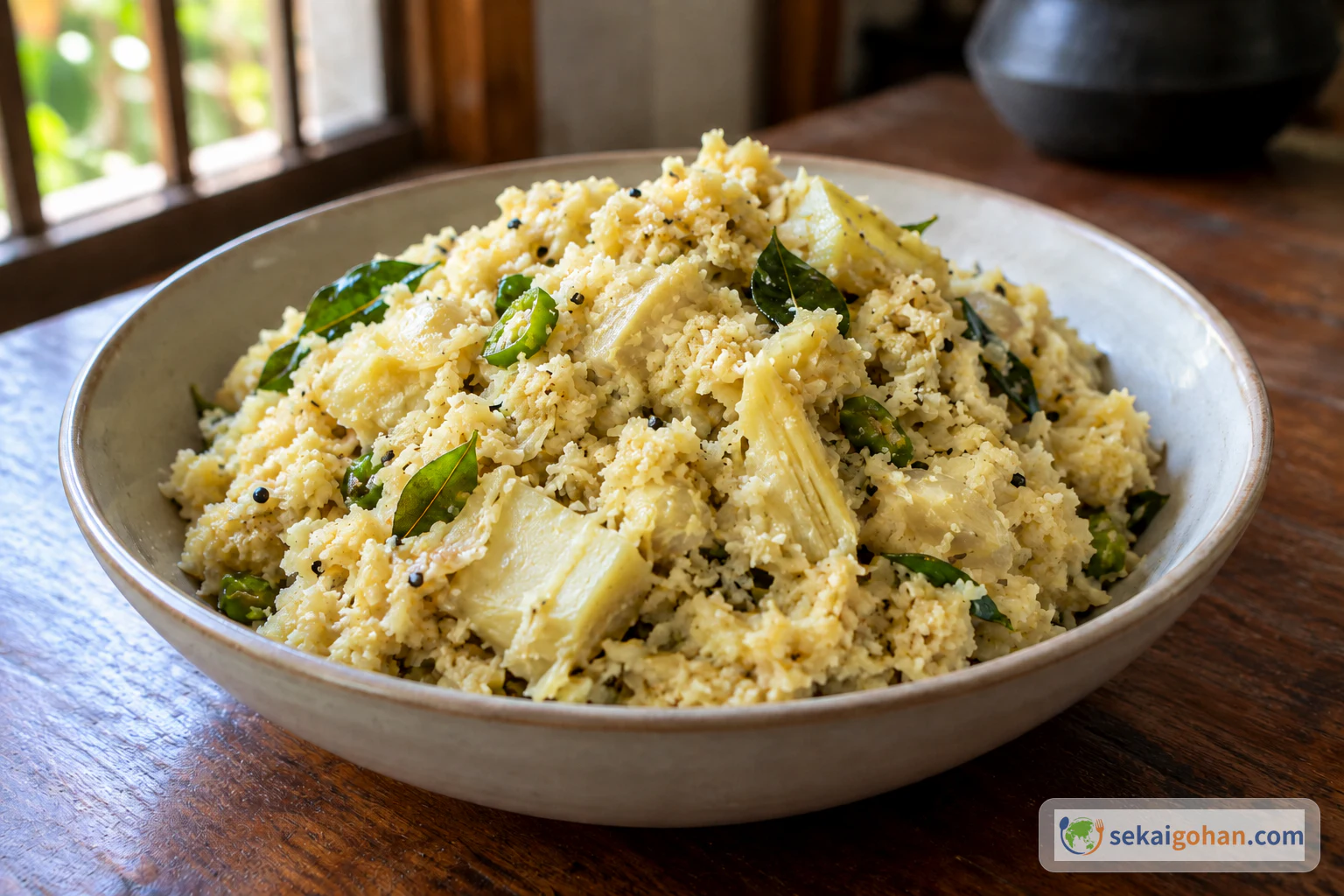
Chakka Puzhukku: Kerala Raw Jackfruit and Coconut Mash (ചക്കപ്പുഴുക്ക്)
How to make chakka puzhukku, a savory Kerala mash of raw, unripe jackfruit cooked with water and salt, then folded into a coarse coconut, green chile, shallot and garlic paste seasoned with coconut oil, mustard seeds and curry leaves. Follows Simi George's stovetop recipe as written, with guidance on choosing unripe fruit, reading the doneness cue, and why ripe jackfruit, breadfruit and canned young jackfruit fall outside this recipe.
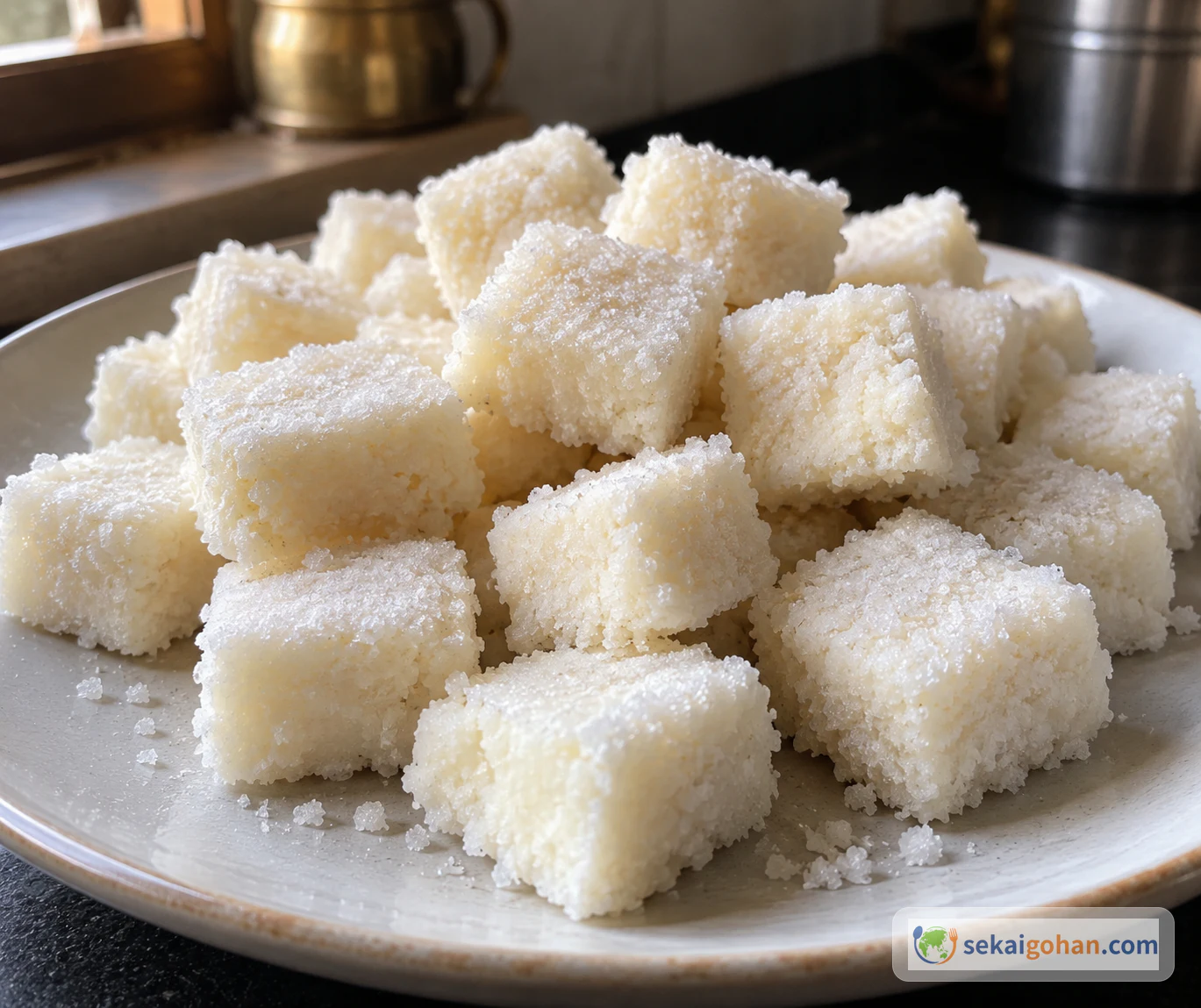
Chhena Mudki: Dry Sugar-Coated Paneer Cubes (Chena Murki)
How to make Chhena Mudki, the sugar-coated cheese sweet linked to Bhadrak in Odisha, using a Bengali home recipe for Chena Murki. Covers how this recipe differs from older Bhadrak records, how chhena and paneer differ, how to choose soft paneer, and how to take sugar syrup from a single thread to a dry, white crystalline coat.
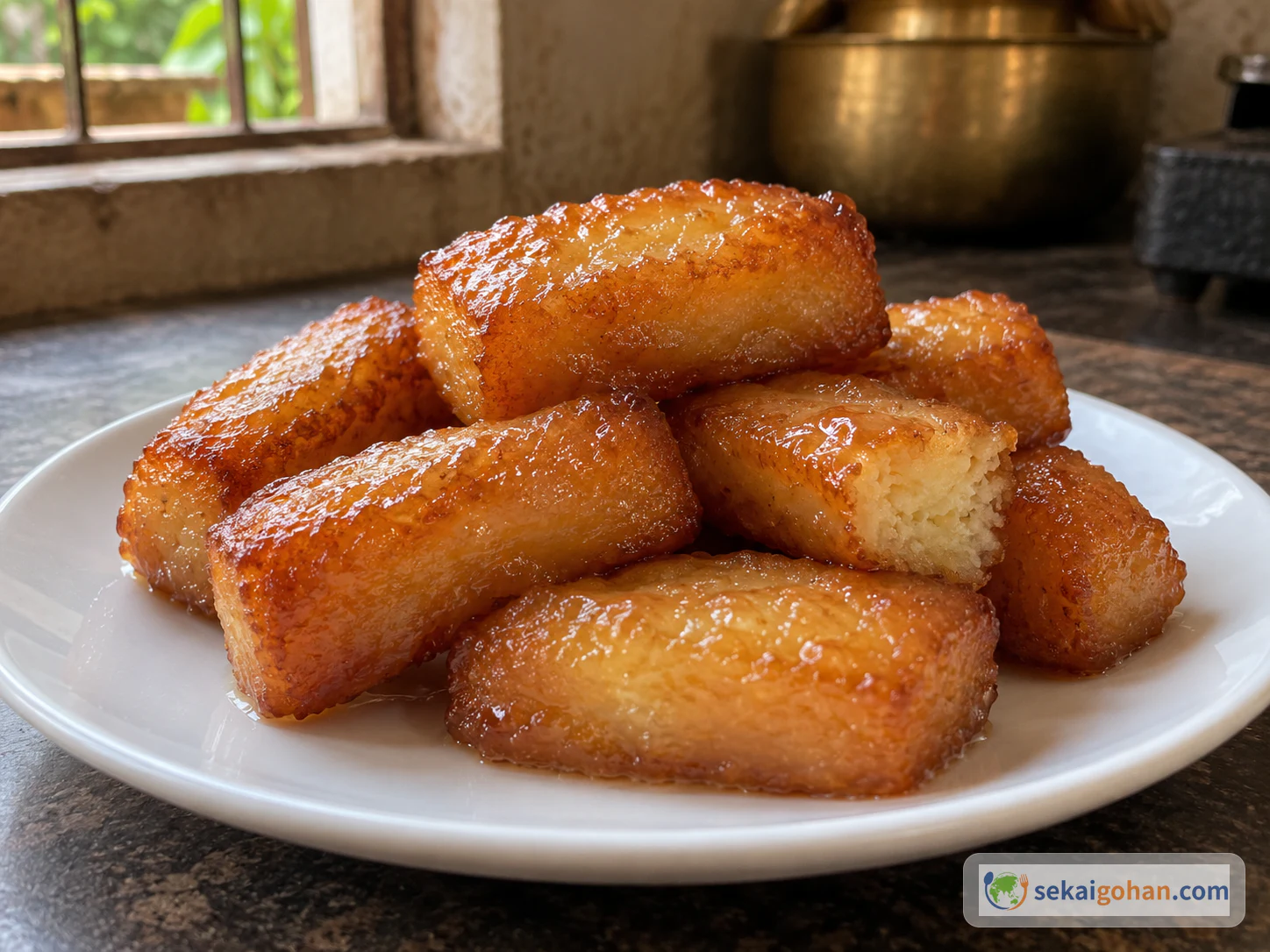
Chhena Gaja: Fried Chhena Blocks Soaked in Warm Rose Syrup from Odisha (ଛେନା ଗଜା)
How to make chhena gaja, the Odia sweet of fresh chhena kneaded with a spoonful of semolina, shaped into small squares or short logs, fried golden and soaked in warm rose-scented syrup for about an hour. Follows one published home recipe from 1 L of milk, with the cues for curdling, the one-string syrup, testing the oil and the soak, plus how other published versions differ.
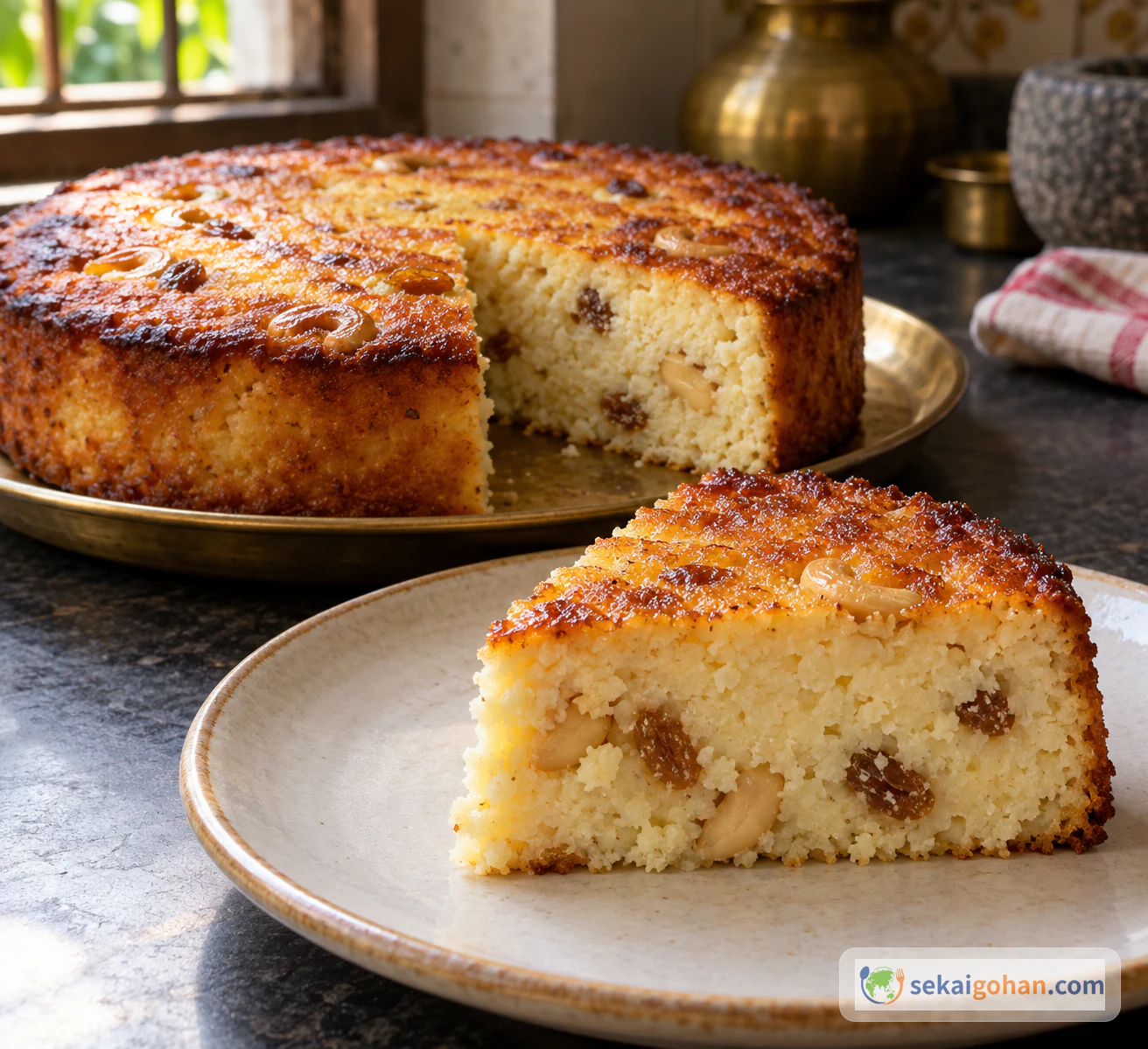
Chhenapoda: Odisha's Golden Baked Chhena Sweet (Chhena Poda)
How to make Chhenapoda (Chhena Poda, Chenna Poda), the baked fresh-cheese sweet of Odisha, following Shristi Sahoo's home-oven recipe: 500 g fresh chhena with sugar, cardamom, semolina, cashews and raisins, baked at 180°C for 30–40 minutes until golden brown and a skewer comes out clean. Covers using paneer, the ghee split, doneness checks, and the dish's background in Odisha.
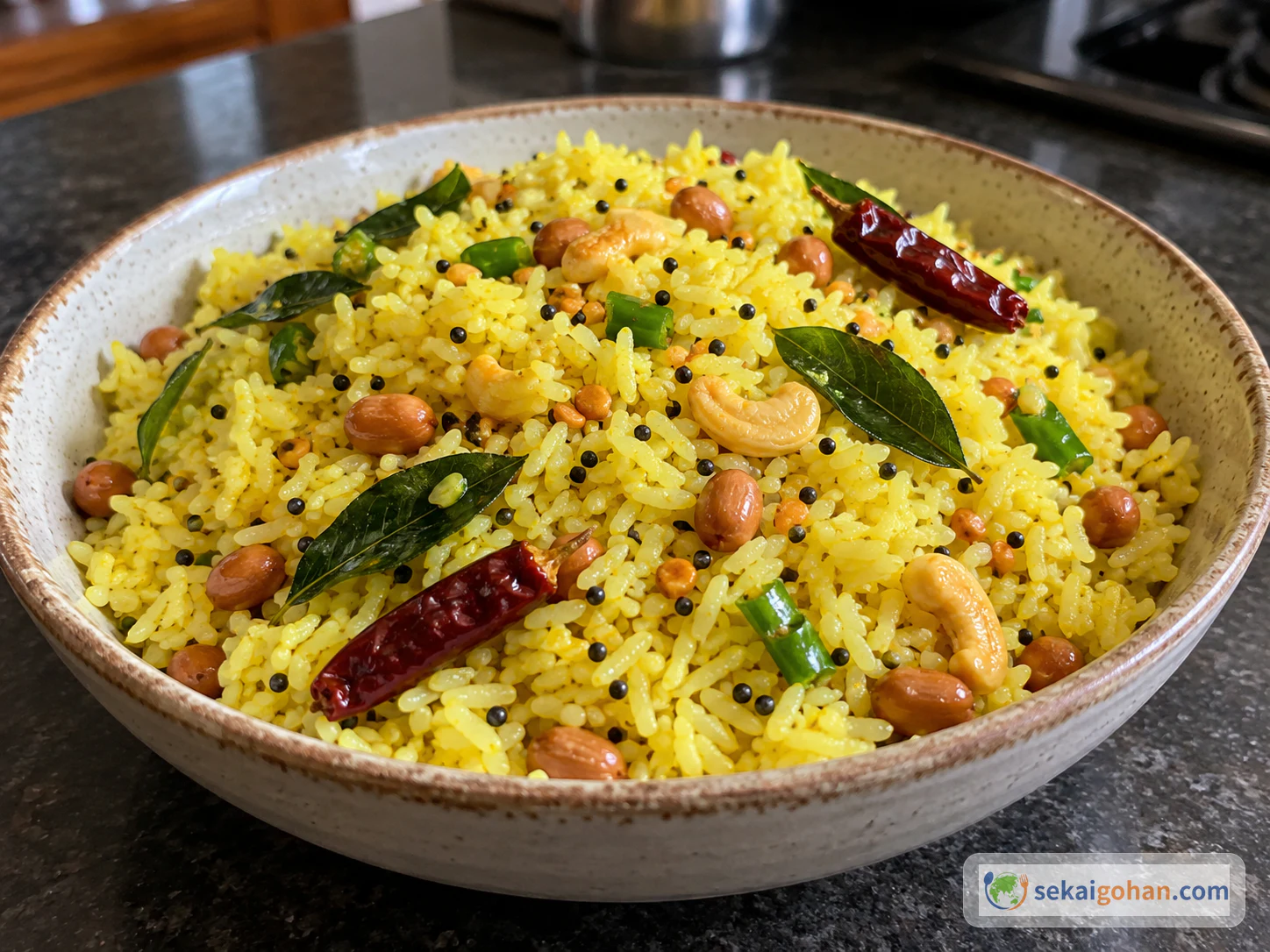
Chitranna: South Indian Lemon Rice with Peanuts, Cashews and Curry Leaves (ಚಿತ್ರಾನ್ನ)
How to make chitranna (ಚಿತ್ರಾನ್ನ), the lemon rice that Karnataka Tourism describes as a popular Karnataka rice dish, following one fixed version of Dassana Amit's recipe. Cooked rice is tossed with a sesame-oil tempering of mustard seeds, urad dal, curry leaves and chilies, with turmeric and hing added off the heat and lemon juice mixed in last. Covers the order of the tempering, fixing common mistakes, variations and the dish's place in Karnataka.
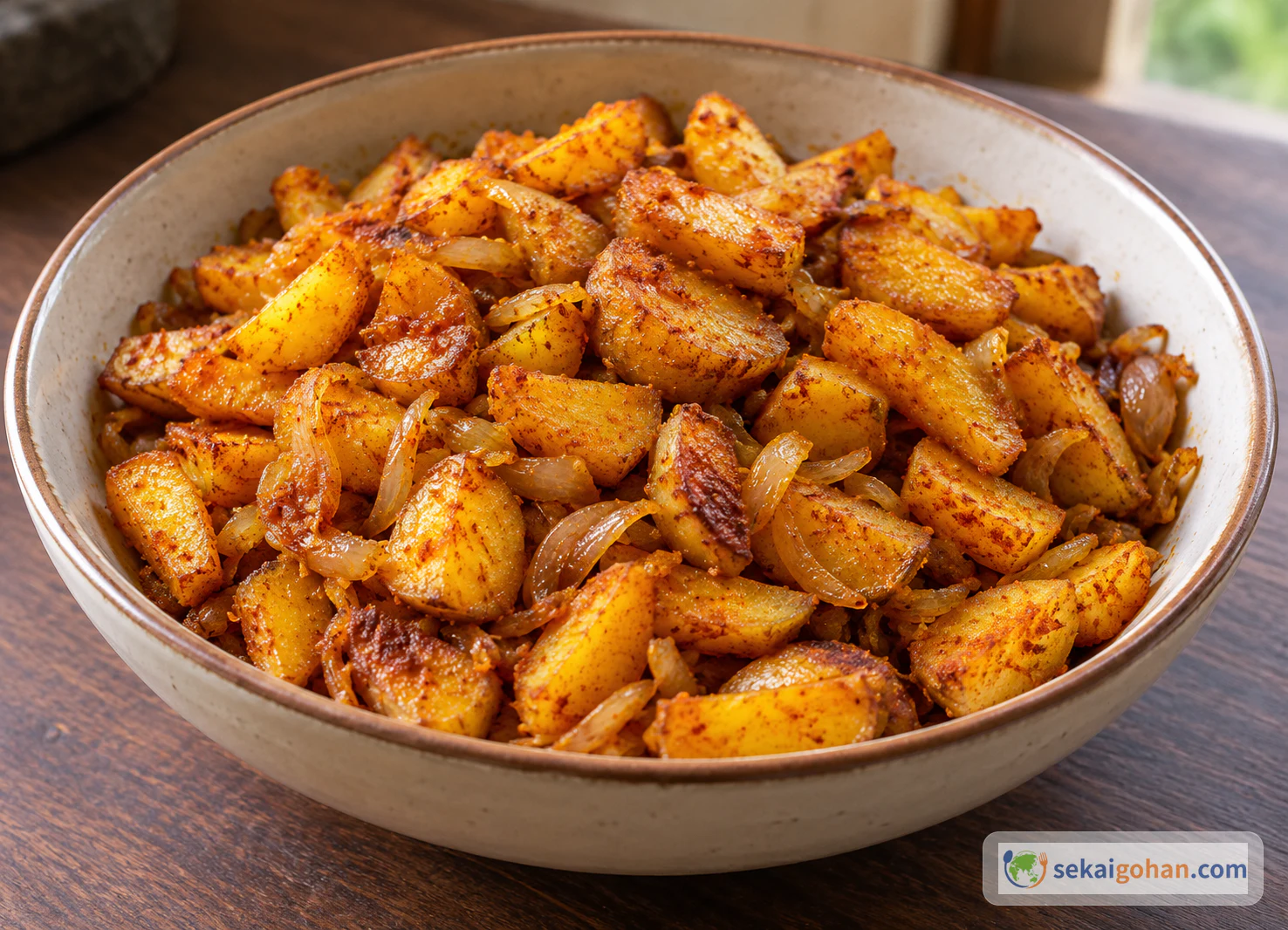
Koorkka Mezhukkupuratti: Kerala-Style Chinese Potato (Koorka) Stir-Fry with Shallots
A home recipe for Koorkka Mezhukkupuratti, Chinese potato (Koorka) precooked until soft with salt, turmeric and chilly powder, then stir-fried briefly with sliced shallots in coconut oil. This article follows one written recipe in its original units and order, explains what Koorka is and why it is not an ordinary potato, and is clear about what the source leaves unspecified.