
Recipes (46)
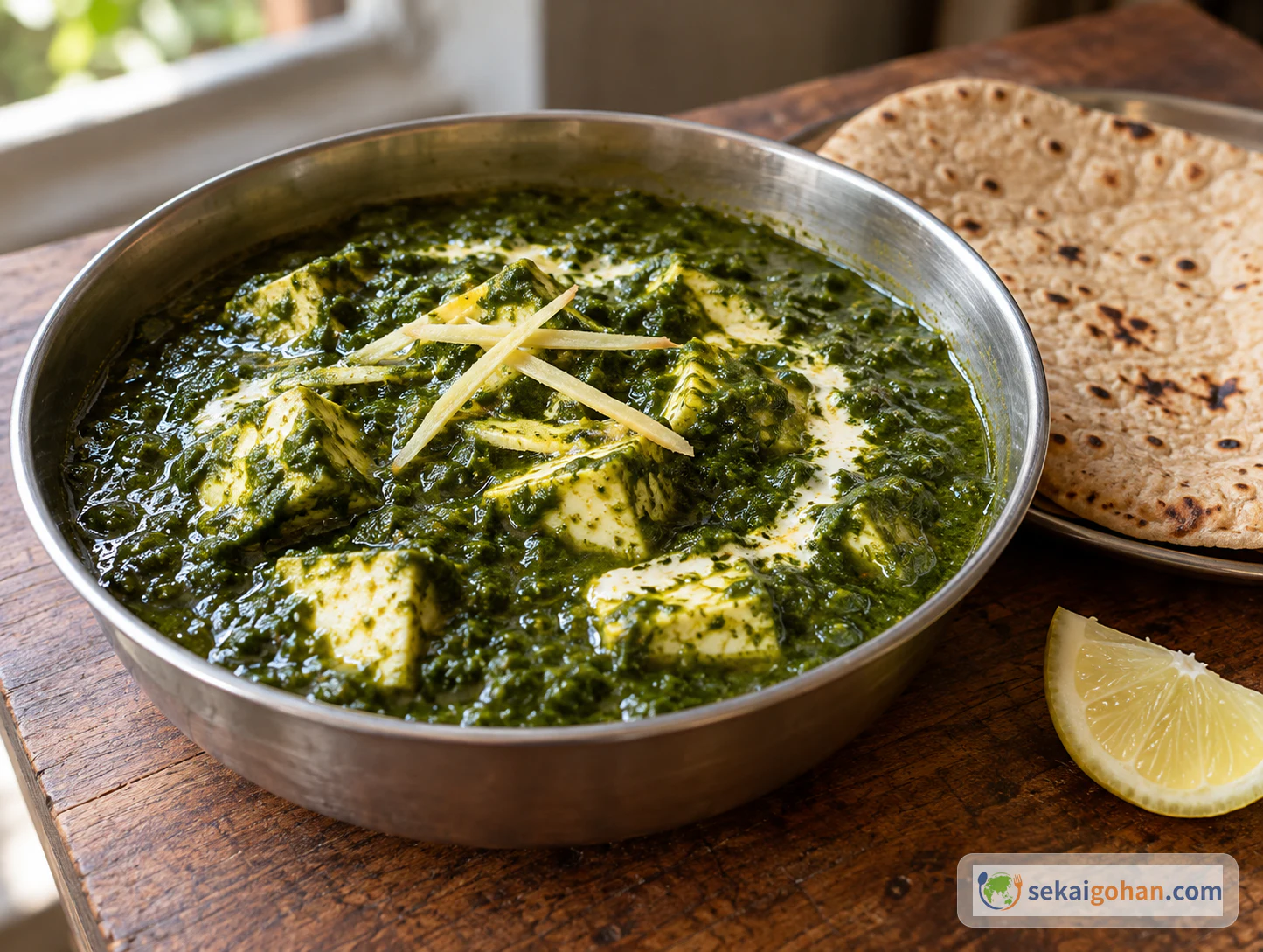
Palak Paneer: Spinach Gravy with Soft Paneer (पालक पनीर)
How to make homestyle palak paneer for 4: blanch spinach for about a minute, cool it in ice water to help hold its green, blend it with ginger, garlic and green chili, cook it into an onion-tomato masala, then fold in the paneer, turn off the heat and add the cream. Includes ingredient choices, substitutions, fixes for dull color or watery sauce, and how palak paneer differs from saag.
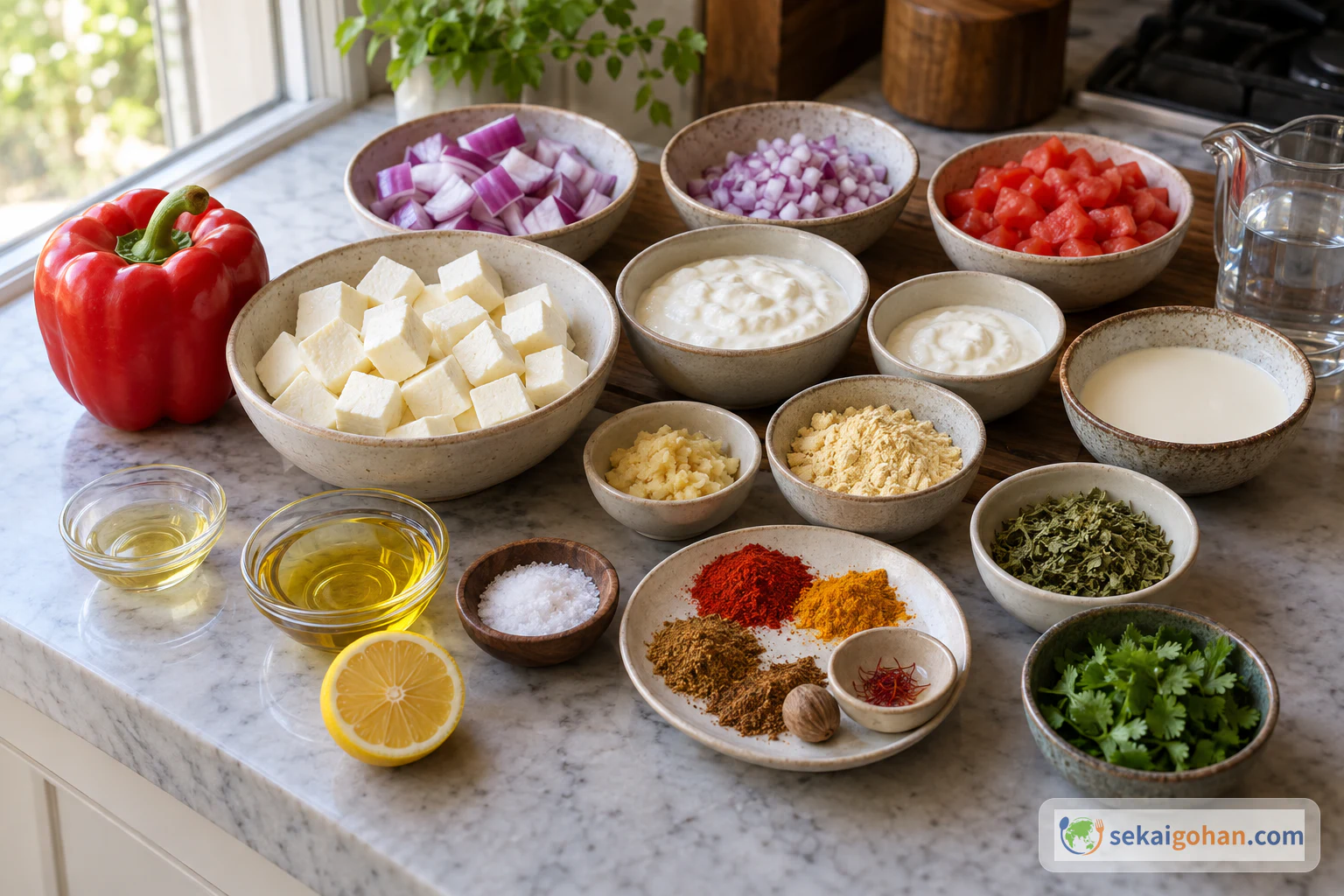
Paneer Tikka Masala: Oven-Browned Paneer in a Tomato-Onion Cream Gravy
How to make paneer tikka masala for four, following one North Indian restaurant-style recipe: paneer, onion and bell pepper marinated in thick spiced yogurt and grilled in the oven at 200°C, then folded into a tomato-onion gravy finished with cream and kasuri methi. Covers choosing paneer, Kashmiri chilli, besan and kasuri methi, how it differs from paneer tikka and paneer butter masala, and how to avoid rubbery paneer and split yogurt.
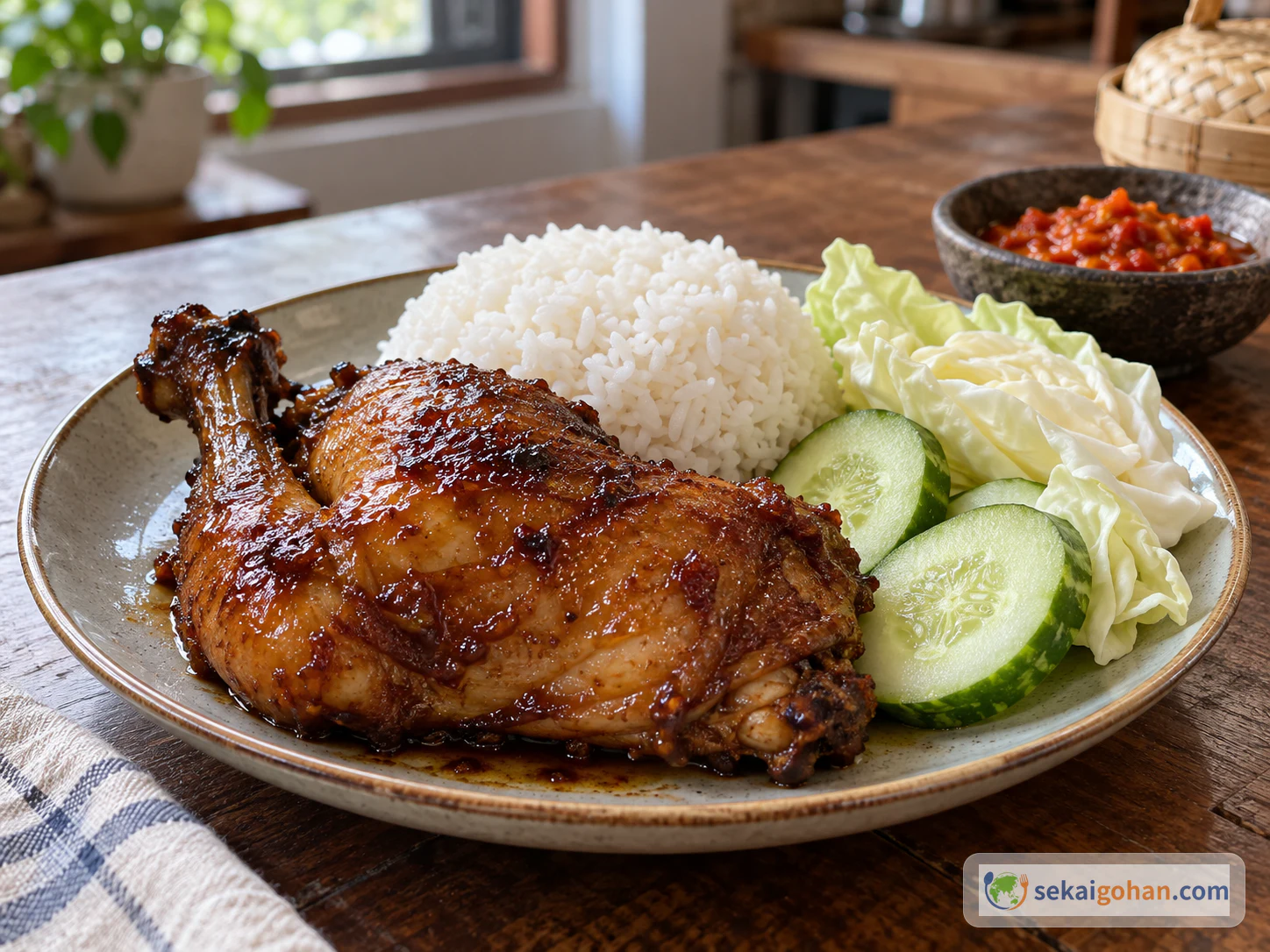
Ayam Goreng Kalasan: Yogyakarta Fried Chicken Braised in Coconut Water
How to make ayam goreng Kalasan, the chicken from Kalasan near Yogyakarta that is braised in coconut water with palm sugar, kecap manis and a shallot-galangal paste, then fried. Covers how it differs from everyday ayam goreng, Mbok Berek and the local story, kremes and sambal at the table, substitutions, and how to check doneness with a thermometer.
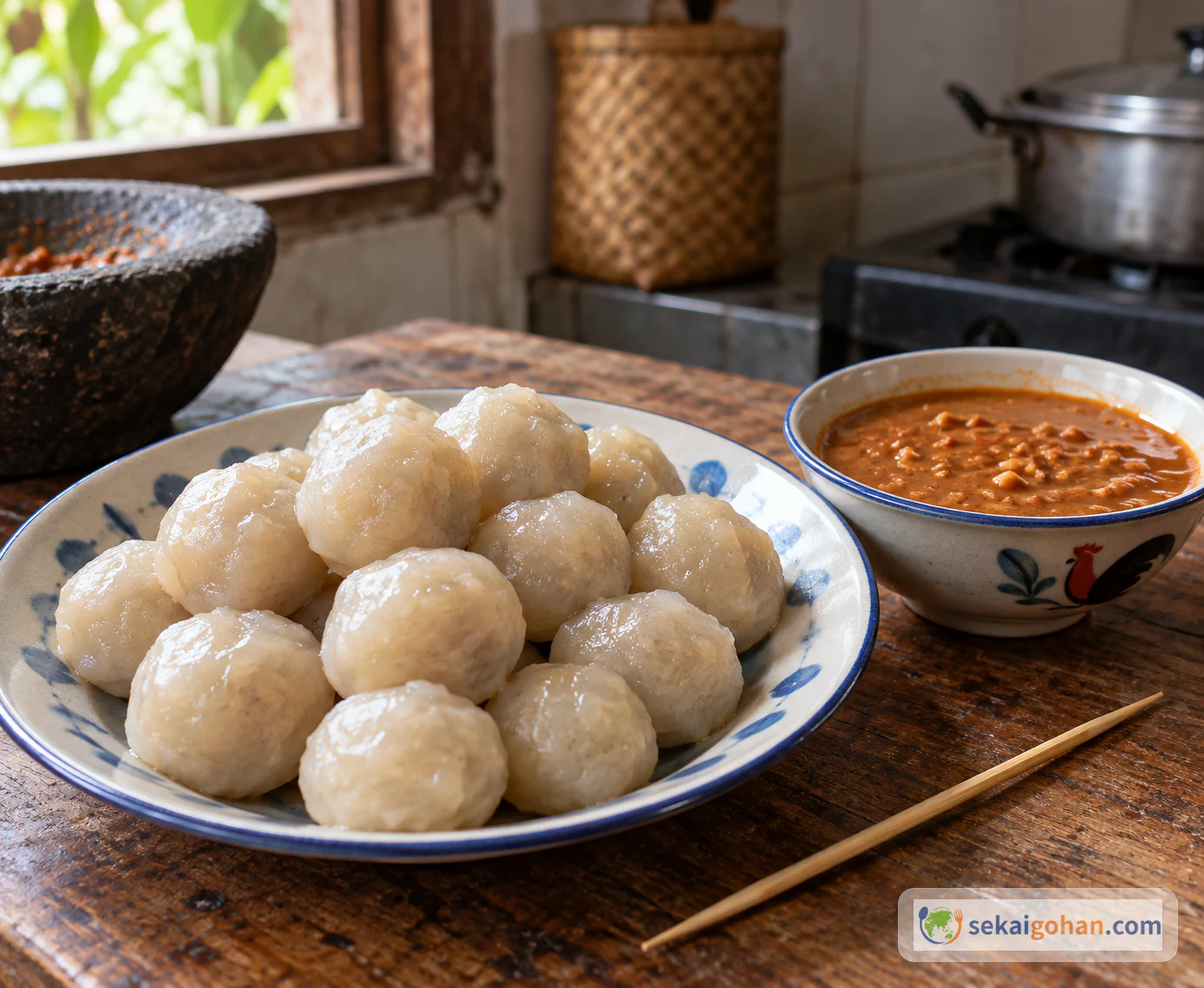
Cilok: Indonesian Tapioca Balls with Peanut Sauce (Aci Dicolok)
How to make cilok, the round, chewy tapioca balls from Indonesia, following one Bandung-style recipe by Valentina Limbong on Masak Apa Hari Ini. Covers the meaning of the name aci dicolok, the dough and peanut-sauce ingredients in their original units, why the three waters stay separate, each step in order, and what the source leaves unstated.
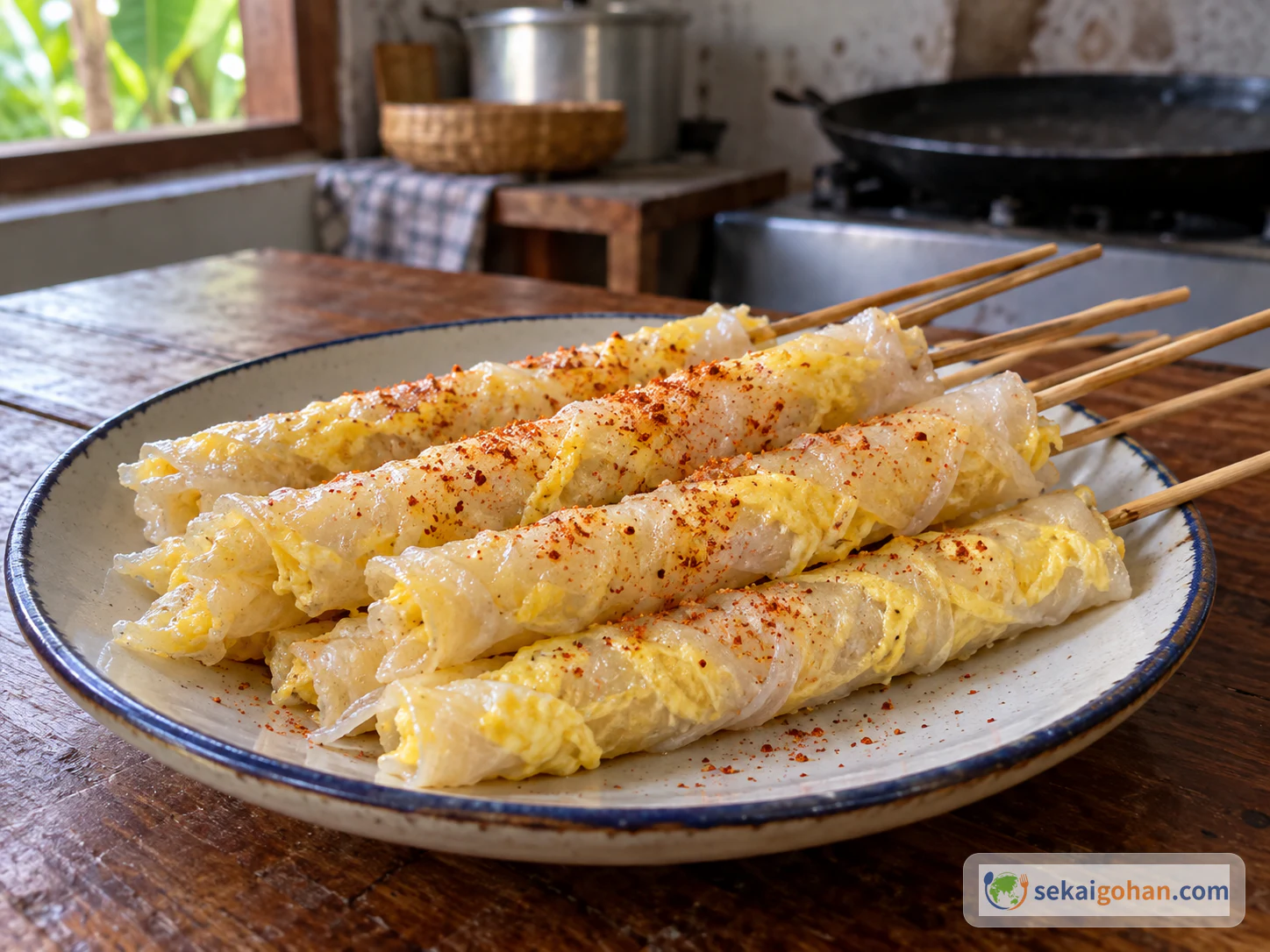
Cilung: Indonesian Tapioca and Egg Rolled on a Skewer (Aci Digulung)
How to make Cilung (aci digulung), an Indonesian snack of thin tapioca batter layered over a spoonful of beaten egg in a pan and rolled onto a bamboo skewer. Based on one home recipe posted from Garut, West Java, with the batter ratio, the separate egg, the order in the pan, when to roll, and a chili-powder-only finish. Amounts the recipe never gives are marked as unstated.
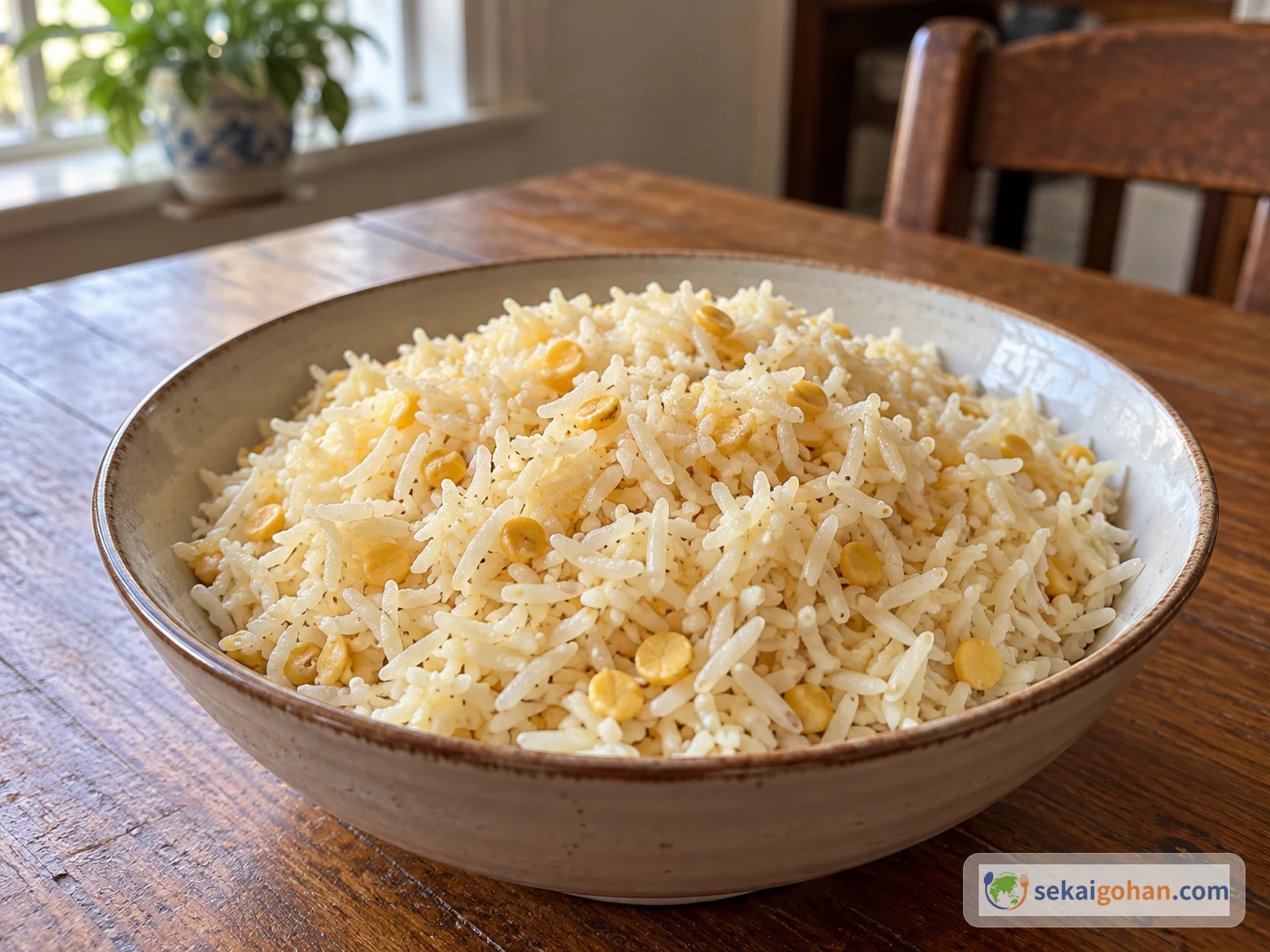
Pe Htaw Bhut Htamin: Burmese Butter and Lentil Rice
How to make pe htaw bhut htamin (ထောပတ်ထမင်း), the Myanmar rice dish of basmati rice and split chana dal cooked with butter, bay leaves and cinnamon. Follows a Burmese cook's gram-and-millilitre recipe, from the 8-hour dal soak to the low-heat finish and the rest, with how it differs from hsi htamin and what it is eaten with.
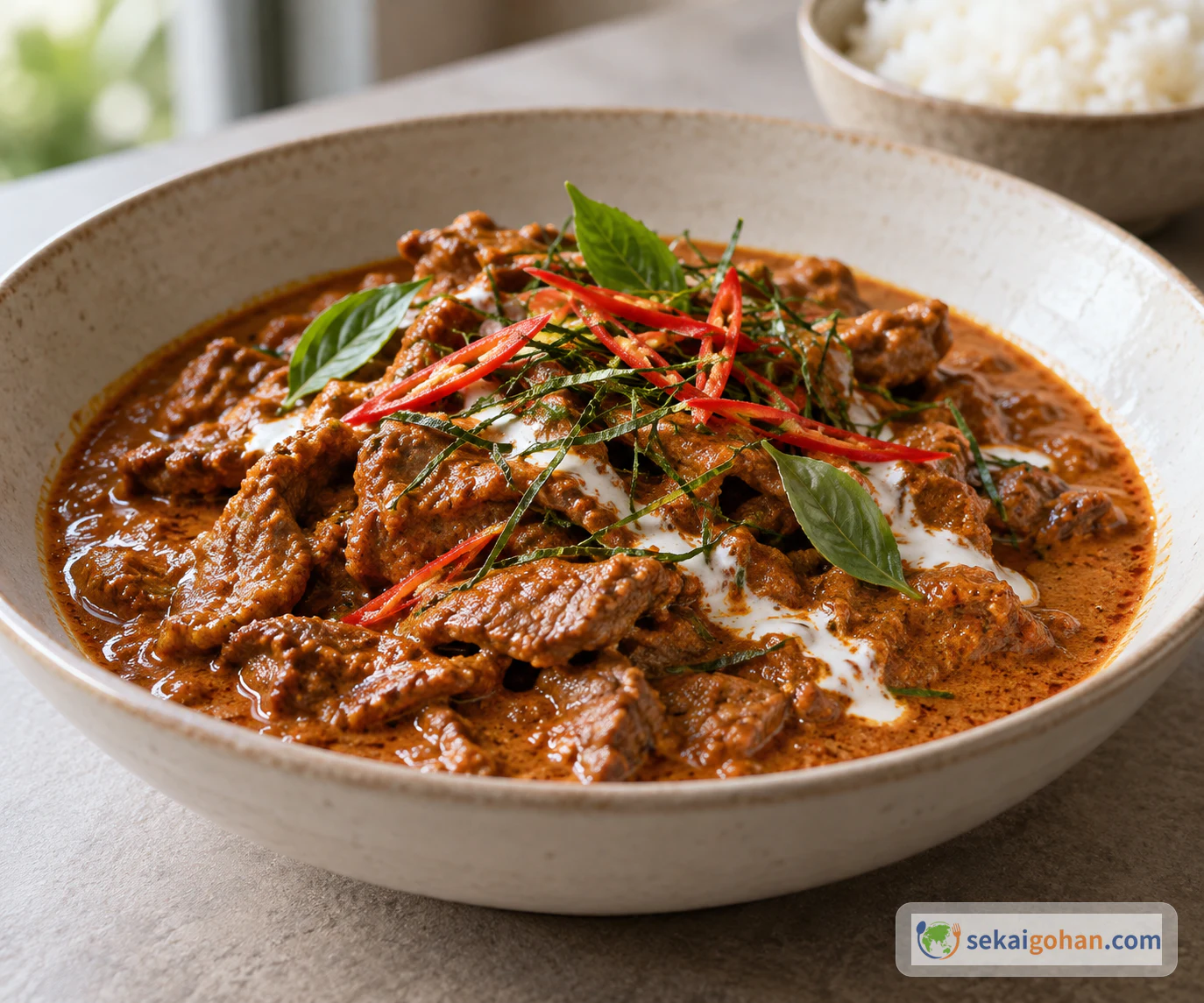
Panang Curry: Thai Beef in a Thick, Clinging Coconut Sauce (Phanaeng, พะแนง)
How to make Thai beef panang curry (phanaeng, พะแนง): why the coconut milk is split and fried in stages, how to choose panang curry paste, how to use makrut lime leaves and fish sauce, honest substitutions, how it differs from massaman and green curry, and general food-safety guidance for cooking, cooling and reheating.
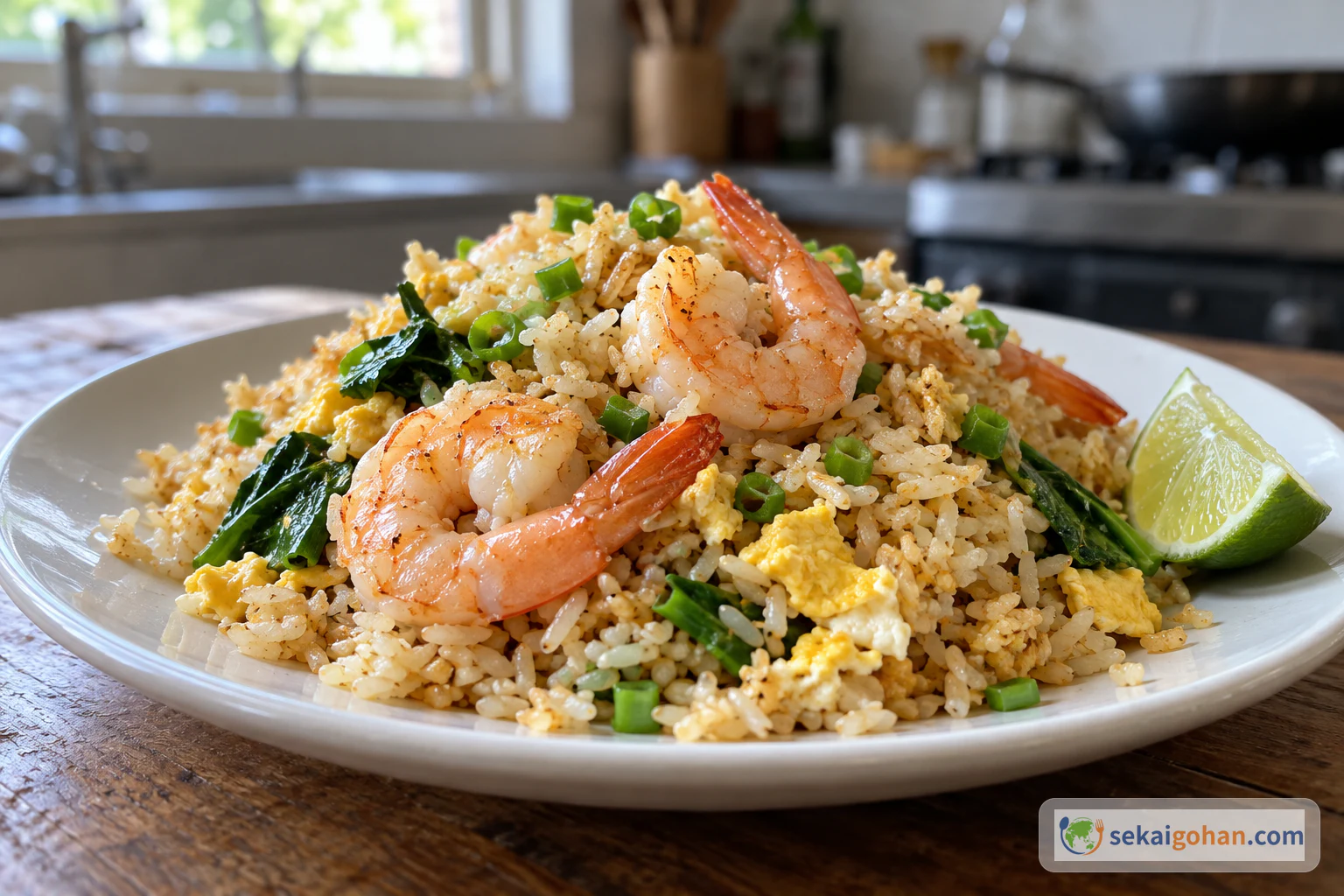
Khao Pad Goong: Thai Shrimp Fried Rice (ข้าวผัดกุ้ง)
How to make khao pad goong, Thai shrimp fried rice, as a single serving: jasmine rice, shrimp, egg and Chinese broccoli stir-fried in a hot wok, then finished at the table with lime and prik nam pla, a chili and fish sauce condiment. Covers the cooking order, substitutions, fixing common problems, and handling cooked rice safely.
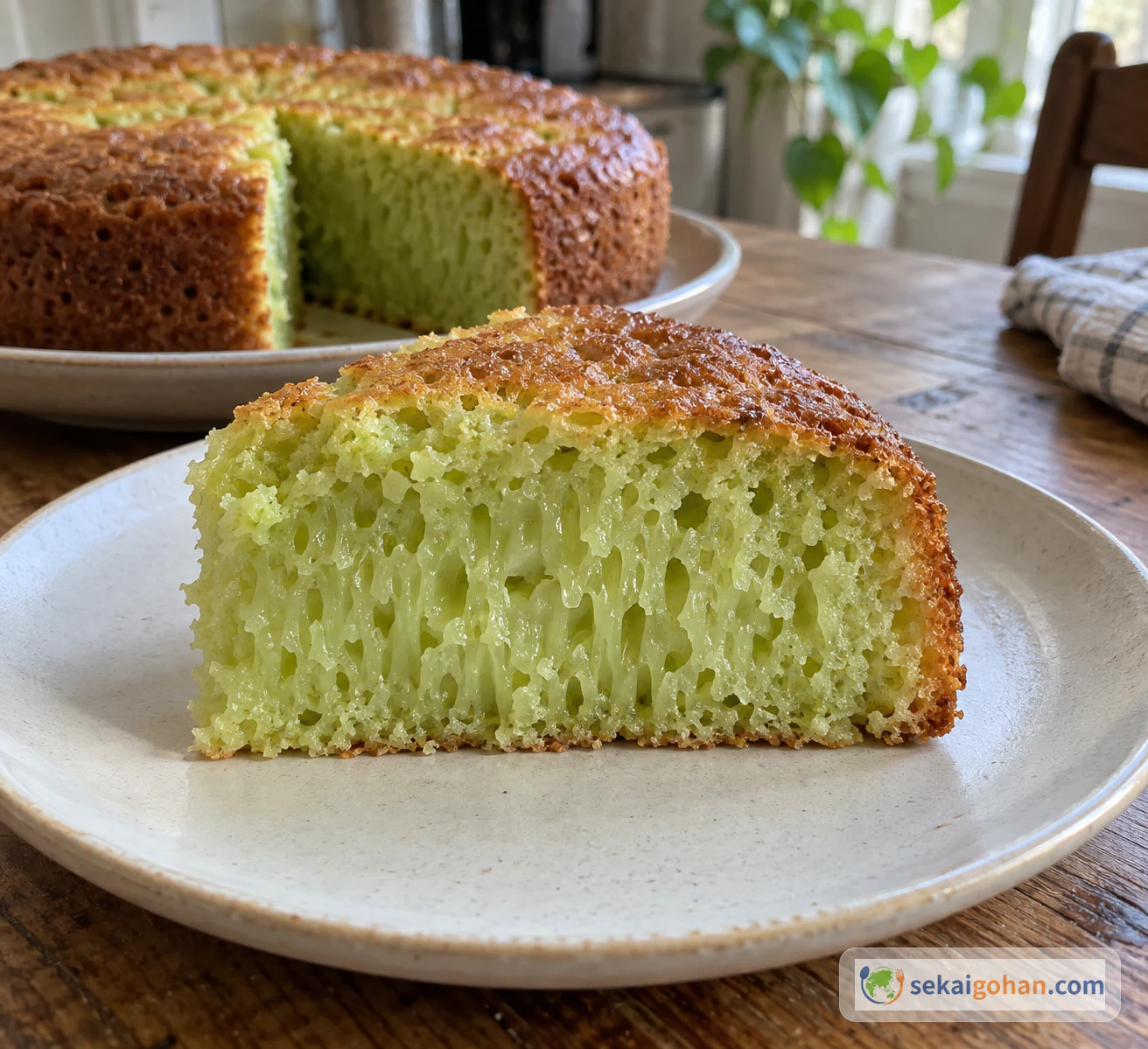
Bánh Bò Nướng: Vietnamese Baked Honeycomb Cake with Coconut and Pandan (Bánh bò)
How to make bánh bò nướng, the baked Vietnamese honeycomb cake scented with coconut milk and pandan, in a 20cm round tin. Covers the Australian spoon measures in the source recipe, mixing the batter without whipping the eggs, straining it into a bowl, whisking again and pouring it into a preheated tin, judging when it is baked, cooling it upside down, and how it differs from steamed bánh bò and palm-sugar versions.
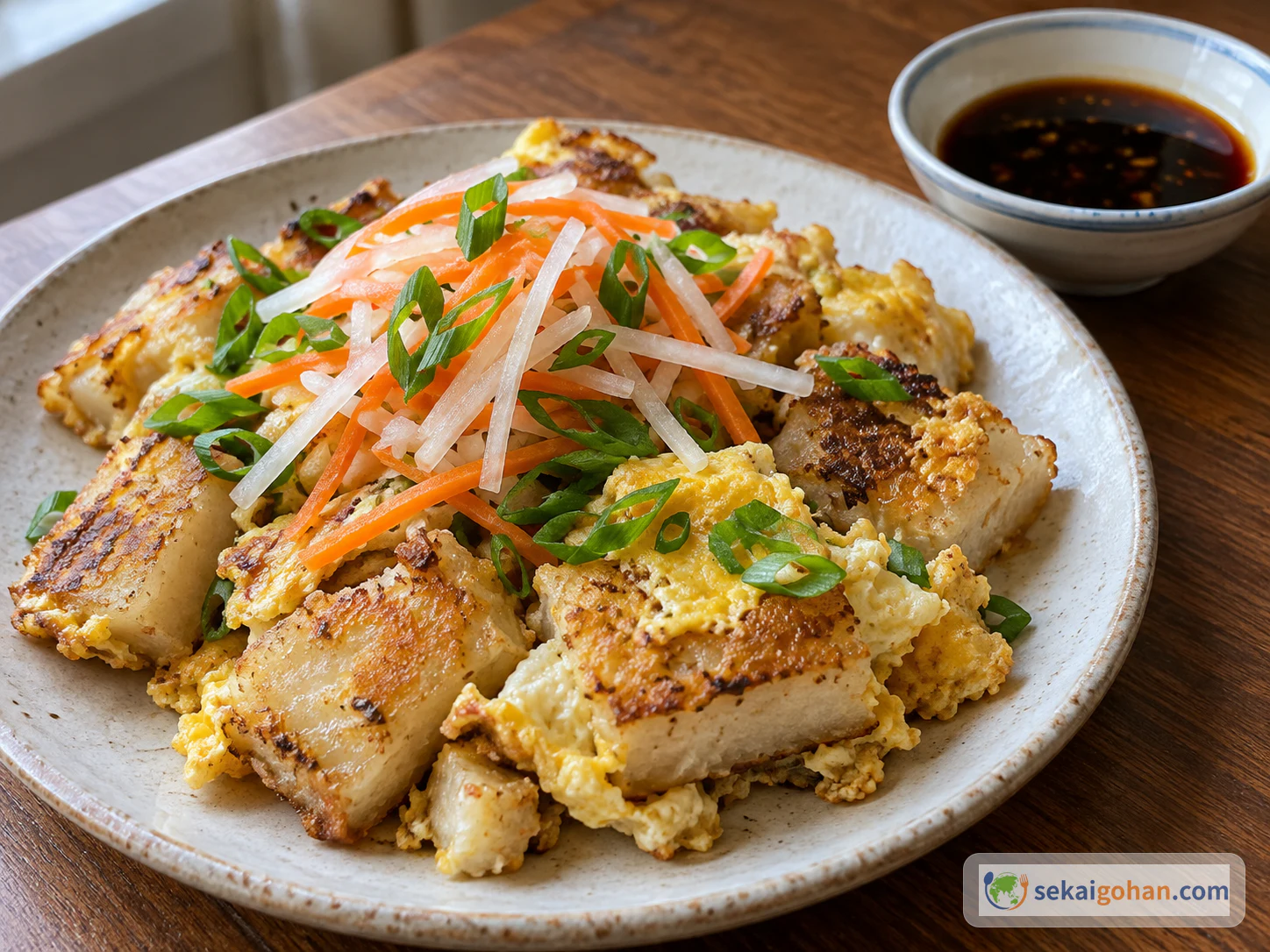
Bánh Bột Chiên: Saigon Pan-Fried Rice Flour Cake with Egg (Bột Chiên)
How to make bánh bột chiên (bột chiên), the Saigon street snack of steamed rice-flour cake cut into small pieces, pan-fried until golden and set with egg. Covers the rice flour and tapioca starch batter, steaming and cutting, frying one serving at a time, the black vinegar soy dipping sauce, daikon and carrot toppings, substitutions, and the dish's place among Saigon's Chinese-Vietnamese street food.
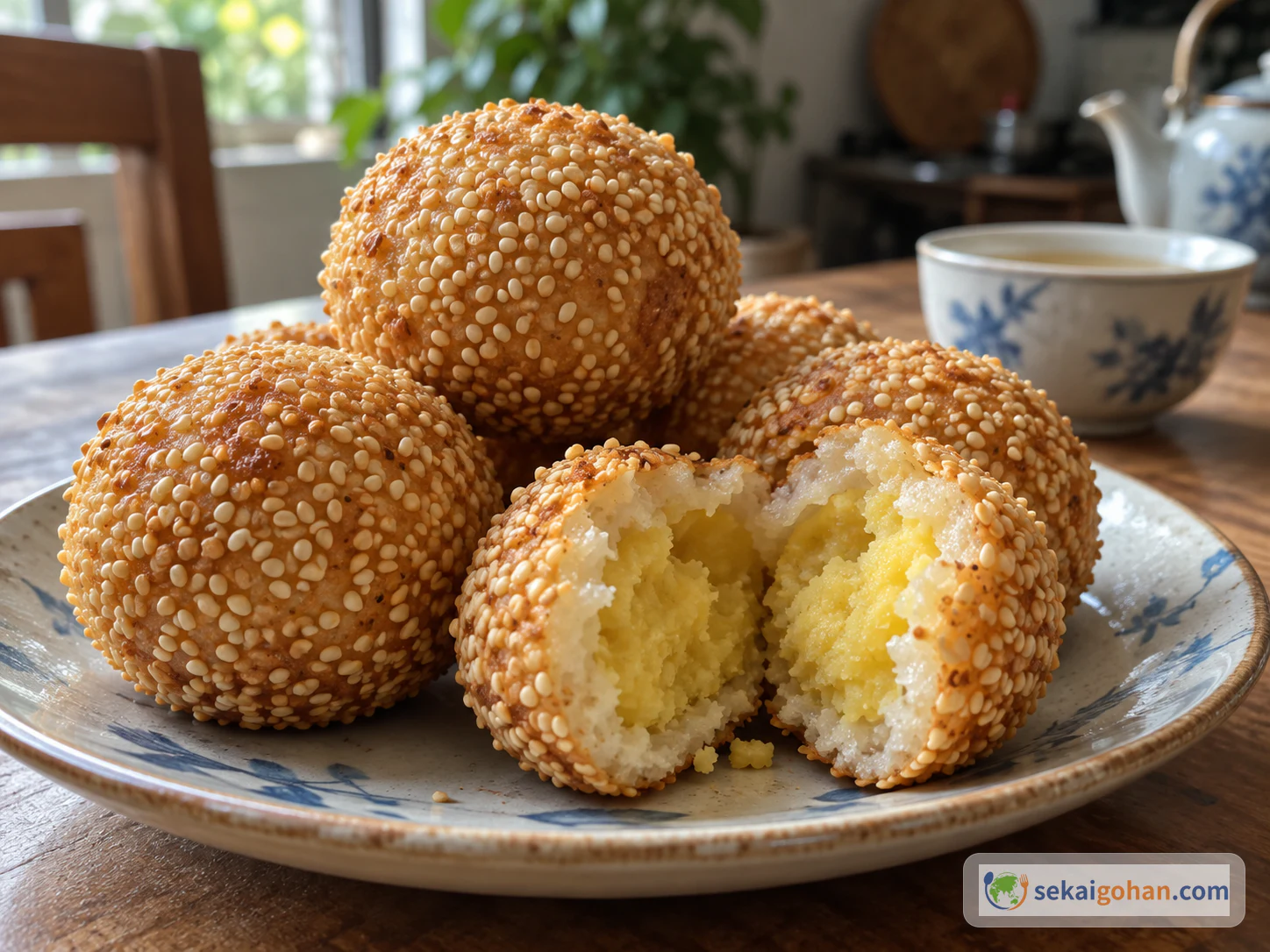
Bánh Cam: Vietnamese Sesame Balls with Sweet Mung Bean Filling
How to make bánh cam, the southern Vietnamese fried sesame ball: a sweet mashed mung bean filling wrapped in glutinous rice dough, rolled in white sesame and fried at 180°C until golden. Covers the source recipe's amounts for 10–12 pieces, wrapping without air gaps, reading the frying color, the northern name bánh rán, and how to judge the optional coconut.
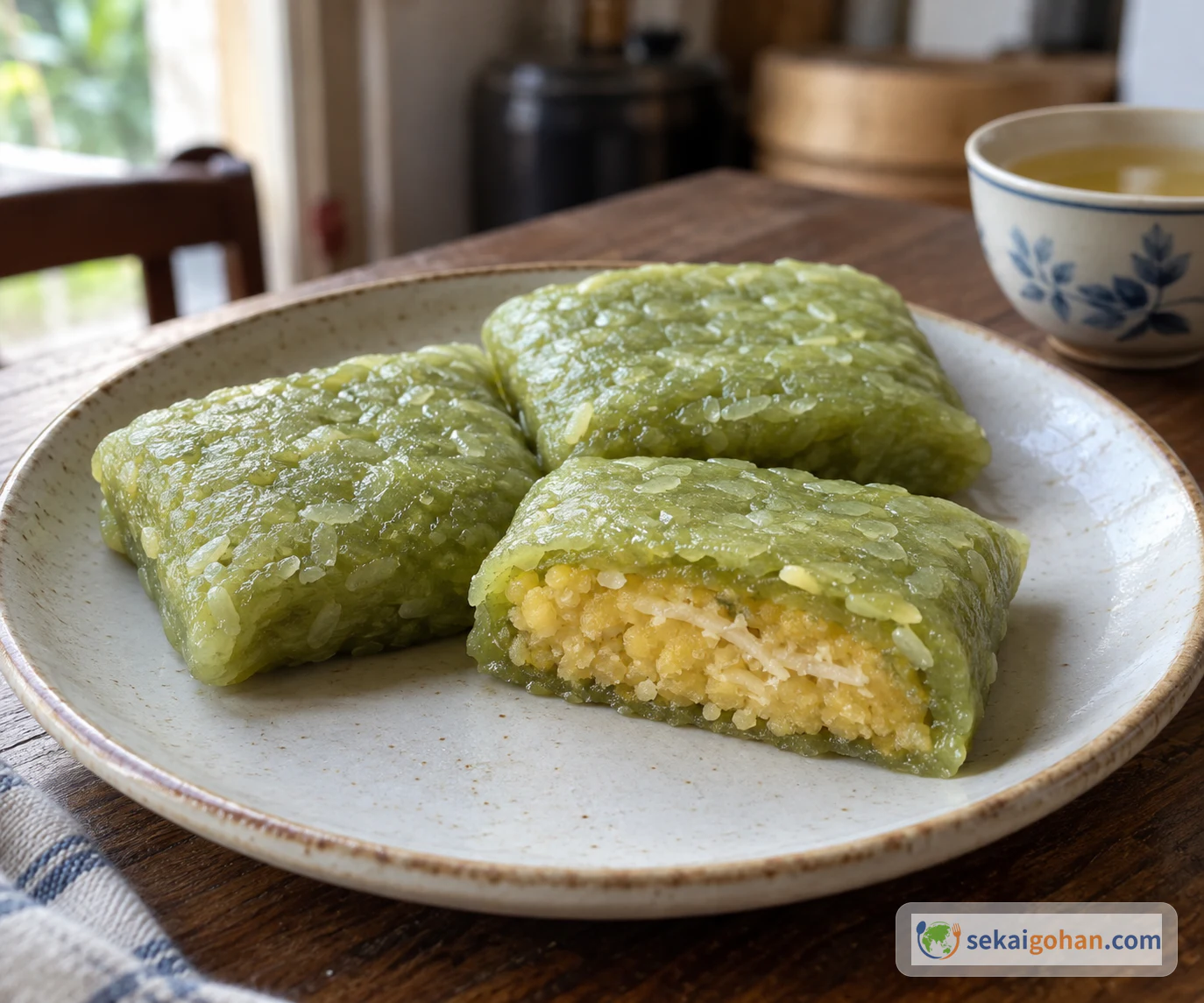
Bánh Cốm: Hanoi's Square Young-Rice Cake with Mung Bean Filling (Hàng Than Style)
How to make bánh cốm, the Hanoi confection from Hàng Than Street: a chewy green shell of young glutinous-rice flakes (cốm) wrapped around a sweet mung bean and coconut filling. Covers rehydrating dried cốm, cooking a filling that holds its shape, stirring the shell until sticky, pressing the cake square, and how it fits into Hanoi's engagement gifts and tea.
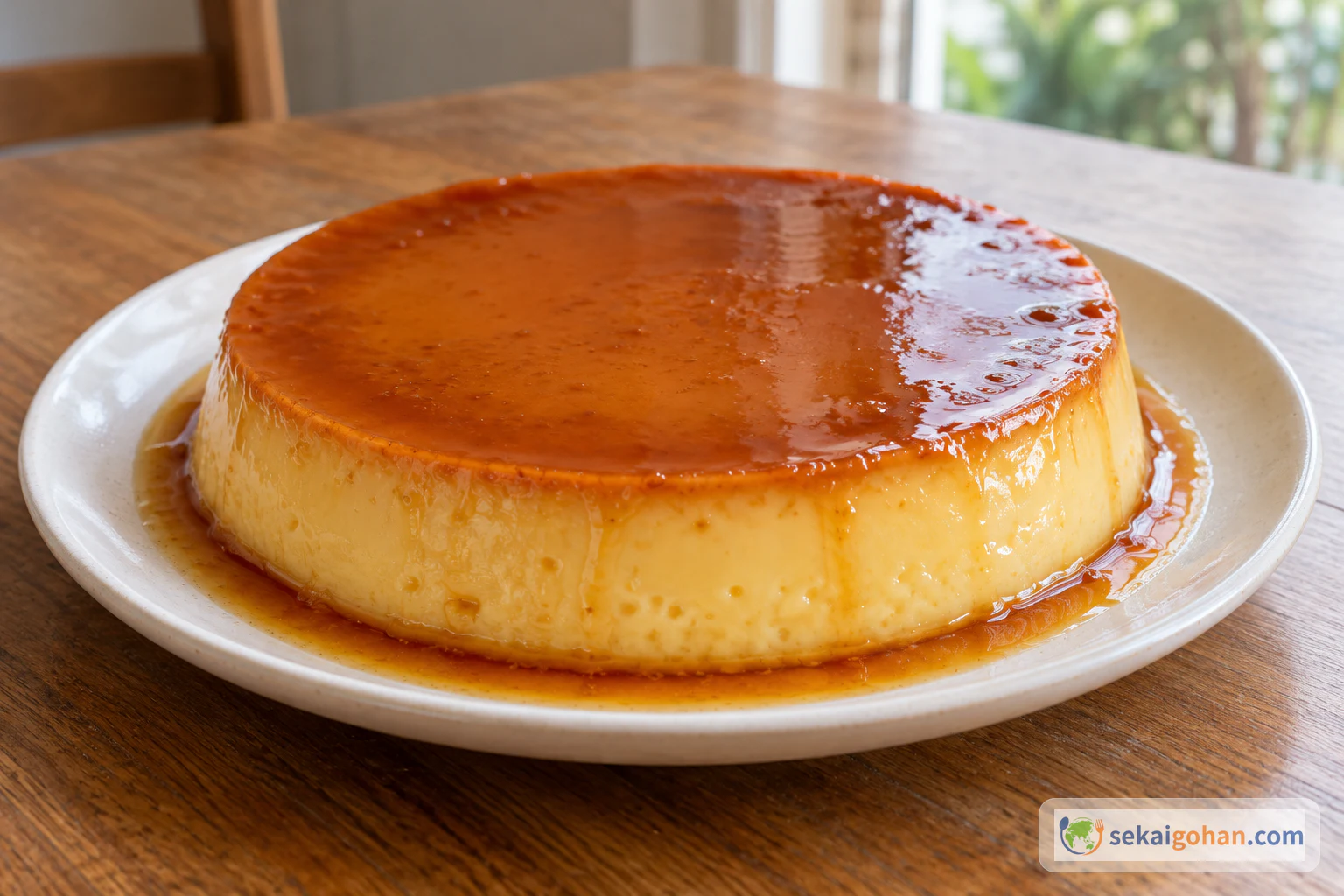
Bánh Flan: Vietnamese Crème Caramel with Whole Eggs and Milk
How to make Vietnamese bánh flan, a whole-egg custard baked in a water bath over amber caramel. Covers caramel color, straining, judging the set by the edges and a slight center jiggle, unmolding, the optional coffee pairing, how home versions differ, and US food-safety guidance for storage.
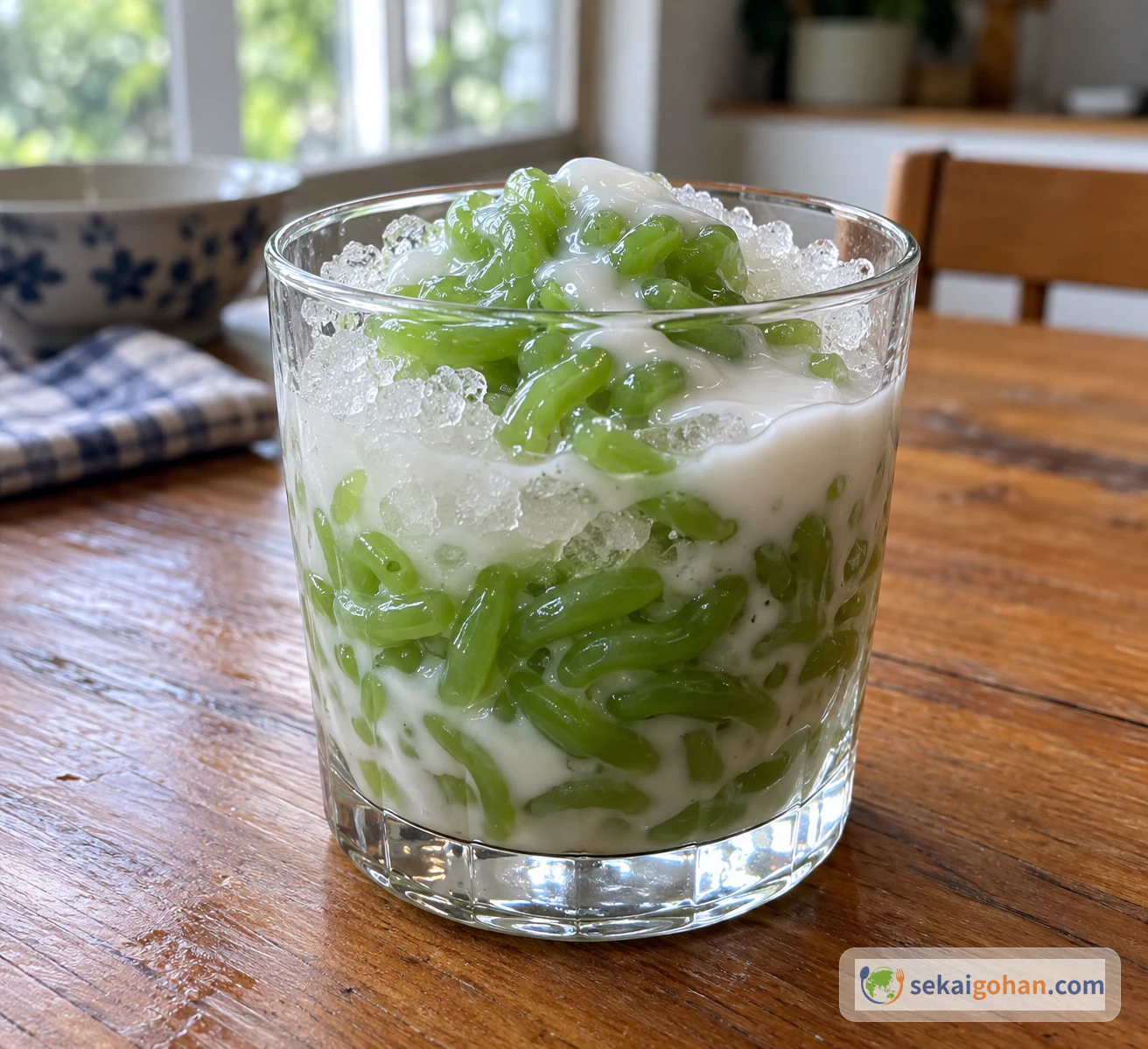
Bánh Lọt: Vietnamese Pandan Jelly Strands with Coconut Sauce and Syrup (Chè Bánh Lọt)
How to make bánh lọt (chè bánh lọt), the southern Vietnamese chilled dessert of pandan-green starch strands pressed into ice water and served with coconut sauce, clear sugar syrup and crushed ice. Follows one Vietnamese magazine recipe in its original cup and spoon measures, with notes on water chestnut starch versus tapioca starch, the press, other versions, and what the source leaves unstated.
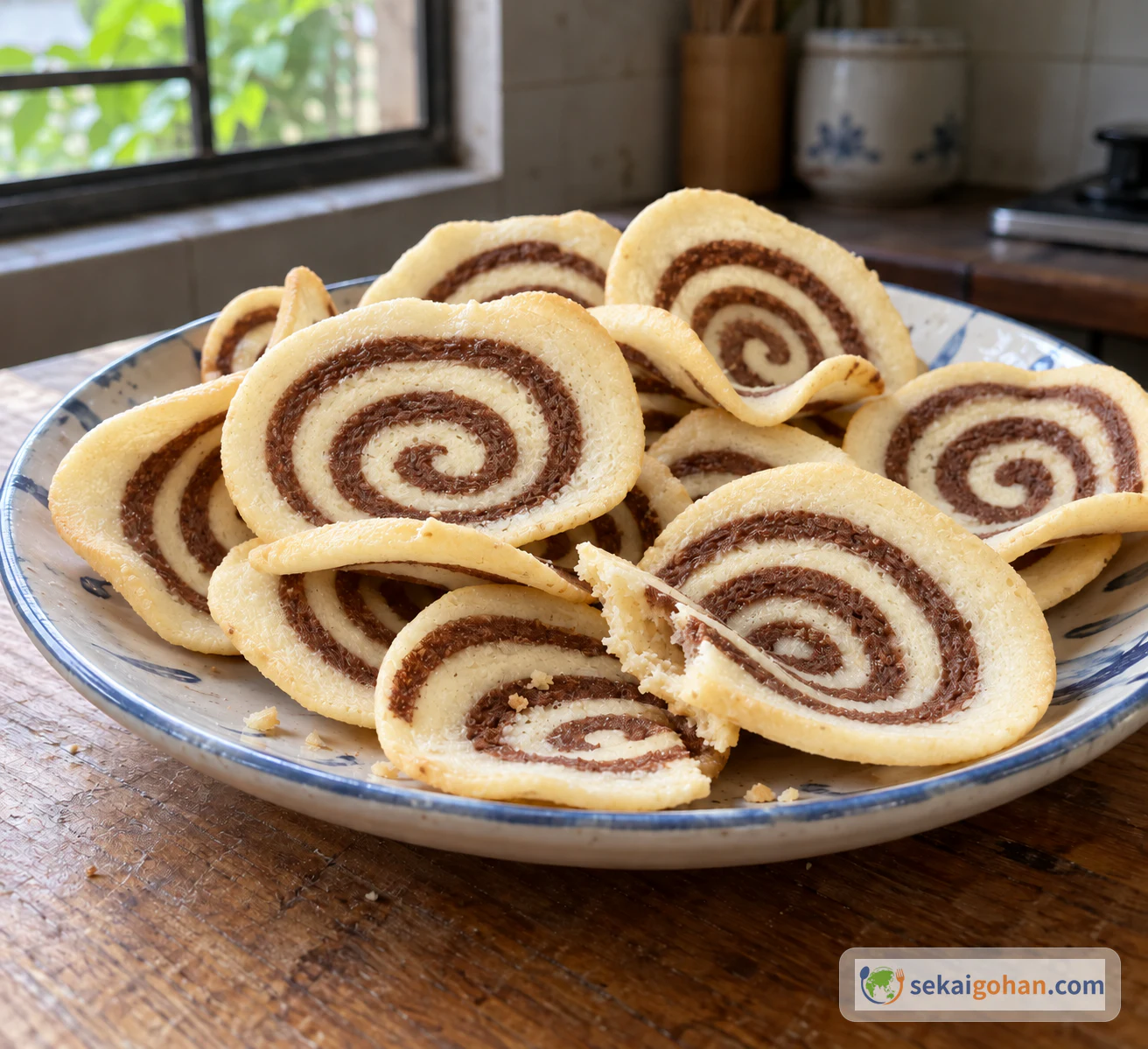
Bánh Tai Heo: Vietnamese Pig's Ear Cookies (Bánh lỗ tai heo), No Pork Involved
How to make bánh tai heo, the Vietnamese fried spiral cookie named for the pig-ear shape of its slices. A pale dough and a cocoa dough are made separately, layered, rolled tightly, chilled, sliced very thin, pressed flat and fried briefly in low-heat oil so the pale parts stay pale. Includes the coconut-milk base, how to split the egg mixture, frying cues, fixes, variations and airtight storage.
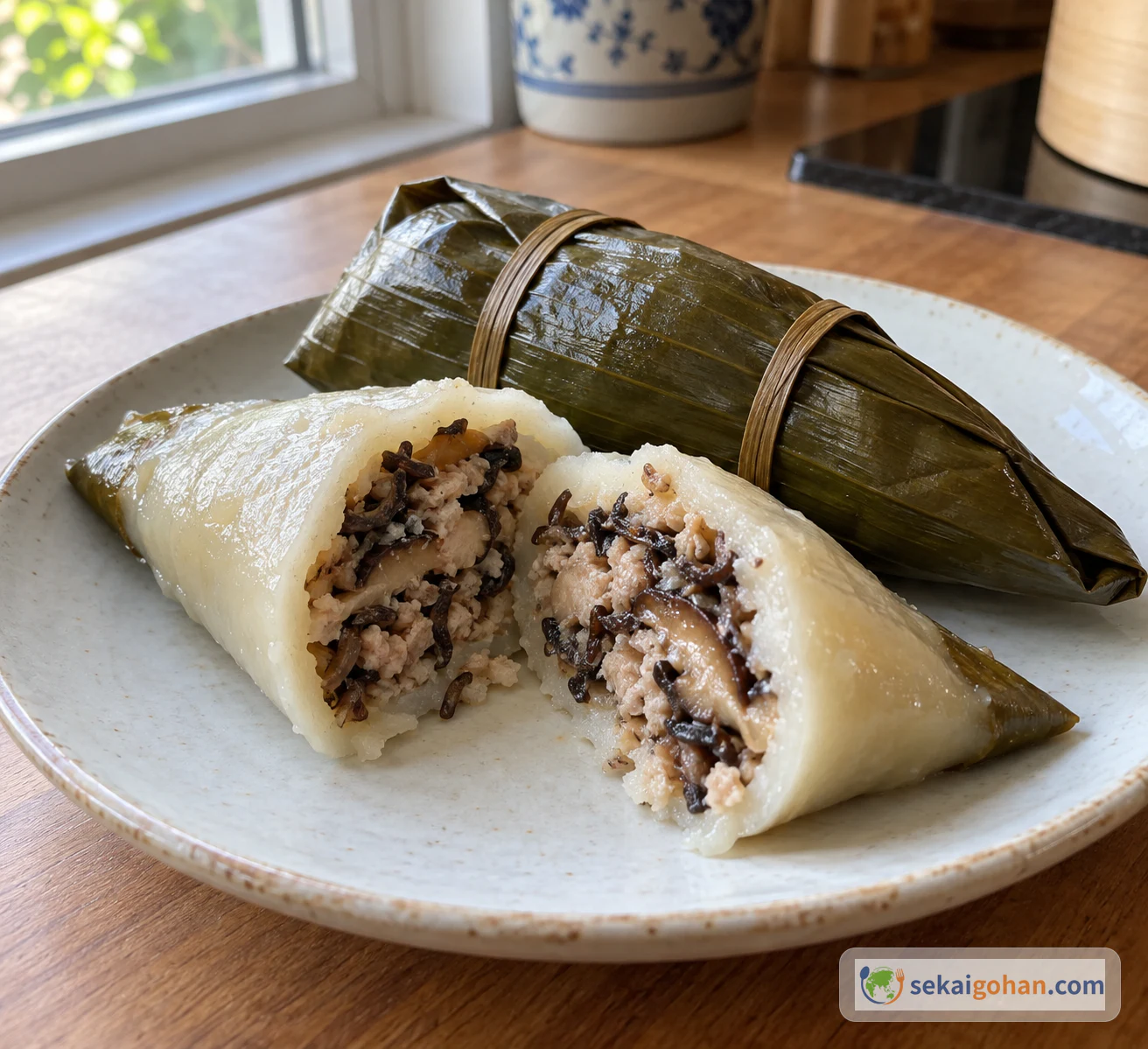
Bánh Tẻ: Northern Vietnamese Rice-Flour Parcels with Pork and Mushroom
How to make bánh tẻ, the northern Vietnamese parcel of cooked non-glutinous rice-flour paste wrapped around a pork, wood-ear and shiitake filling, then steamed in banana leaves. Covers stirring the batter over very low heat without scorching, wrapping and tying the leaves, steaming time, food safety, regional differences such as bánh răng bừa and dong leaves, and why glutinous rice flour is not a substitute.
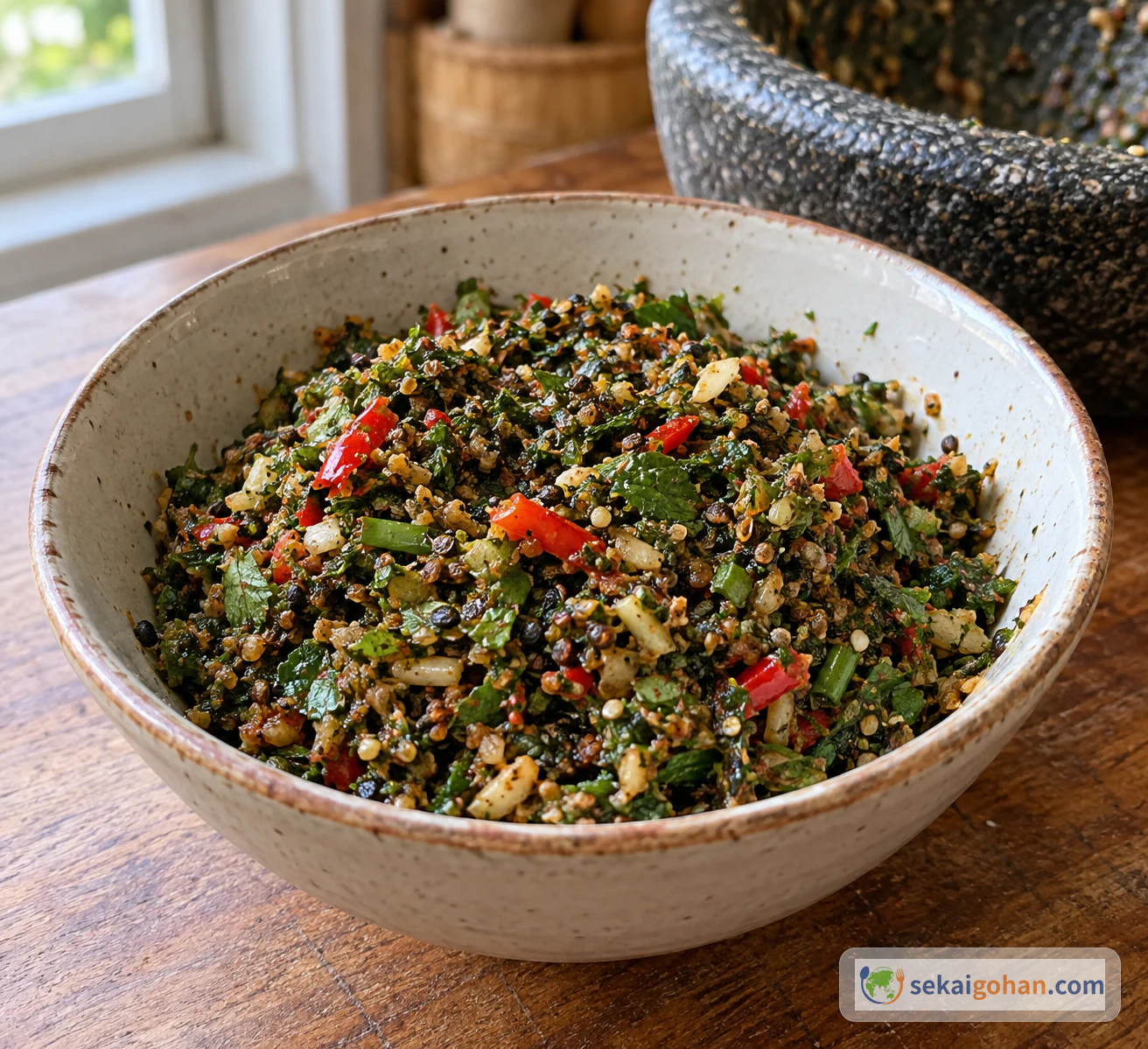
Chẳm Chéo: Northwestern Vietnamese Dipping Salt of Pounded Mắc Khén and Herbs (Chẩm chéo)
How to make chẳm chéo (also written chẩm chéo), a pounded dipping salt from northwestern Vietnam, following one author's written recipe. It uses toasted mắc khén, roasted hạt dổi seeds, roasted chilies, garlic, ginger, salt and three distinct herbs. Covers what the source leaves unmeasured, how this version differs from other ways of making it, and how to keep it a moist condiment rather than a liquid sauce.
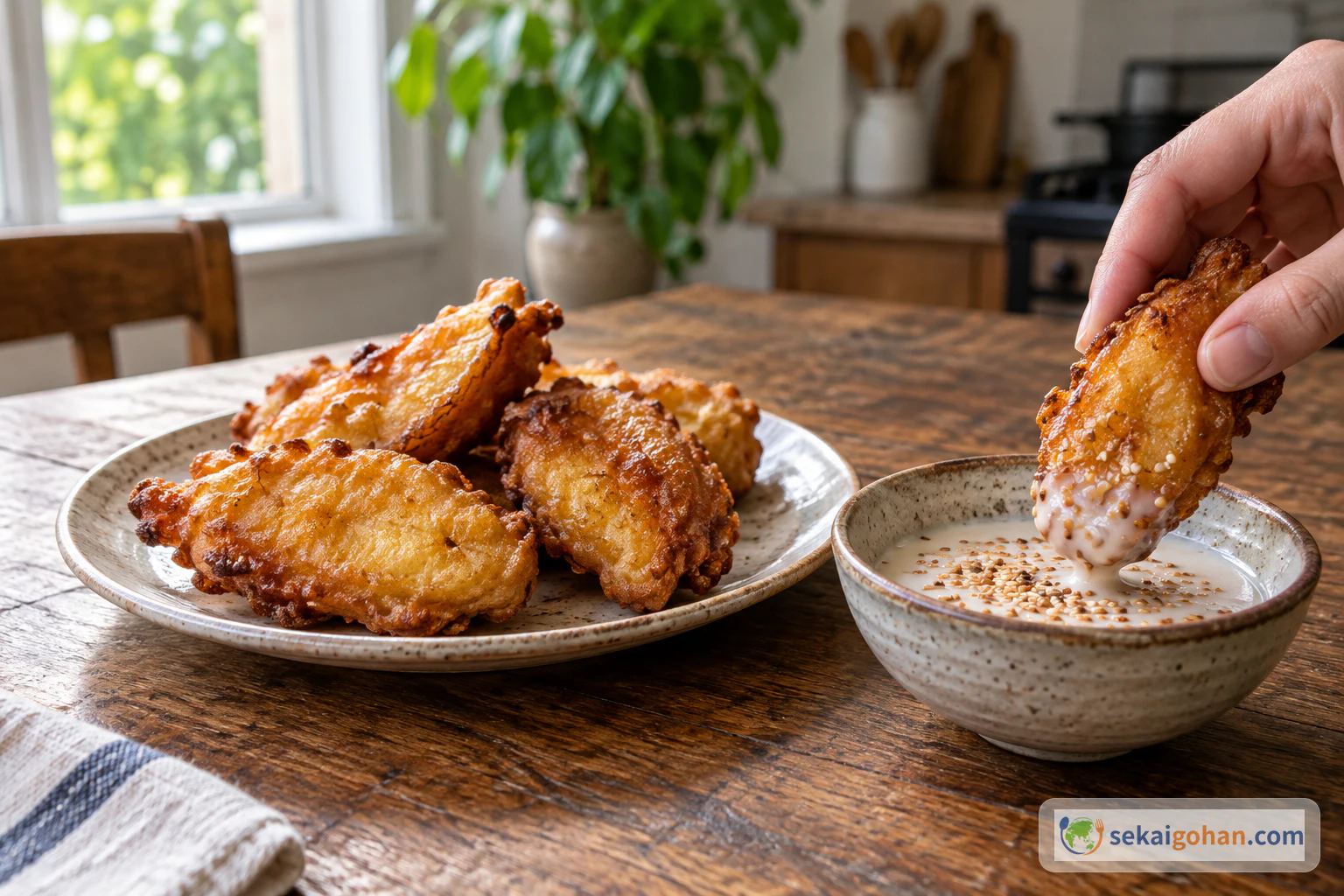
Chuối Chiên: Vietnamese Fried Bananas with Coconut-Sesame Dipping Sauce
How to make chuối chiên, Vietnamese fried bananas, following the SBS Food version credited to Jillian Nguyễn: ripe lady finger bananas flattened, coated in prepared banana fritter flour batter, deep-fried until golden-brown and served at once with a reduced coconut milk sauce finished with toasted sesame. Covers Australian measures, the two separate coconut milk portions, visual cues for batter, oil and sauce, and how this version differs from other recipes under the same name.
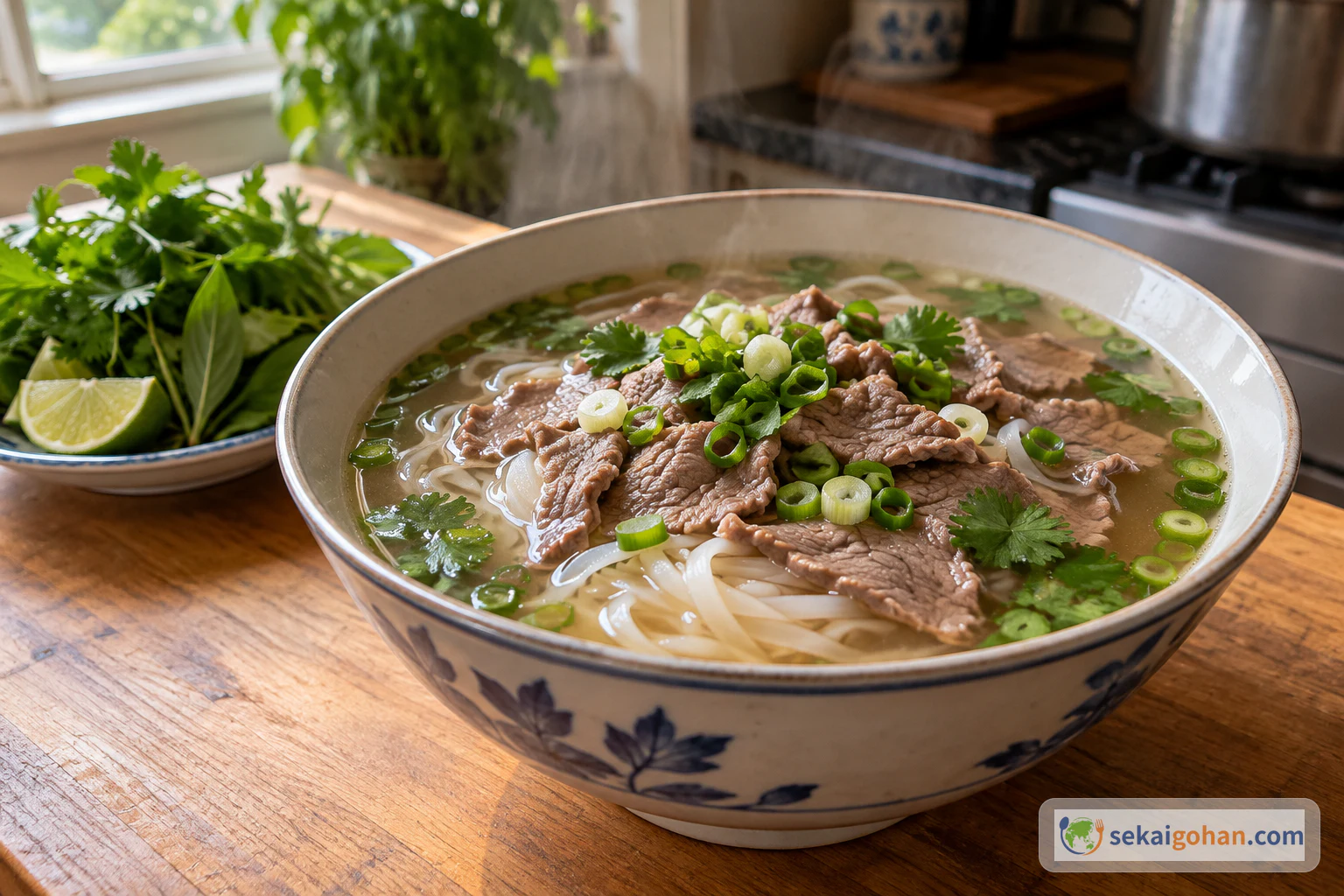
Phở Bò: Vietnamese Beef Noodle Soup with Charred Aromatics and Bone Broth
How to make phở bò, Vietnamese beef noodle soup, from Andrea Nguyen's 8-serving family recipe: charring onion and ginger, blanching beef bones, a 3-hour broth, soaking flat rice noodles, and building each bowl. Includes a home option that fully cooks the thin beef in a separate pot, plus shopping for bánh phở, fish sauce and rock sugar, northern and southern garnishes, storage, and allergy notes.
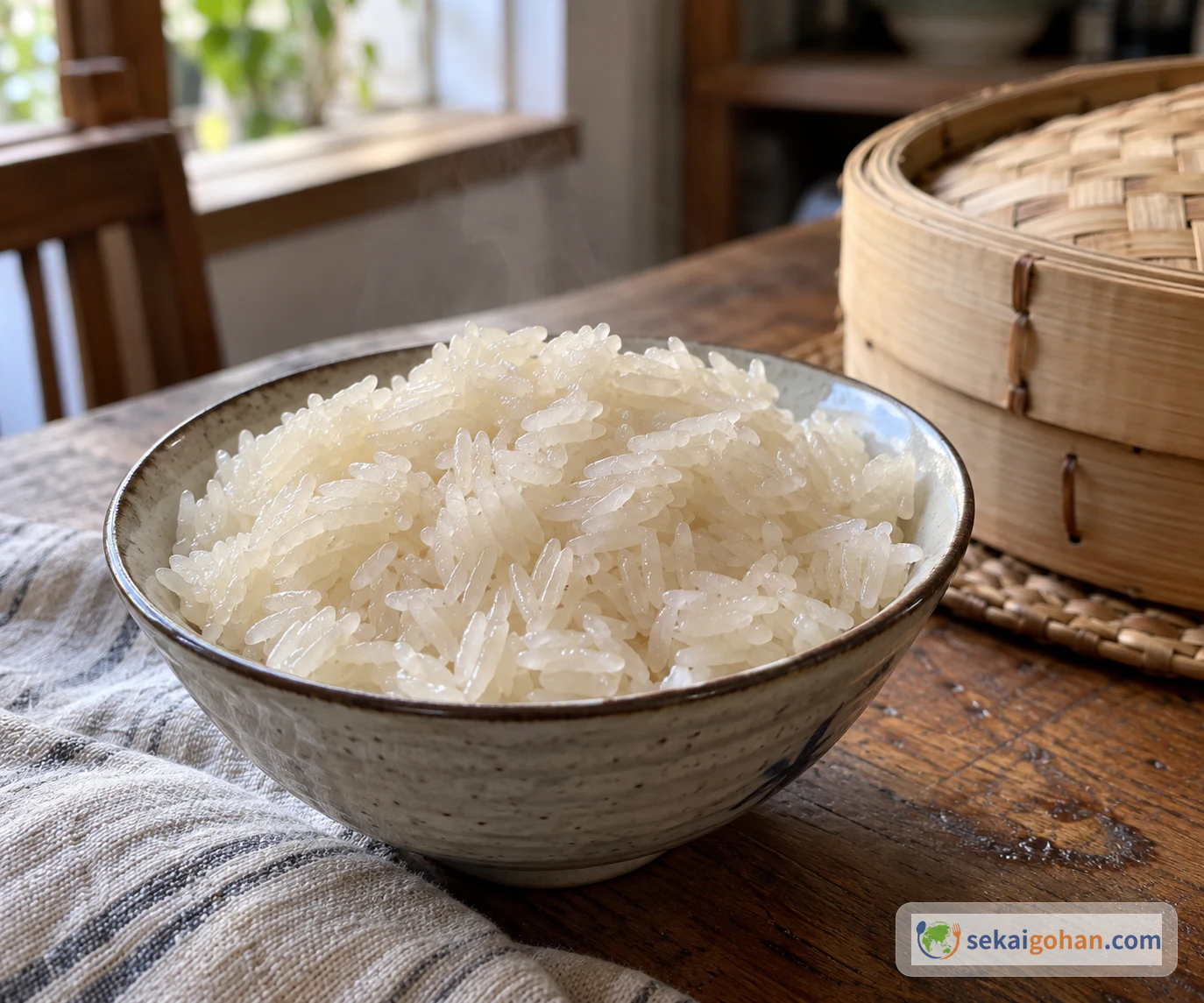
Xôi: Vietnamese Steamed Sticky Rice, the Plain Base Recipe
How to make plain xôi, Vietnamese steamed sticky rice, with just glutinous rice and water: rinsing, a refrigerated soak, draining, and 40 minutes in a steamer, then tasting a grain to check for a hard core. Also covers how plain xôi differs from named variants such as xôi vò and xôi ngũ sắc, how to judge substitutions, and how to handle leftover rice safely.

Esh: Chadian Sorghum-Millet Dough with Okra-Peanut Sauce
Chad's esh, a stiff dough of sorghum and millet flour served with okra-peanut sauce. How to cook the flour, build the sauce, how it is eaten in Chad, substitutions and storage, laid out so you never lose your place in the kitchen.
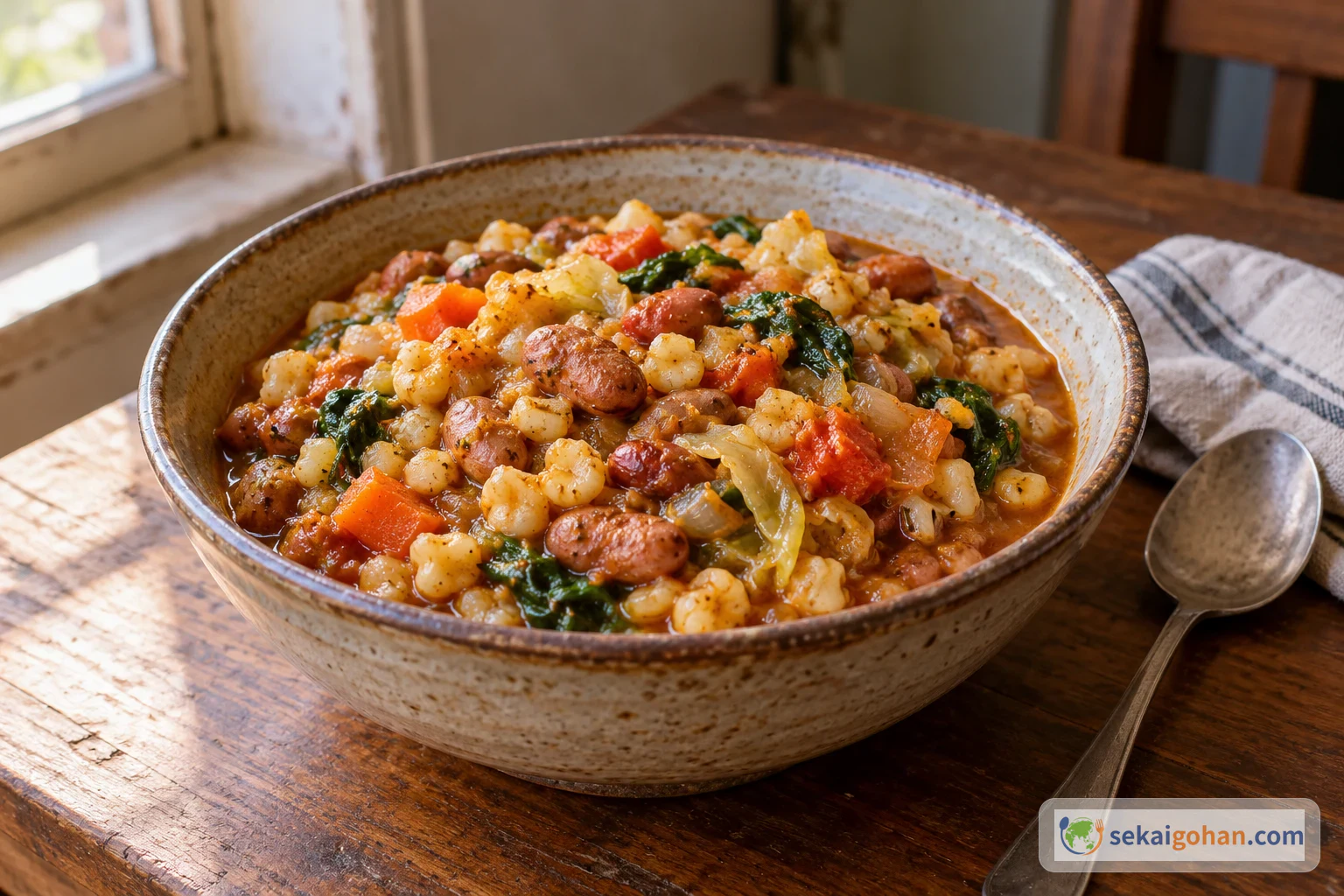
Umngqusho: South African Samp and Sugar Bean Stew
Xhosa umngqusho from South Africa, with samp and beans simmered tender in one pot. Local table and regional variation, coarse hominy as a substitute, soaking, heat, finishing, adding vegetables, serving with braai, storage and allergy notes, and how to rescue a pot that goes wrong.
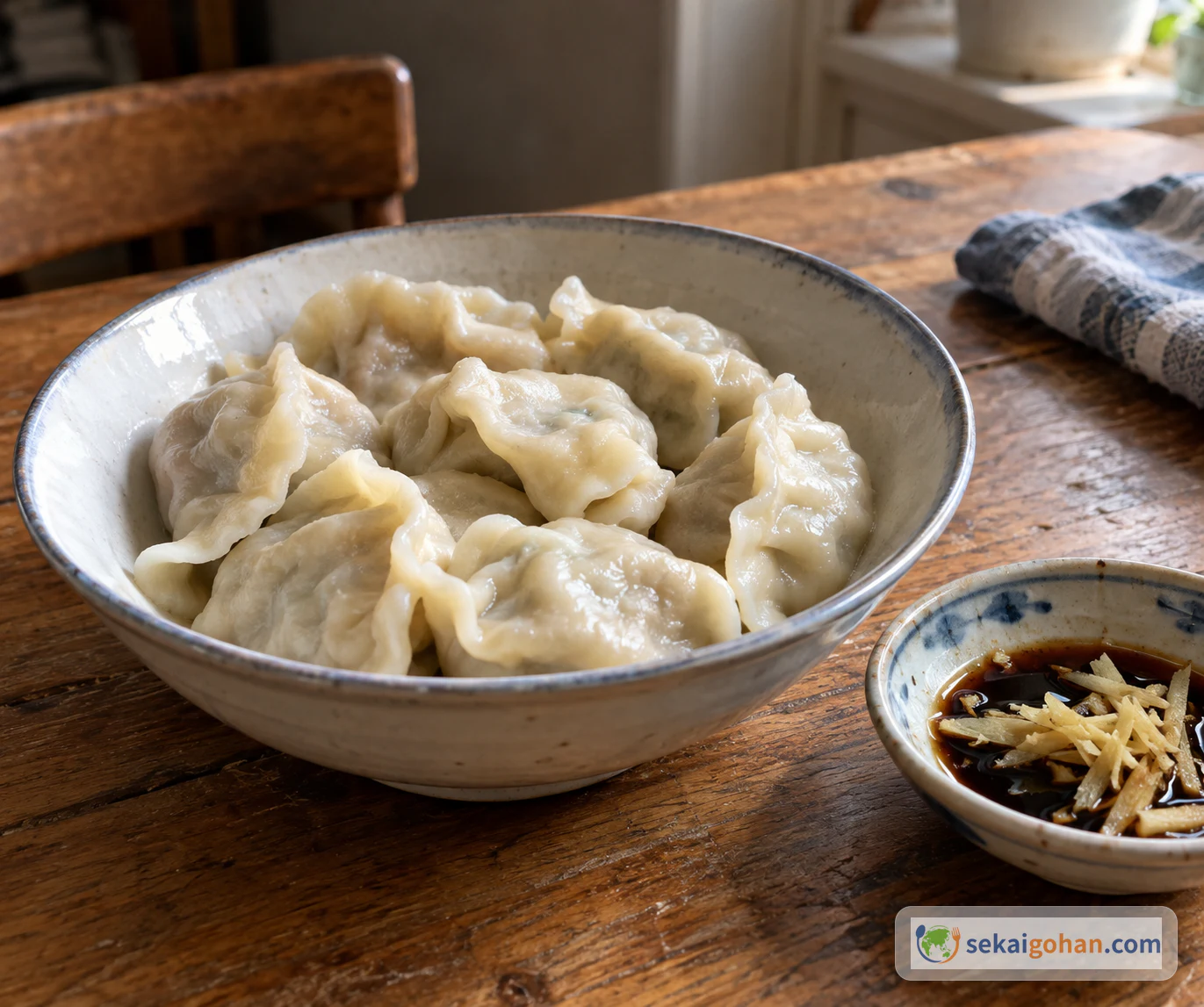
Jiaozi: Northern Chinese Boiled Pork and Napa Cabbage Dumplings (饺子)
How to make jiaozi (饺子), northern-style boiled dumplings with handmade wheat wrappers and a pork and napa cabbage filling. Covers kneading and resting the dough, rolling and sealing wrappers, safe boiling, the black vinegar dip, substitutions, fixing mistakes, and the dish's place at Spring Festival and everyday tables.
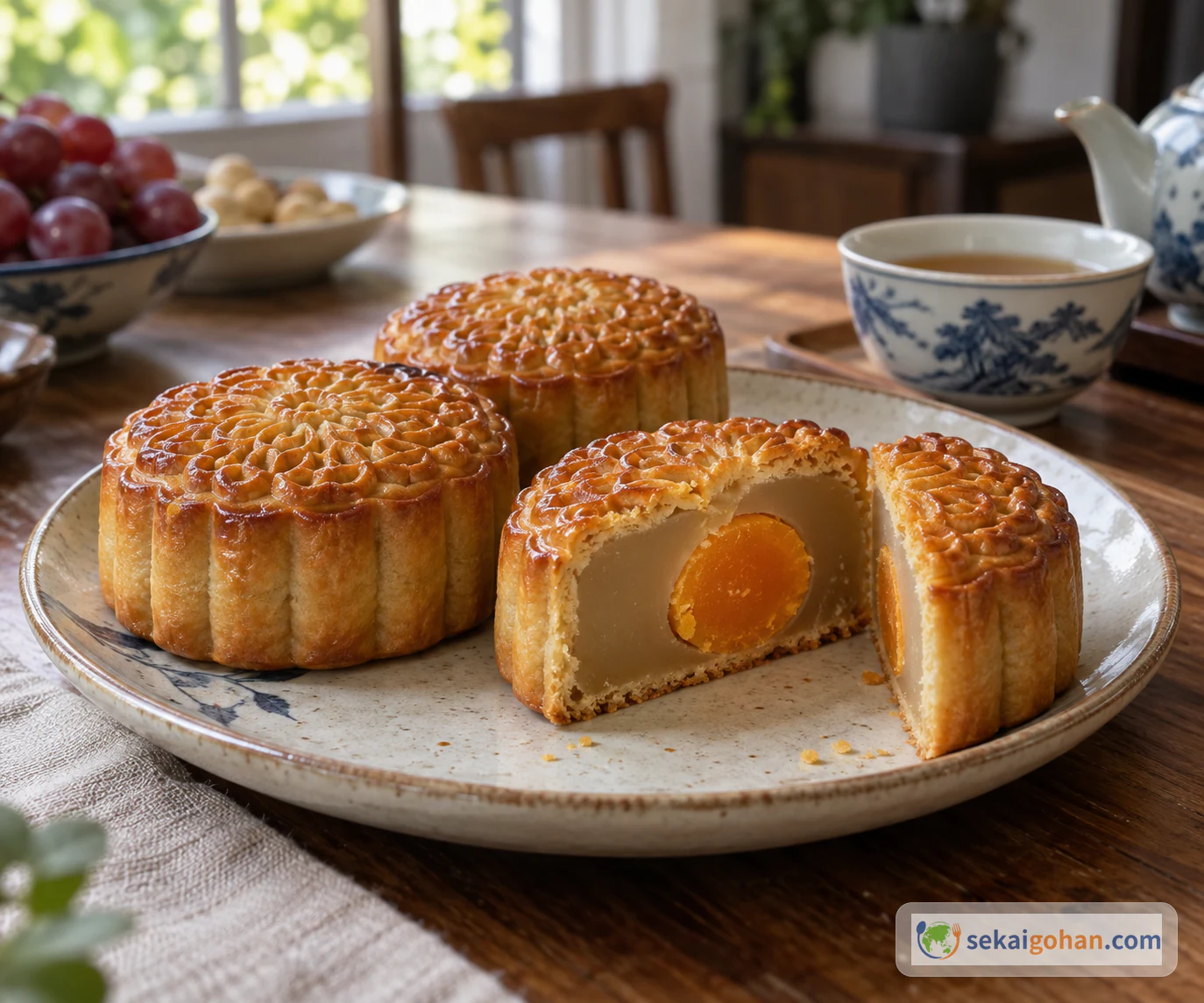
Cantonese Lotus Seed Mooncakes with Salted Egg Yolk (月餅, Yuèbǐng)
How to make Cantonese baked mooncakes filled with lotus seed paste and salted duck egg yolk: 18 cakes (12 with yolk, 6 without) from a home-style source recipe. Covers the golden syrup, slow-cooked lotus paste, pressing a 100g mold, the two-stage bake from 160°C to 150°C, and how these differ from other mooncake styles.