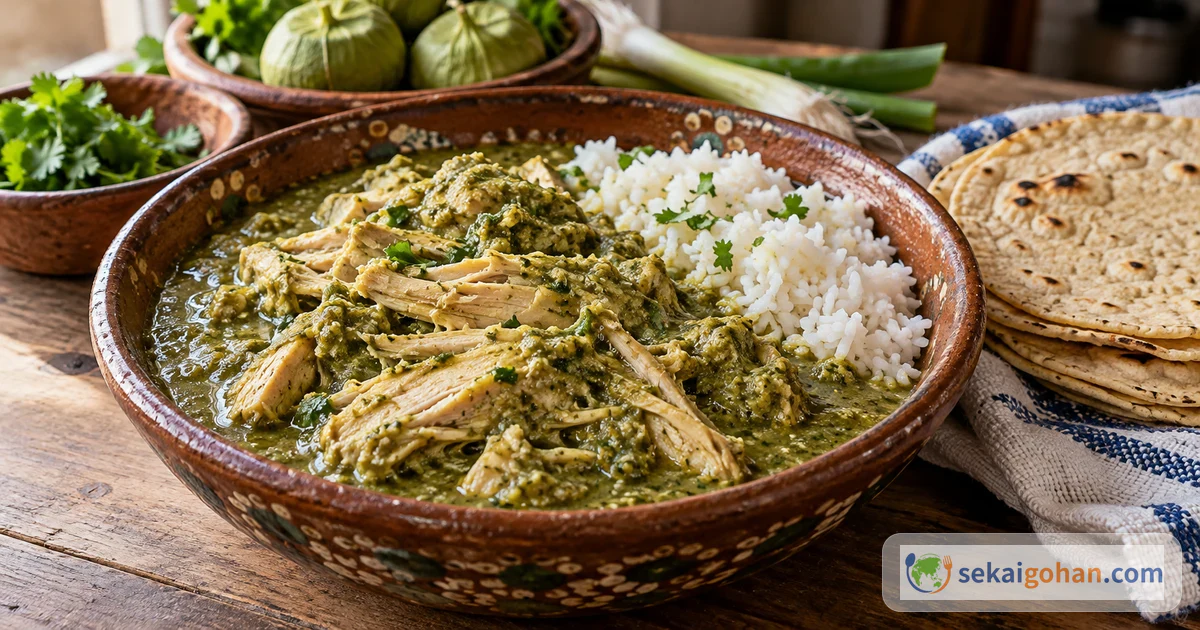
Pour a red recado of roasted tomato and chile into a pot where bone-in meat is quietly simmering, and the air in the kitchen changes at once. Scatter mint and cilantro at the end, and a green aroma rises from behind the heat of the chile. This is Guatemala's kak'ik (also kaq'ik), a red turkey soup from the Q'eqchi' Maya culture of northern Guatemala. Its name translates as "red chile soup." The broth stays clear and light, and it carries the red fragrance of roasted vegetables, chile, mint, and cilantro instead of weight.
Kak'ik in Guatemala
Kak'ik is served at celebrations and as a weekend feast, with white tamalitos and rice on the side. Along with pepián and jocón, it is one of the dishes that represent Guatemalan cuisine, and it is designated as intangible cultural heritage. For the Q'eqchi' people of northern Guatemala, it is also a way to keep food traditions alive amid changes in climate and the farming environment, a home feast that keeps the memory of Indigenous culture on the table.
The soup is built from turkey broth, roasted tomato and miltomate, dried chile, achiote, and herbs. A sauce of red vegetables and chile is blended and combined with the liquid the meat simmered in. Rather than piling in chile powder for heat, you lightly toast dried chiles, rehydrate them in hot water, and blend them with the tomato and miltomate, while achiote adds red color and an earthy aroma. The red should come through as aroma, never as thickness. Put rice or tamalitos at the bottom of the bowl, and the broth soaks right into them.
That lightness is what separates kak'ik from pepián, a stew whose thick sauce gets its richness from pumpkin seeds and sesame. The two can look alike on the plate, but the mouthfeel is very different.
Ingredients: Serves 4

This recipe uses chicken or turkey, corn products, and spices. Corn flour is sometimes processed in facilities that also handle wheat or soy, so check the label if anyone has an allergy. For children or anyone who does not like heat, reduce the dried chiles to 1 and make up the color with annatto and paprika.
Shopping: Get the Red-Aroma Ingredients Right Rather Than the Meat
For kak'ik, the red-aroma ingredients matter more than fancy meat. Chicken, tomato, onion, garlic, rice, and lime are easy to find at an ordinary supermarket. Seek out the items that are hard to find, the ones that also work in other Latin American dishes.
Achiote adds red color and a slightly earthy aroma close to that of nut skins. Pure annatto powder is ideal if you can find it, but if you use a seasoning mix that contains achiote, remember that it also brings salt. For this recipe, start with 1/2 tsp of the seasoning mix in place of 2 tsp annatto powder, and reduce the salt on the broth side by about 1/4 tsp. That keeps the flavor in balance.
Allspice ties together clove, cinnamon, and black pepper. You can use it ground, but blending 5 whole berries keeps the aroma of the red recado from flattening. Use corn flour as a stand-in for the white tamalitos. It is not the same as Guatemalan white tamal, but at home it does the job of catching the soup.
If you can't find dried chiles nearby, look for "guajillo" or "ancho" at an international market. Rather than buying a large quantity of very hot chiles online, buy achiote, allspice, and corn flour first. You can reuse them in pepián, pozole rojo, and pernil. To waste less, split your shopping this way: meat from nearby, red color and aroma from an international market, and corn flour only for the staple.
Choosing Ingredients and Substitutes for Kak'ik
Outside Guatemala, the hard parts are the turkey and the chiles. Turkey is hard to find year-round, and chile cobanero and chiltepe aren't at an ordinary supermarket. Bone-in chicken thighs, drumettes, or cut-up chicken make a delicious version, alongside dried guajillo-type chiles, achiote, mint, and cilantro. Boneless meat alone gives a thin broth, so make at least half of it bone-in. Finishing with lime and herbs keeps the pot close to kak'ik and away from a heavy chicken soup.
| Closer to the original | A realistic choice | Role to protect |
|---|---|---|
| Turkey | Bone-in chicken thighs, drumettes, cut-up chicken | Broth from the bones, and meat that pulls apart in the bowl |
| Miltomate, tomatillo | Green tomato, canned tomatillo, extra tomato plus lemon juice | A light acidity that remains in the red soup |
| Chile cobanero, chiltepe | Dried guajillo, ancho, a little dried Korean chile | The fragrance of roasted chile rather than heat |
| Achiote | Annatto powder | Red color and an earthy aroma |
| White tamalitos | Small steamed corn-flour dumplings, or white rice | A staple to catch the soup |
Go easy on the chile the first time, even if you love heat. Kak'ik should warm you from behind the meat broth rather than burn your mouth. You can always add chili sauce or chile flakes at the table, but there's no undoing the bitterness of burned chile.
Method: Combine Broth, Red Recado, and Herbs in That Order
Kak'ik is not a dish where you put everything in the pot at the start and simmer. You make the meat broth, roast the vegetables and chiles into a red recado, and at the end simmer the herbs briefly. If the herbs go in too early the color sinks and the aroma of the mint dulls.
Common Kak'ik Problems and Fixes

| State | Cause | How to fix |
|---|---|---|
| Pale color | Too little achiote, watery tomatoes | Dissolve 1/2 tsp annatto in cooking liquid, add it, and simmer 5 minutes |
| Bitter | Burned the chiles, used too much soaking liquid | Lime won't fix it. Dilute with 1/2 tsp sugar and ½ cup (100 ml) water, and roast the chiles anew next time |
| Too hot | Left seeds and ribs in, used a lot of hot chile | Serve with more rice or tamalitos. Add ½ cup (150 ml) water and 1 tomato's worth to the pot and simmer 10 minutes |
| Tough meat | Not simmered enough, boneless meat only | Return the meat to the soup and simmer 15 minutes more over low heat |
| Herbs too strong | Mint went in early, too much | Remove the herbs and add a little lime. Start with half next time |
| Soup is stew-like | The recado was too thick, reduced too far | Add cooking liquid or hot water ½ cup (100 ml) at a time and return to a thin, flowing body |
Burned chile is the hardest mistake to recover from. Char on the vegetables turns into toasty flavor, but a blackened dried chile turns bitter. While the chiles are roasting, stop everything else and watch them.
Serving and Storing Kak'ik
At the Table

Serve the meat and soup in a deep bowl with white rice or tamalitos beside it. Crumble a little rice into the bowl and let it soak up the red broth, or break the tamalitos with a spoon and dip them until they soften. Squeeze in only half the lime at first and add the rest as you go, so the aroma stays bright to the last spoonful.
Other Dishes to Try
If you're cooking several Guatemalan dishes, save pepián for another day; eating them separately shows the difference best. For a red beef stew, try hilachas, and El Salvador's pupusas are good practice for working with corn flour. To keep going with Mesoamerican red soups, Mexico's pozole rojo and mole poblano show how differently chile and seeds can be used.
Storage and Making Ahead
The herb aroma is strongest on the day you make it. To make ahead, cool the red soup and meat before any herbs go in, then plan on 2 days in the refrigerator and 3 weeks in the freezer. Take it off the heat, cool it in about 30 minutes, and move it to shallow containers. Reheat over medium-low heat until the center reaches 167°F (75°C) or higher, then finish with fresh mint, cilantro, and lime.
Add the finishing herbs only to the bowls you're eating now, not to the whole pot. Mint and cilantro left in overnight push bitterness ahead of their green aroma. Freeze just the meat and red soup, and keep the rice, tamalitos, herbs, and lime separate. If the soup has thickened after thawing, add water or chicken stock 3.5 tbsp (50 ml) at a time until it flows again.
Tamalitos harden as they cool. Wrap leftovers in plastic wrap and, the next day, warm them 5 minutes in a steamer, or 30–40 seconds at 600 W in a microwave. Long simmering in the soup makes them fall apart, so set them in the bowl and pour hot soup over them instead.
FAQ
I don't have tomatillos. What can I use?
Green tomatoes are close. If you don't have them, add 7 oz (200 g) more tomato and finish with 2 tsp lemon or lime juice. A little acidity keeps the red soup from turning heavy.
Is achiote required?
It's nearly essential. Paprika can give the red color, but not achiote's earthy aroma; in a pinch, use 1 tsp paprika. Achiote is worth buying, though, since you can reuse it in kak'ik, in the Philippines' kare-kare, and in Latin American marinades.
How hot is this dish?
With 3 dried guajillo chiles, these amounts lean medium-hot. If you don't like heat, use 1 chile and remove the seeds and ribs completely. If you want it hotter, add chili or chile flakes at the table rather than heating the whole pot; that's easier for a family to eat.
Are corn-flour tamalitos the same as the local ones?
Not exactly. Local white tamalitos differ in corn processing, flour, and wrapping. Use masa harina if you can get it. If not, small steamed dumplings made from Harina P.A.N. or white corn flour will still catch the red soup.