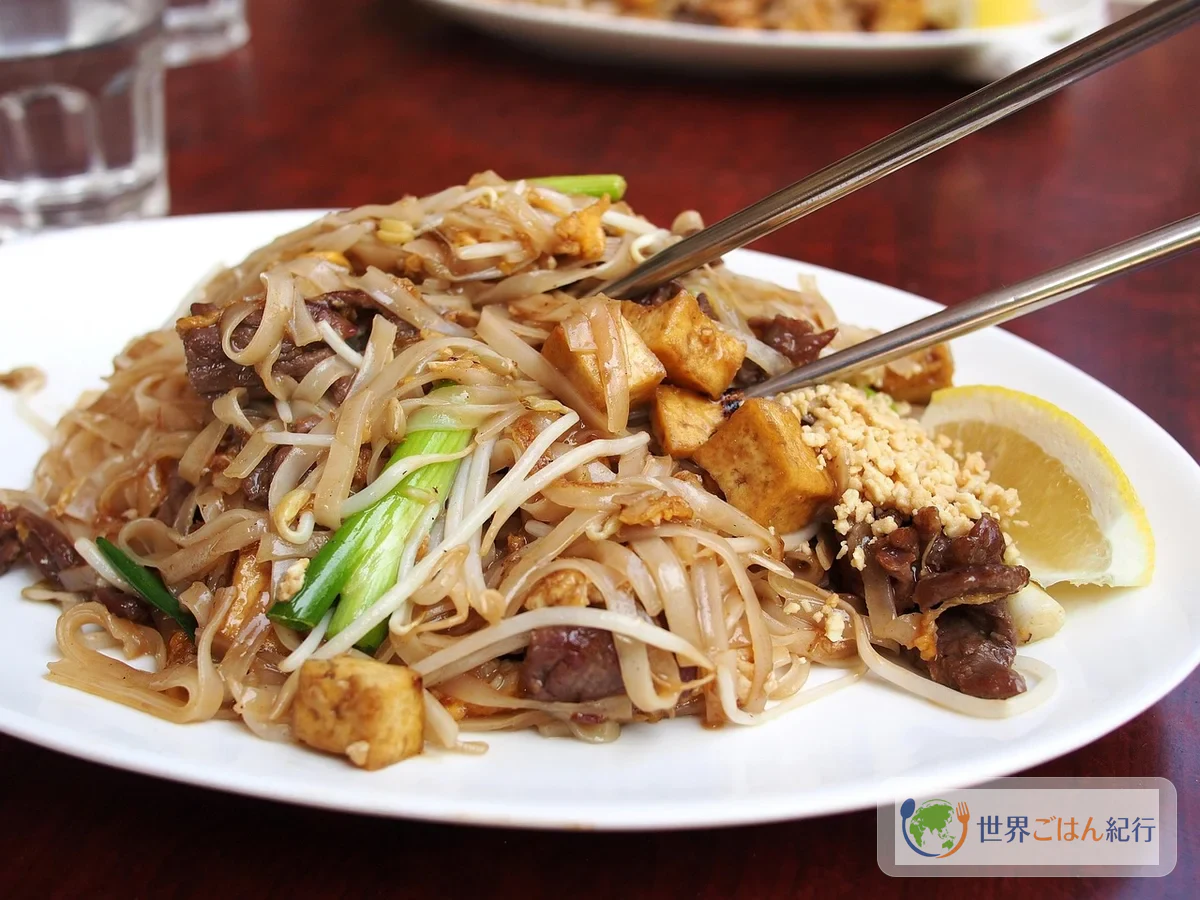
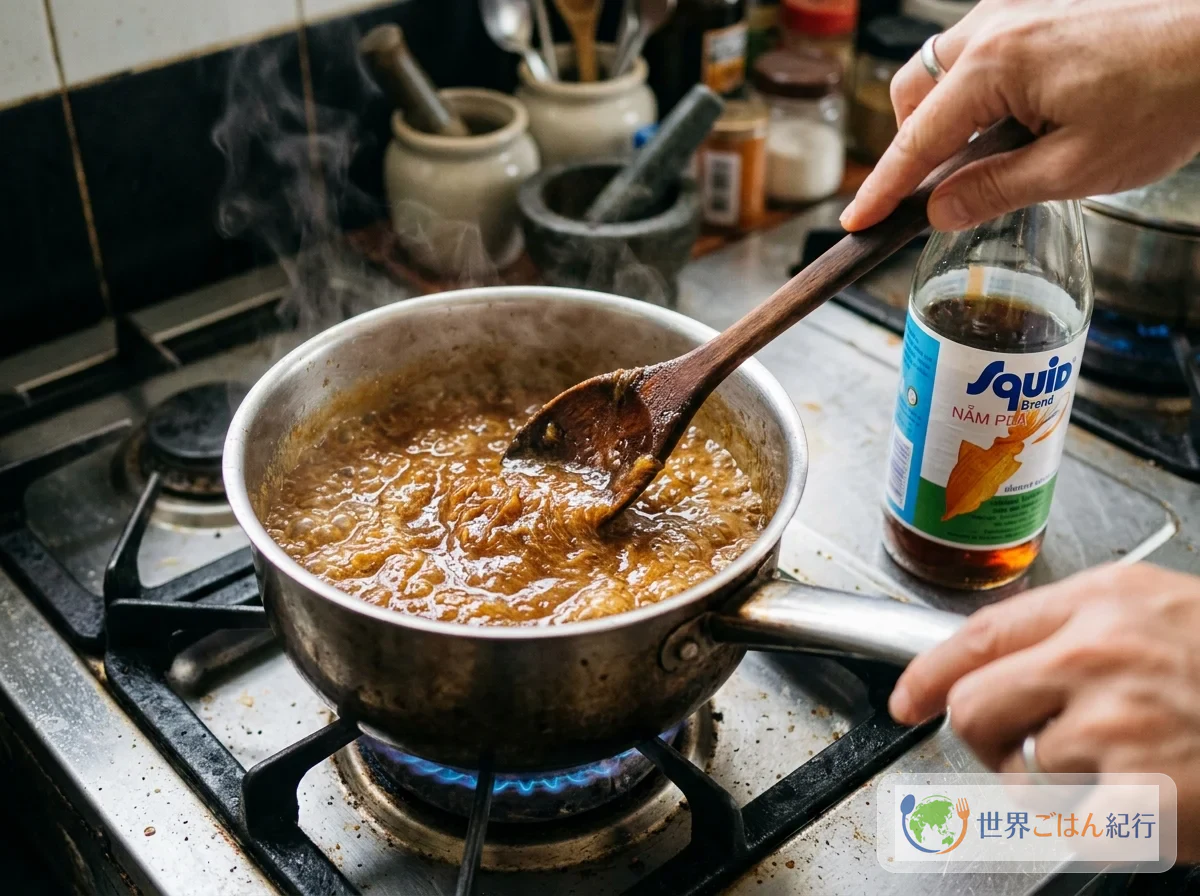
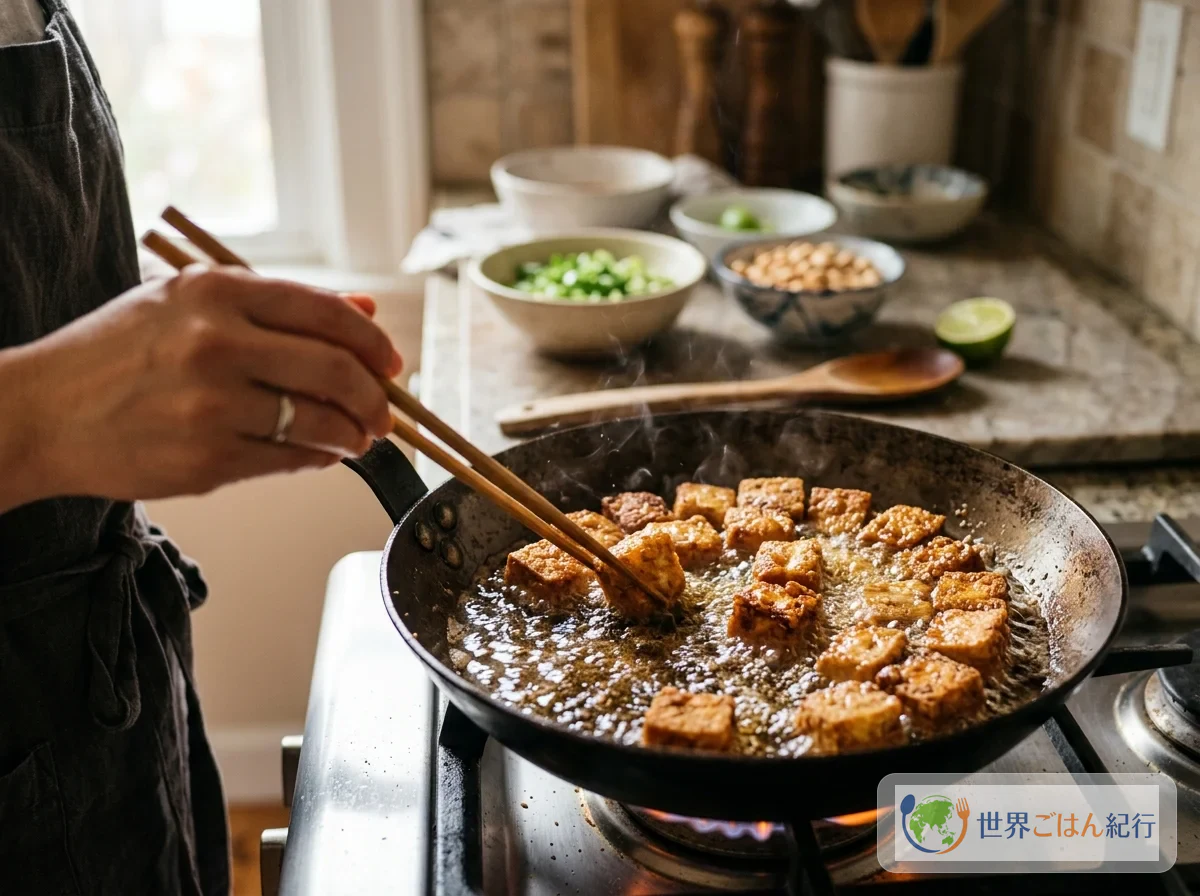
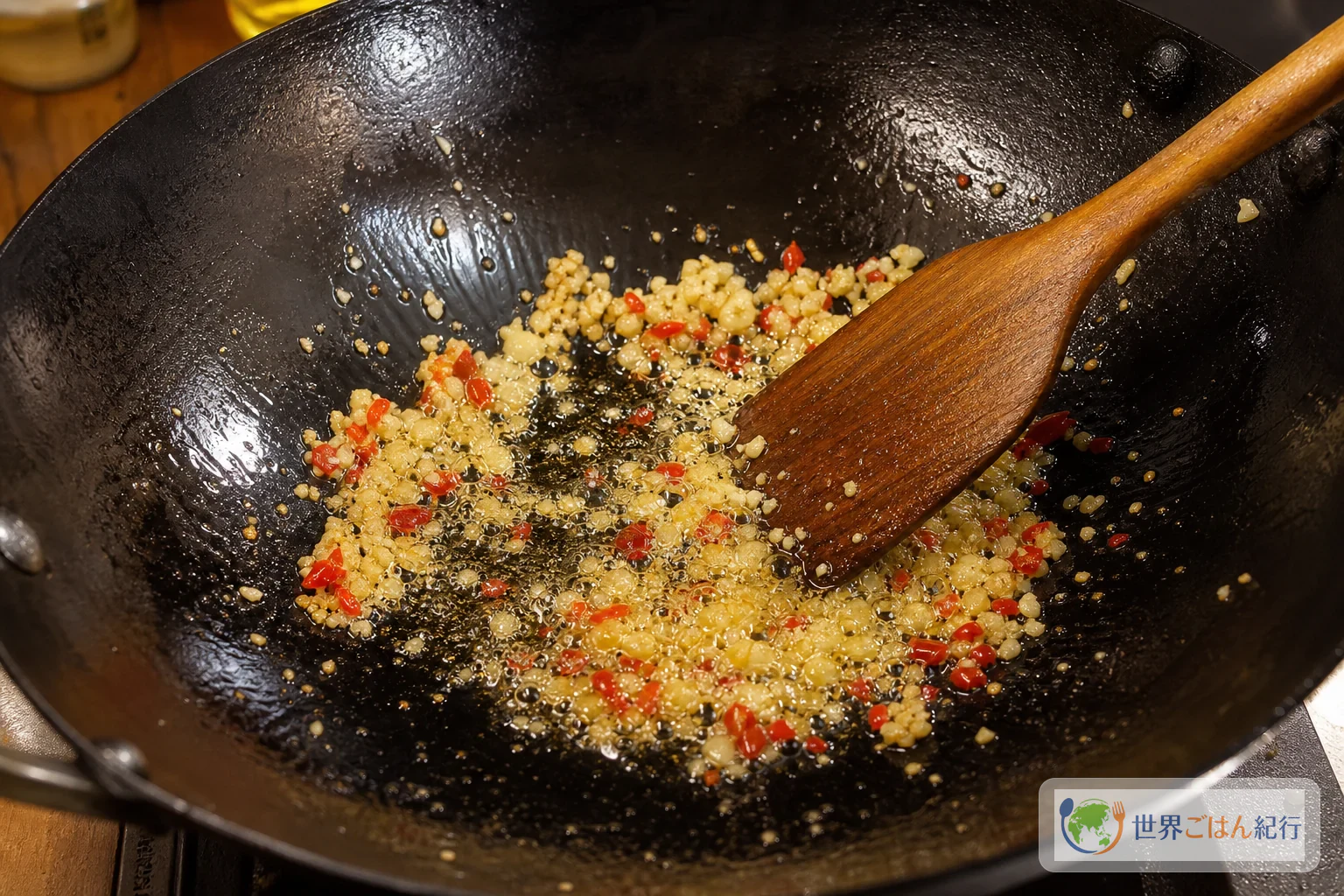
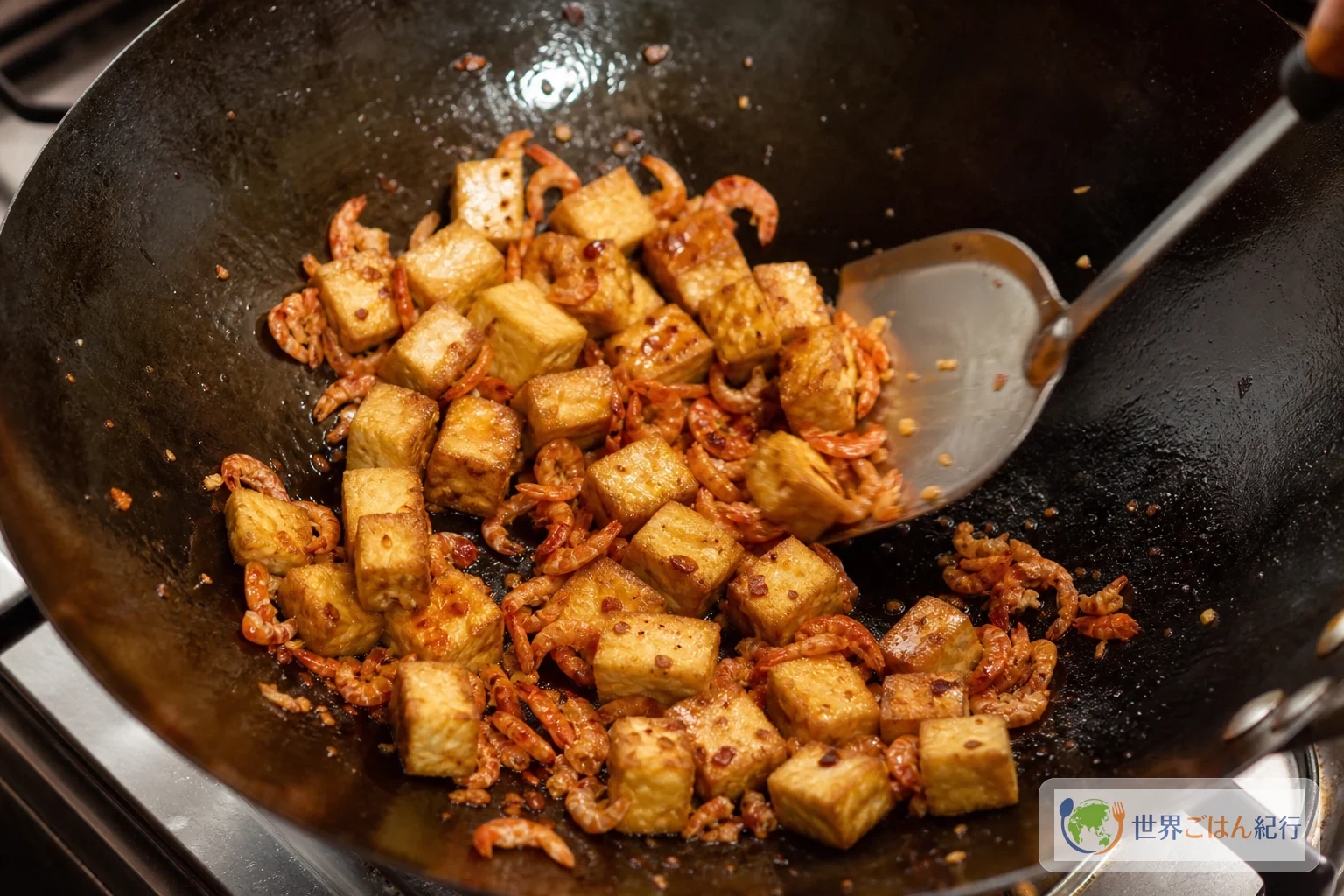
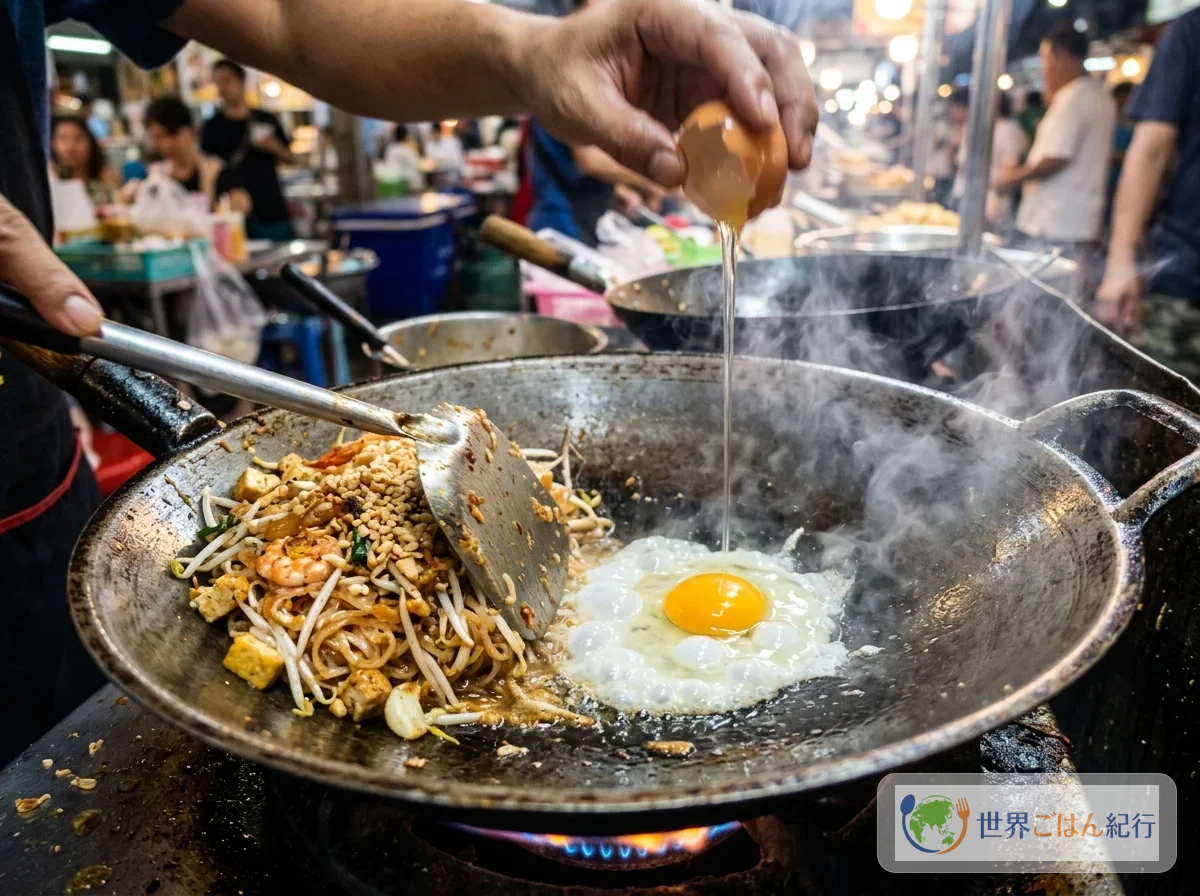
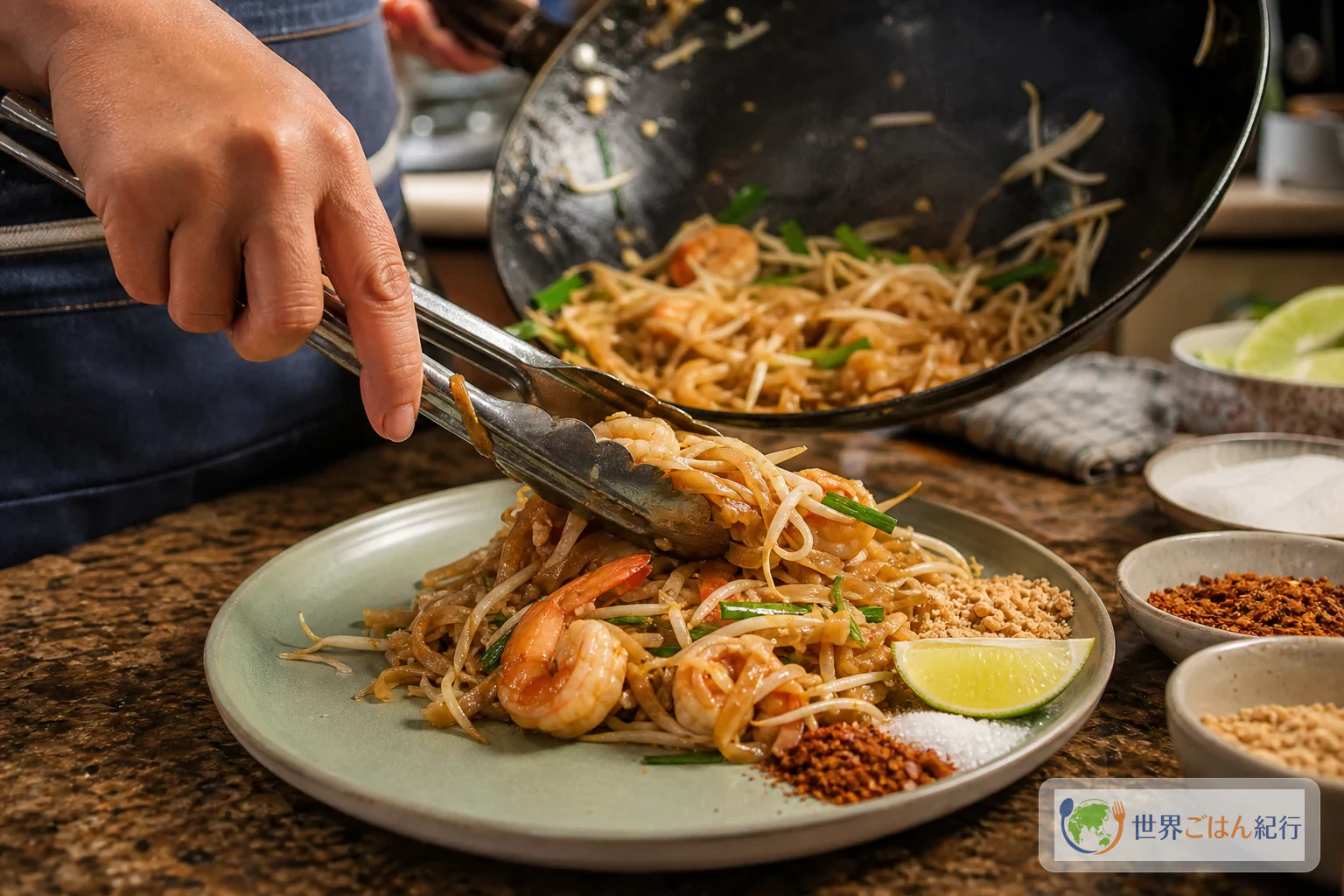
When the pan heats up, the scent of garlic rises first. Then the fish-sauce-laced sauce hits the steam, and the sourness of tamarind carries up into your nose. The soaked rice noodles look as though they'll stick to the bottom of the pan at first, but with just a little water they loosen at the tips of your chopsticks. This is pad thai, Thailand's sweet-and-sour stir-fried rice noodle dish, with bean sprouts and garlic chives added at the very end so they stay white and green. The plate is finished at the table, where everyone adds lime and chile to their own taste.
Pad Thai Origins and Regional Styles
Where pad thai comes from
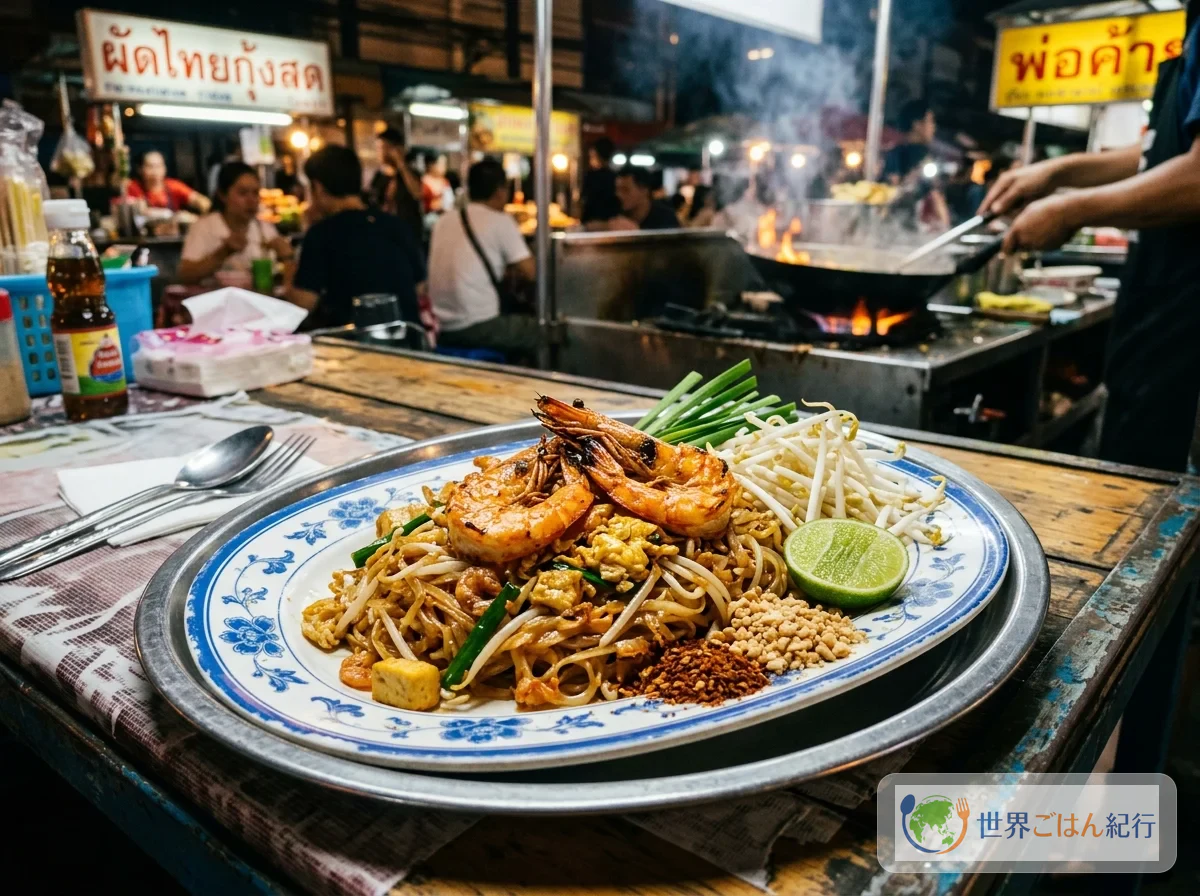
In Thai, pad thai is written ผัดไทย. ผัด means to stir-fry, and ไทย refers to Thailand. The name suggests a dish that has always been made all across the country, but its history is more tangled. Stir-frying flat rice noodles comes from the stir-fries Chinese immigrants brought, and Thai fish sauce, tamarind, palm sugar, tofu and dried shrimp were layered on top. Thai food changed with trade and migration and spread from home tables to the street. Read more about Thai food and its history.
You may have heard that a government campaign during the Second World War spread pad thai. A 1940s policy did encourage people to eat noodles, and records of a name and recipe close to today's pad thai appear in the 1960s. Still, there's no single birth year. Policy may have helped noodle dishes take hold, but the ingredients and the sourness kept changing from region to region and stall to stall.
Regional styles
Pad thai tastes different depending on where you eat it. In Chanthaburi, the style made with wide sen yai is drier. In Korat, the noodles are thin and the tamarind sourness stands out. Both thin and wide rice noodles are common, and a quick plate from a stall on the way to work counts as pad thai just as much as a family dinner made with whatever's on hand.
At home, three things keep the character of the dish: noodles that aren't over-softened, sourness and saltiness built into the sauce, and the final adjustments left to the person eating.
Street-stall pad thai
Thai street food is part of daily life, shaped by markets, modern roads, Chinese immigrants and people moving around the country. Read more about Thai street food. Picture a stall cook in the evening. After taking an order, they never go hunting for noodles with the fire already lit; the ingredients, sauce and lime are all within arm's reach. That layout, more than the speed, is what's worth copying in a home kitchen.
Ingredients (serves 2)
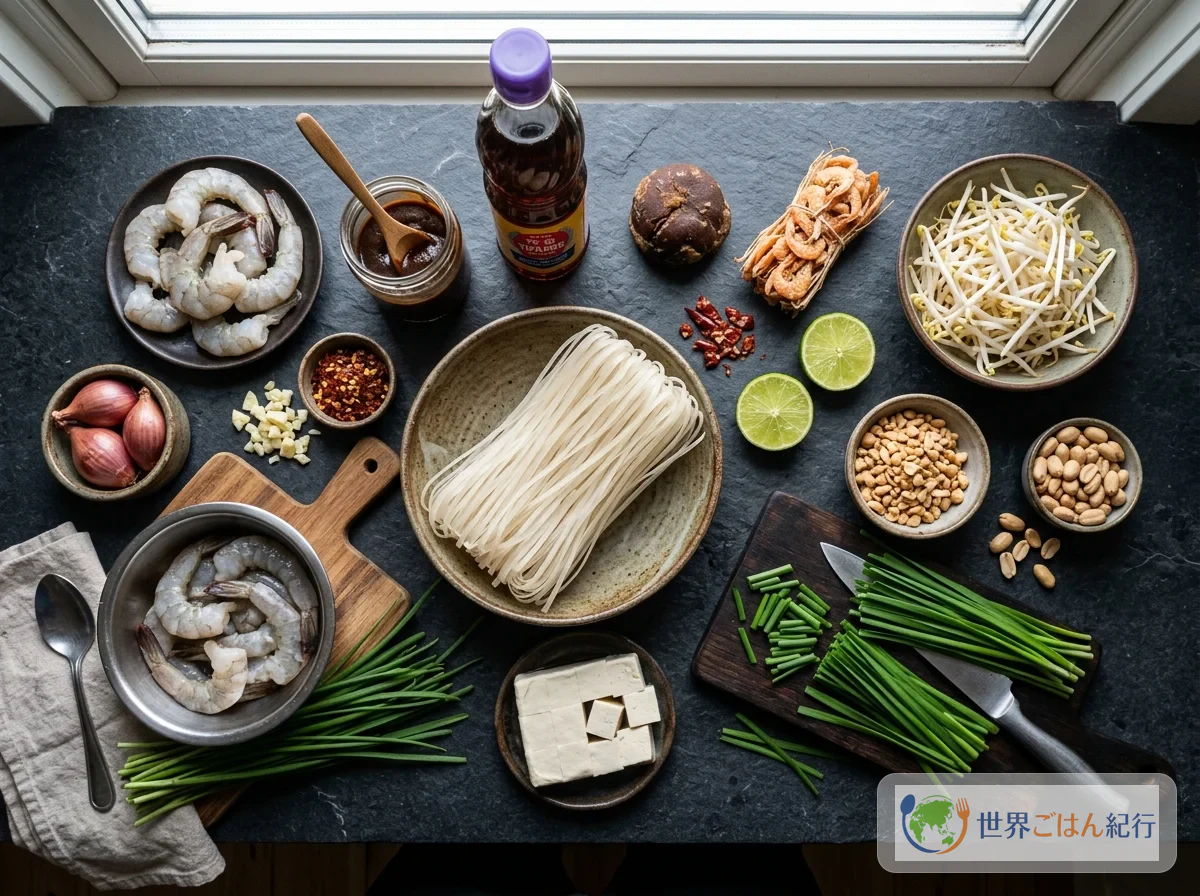
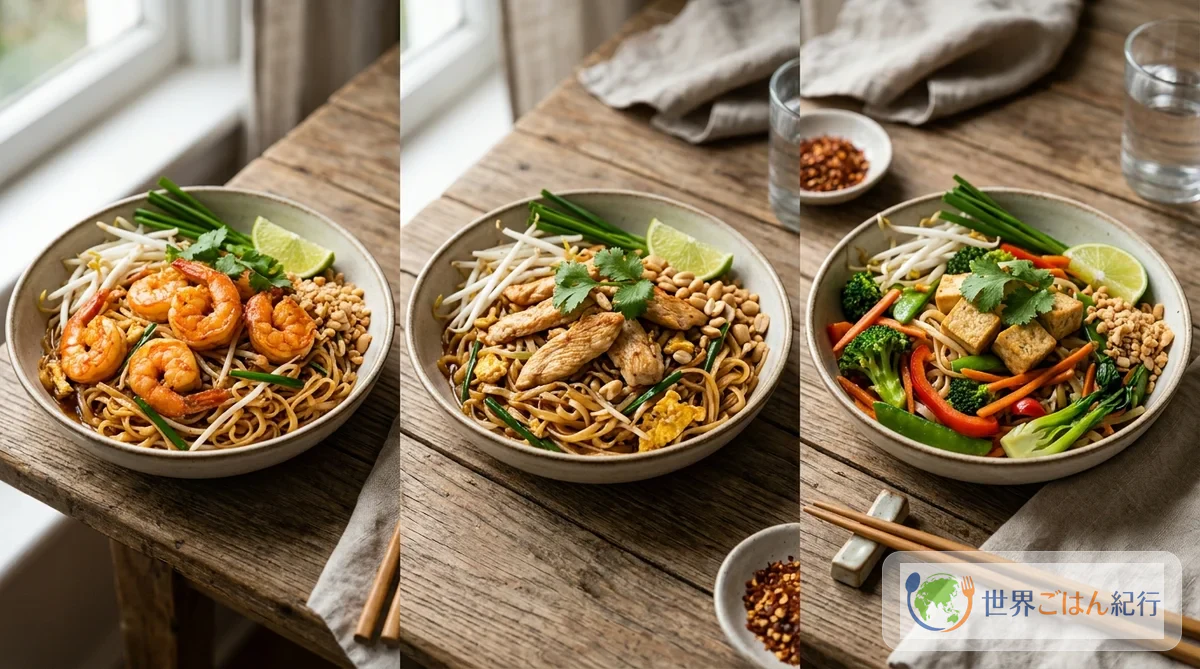
Use thin rice noodles for a light, stall-style stir-fry. This recipe serves 2, but putting all the noodles and ingredients in at once can steam them in a home skillet. So split into two, and fry one portion at a time. Mix the sauce first and settle its flavor before it goes into the pan. If you hunt for bags and bottles while frying, the noodles will soften early.
What to buy and what to swap
| What to preserve | Choice at home | What changes if you swap |
|---|---|---|
| Round sourness of tamarind | Use 1 oz (30 g) of paste | Lime has a brighter aroma and the sourness comes first |
| Fermented saltiness of fish sauce | Use 2 tbsp (30 ml) fish sauce | With soy sauce and salt, the seafood aftertaste weakens |
| Supple thin noodles | Sen lek, 2–3 mm wide | 0.375 inch (10 mm) noodles are chewier and soak differently |
| Toasty aroma of the toppings | Fry dried shrimp and tofu first | Leaving out the dried shrimp makes the aroma lighter |
You don't need to collect every authentic ingredient. But if you swap out sourness and saltiness at once, it drifts from pad thai toward a sweet stir-fried noodle. For a first batch, keeping either tamarind or fish sauce alone makes it easier not to lose the axis of the flavor.
Sauce
| Seasoning | Amount | Guide when mixing |
|---|---|---|
| Tamarind paste | 1 oz (30 g) (2–3 tbsp) | Sourness depends on the product's concentration, so check the label |
| Fish sauce | 2 tbsp (30 ml) | Brands differ in saltiness, so taste as you go |
| Palm sugar | 20 g | Light cane sugar also works |
| Water | 3 tbsp (45 ml) | For the noodles to absorb. Prepare extra water separately |
Nutrition figures are estimates for 2 servings of all the ingredients above. Shrimp size, fish sauce brand, noodles and sugar all change the numbers.
On its own, the sauce is a little strong. Sourness comes first, then the saltiness of fish sauce, and palm sugar rounds the edges. Once the noodles absorb it, the flavors come together. If sweetness stands out, add tamarind 5 g at a time. If saltiness is strong, add water 1 tsp at a time to bring the taste back.
Tamarind creates a round, fruity sourness unlike pickled plum or lime. If you'll make pad thai only once, you can substitute lime and sugar to cut down on shopping. On the other hand, if you plan to make pad thai, tom yum and other stir-fries several times, having a paste that lets you set the flavor a little at a time makes adjusting the sourness easier.
Shrimp and dried shrimp, fish sauce, egg, peanuts and soy are included. If you use substitutes, also check the ingredient list and allergen labeling of the sauces and seasonings.
Choosing Ingredients and Substitutes for Pad Thai
Rice noodles
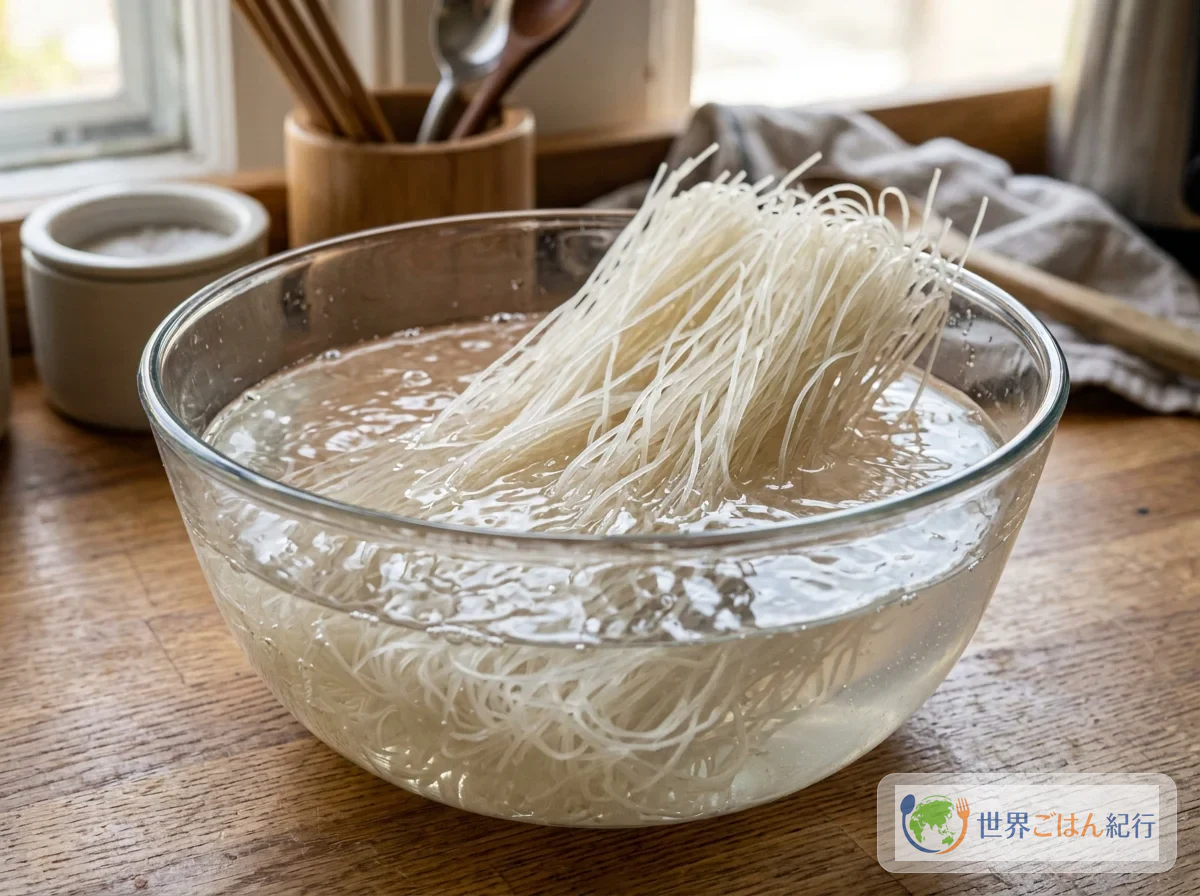
Use 2–3 mm wide rice noodles; their soaking time and heat are the easiest to judge. If you like a chewier bite, try 0.375 inch (10 mm) sen yai. It isn't a straight swap, though. Soaking time and how much the noodles absorb in the pan both change, so you end up with a wide, springy pad thai rather than the thin-noodle version. Follow the package directions for soaking, around 20–25 minutes, instead of the 20–40 minutes used for thin noodles.
Tamarind, fish sauce and palm sugar
Keep all three, since each sets one part of the flavor.
Sourness comes from tamarind, saltiness and savoriness from fish sauce, and a round sweetness from palm sugar. Don't set the seasoning strong from the start; add a little at a time, allowing for what the noodles will absorb. Each person adjusts lime and chile on their own plate.
Without tamarind, mix 1 to 1.5 tbsp lime juice with 1 tsp light cane sugar and add it to the sauce a little at a time. Lime brings the sourness forward, so save some for the end. Pickled plum alone tends to be too salty; if you use it, cut back on the fish sauce and start with a small amount.
Fish sauce adds the fermented savoriness and saltiness of fish in one go. The 2 servings here use 2 tbsp (30 ml), so if you're making pad thai just once, a small bottle or a substitute is a sensible choice. If you plan to keep cooking Thai food, a larger bottle stretches further: it goes with the saltiness and aroma of the meat in pad kra pao and with the sourness of green fruit and vegetables in som tam. Saltiness varies between brands, so if you already have one at home, start with less than 2 tbsp (30 ml).
Proteins and seafood-free versions
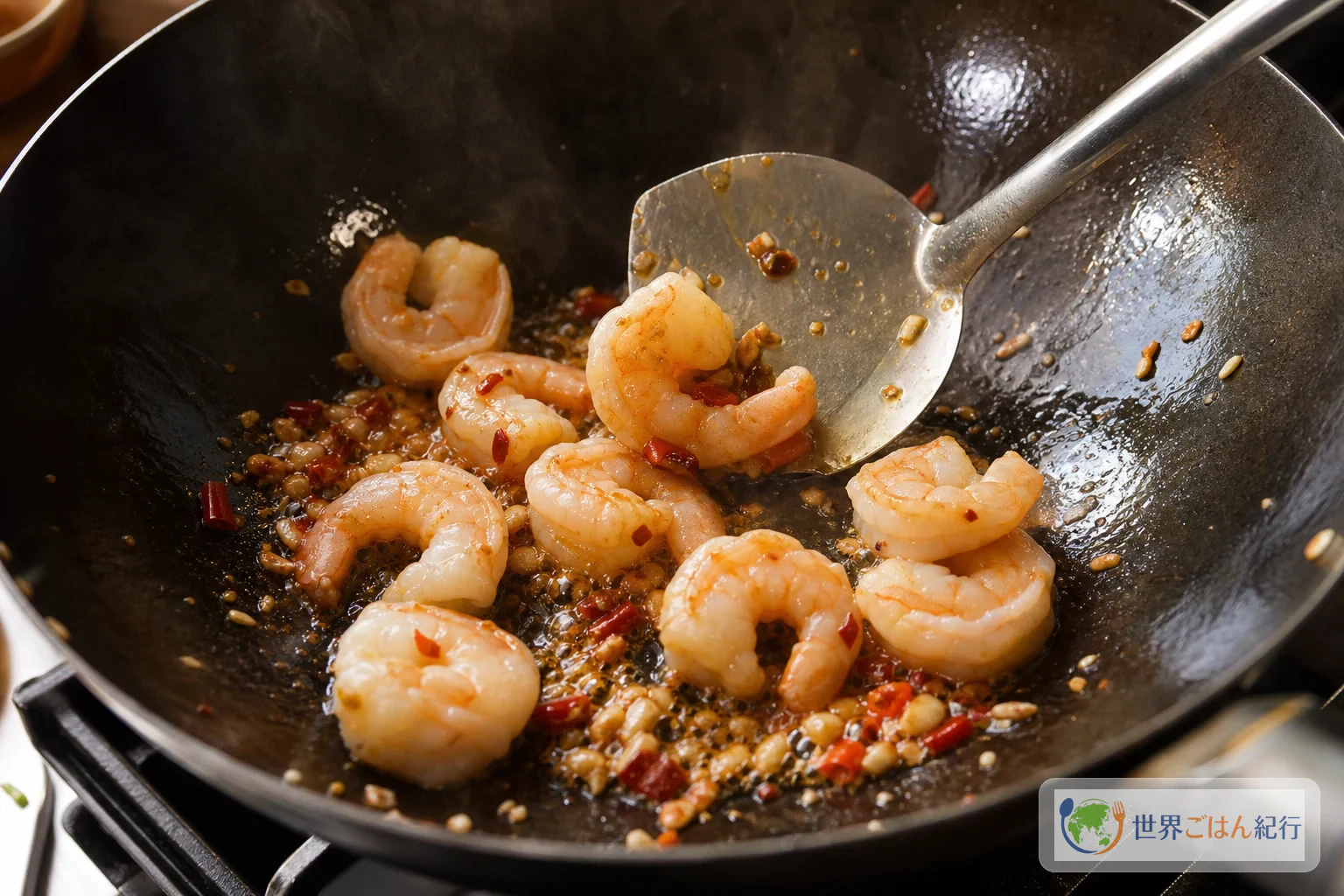
To replace shrimp with chicken breast, use 3.5 oz (100 g) of thin slices and cook them through until white in the center first. Thick pieces added with the noodles lag behind, and the noodles are done before the meat is. For a tofu-only version, increase the firm tofu to 5.5 oz (150 g), wipe the surface well and brown it so each bite keeps a firm core.
To avoid seafood, leave out the shrimp and dried shrimp and replace the fish sauce with a plant-based fish-sauce-style seasoning, or a little light soy sauce and salt. The egg and tofu keep the savoriness. For a fully plant-based plate, leave out the egg too and loosen the noodles with oil. The flavor stays on track, though the aroma and aftertaste of fish sauce won't be quite the same.
Method
Prep
While the noodles soak, prepare the sauce and all the toppings. If you start frying and then hunt for seasonings, only the noodles will soften early.
Stir-frying
From here, divide the ingredients and noodles into two and fry one portion at a time. Whichever noodles you use, they need room to move in the pan. If your skillet is small, put in less at once rather than keeping to the stated amounts.
Keeping Pad Thai From Turning Watery
The two common mistakes
Most soggy pad thai comes from one of two things: noodles soaked until they're too soft, or extra sauce added to strengthen the flavor until the bottom of the pan turns into a puddle. Pull thin rice noodles from the water while they're still a little firm to the bite, which leaves room for them to take up sauce and moisture in the pan. Completely dissolved noodles can't be rescued, so stop soaking on the early side.
Prep and heat
Soak the noodles first, and while they soak, get the sauce and ingredients ready, lined up in the order they go in, along with the plates and accompaniments. Only then move to the hot pan. Keep the pan hot but the cooking short; high heat the whole way through isn't the goal.
In a home skillet of about 10 inches (26 cm), fry from the noodles onward one portion at a time, or split the noodles into two batches. When the pan's temperature drops, the noodles steam instead of fry, and you get a plate that's heavy yet weak in flavor.
What done looks like
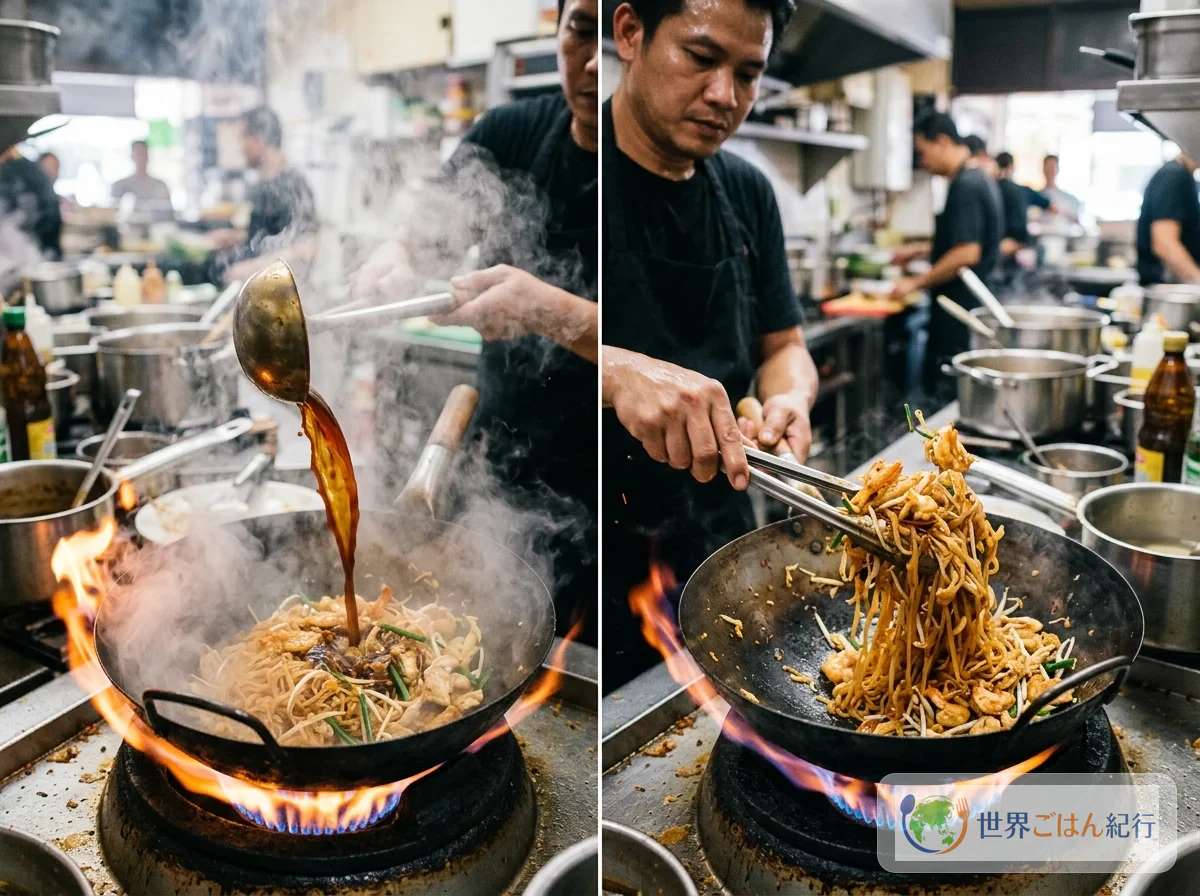
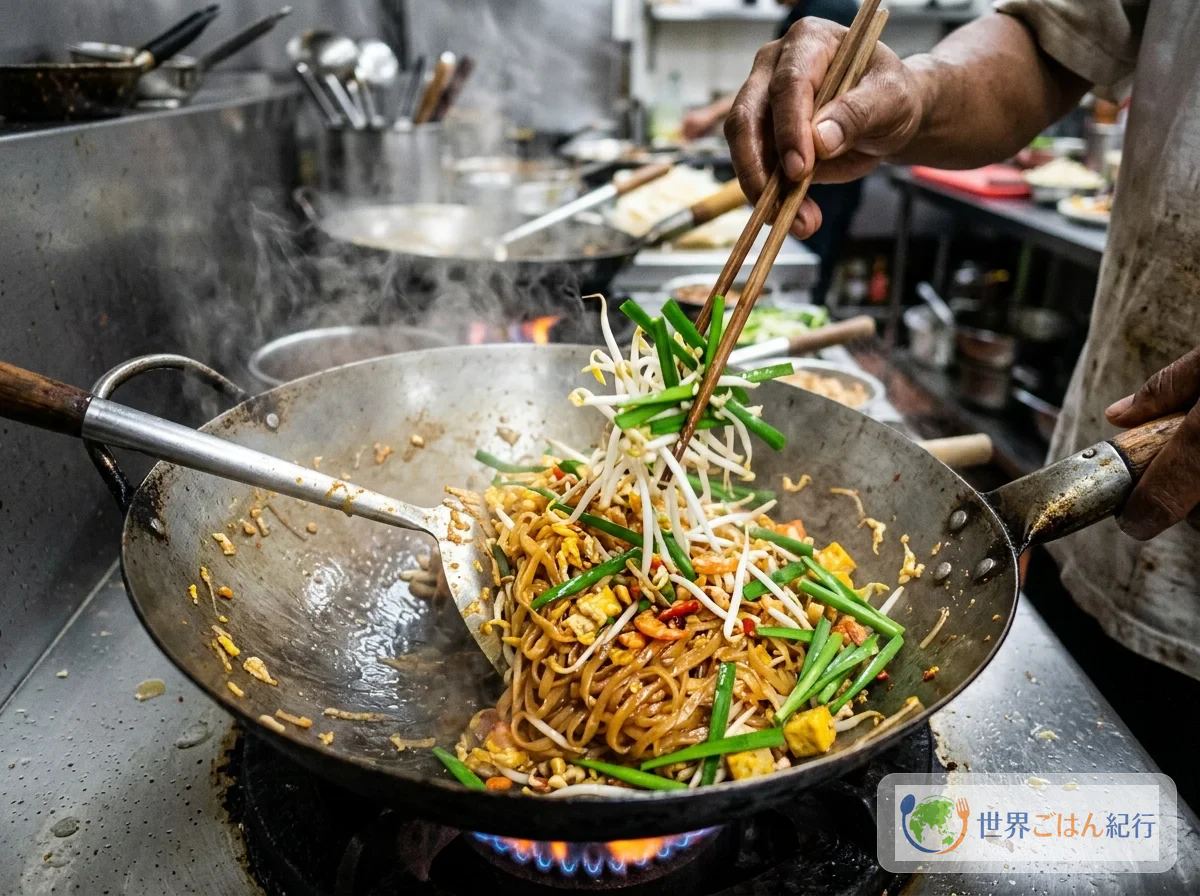
The noodles separate strand by strand, the surface has a thin gloss, and no liquid has pooled at the bottom of the pan. The sauce coats the noodles thinly instead of running like water, and the sprouts are white with a slight snap.
Fixes in the pan
If the noodles have absorbed the flavor but are still hard, add a little water, not sauce. That sends moisture to the center without adding saltiness. Add 1 to 2 tsp at a time, wait 10 to 15 seconds, and check the center of a noodle. If instead the noodles are soft and only liquid remains, push the ingredients to one side and cook off the moisture over high heat for 20 to 30 seconds.
| State of the pan | What to do first | How to fix it |
|---|---|---|
| Noodles hard, flavor enough | Add water 1 tsp at a time | Wait 10 to 15 seconds and bite one strand |
| Noodles soft, liquid at the bottom | Push the ingredients to one side | Cook off only the liquid over high heat for 20 to 30 seconds |
| The sizzle disappeared after adding ingredients | A sign you put in too much at once | Halve the next batch |
When in doubt, pull out a single strand and check how firm the center is before reaching for the sauce. If the noodles are starting to break down, plate them right away with the toppings.
You can make it without a wok. Warm an empty skillet over medium-high heat for 30 seconds and spread the oil. Don't crowd in the ingredients; add the noodles, spread them over the bottom, wait 10 seconds and lift to turn. If it's about to scorch, lower the heat a little, and add water no more than 2 tsp at a time.
Serving and Storing Pad Thai
At a Thai table, a finished plate often comes with lime, chile powder, sugar and extra fish sauce, so each person can adjust the sourness, heat and saltiness. Lime and chile alone change the sweet-and-sour noodles quite a bit. Keeping the heat mild in the pan makes the dish easy to share with family.
Don't leave pad thai at room temperature for long. Move leftovers into shallow containers, cool them quickly and refrigerate. For the best texture, eat them by the next day, reheating to 75°C (167°F) or above and checking that it's hot through the center. The bean sprouts lose their snap, so if you know you'll have leftovers, set aside a few sprouts and garlic chives to add just before eating. Rice noodles break easily once frozen, so cook only as much as you'll eat.
Where to check for allergens
| Ingredient to watch | Where it is |
|---|---|
| Shrimp, crustaceans | Peeled shrimp, dried shrimp |
| Fish | Fish sauce |
| Egg | The egg at the finish |
| Peanuts | Crushed peanuts |
| Soy | Tofu, soy-sauce-type substitute seasonings |
| Wheat and others | Check the labels of seasonings and processed foods individually |
Fish sauce, tamarind products, tofu and dried goods each carry their own labeling, so check each one when you substitute, including fish-derived ingredients in seasonings. If someone in the family has a food allergy, read the ingredient list and manufacturing-line notices, and keep serving utensils separate.
FAQ
Do you boil the noodles before stir-frying pad thai?
No. Soak them in room-temperature water, drain, and let them absorb sauce and moisture as you stir-fry. The right stopping point for soaking is "a little too firm to eat as is." For wide noodles, follow the package's soaking directions.
Can I substitute lime for tamarind paste?
You can, but the sourness changes character. Lime has a brighter aroma, while tamarind has a fruity roundness. When you use lime in the sauce, go lightly on the lime at the table.
What if the noodles stick to the skillet?
Add just 1 to 2 tsp water and loosen over fairly high heat for 10 to 15 seconds. If a burnt smell appears, don't scrape the bottom; move only the top noodles and ingredients to another plate.
Can I fry both servings at once?
If your pan is large and the noodles can spread out, yes. In a home skillet of about 10 inches (26 cm), one portion at a time works better. You can cook the toppings together first and divide only the noodles.
What Thai dish should I make next?
To use up the fish sauce and lime, try pad kra pao. For another sour dish, tom yum goong lets you compare a sourness built differently from tamarind. For a sweet finish to a Thai meal, try khanom chan, a steamed layered dessert, or mi krop, lightly fried noodles tossed in a sweet-and-sour glaze. Khanom thuai is another steamed Thai street sweet, a small cup with a sweet bottom layer and a salty top layer.