
Recipes (31)
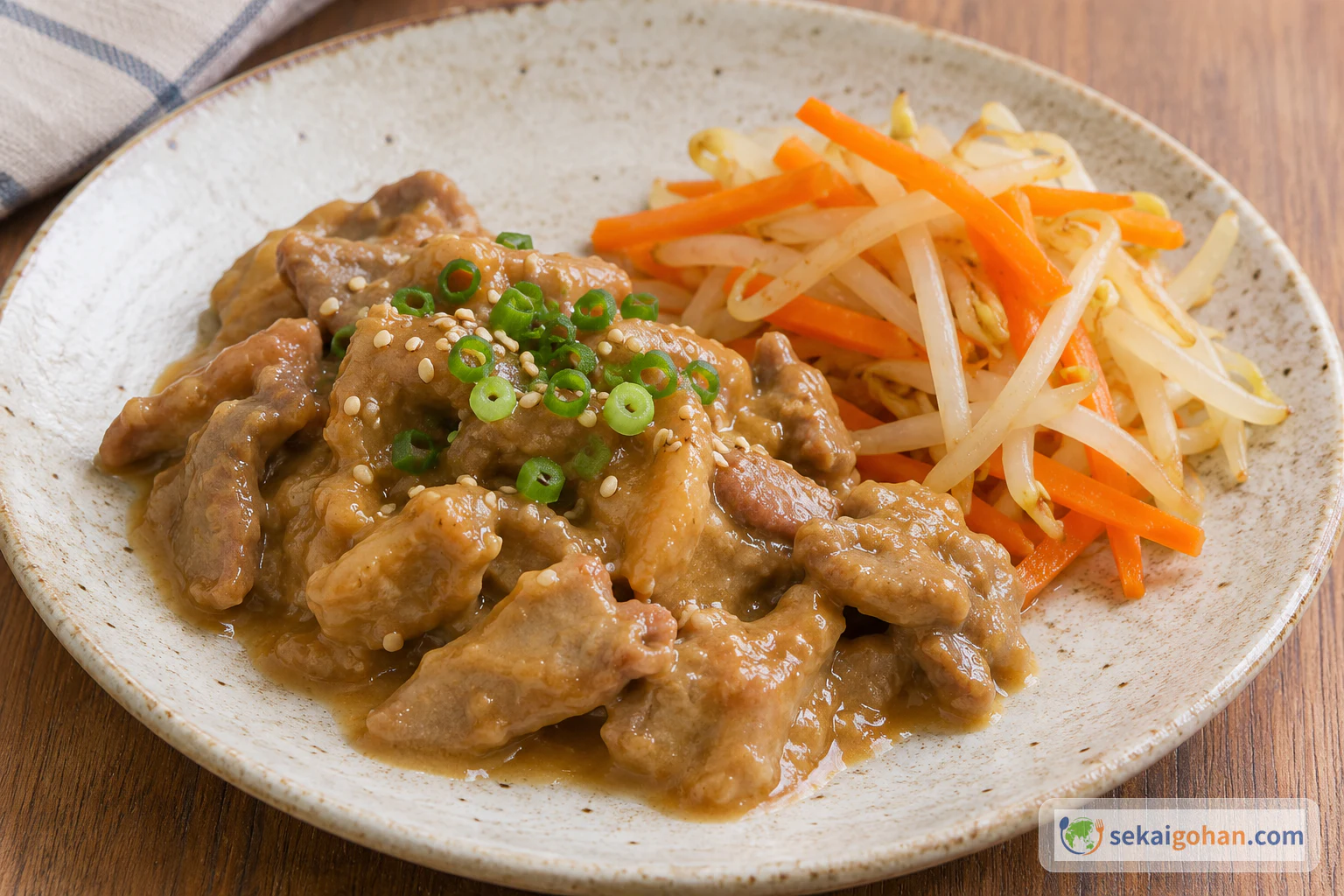
Horumonyaki: Grilled Horumon (Japanese Offal), Beef & Miso
Horumonyaki is grilled horumon (Japanese offal). Here beef offal is parboiled, stir-fried over high heat and coated in pork-bone miso, with bean sprouts.

Ichigo Daifuku: Strawberry Mochi Wrapped in Koshi-an and Microwave Gyuhi (いちご大福)
How to make ichigo daifuku (いちご大福) at home: ten whole strawberries wrapped first in smooth koshi-an, then in a soft gyuhi made from shiratamako, cane sugar and water in a 600W microwave. Covers how to judge the dough by gloss rather than by the clock, using potato starch for dusting only, avoiding burns from hot mochi, eating mochi safely, and how other published versions differ.
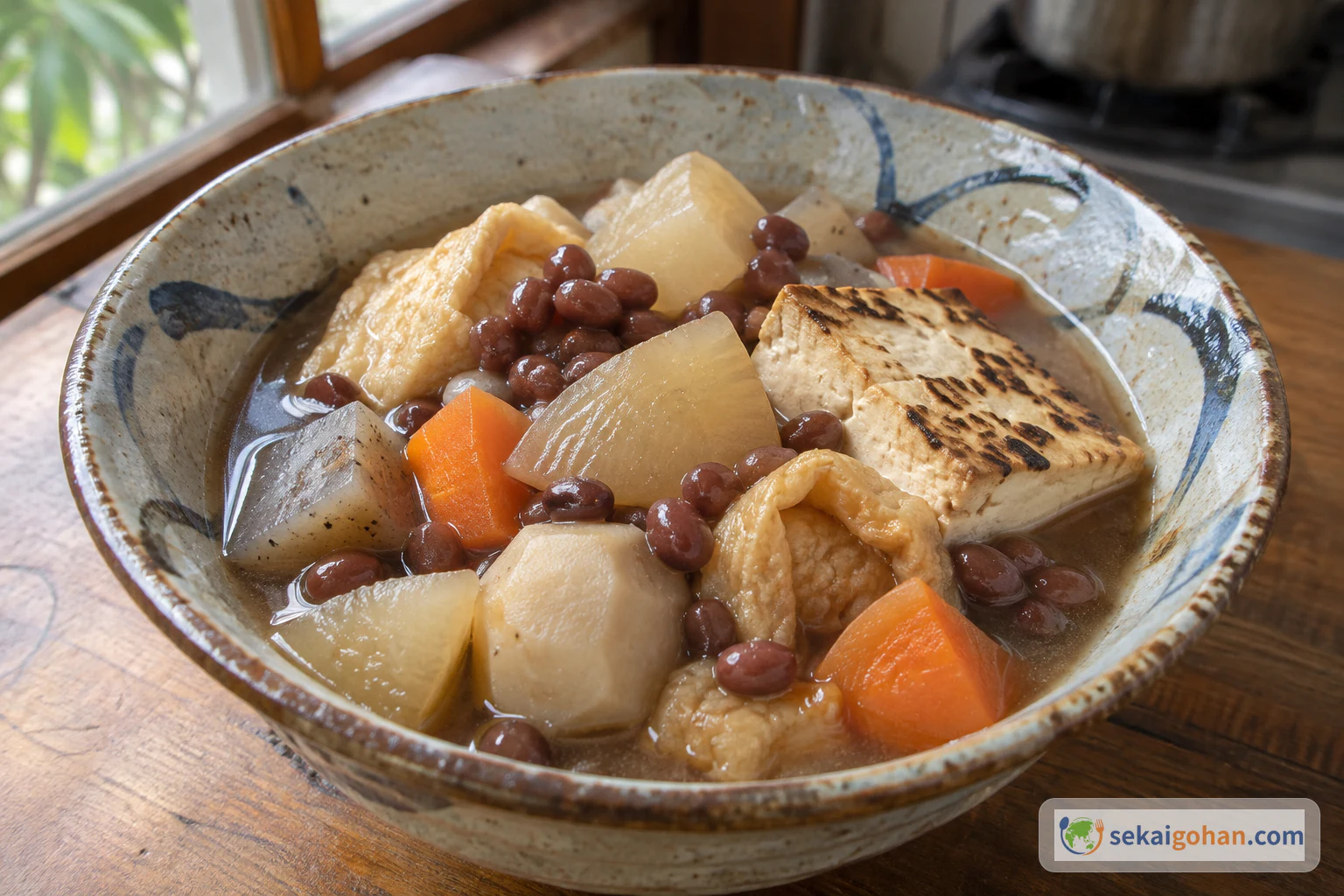
Toyama Itoko-ni (Nizai): Azuki and Root Vegetable Stew for Hōonkō
How to make Toyama-style itoko-ni (nizai), a savory stew of azuki beans, daikon, burdock, taro, konnyaku and two kinds of tofu served at Hōonkō memorial meals. Follows the four-serving recipe published by Japan's Ministry of Agriculture, Forestry and Fisheries, with the azuki pre-boil, the order for adding each ingredient, how it differs from the pumpkin dish of the same name, and other versions from around Toyama.
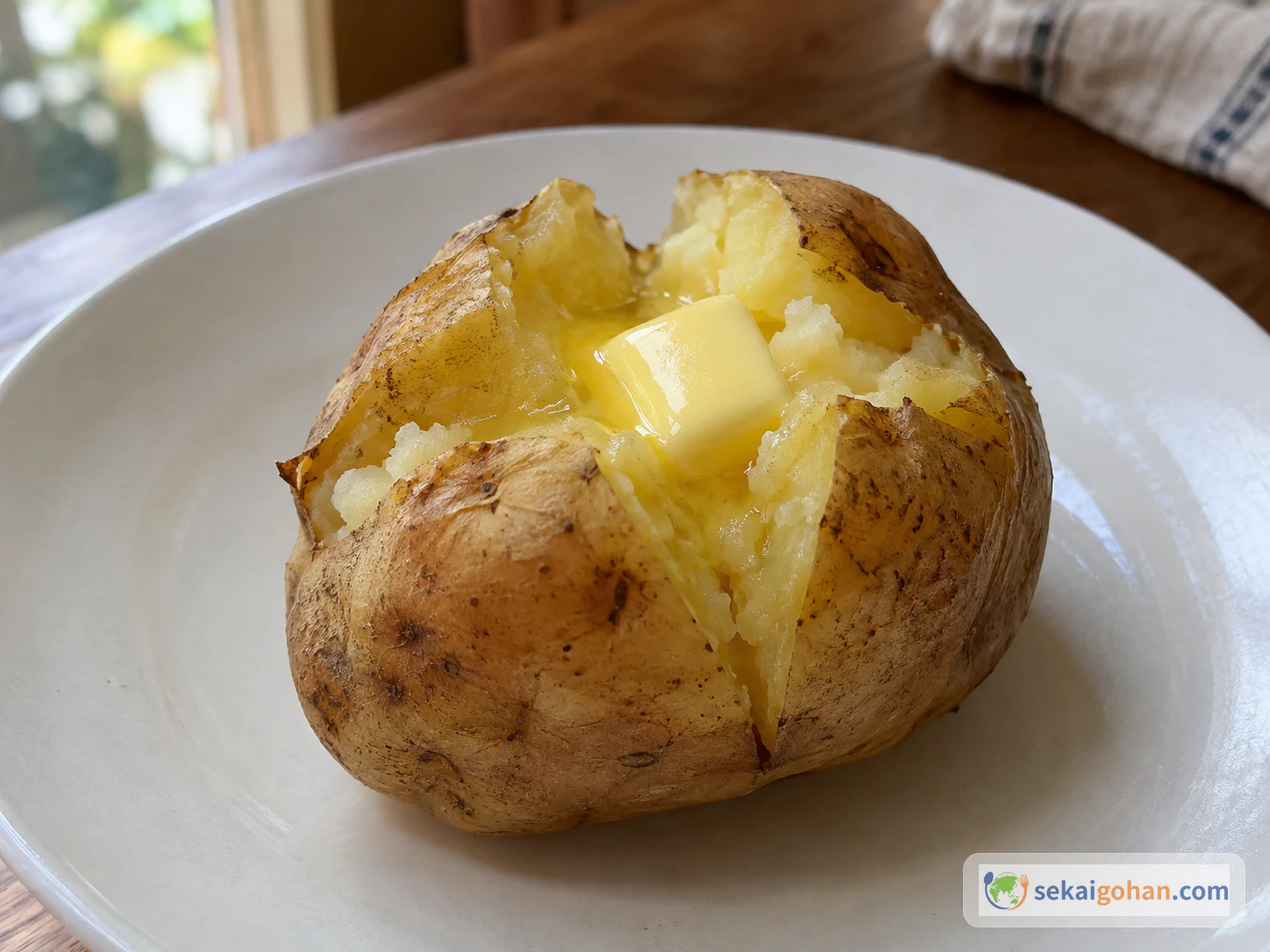
Jaga Butter: Japanese Microwave Potatoes with Butter (じゃがバター)
How to make jaga butter, the Japanese dish of whole skin-on potatoes topped with butter, using a simple microwave method: two new potatoes, 10g butter, about 6–8 minutes at 600W until soft. Covers judging doneness, handling steam safely, choosing floury potatoes, potato safety, optional toppings and the dish's link with Hokkaido's Danshaku potato.
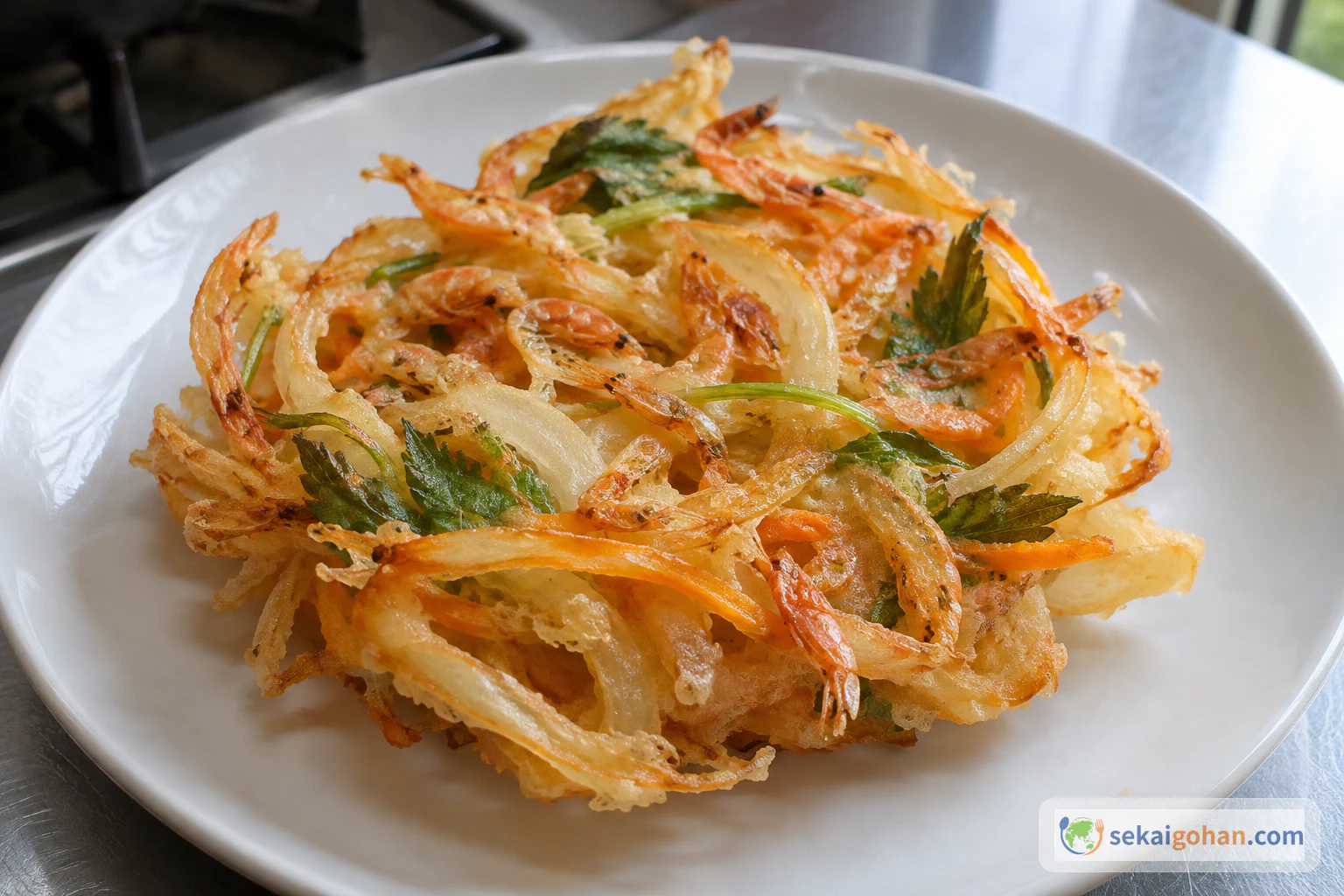
Kakiage: Crisp Japanese Fritters of Onion, Carrot and Sakura Shrimp (かき揚げ)
How to make kakiage (かき揚げ), a type of Japanese tempura in which thin onion, julienned carrot, dried sakura shrimp and mitsuba are bound with a light batter and fried into flat, crisp pieces. Covers a home recipe for 4, how to judge the batter by look rather than by weight, careful frying, draining, and serving with salt, over rice, or on soba and udon.
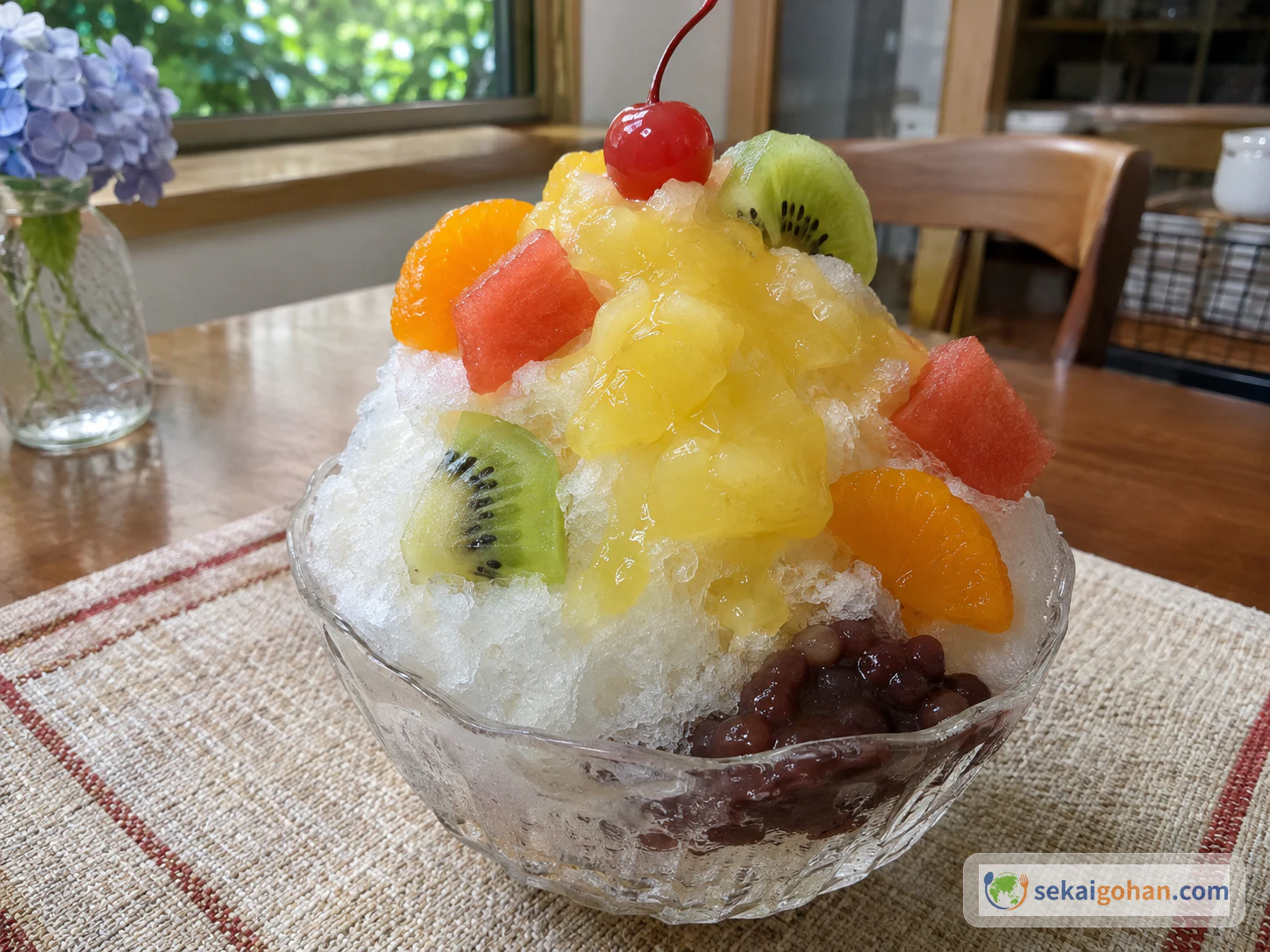
Kakigōri: Japanese Fruit Shaved Ice with Cooked Azuki (かき氷)
How to make one bowl of Japanese fruit kakigōri: finely shaved ice layered with a condensed milk and clear mizore syrup mixture, cooked azuki at the bottom, mandarin, watermelon, kiwi, chunky pineapple sauce and a cherry on top. Covers one-serving amounts, the assembly order, safe use of a shaved-ice machine, ice texture, variations, and the story of ice houses and shaved ice in Japan.
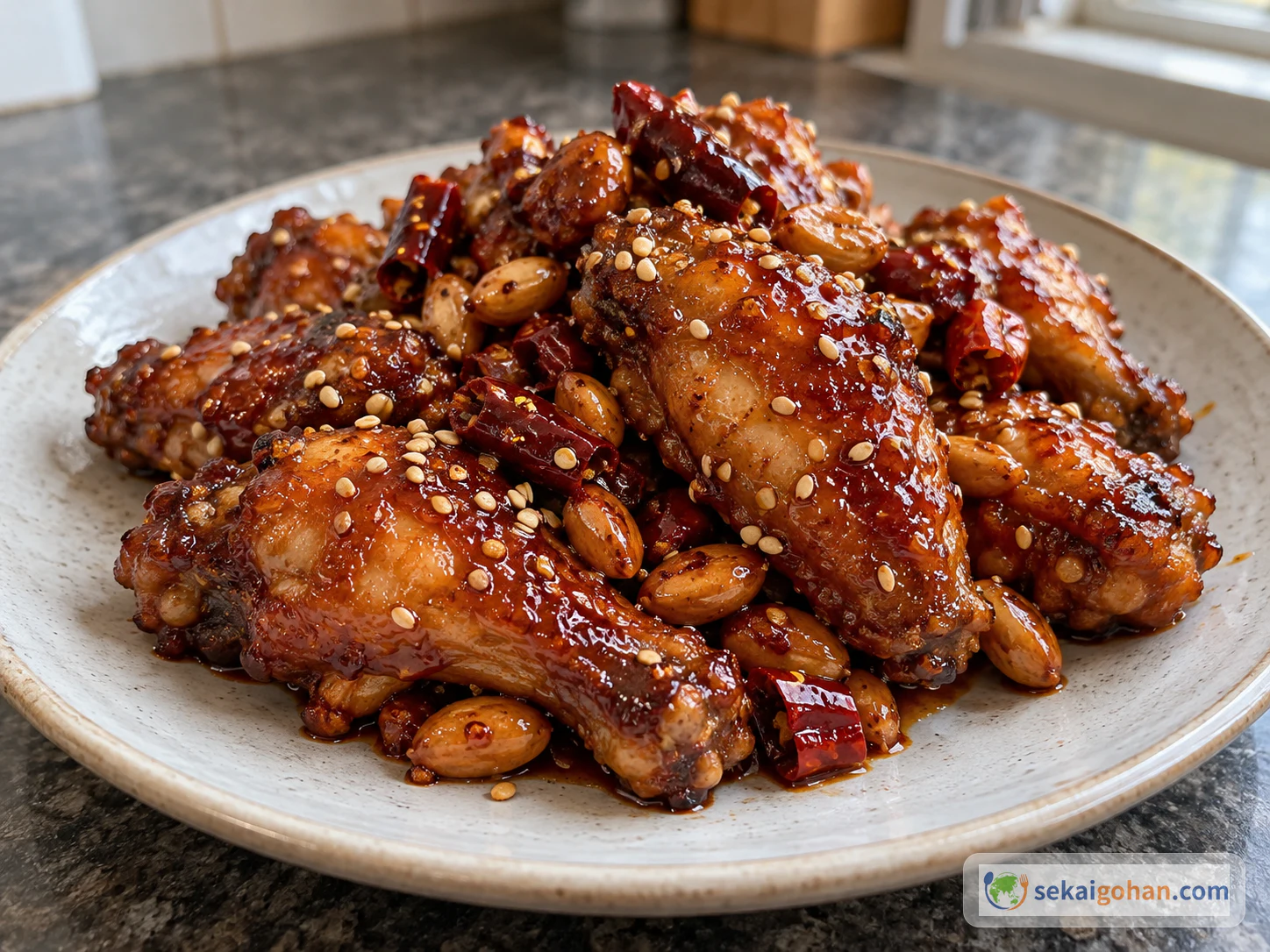
Dakgangjeong: Double-Fried Chicken Wings in a Sweet Soy Glaze (닭강정)
How to make dakgangjeong (닭강정), Korean-style fried chicken wings coated in potato starch, fried twice and tossed in a bubbling soy, rice syrup and garlic sauce. Based on Maangchi's current easy version, with the wing weight before and after trimming, the sauce made first, separate first and second fries, the optional chili, mustard and peanuts, and what the recipe leaves unstated.
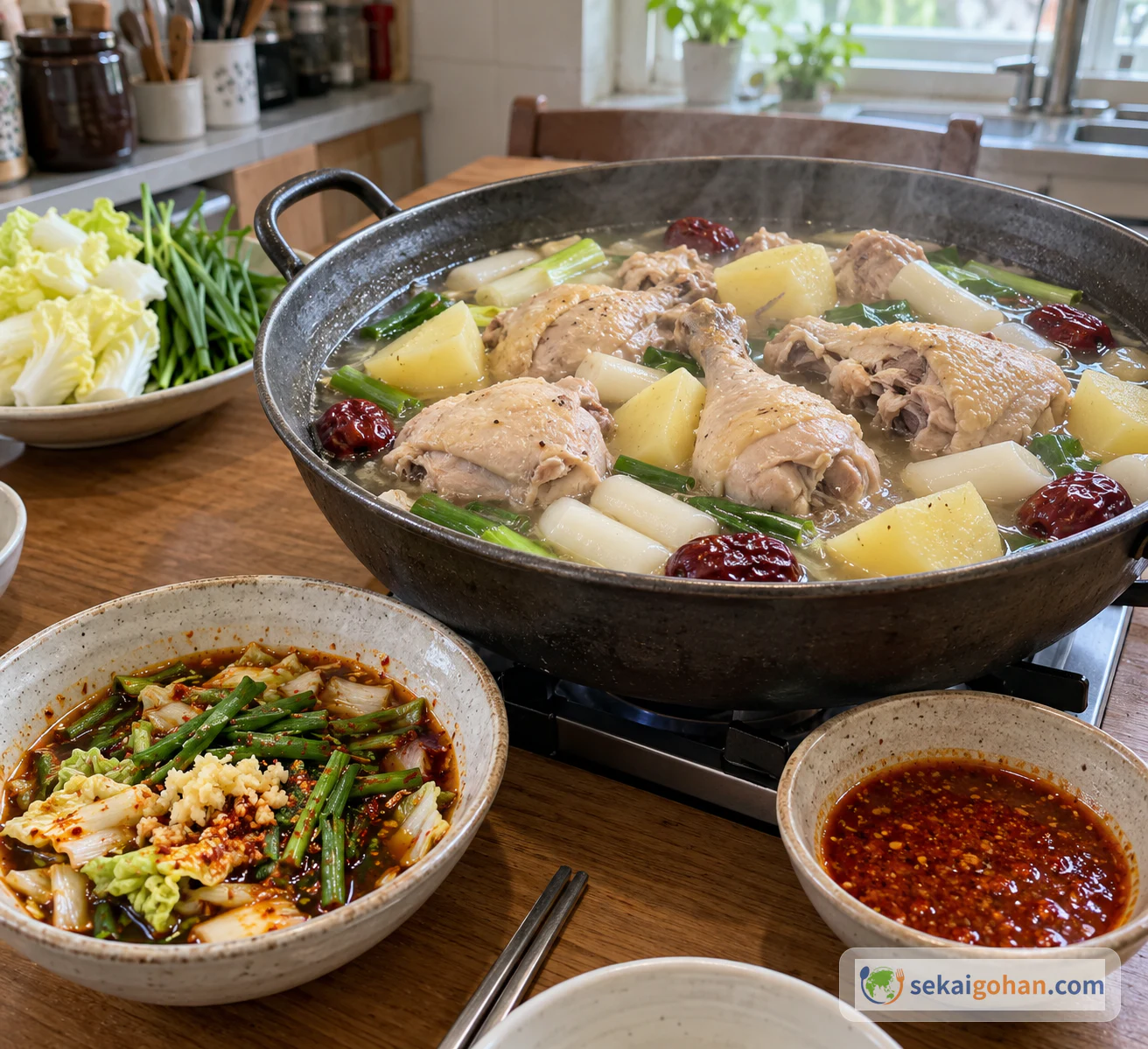
Dak-hanmari: Korean Shared Chicken Hot Pot with Two Dipping Sauces (닭한마리)
How to make dak-hanmari, the Seoul-associated shared chicken hot pot, following Daniel Oh's home version with skin-on drumsticks and thighs. Covers the clear broth, potatoes and tteok, two separately made dipping sauces, individual dipping trays and an optional fresh kalguksu finish, with the water and peppercorn discrepancies in the recipe explained.
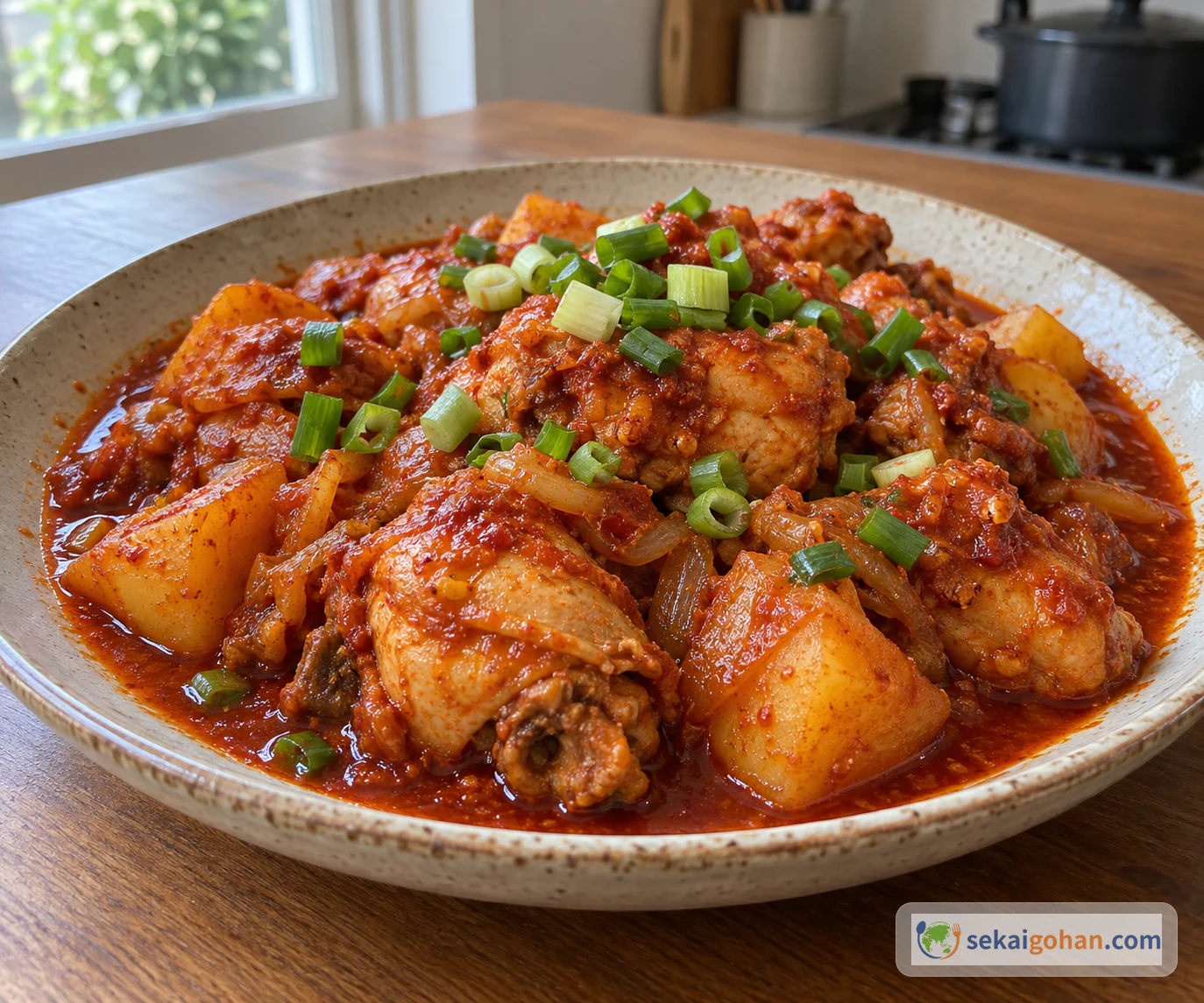
Daktoritang (Dakbokkeumtang): Korean Spicy Braised Chicken with Potatoes
How to make daktoritang, also called dakbokkeumtang (닭도리탕 / 닭볶음탕): chicken thighs, potatoes and onions braised in gochujang and gochugaru. This guide follows Maangchi's traditional-style recipe through all eleven steps and explains the two names, safe handling of raw chicken, and how to choose Korean chili seasonings.
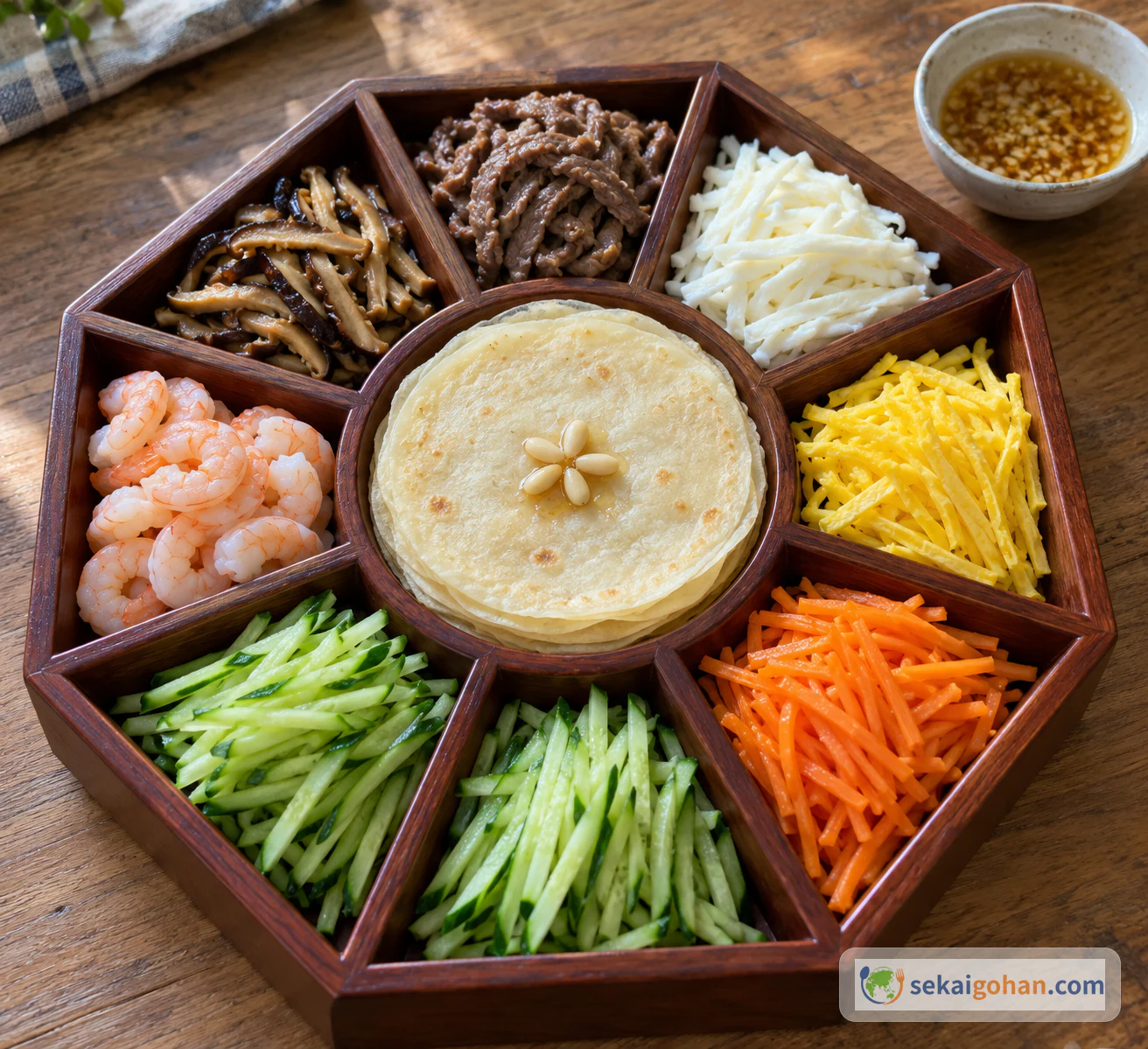
Gujeolpan: Korean Platter of Nine Delicacies (구절판)
How to make gujeolpan (구절판), the Korean platter of eight colorful fillings around a stack of thin wheat crepes, served with a mustard-garlic sauce. Covers the separate seasoning for each filling, white and yolk egg sheets, small strained crepes, how to arrange the nine sections, and how to plate it without a special nine-section dish.
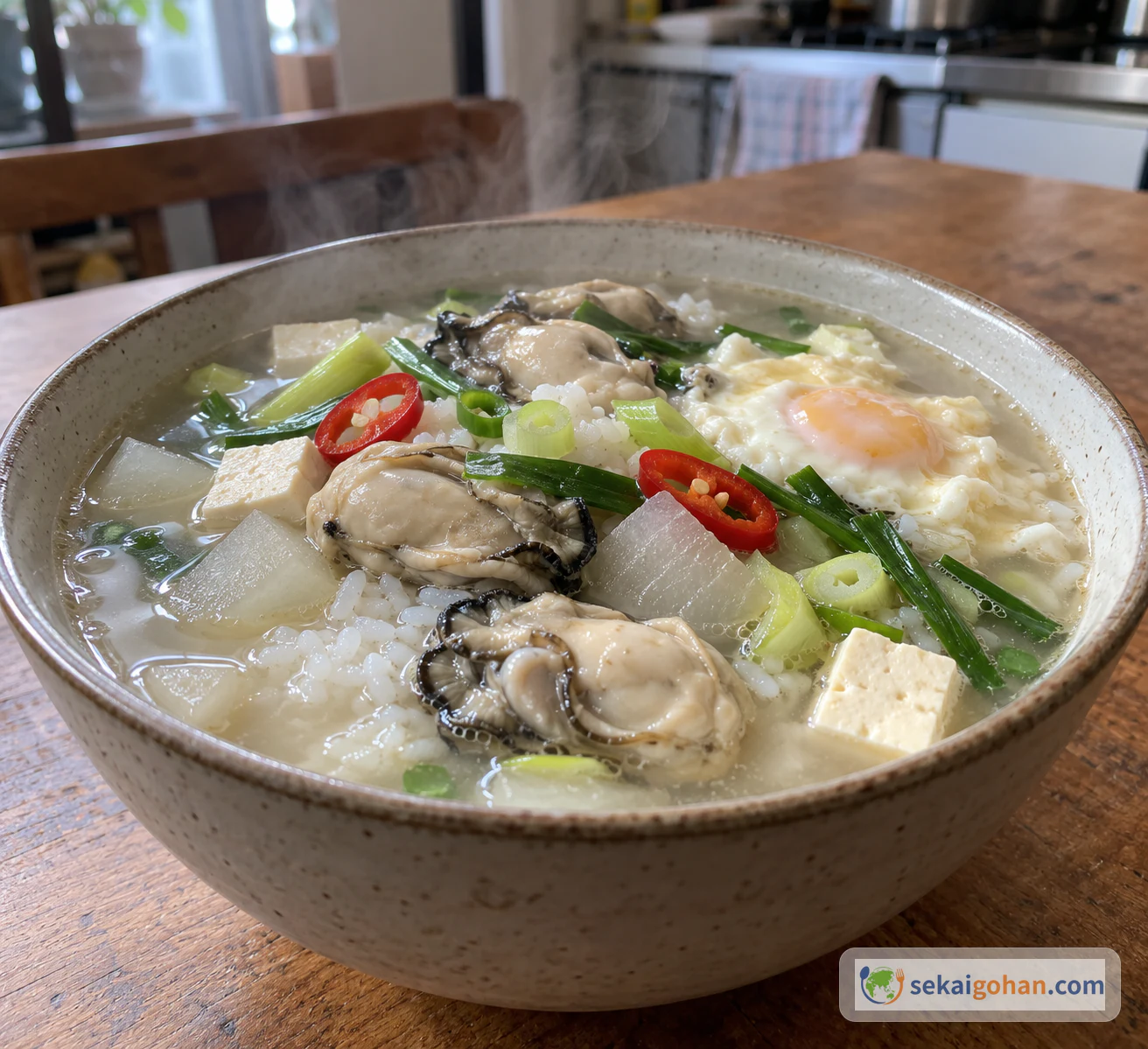
Gul-gukbap: Korean Oyster Rice Soup with Radish, Tofu and Egg (굴국밥)
How to make gul-gukbap (굴국밥), the Korean dish of hot oyster and radish soup eaten with cooked rice, following a recipe hosted on 10000recipe and attributed to CJ 제일제당. Covers the ingredient list for 2 servings, the cooking order, safe oyster cooking from public food-safety guidance, how it differs from the broader winter version described by the Korea Tourism Organization, and what is left to taste.

Gyeran-ppang: Korean Egg Bread with a Whole Egg Baked on Top (계란빵)
How to make gyeran-ppang (계란빵), the Korean egg bread known as a winter street snack, in a home oven version baked in three mini loaf pans. Covers how the four eggs are split between batter and topping, the separate jobs of butter and oil, the optional mozzarella, the 400°F bake, how this snack differs from gilgeori toast and bungeoppang, and why bake time alone is not a food-safety guarantee.
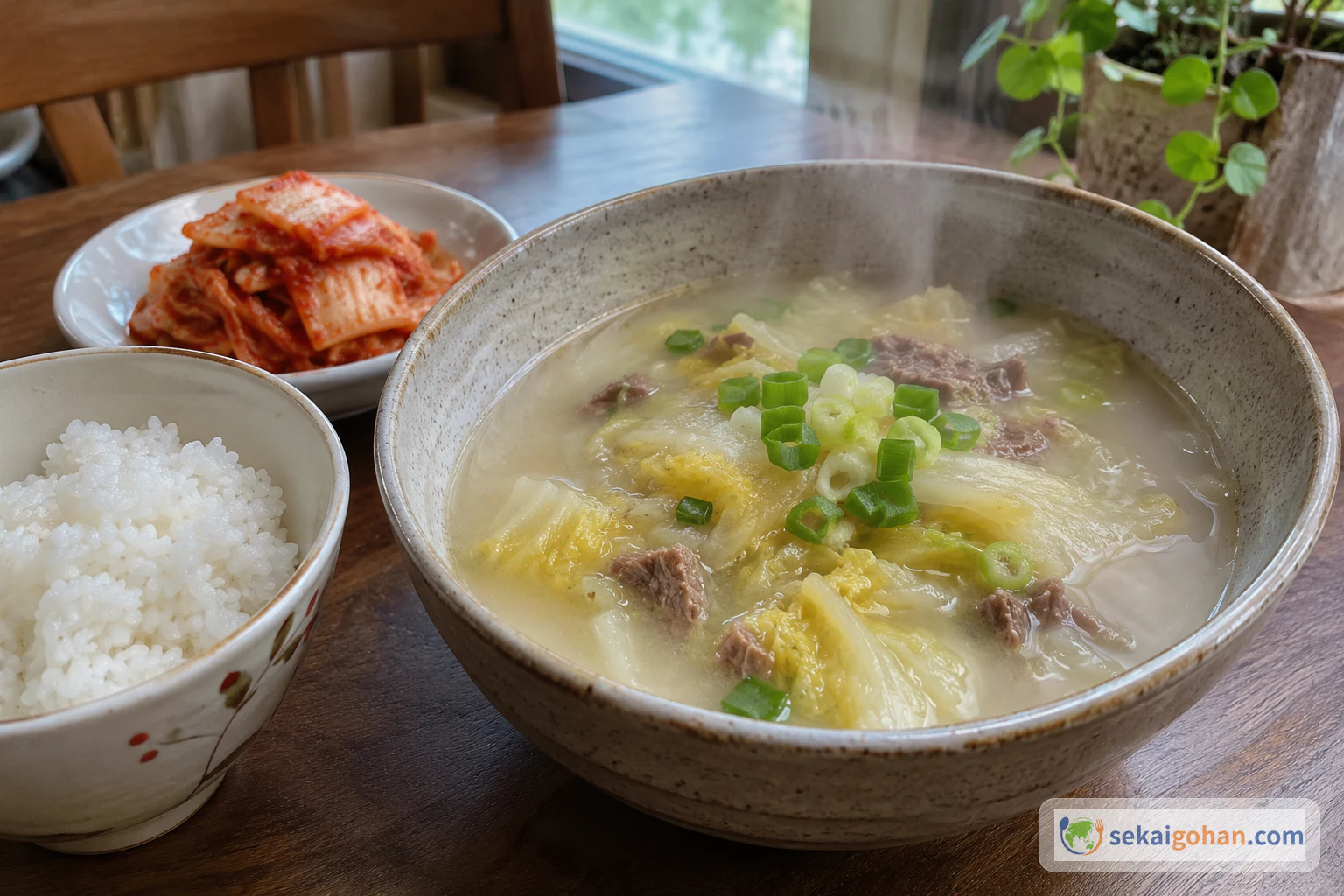
Haejang-guk: Korean Ox Bone and Napa Cabbage Soup with Doenjang (Ppyeo-haejangguk, 뼈해장국)
How to make ppyeo-haejangguk (뼈해장국), a Korean soup of long-simmered ox bone broth and napa cabbage seasoned with doenjang, garlic, green chili and fish sauce. It is one example from the wider haejangguk family of soups. Covers the four-hour bone broth, chilling and skimming, quick refrigeration in shallow containers, serving with rice and kimchi, and how this version differs from bean sprout, blood and pork backbone styles.
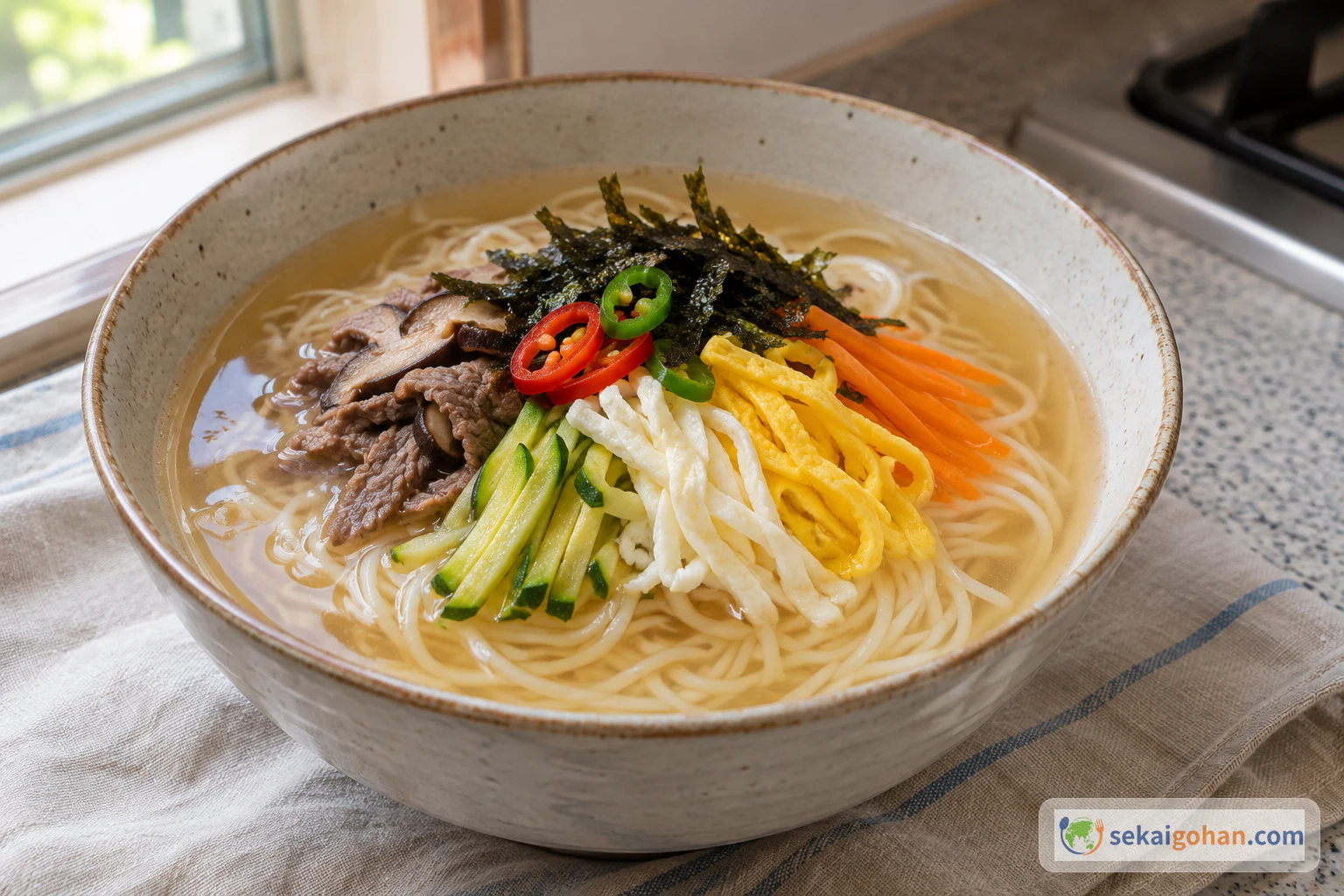
Janchi-guksu (잔치국수): Korean Celebration Noodles in Anchovy Broth
How to make janchi-guksu (잔치국수), the Korean noodle soup tied to weddings and celebrations: thin wheat noodles in a clear anchovy, dried shrimp and kelp broth, topped with beef and shiitake, squash, carrot, white and yellow egg ribbons, laver and chilies. Follows KBS WORLD's two-serving recipe step by step, with clear notes on the kelp amount, the different soy sauces, dried shiitake and cooking minced beef safely.
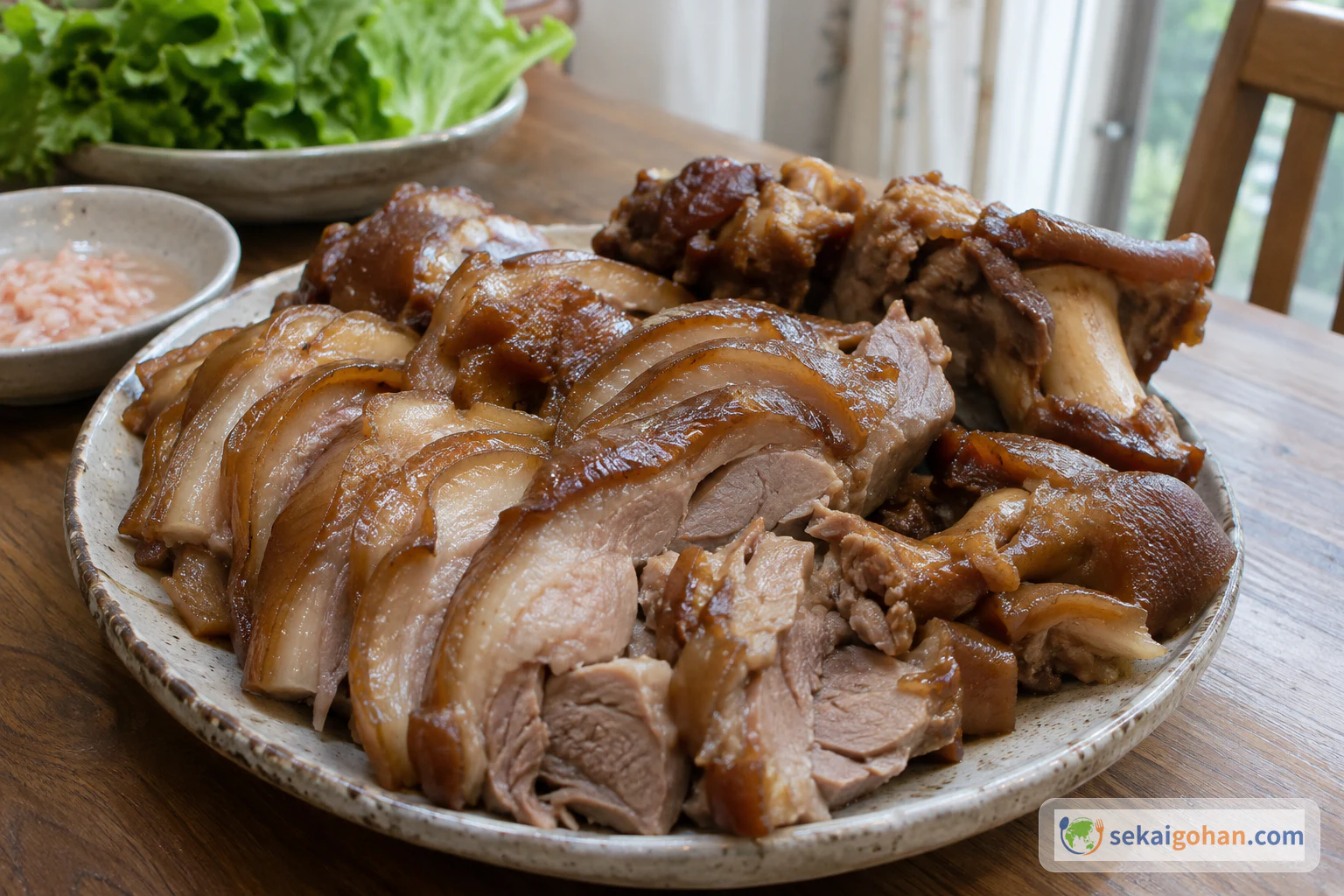
Jokbal: Korean Soy-Braised Pig's Trotters (족발)
Jokbal (족발) recipe: Korean pig's trotters soaked, blanched, braised in soy-based liquid with a spice pouch, glazed, sliced, and eaten in lettuce wraps.
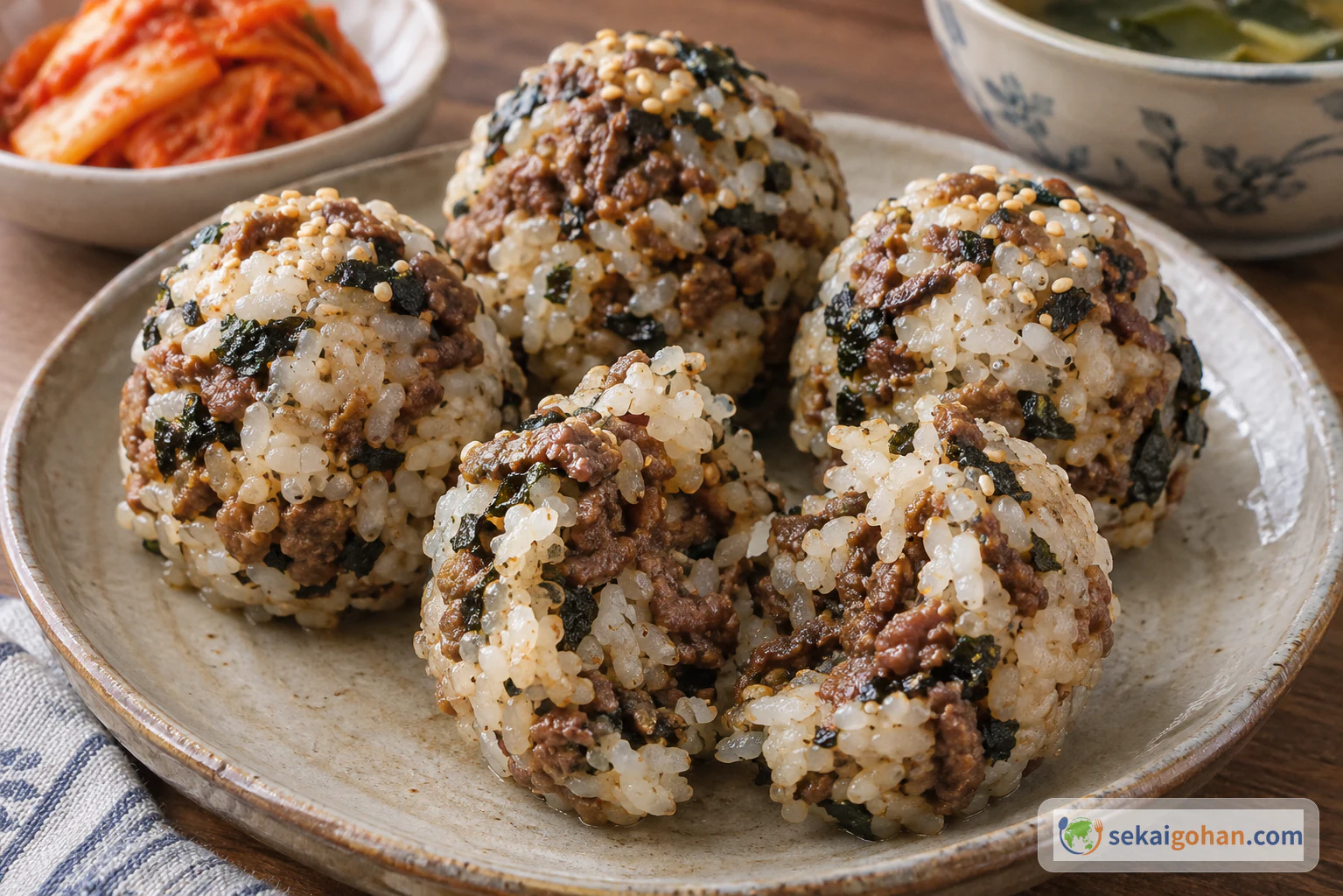
Bulgogi Jumeokbap: Korean Rice Balls with Seasoned Beef Mixed Through (주먹밥)
How to make bulgogi jumeokbap, a Korean hand-shaped rice ball in which soy-and-mirin-marinated minced beef, toasted sesame, sea salt flakes and crumbled seasoned seaweed (gim jaban) are folded through warm short-grain rice and pressed into balls. Covers the marinade, frying the beef, folding without crushing the grains, shaping with wet hands, food-safety basics for minced beef, and how this version differs from other jumeokbap and from gimbap.

Coke Boiled with Ginger (薑汁煮可樂): A Hot Cola Drink from 200cc Cola and 10g Ginger
Coke Boiled with Ginger (薑汁煮可樂) is a warm drink of cola heated with ginger, listed on the Macao Government Tourism Office's Local Food page. This single-serving recipe follows a home recipe published on Rakuten Recipe: 200cc regular Coca-Cola and 10g julienned ginger, brought to a boil, then simmered on low heat for about 5 minutes and drunk hot. It notes which details the recipe leaves open.
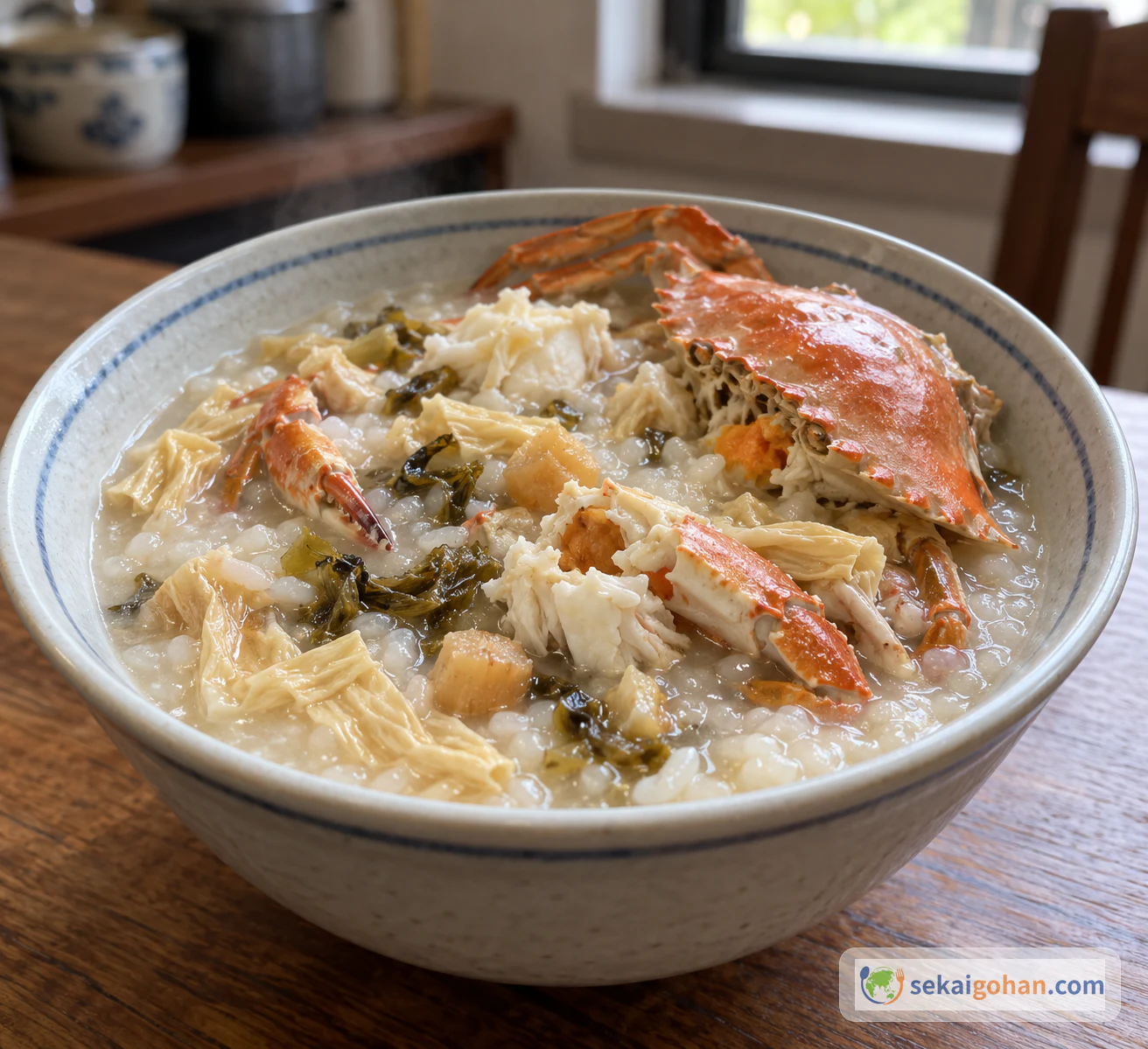
Macau Crab Congee: One Home Cook's Re-creation of a Remembered Bowl (家常版澳门水蟹粥)
How to make crab congee following a home recipe whose author set out to re-create a remembered bowl from Macau. Covers the eight ingredients for 3 servings, rice rested with salt and peanut oil, a pot started with dried scallop and fupi, the author's three heat stages, and the crab and preserved winter vegetable added at the end, with an independent food-safety cue for checking the crab before serving.
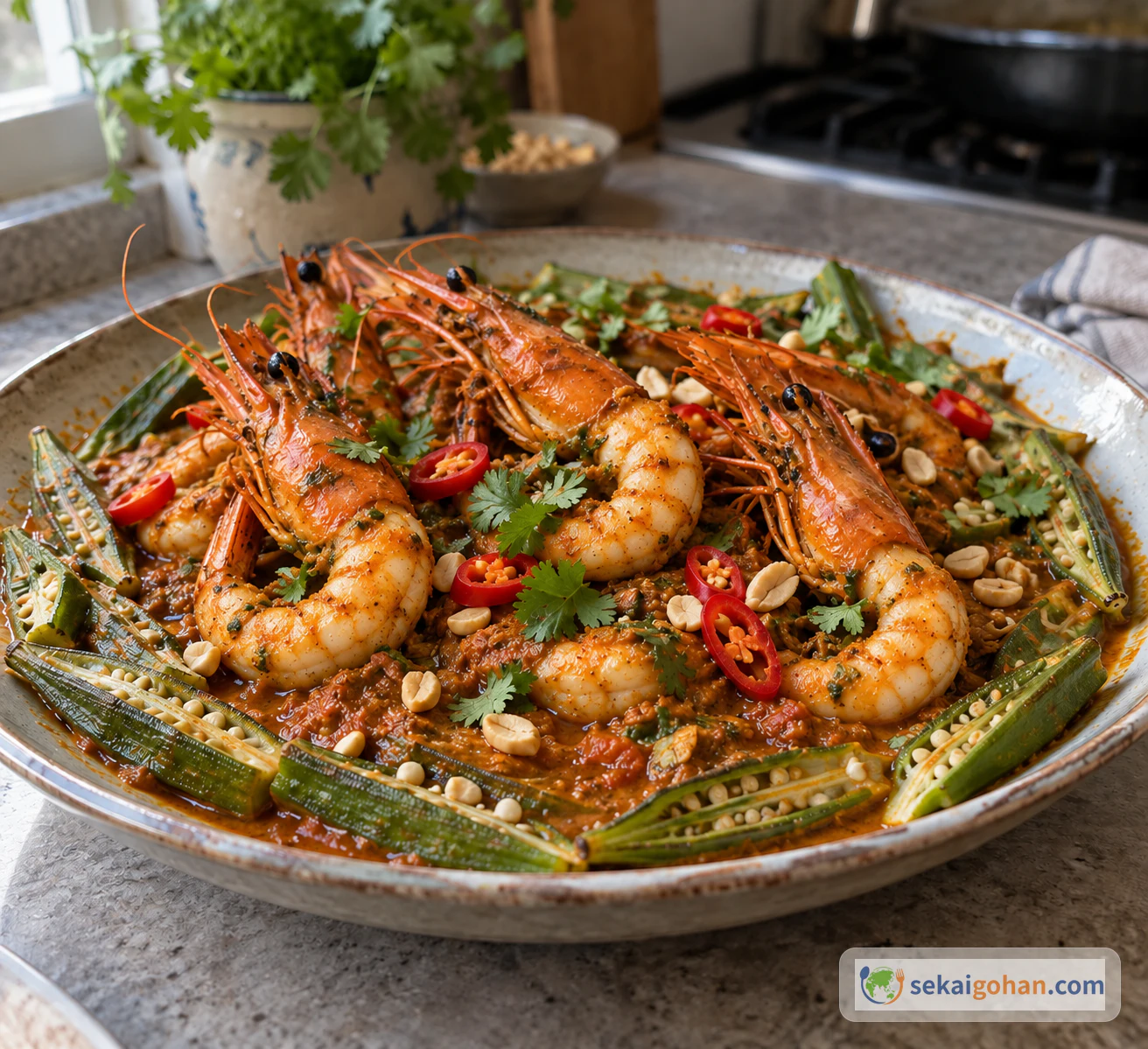
Curry Shrimp with Okra: Nuno Mendes's Macanese Prawn and Okra Curry (Caril de Camarão com Quiabos)
How to make Nuno Mendes's Macanese curried prawns and okra (Caril de camarão com quiabos), following the published recipe. It covers a stock made from the prawn shells, splitting the 4 tbsp of grapeseed oil, okra halved lengthways, keeping the prawn heads on, keeping base and garnish amounts separate, and plating with plain cooked rice.
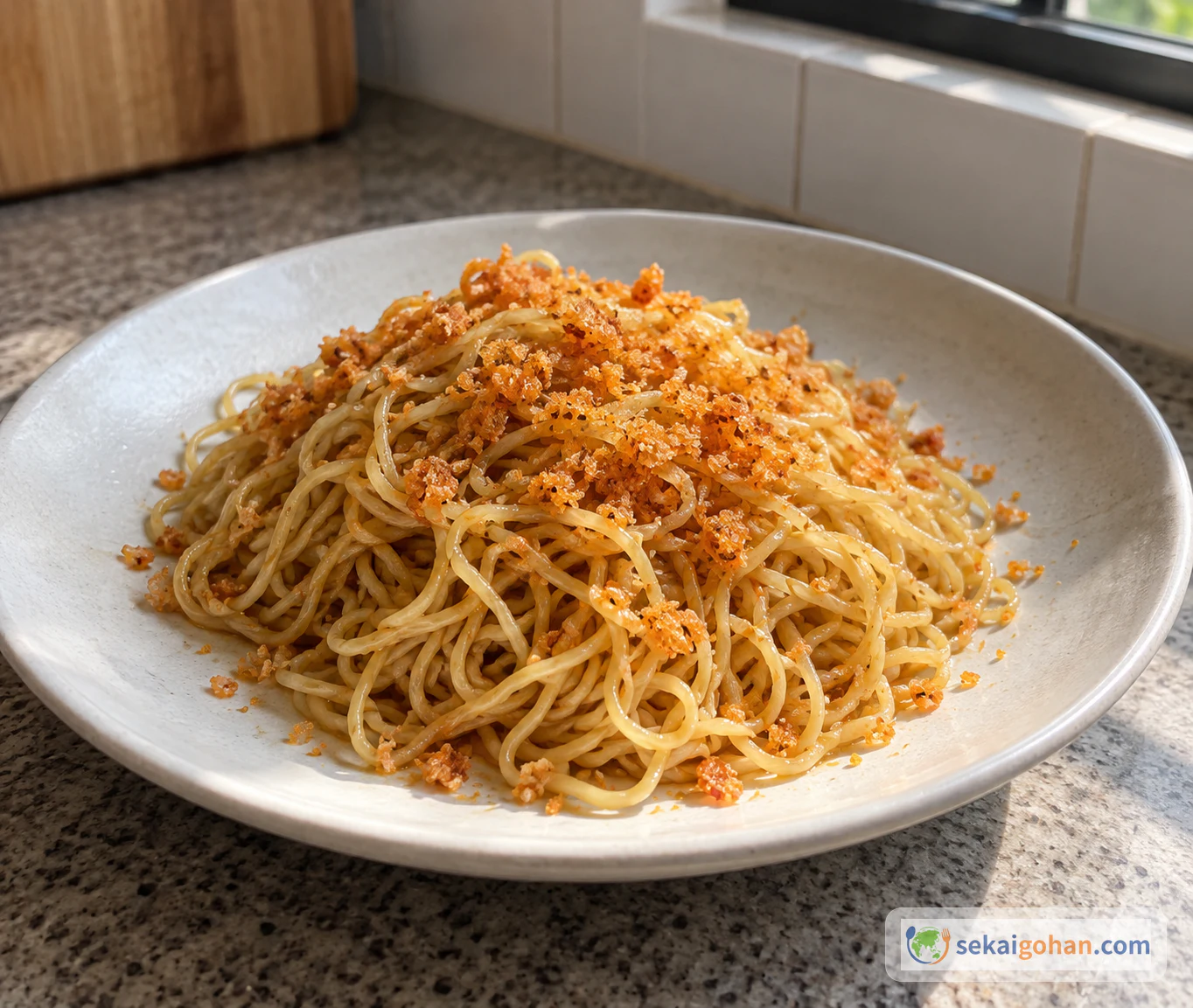
Dried Shrimp Roe Noodles (蝦子撈麵): A Hong Kong Home Version for One
How to make dried shrimp roe noodles (蝦子撈麵), the shrimp-roe noodle dish listed among Macao's local foods, using a measured one-serving Hong Kong home version: dry-toasted shrimp roe powder over thin wonton noodles tossed with lard oil and light soy sauce. Covers how to tell shrimp roe from dried shrimp and roe-embedded noodles, the documented forms in Macao, and what the recipe leaves open.
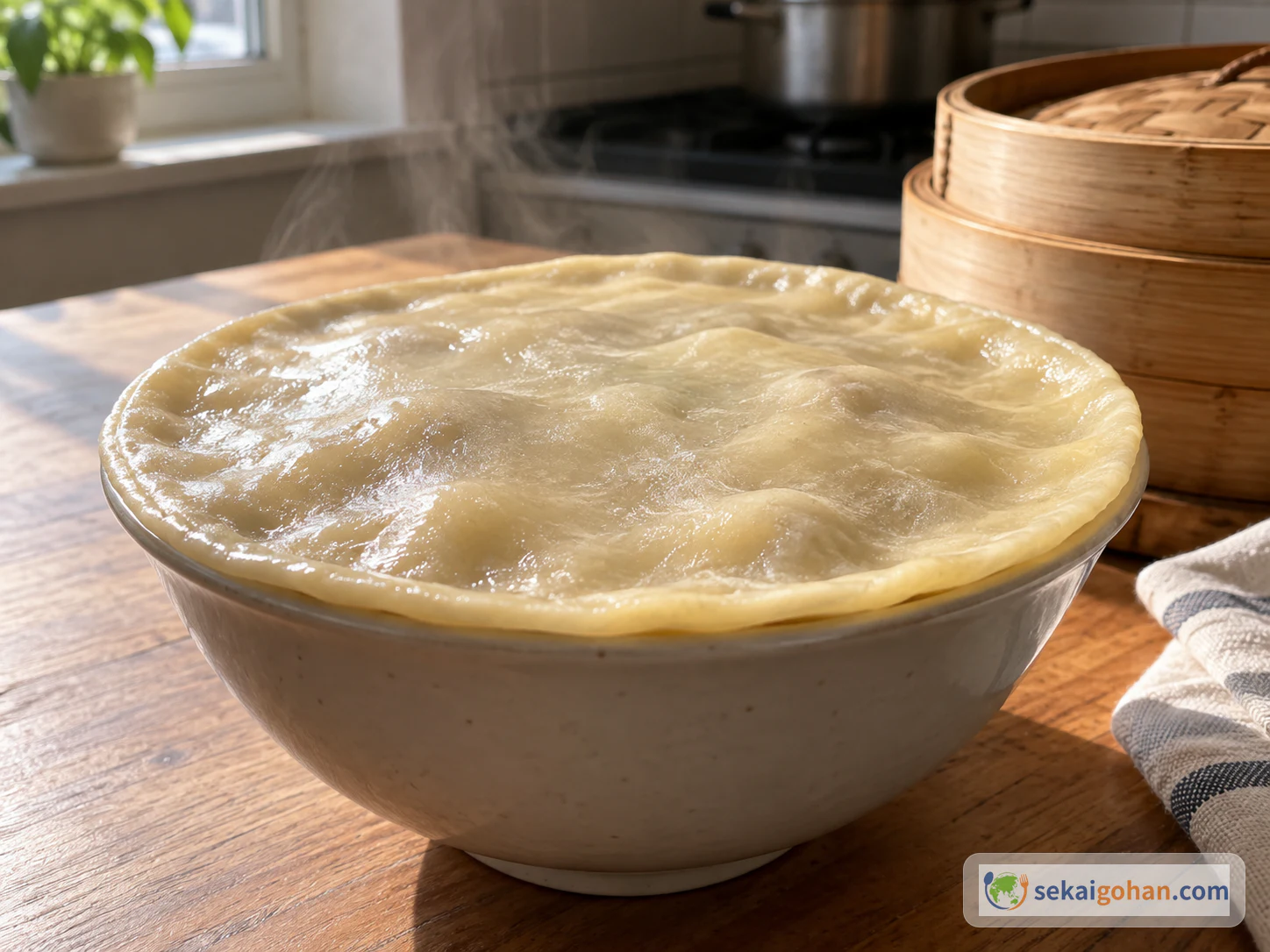
Bituu Shul: Mongolian Dough-Sealed Soup (Битүү шөл)
Bituu shul (Битүү шөл), the Mongolian soup steamed in a bowl under a thin round of dough, following the one-person version in the grade 3 textbook Монгол хэл III. Covers the textbook amounts and full method in ten steps, the details the source leaves open, how it differs from other published versions, and the wider Mongolian practice of covered, steamed foods.
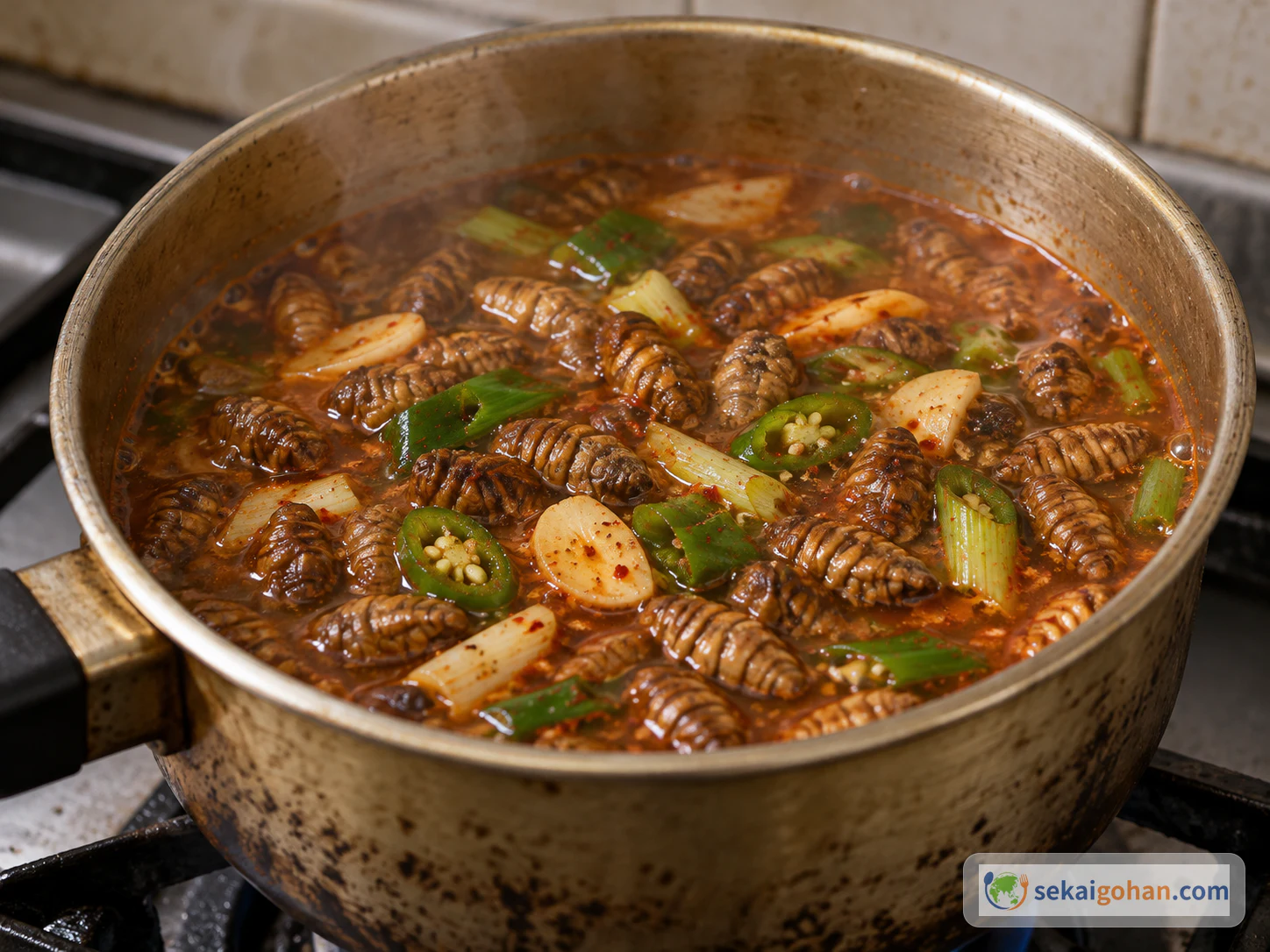
Beondegi-tang: Spicy Korean Silkworm Pupa Soup Made from a Can (번데기탕)
How to make beondegi-tang (번데기탕), a quick, spicy Korean soup of canned silkworm pupae with sliced garlic, gochugaru, scallion and Cheongyang chili. Follows one home cook's written recipe for 2, with the exact order of additions, how much can liquid goes back in, what the 150g on the can means, and allergy notes to read before you eat.
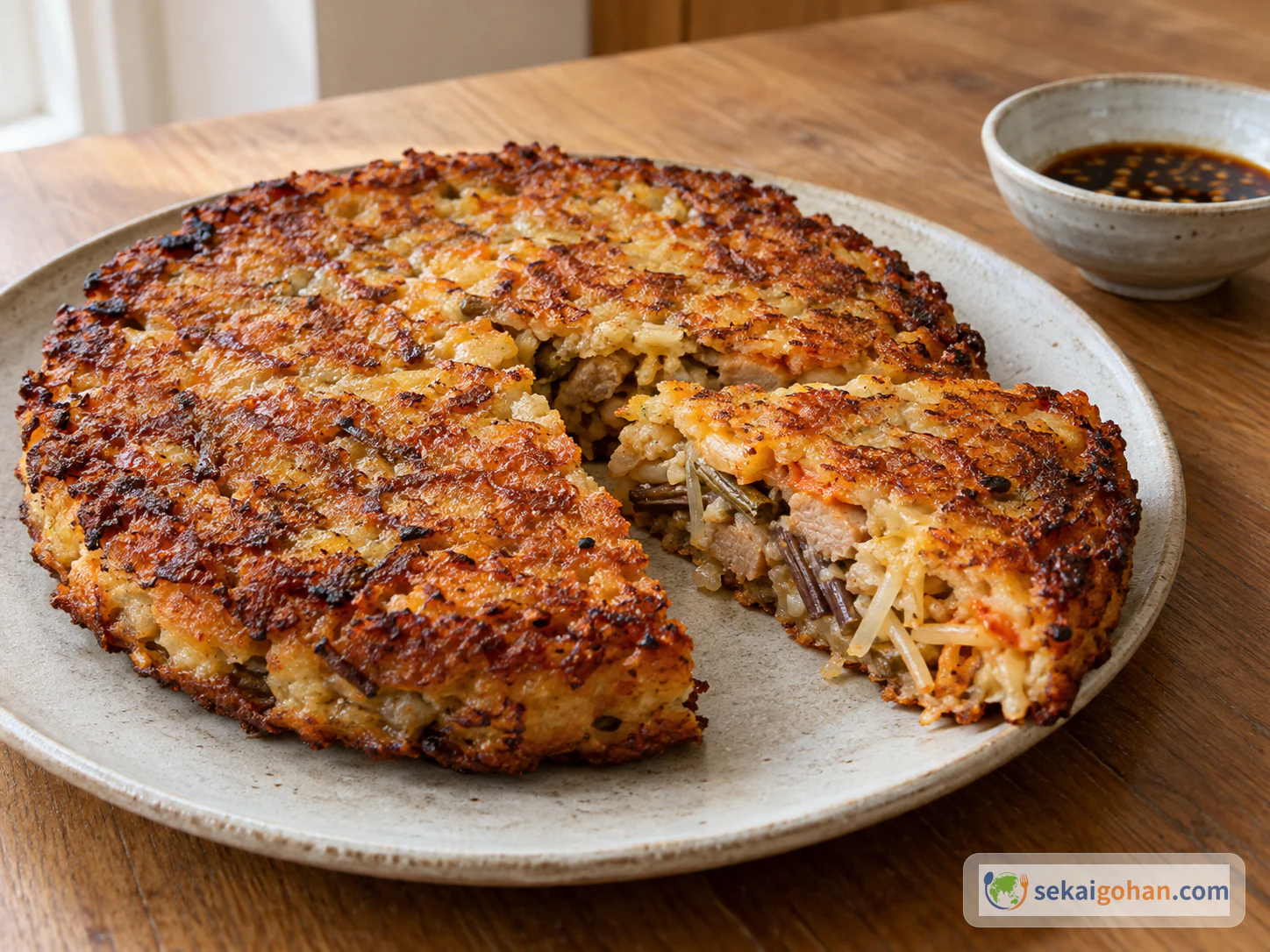
Bindaetteok: Korean Mung Bean Pancakes with Pork, Kimchi and Fernbrake (빈대떡)
How to make bindaetteok (빈대떡), the Korean pancake made from soaked and ground mung beans and sweet rice, in a home version passed down from a family with roots in North Korea. Covers the 8-hour soak, grinding the batter, mixing in pork, kimchi, fernbrake and sprouts, frying to a golden crust, the soy-vinegar dipping sauce, freezing cooked pancakes, and the dish's place on Korean tables.
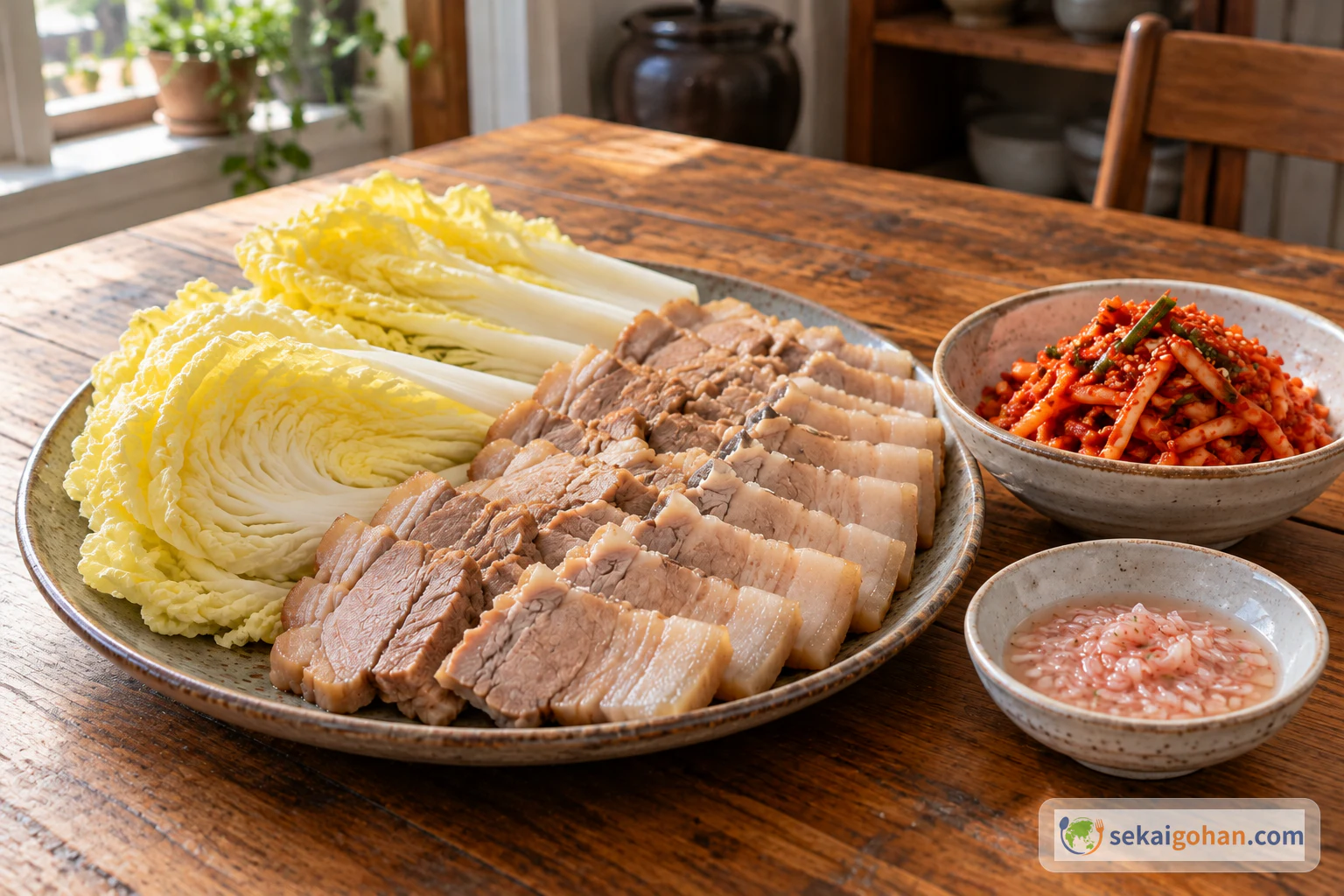
Bossam: Korean Boiled Pork Wraps with Salted Napa Leaves and Spicy Radish (보쌈)
How to make bossam (보쌈), the Korean dish of aromatic boiled pork belly wrapped in salted napa cabbage leaves with spicy radish salad and salted shrimp sauce. Covers the brine for the leaves, cooking the pork with doenjang, safe internal temperature, an oyster-free radish salad, allergens, and how bossam relates to the winter kimjang table.