
Recipes (41)
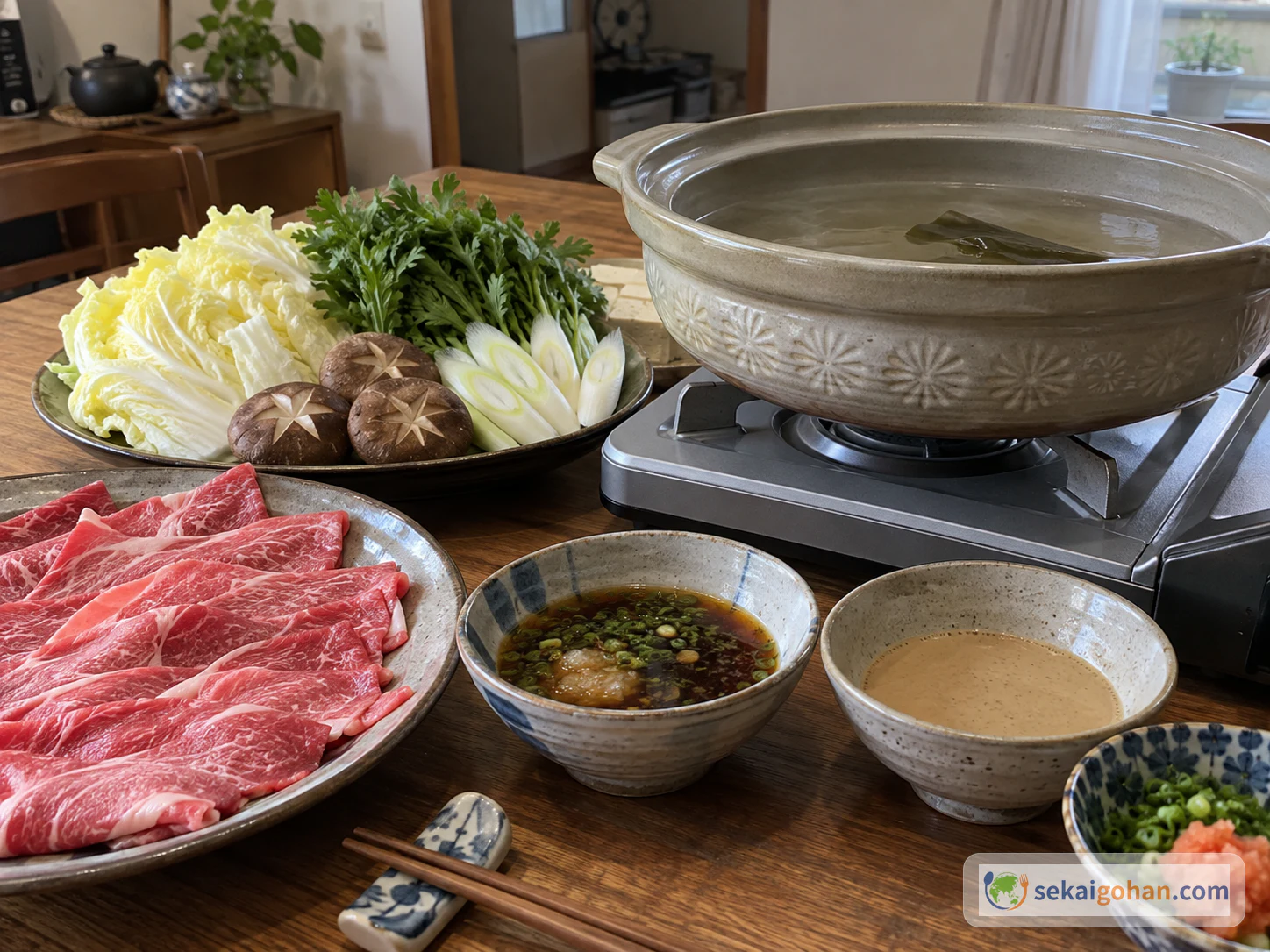
Shabu Shabu: Japanese Beef Hot Pot with Kombu Broth and Two Dipping Sauces
How to make shabu shabu at home for two: a clear broth from kombu soaked in water, thinly sliced beef, napa cabbage, shungiku, negi and shiitake, plus ponzu and a homemade sesame dipping sauce. Covers the order for adding meat and vegetables, how to keep the broth gentle at the table, and how to handle raw meat safely.
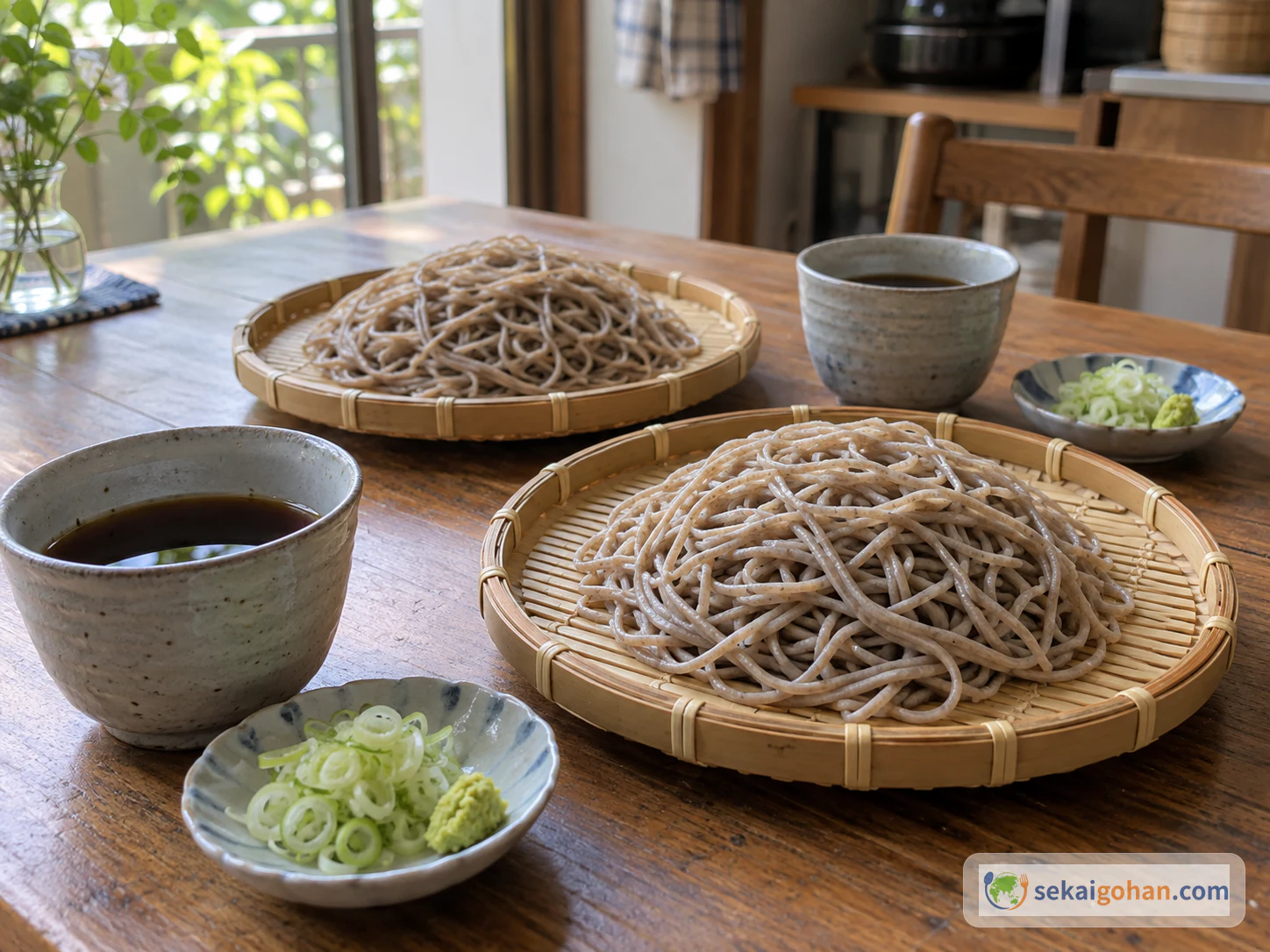
Zaru Soba: Chilled Buckwheat Noodles With Homemade Dipping Sauce (ざるそば)
How to make zaru soba at home with dried noodles: a bonito and soy dipping sauce made from scratch, cooking by the package time, and rinsing under cold running water to remove surface sliminess. Covers choosing dried soba by its buckwheat and wheat content, preparing green onion and wasabi, allergy checks, and how soba differs across regions such as Nagano and Niigata.
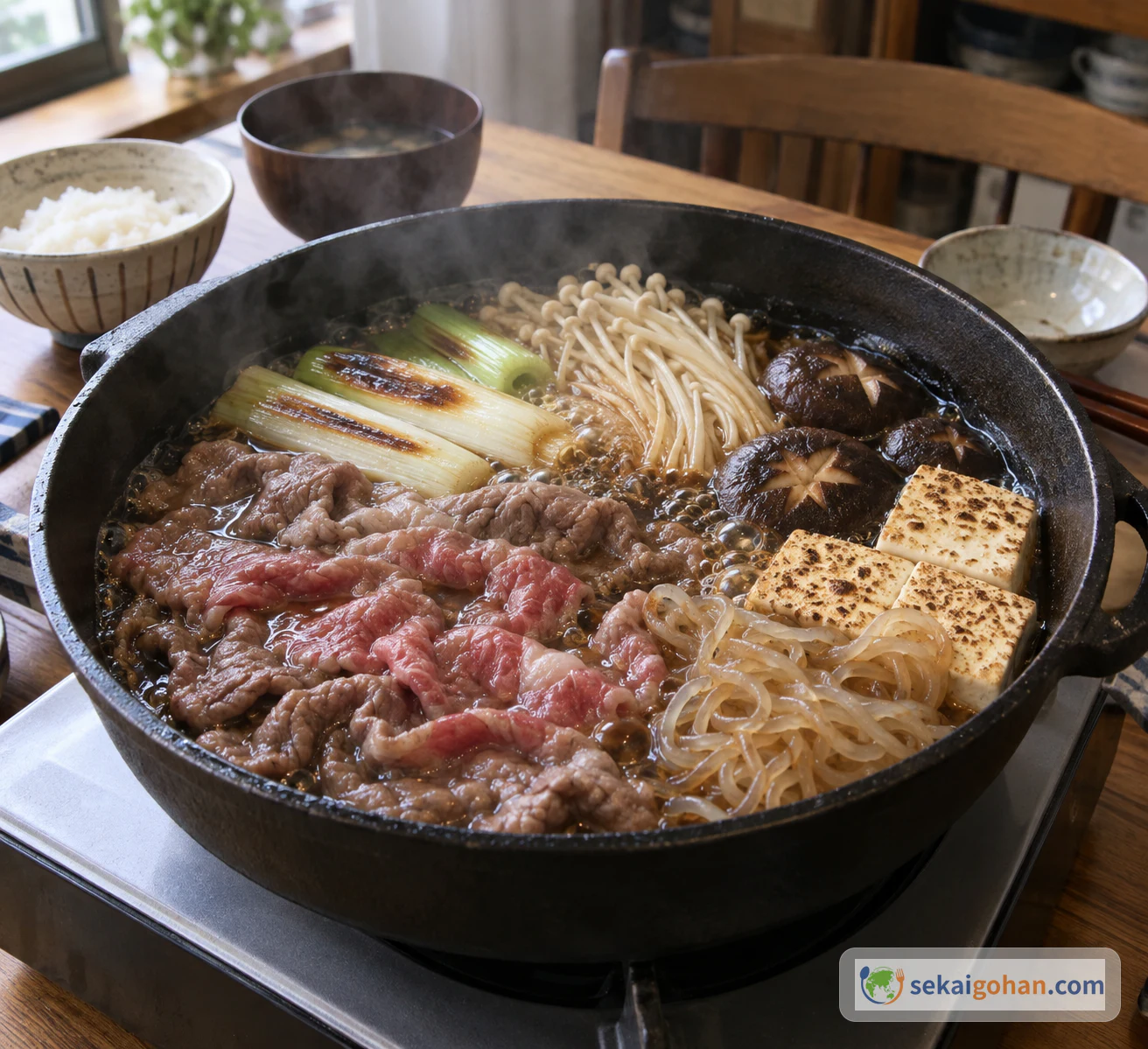
Sukiyaki: Japanese Beef Hot Pot with Warishita and the Order of Simmering
How to make sukiyaki, the Japanese hot pot of thin beef, negi, grilled tofu, shirataki and mushrooms simmered in a sweet-savory warishita of soy sauce, mirin and water at 100ml each, with 4 tbsp sugar. Covers preparing the ingredients, the order of searing and simmering, eating with beaten egg, the difference between Kanto and Kansai styles, and food-safety basics.
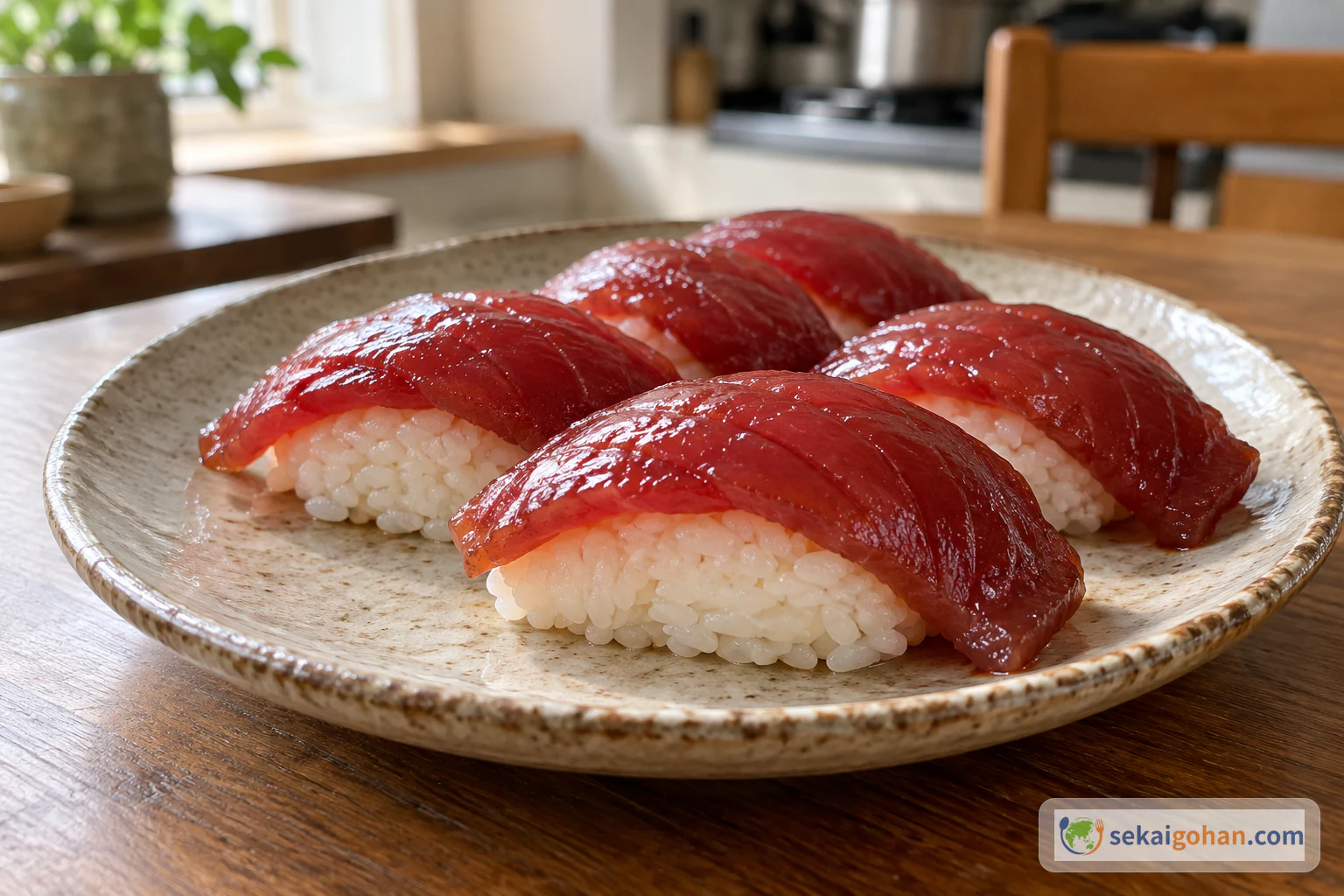
Sushi: Tokyo-Style Nigiri with Soy-Marinated Tuna (Zuke Maguro Nigiri)
How to make Tokyo-style nigiri at home: red-vinegar sushi rice from 2 gō of rice, topped with lean tuna marinated in a soy and mirin tare. Covers mixing the rice so it stays glossy, shaping gently, handling raw fish, and how nigiri fits into sushi's wider family, from fermented narezushi to the street stalls of old Edo.
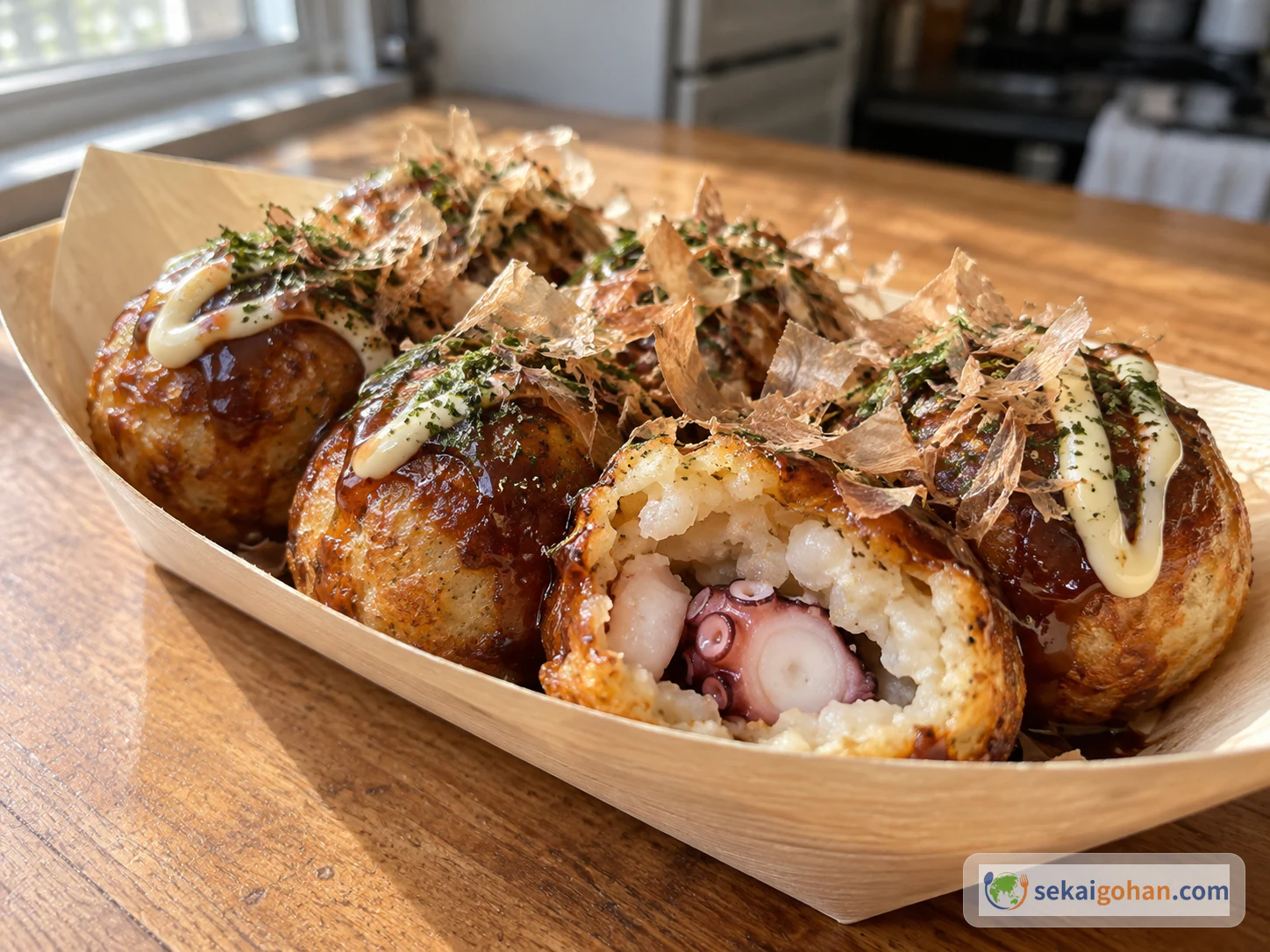
Takoyaki: Osaka-Style Octopus Balls with a Dashi Batter (たこ焼き)
How to make Osaka-style takoyaki at home with cake flour, dashi, eggs, boiled octopus and tenkasu, following the recipe the Japan Konamon Association provides to Japan's Ministry of Agriculture, Forestry and Fisheries. Covers why the batter rests, why you pour past the wells, how to make the first 90-degree turn, how to fix uneven browning, how Osaka takoyaki differs from Akashiyaki, and what equipment you need.
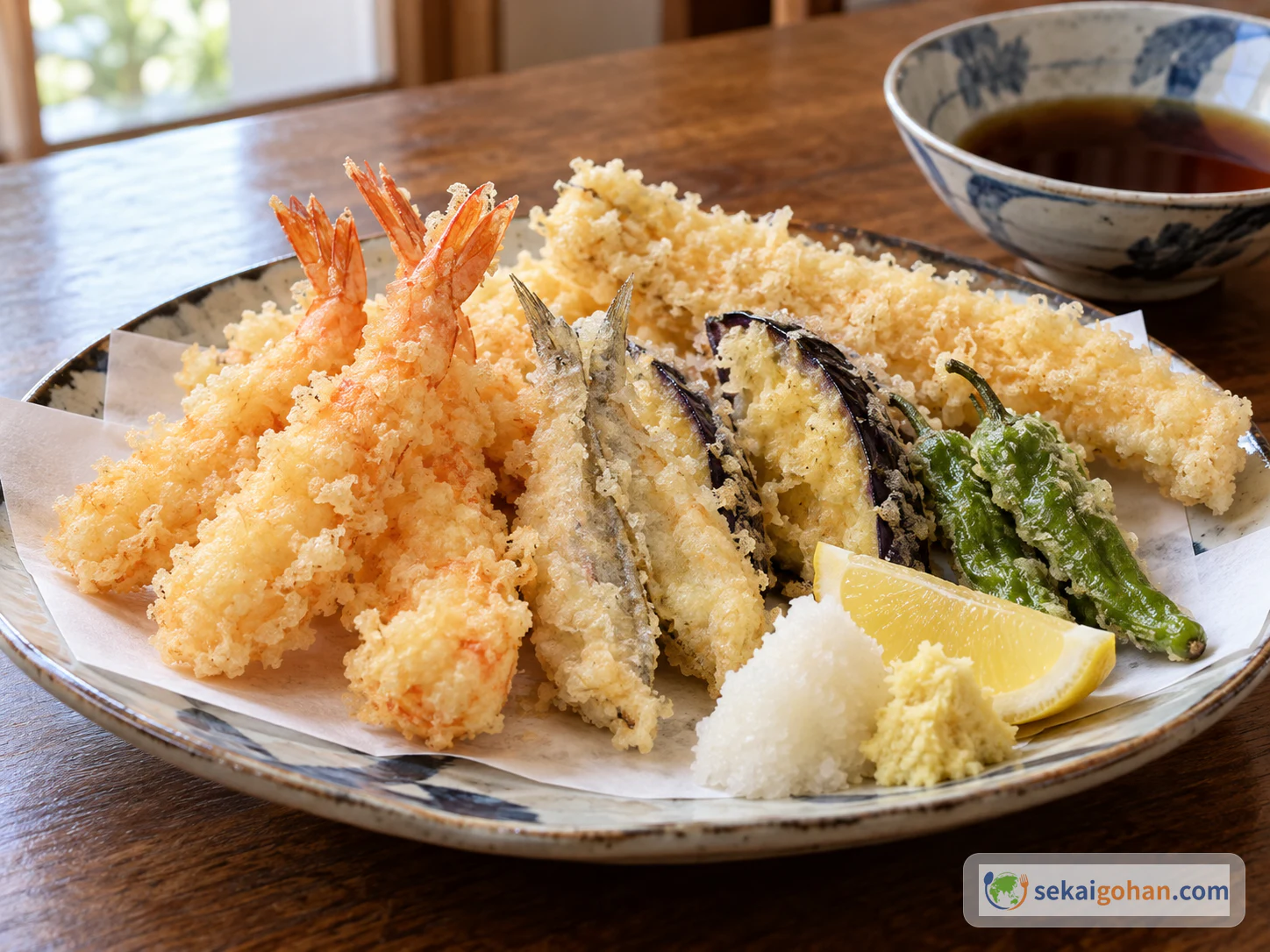
Tempura: Tokyo-Style Seafood and Vegetables, Fried and Eaten Hot (Tenpura)
How to make Tokyo-style tempura (tenpura) for four with small tiger shrimp, sillago, conger eel, eggplant and shishito peppers, following the regional recipe published by Japan's Ministry of Agriculture, Forestry and Fisheries. Covers a lightly mixed batter of egg yolk, cold water and cake flour, the 180°C oil cue, frying seafood before vegetables, tentsuyu dipping sauce with grated daikon, and the history from Edo food stalls to today's homes and restaurants.
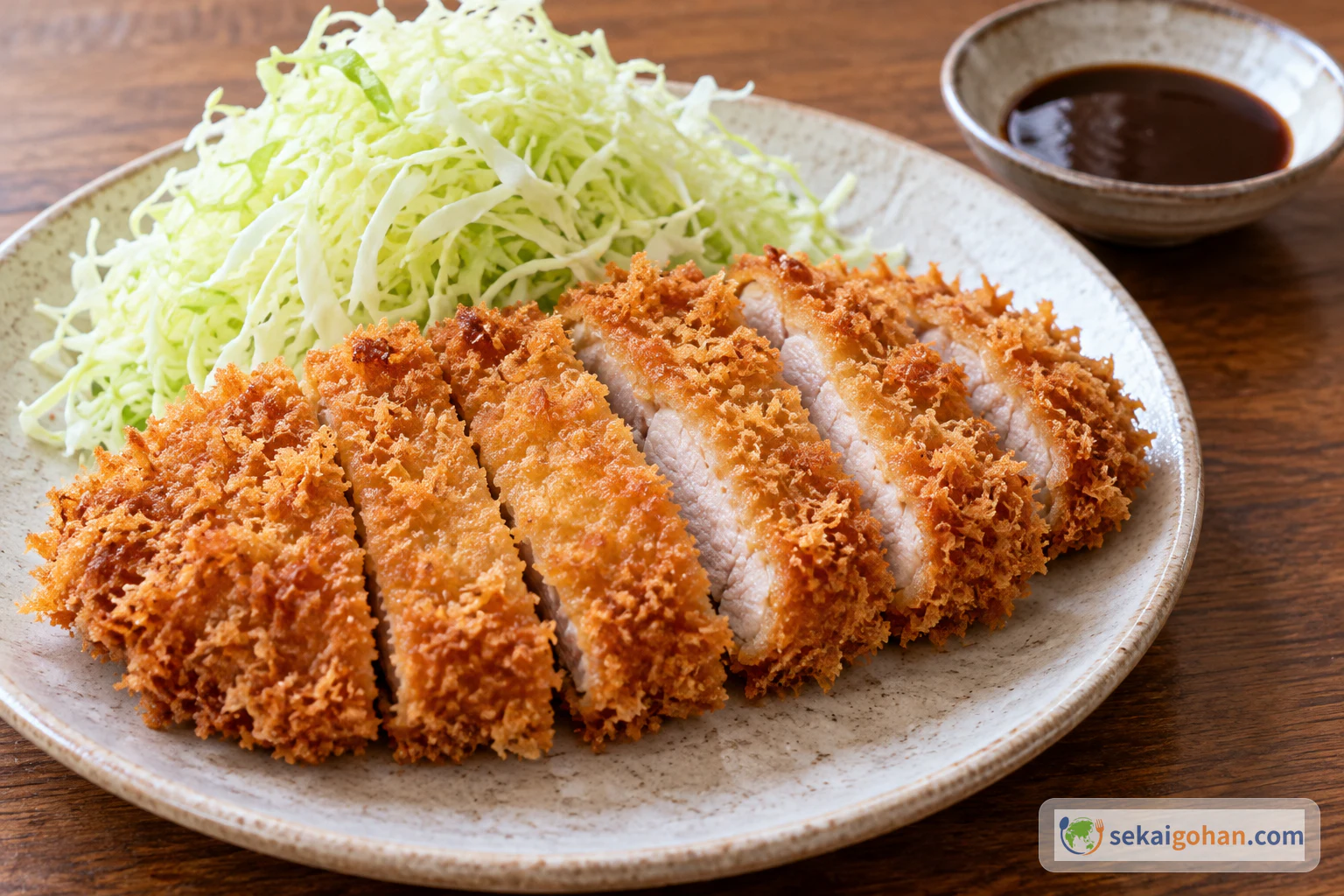
Tonkatsu: Japanese Pork Loin Cutlet (豚カツ) with Shredded Cabbage
How to make tonkatsu (豚カツ), the Japanese panko-crusted pork loin cutlet, for 2 servings. Covers scoring and pounding the pork, the egg-and-flour batter, coating with panko, starting the fry at 160°C, checking that the center of the pork reaches 75°C for 1 minute, slicing without losing the crust, and preparing crisp shredded cabbage, along with how tonkatsu settled into the rice-centered Japanese table.
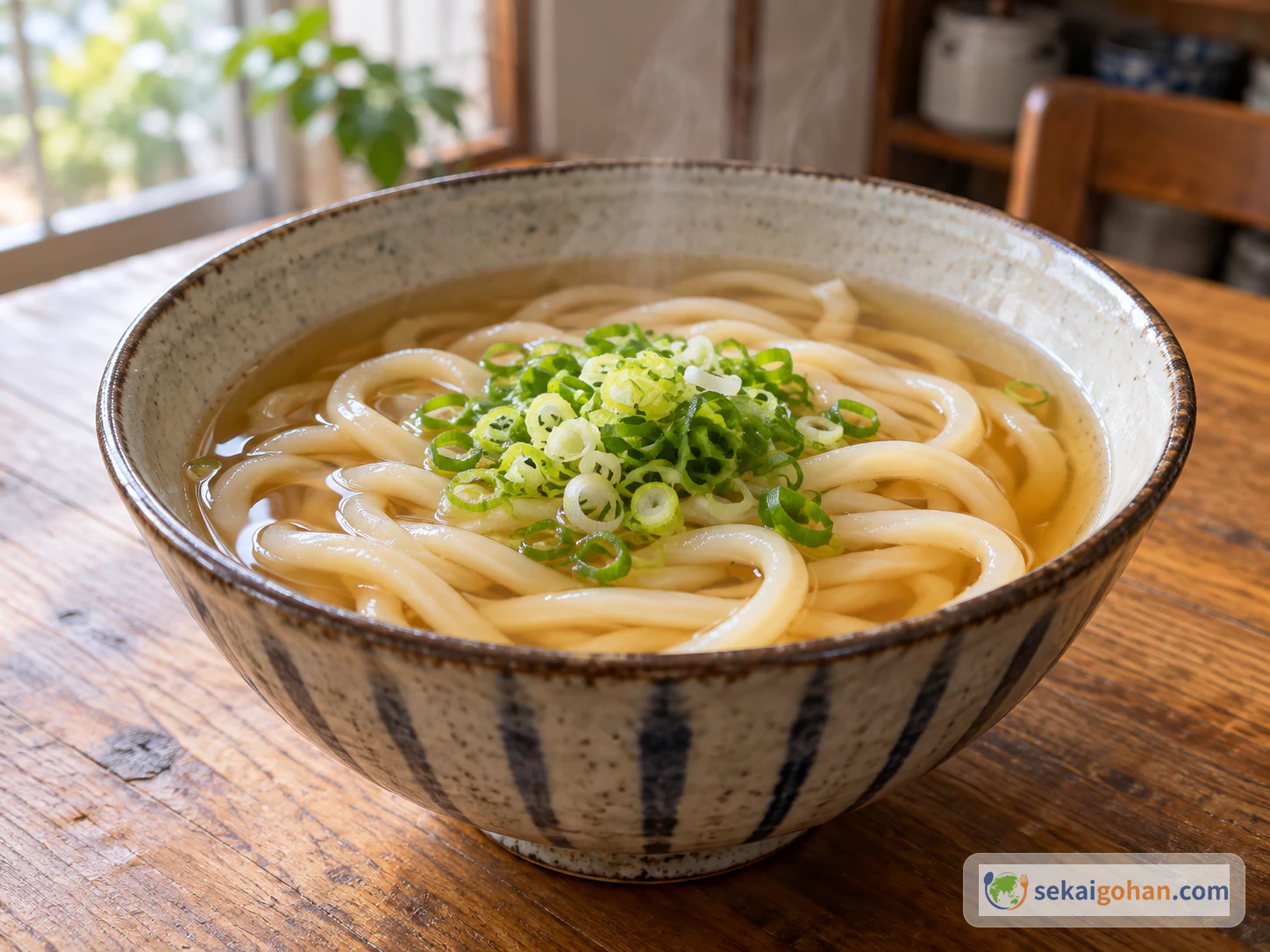
Kake Udon: A Basic Bowl of Udon in Niboshi, Kombu and Bonito Dashi (かけうどん)
How to make basic kake udon for 5 servings: a dashi of niboshi, kombu and katsuobushi, seasoned with mirin and Japanese koikuchi soy sauce. Covers keeping the dashi from boiling, the order for adding soy sauce, how to handle dried versus frozen noodles, and how udon broth and noodles differ in Sanuki, Kanto, Kansai and Hakata.
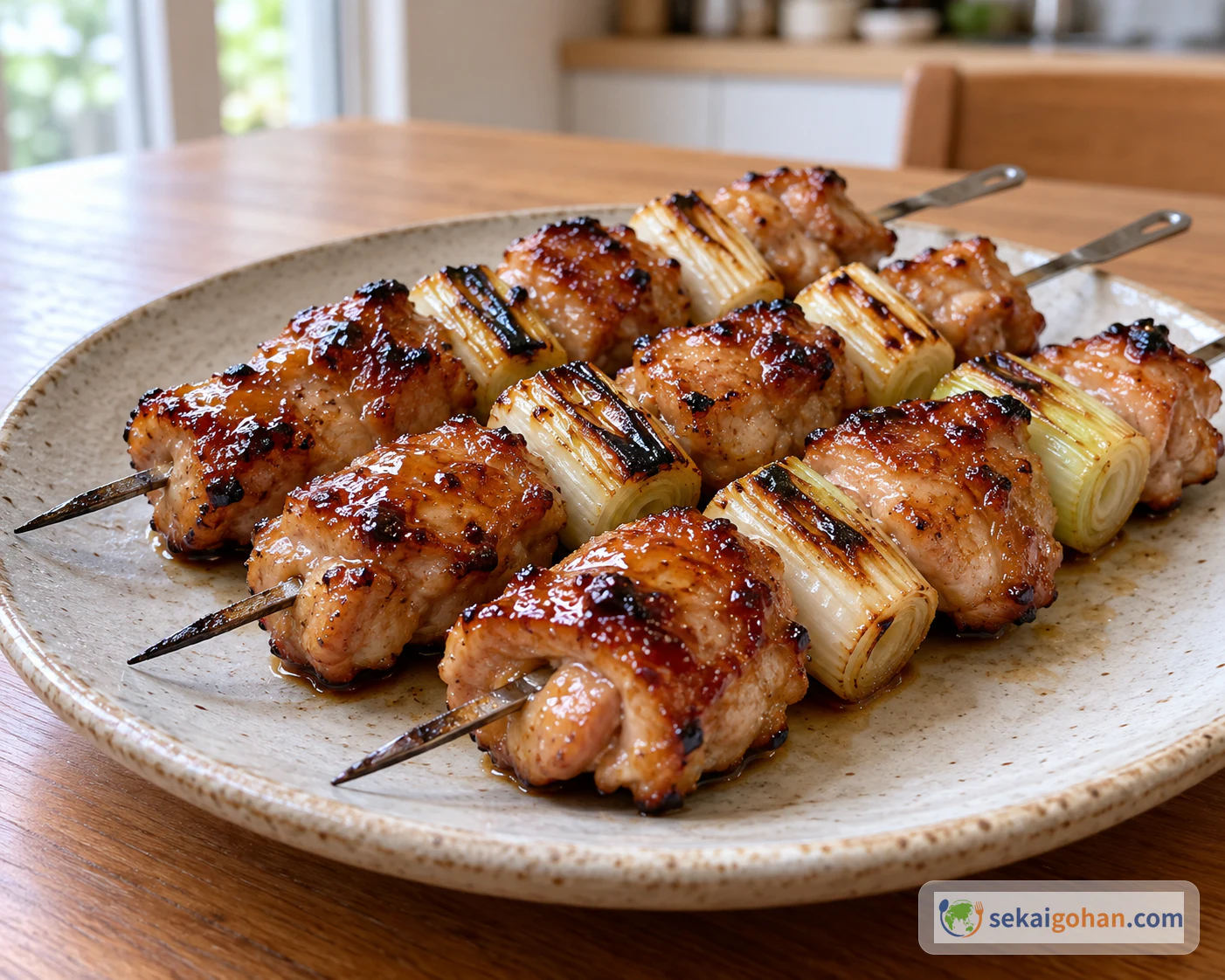
Yakitori Negima: Chicken Thigh and Long Onion Skewers in a Frying Pan
How to make negima yakitori at home: chicken thigh and Japanese long onion skewers cooked in a covered frying pan and glazed with a simple soy sauce, sugar and water tare. Covers safe doneness with a thermometer, when to add the tare, fixing common mistakes, and how negima differs from Muroran yakitori.
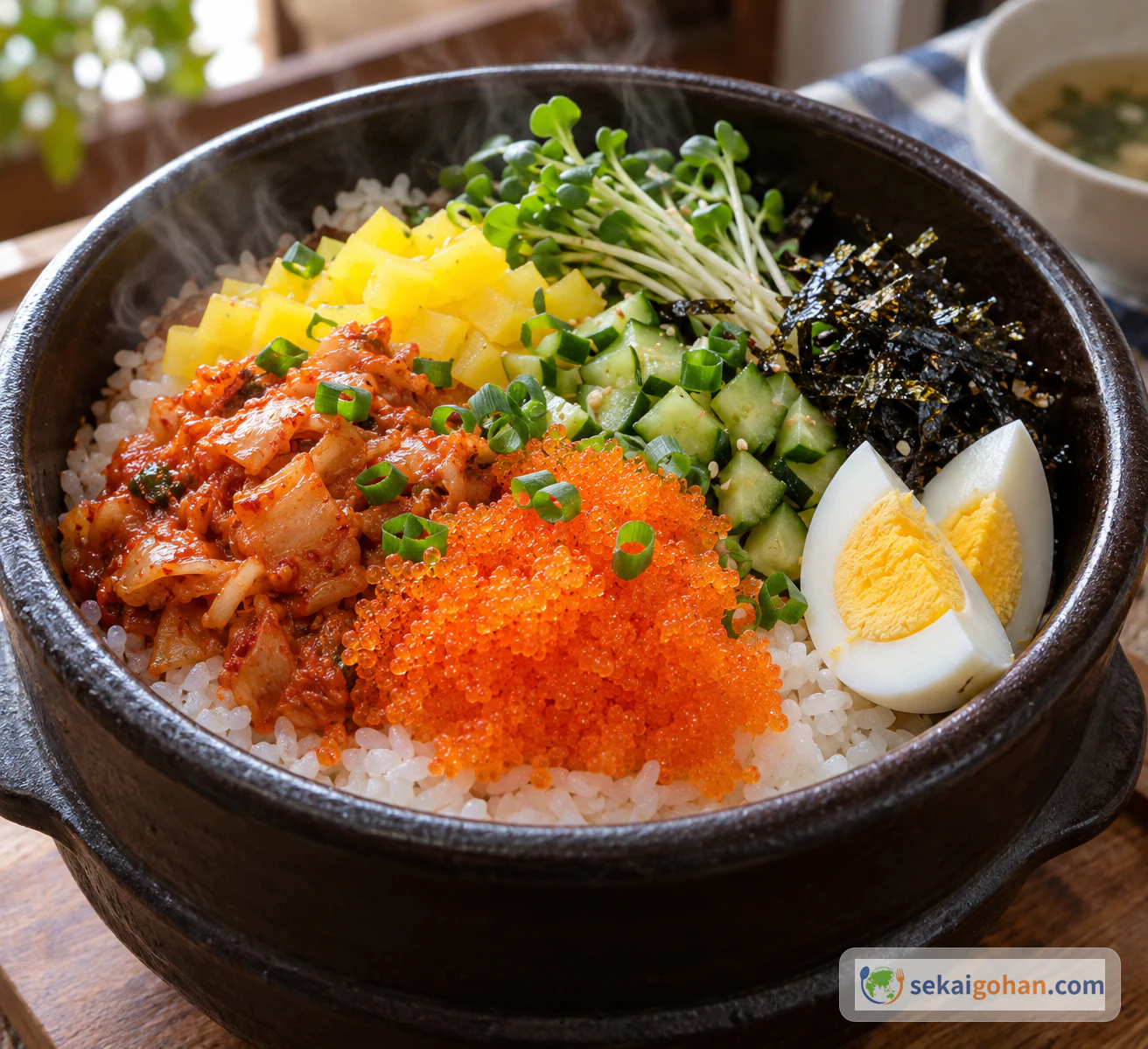
Albap: Korean Fish Roe Rice in a Hot Earthenware Pot (알밥)
How to make albap (알밥), Korean fish roe rice: hot rice crisped in a ttukbaegi with stir-fried kimchi, flying fish roe, cucumber, yellow pickled radish, sprouts and seaweed, mixed at the table. Based on Maangchi's proportions, with a separately hard-boiled egg, how to choose and handle roe, what to do without a stone pot, and honest substitutions.
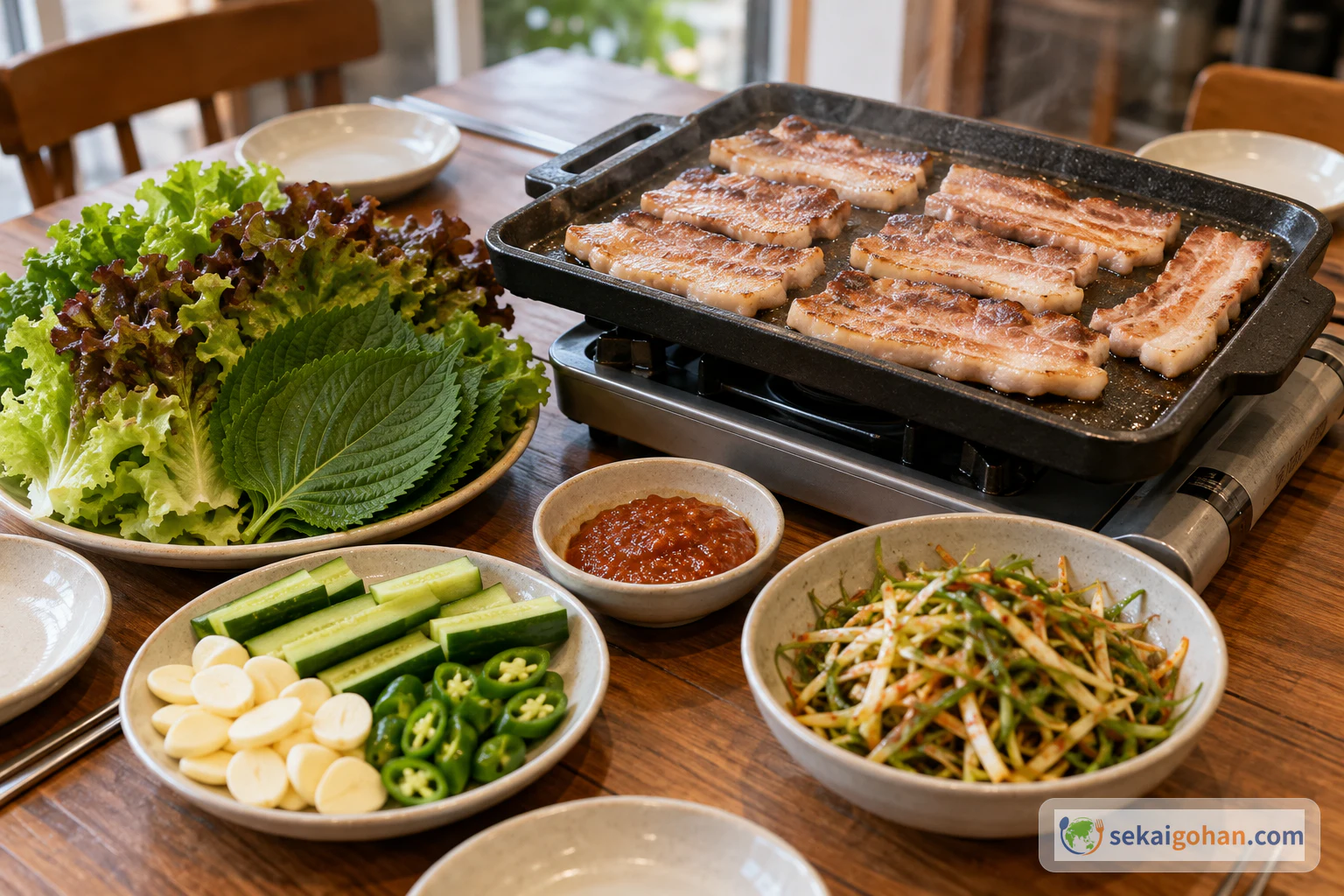
Samgyeopsal: Korean Grilled Pork Belly Wrapped in Lettuce (Samgyeopsal-gui, 삼겹살구이)
How to make samgyeopsal-gui, Korean grilled pork belly, at home: unseasoned pork belly grilled on a tabletop grill or frying pan, a scallion salad (pajeori), a doenjang-gochujang ssamjang, and lettuce and perilla leaves for wrapping. Covers safe grilling, keeping raw meat apart from ready-to-eat vegetables, choosing Korean pantry staples, and how ssam is eaten at the table.
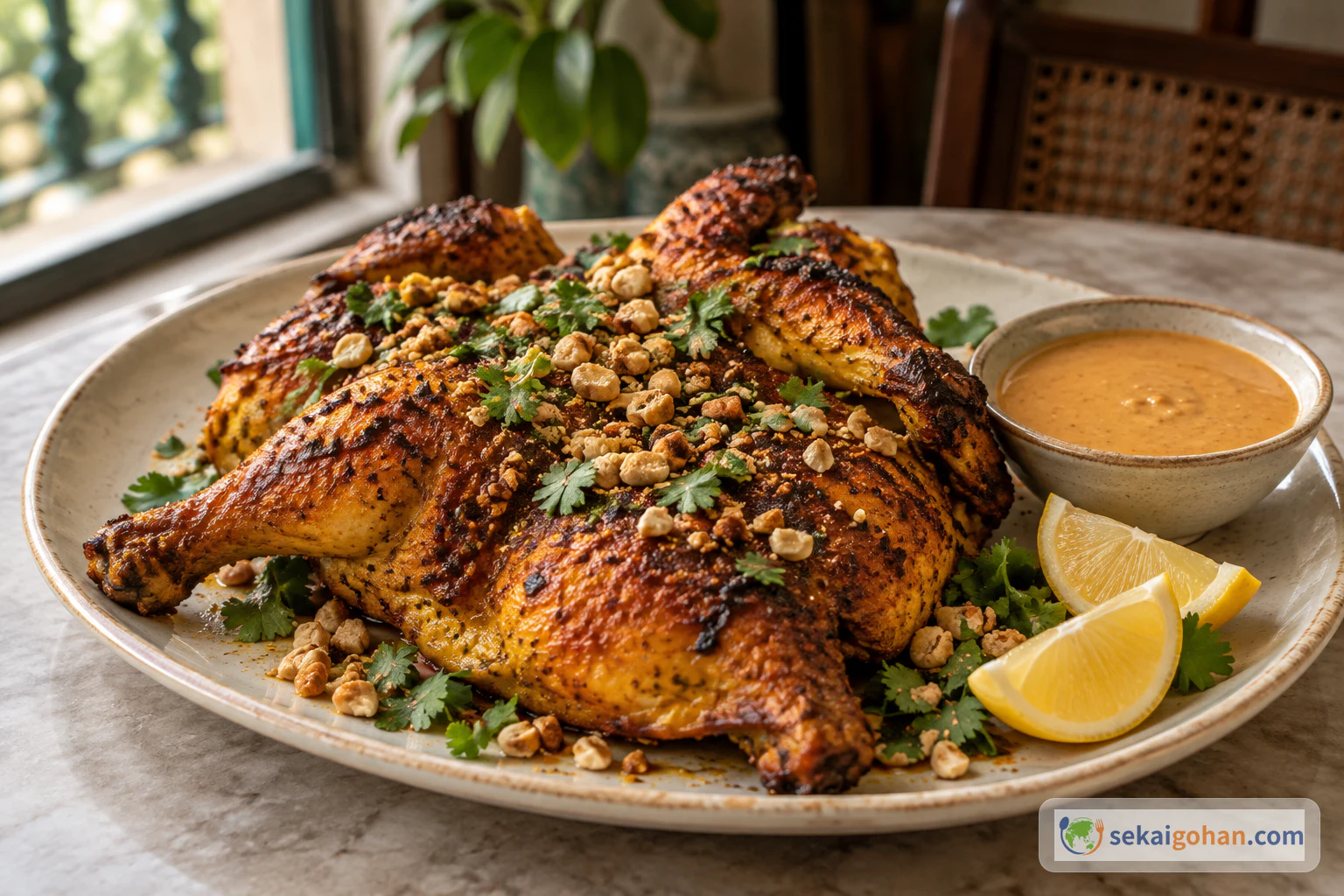
African Chicken: Macanese Spiced Roast Chicken with Peanut-Coconut Sauce (Galinha Africana)
How to make Macanese African chicken (Galinha Africana): a flattened whole chicken marinated in spiced yogurt and roasted, served with a peanut, coconut milk and chili sauce on the side. Follows António M. Jorge da Silva's recreation, with the source amounts, safe roasting checks, and why the dish is Macanese rather than African.
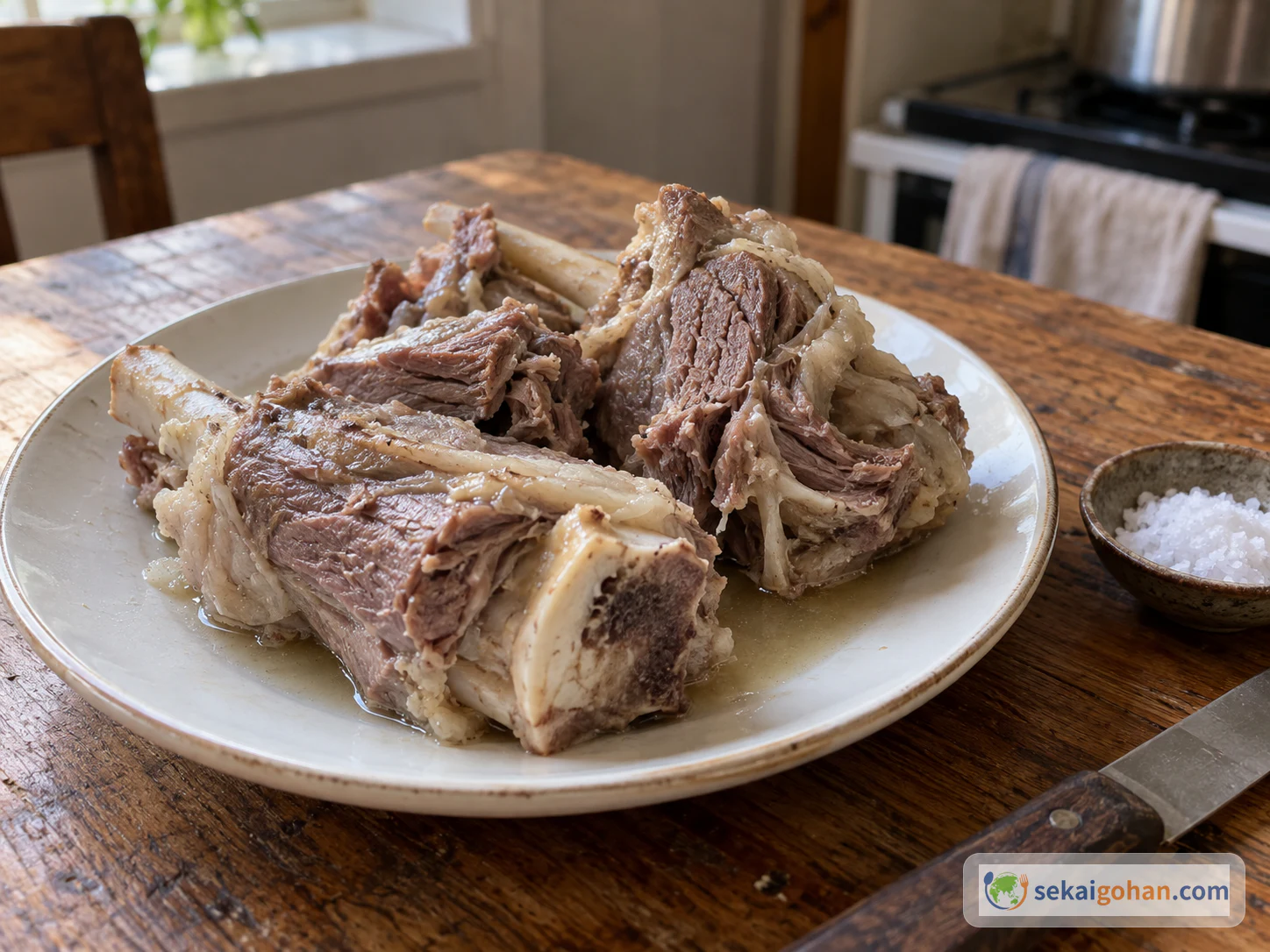
Chanasan Makh: Mongolian Bone-In Lamb Boiled with Water and Salt (Чанасан мах)
How to make chanasan makh (чанасан мах), Mongolian boiled meat, in a pared-back home version made with only bone-in lamb, water and salt. Covers washing the meat, skimming at a gentle heat, adding salt in three parts, judging doneness by the meat around the bone rather than the clock, serving without sauce, and how this version differs from other published recipes.
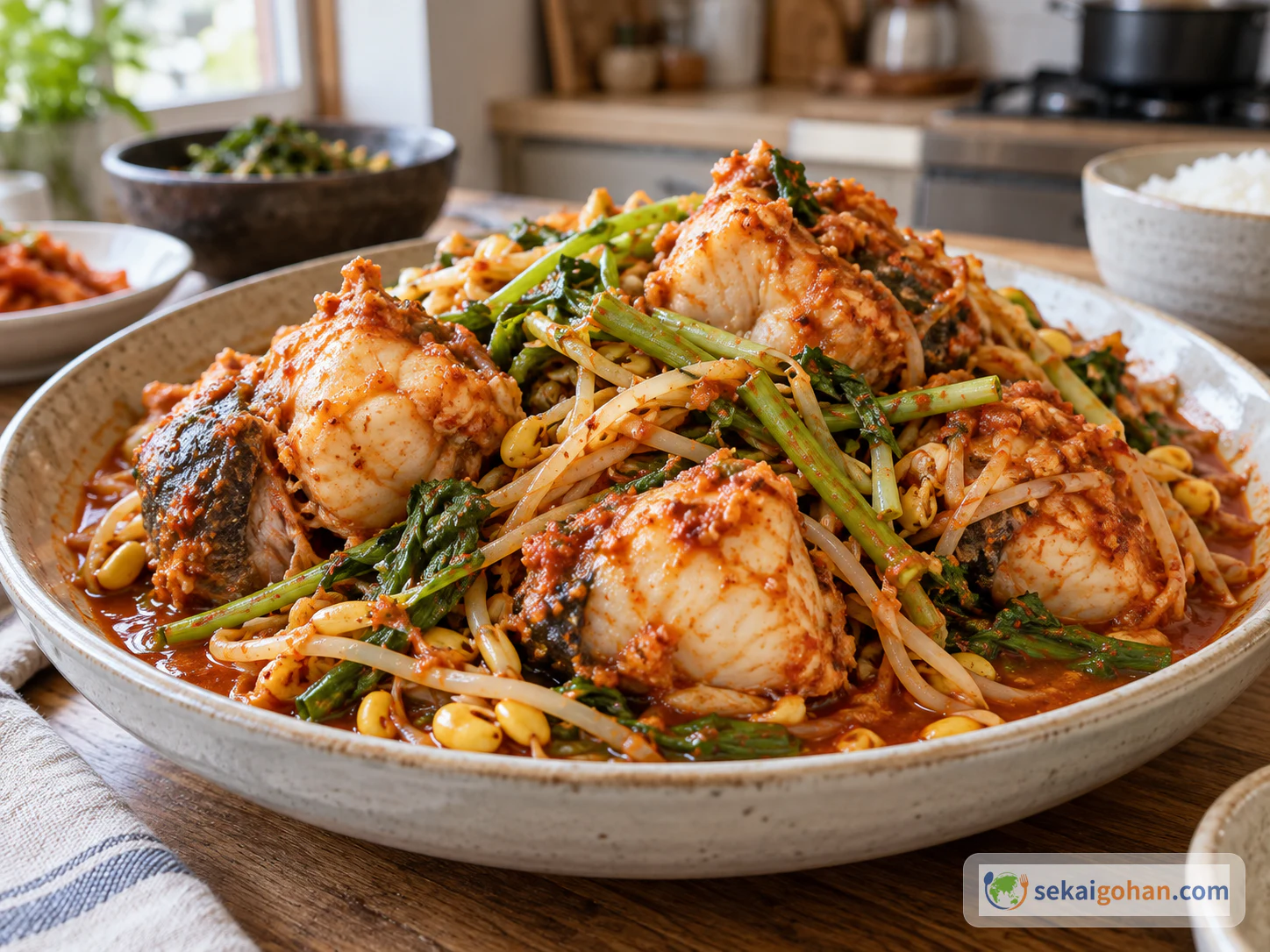
Agujjim: Korean Spicy Braised Monkfish with Soybean Sprouts (아귀찜 / 아구찜)
How to make agujjim (agwijjim), the Korean spicy braised monkfish tied to Masan in South Gyeongsang Province. A four-serving home recipe with a gochugaru sauce, crisp soybean sprouts, minari and a light starch glaze, plus how the dish's two spellings came about, honest substitutions for minari and gochugaru, a seafood safety check, and fixes for soft sprouts, broken fish and thin sauce.
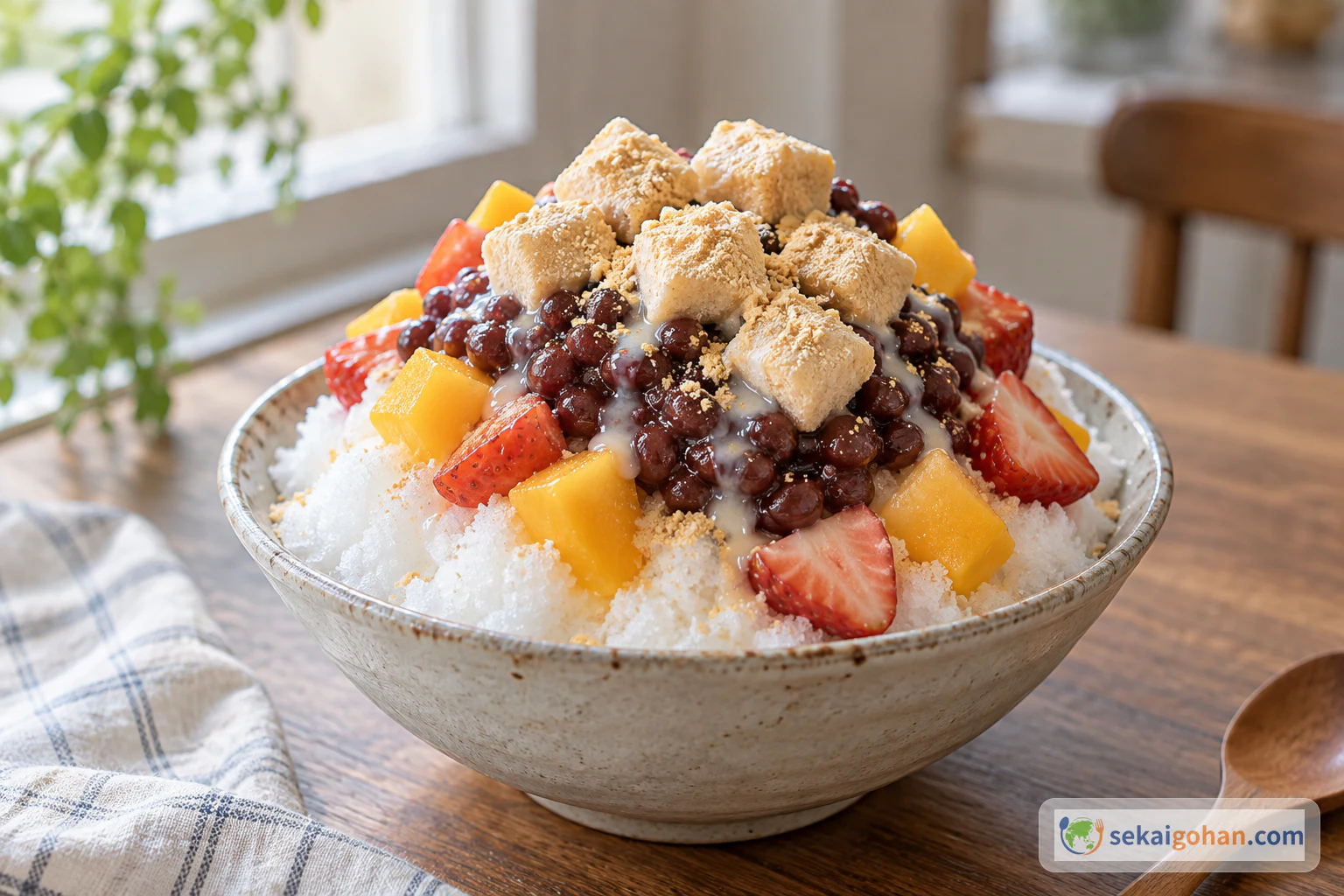
Patbingsu: Korean Shaved Ice with Sweet Red Beans, Fruit and Injeolmi (팥빙수)
How to make patbingsu (팥빙수), the Korean shaved-ice dessert built on sweet red beans, at home for one to two people. Covers layering ice, beans, milk, fruit, injeolmi and condensed milk in a chilled bowl, optional homemade red beans and microwave injeolmi, honest substitutions, allergens, and how bingsu has changed in Korea.
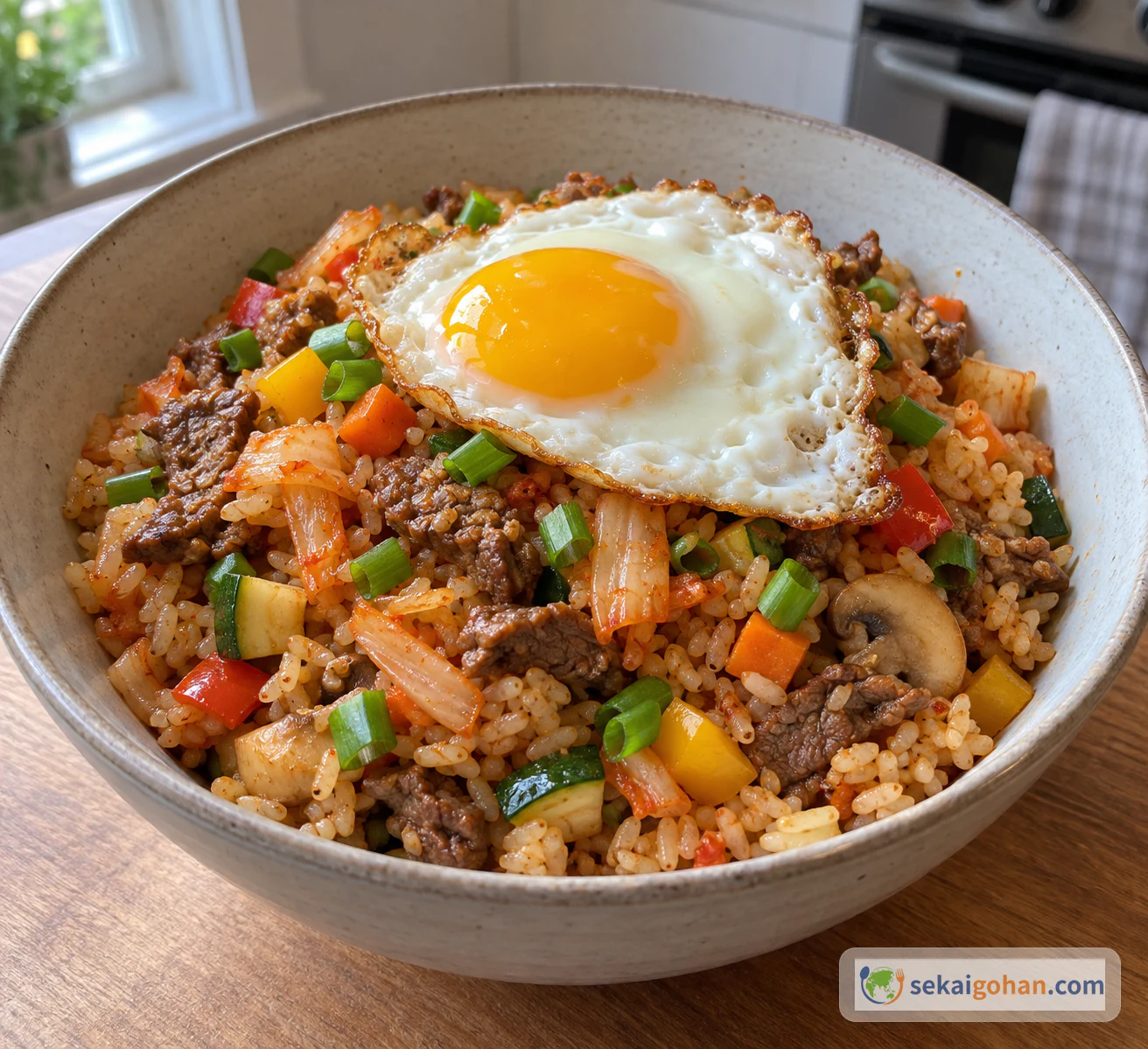
Bokkeumbap: Korean Fried Rice with Beef, Kimchi and Vegetables (볶음밥)
How to make Korean bokkeumbap (볶음밥) with beef, a little kimchi, colorful diced vegetables and oyster sauce, following Maangchi's home recipe for 2–3 servings. Covers the order of stir-frying over high heat, handling cold or freshly cooked rice, how it differs from kimchi fried rice, optional additions, and safe handling of leftover rice.
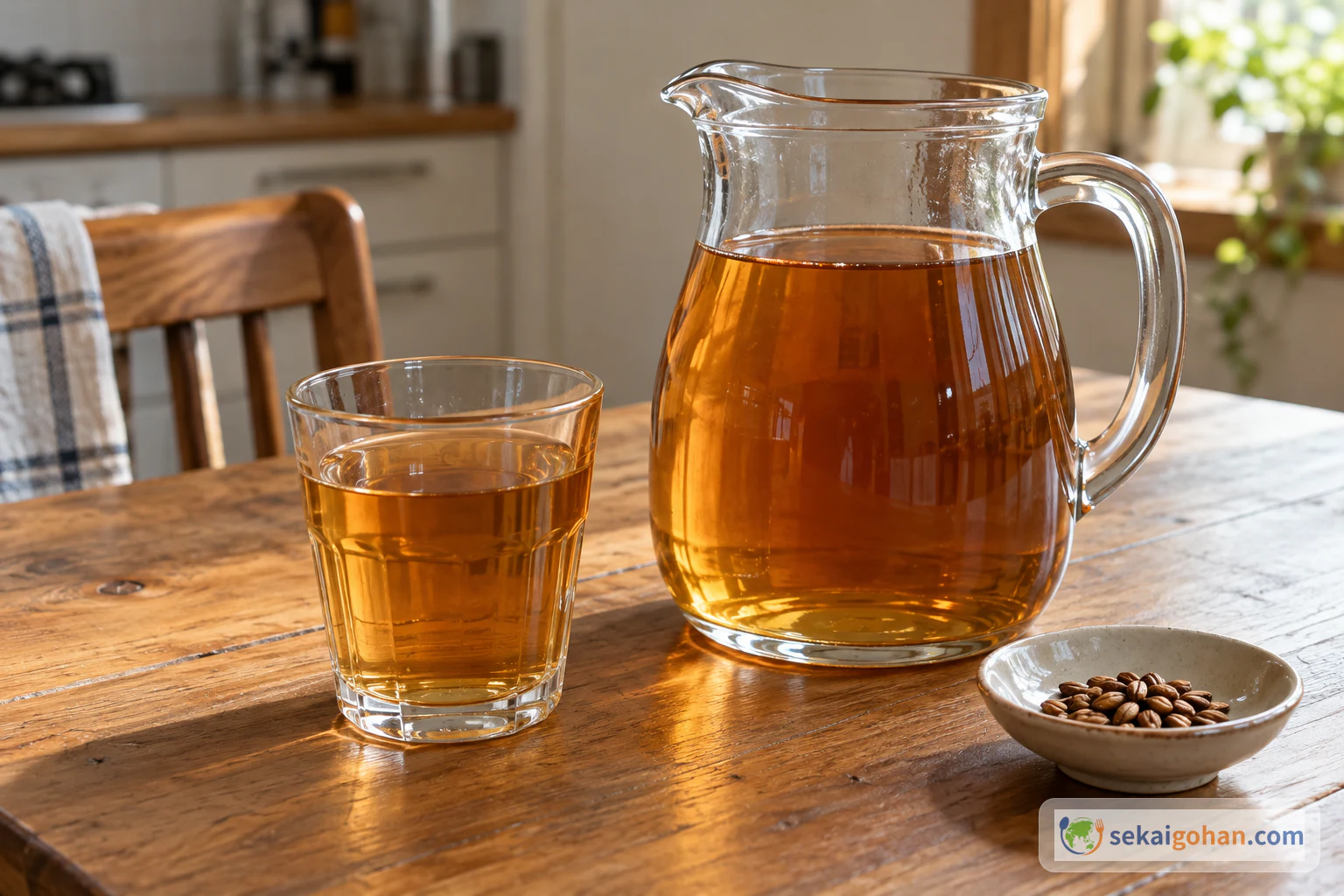
Bori-cha: Korean Roasted Barley Tea (보리차)
How to make bori-cha (보리차), the Korean drink brewed from roasted barley grains and water. A loose-grain method with 2 liters of water and 3 Tbsp of roasted barley simmered for 5 minutes, then strained and served warm or chilled. Covers choosing roasted barley, straining, fixing common problems, other brewing ratios, and how it relates to Japanese mugicha.
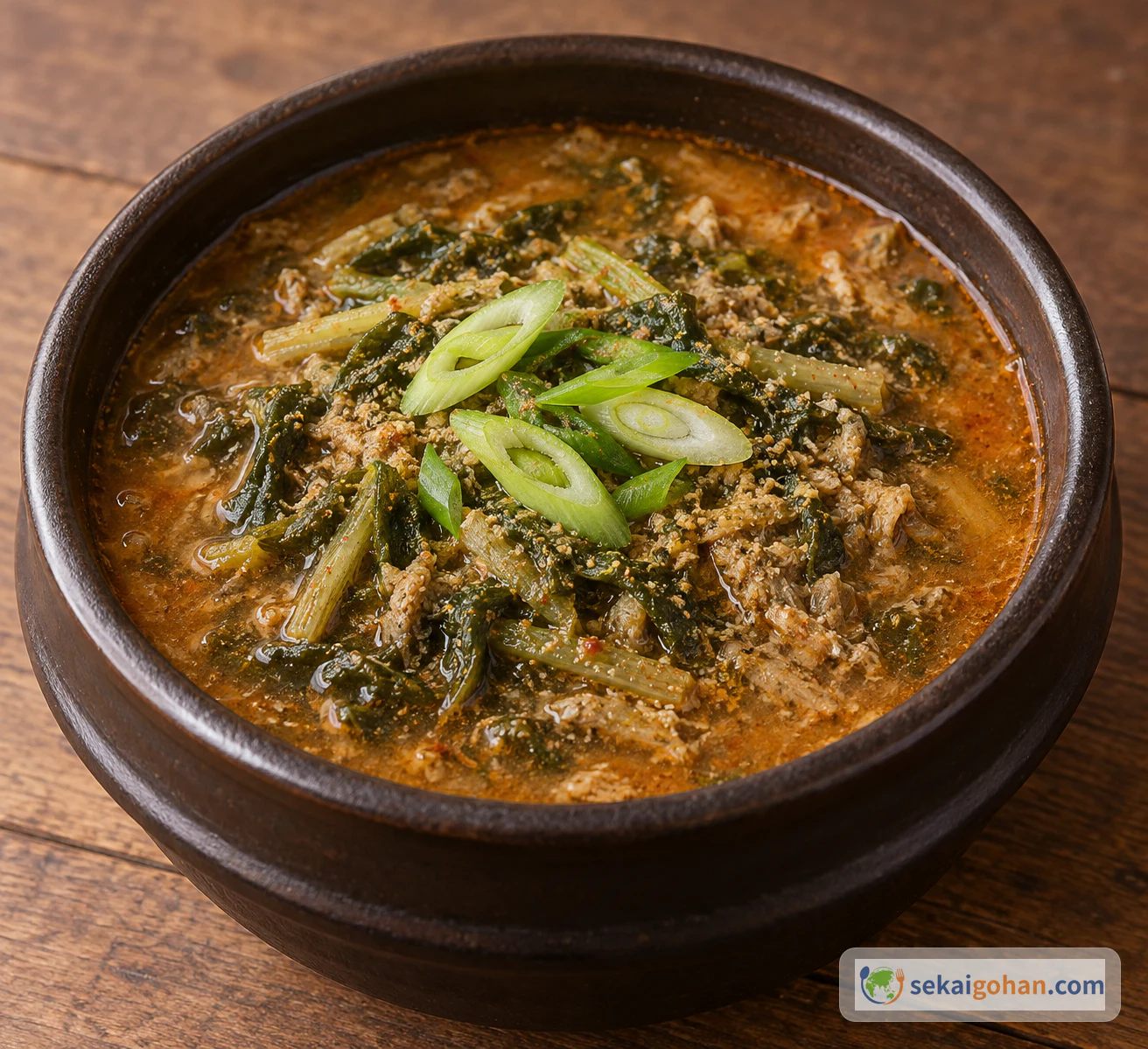
Chueotang Recipe: How to Make Korean Loach Soup (추어탕) at Home
How to make chueotang, the hearty Korean loach soup with dried radish greens, doenjang and perilla. A clear home method from a Korean government recipe.
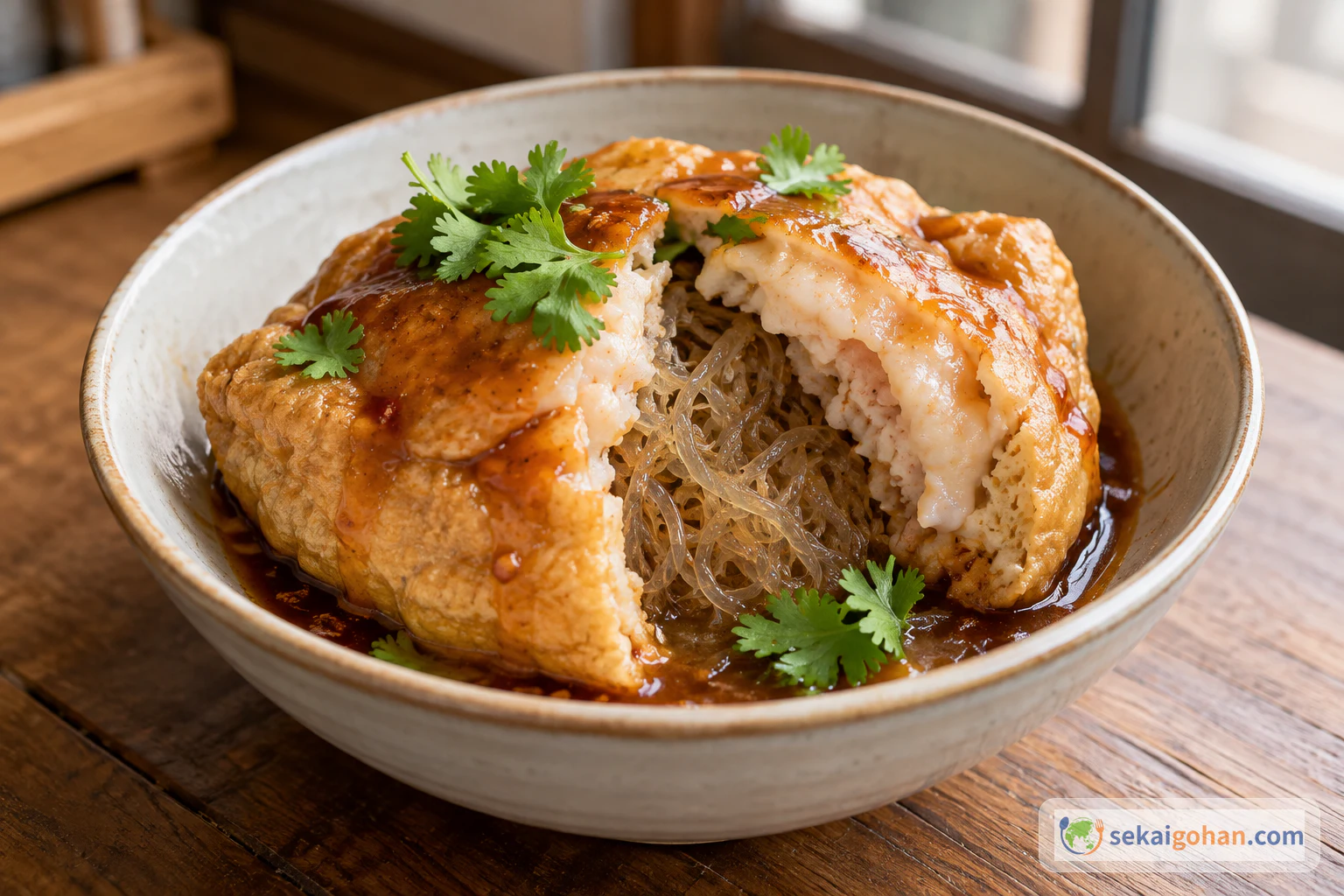
A-gei: Tamsui Fried Tofu Stuffed with Glass Noodles and Sealed with Fish Paste (阿給)
How to make a-gei (阿給), the Tamsui specialty of thick fried tofu filled with seasoned glass noodles, sealed with fish paste and steamed. Follows one Taiwanese home recipe's amounts as written, with guidance on choosing tofu, glass noodles, fish paste and soy paste, steaming with an electric cooker, the sweet-spicy sauce, and how a-gei is eaten in Tamsui.
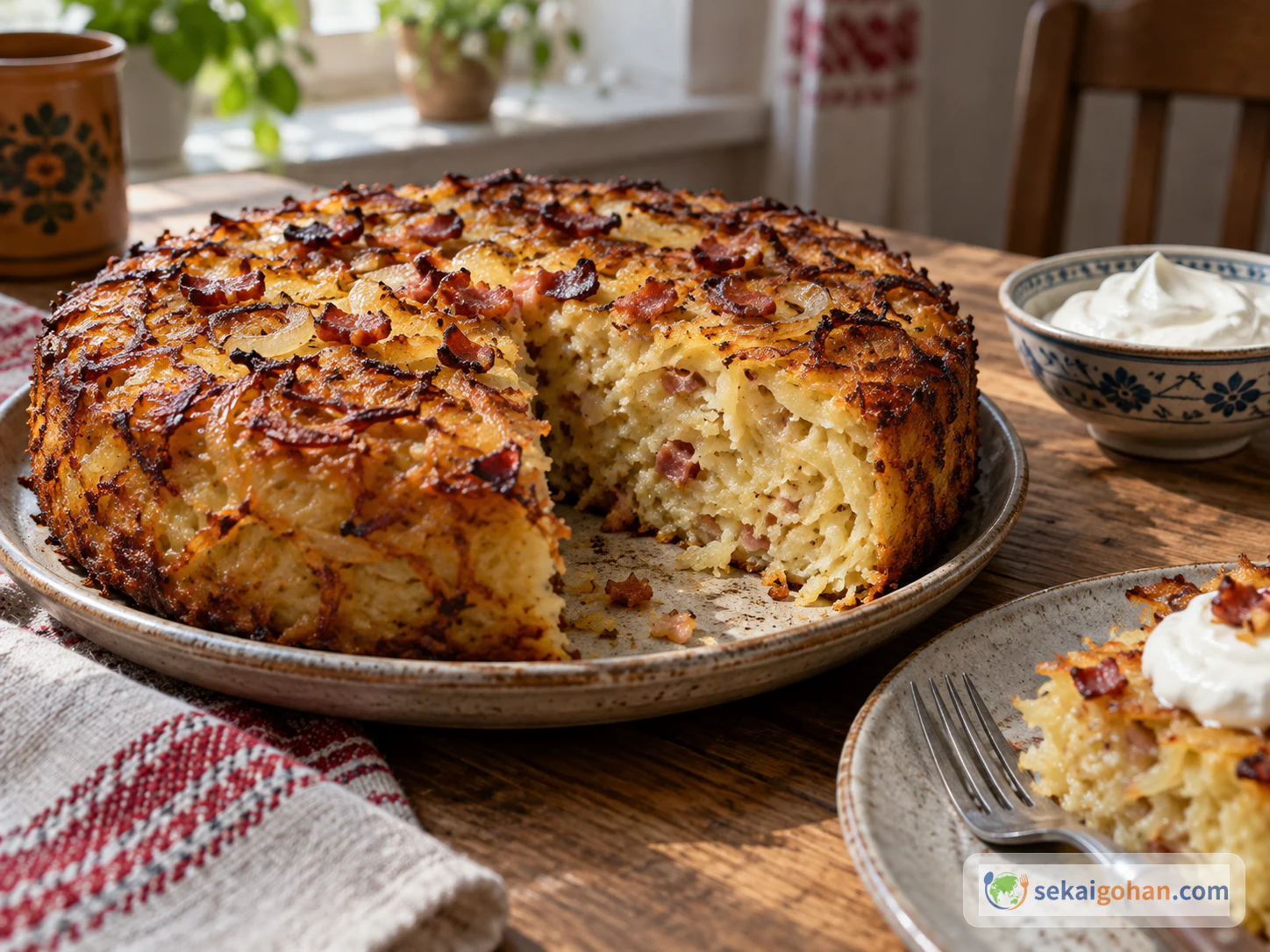
Belarusian Potato Babka: Baked Grated Potato with Bacon and Onion (Картофельная бабка)
How to make Belarusian potato babka (kartofelnaya babka / bulbyanaya babka), a savory dish of finely grated raw potato mixed with crisp bacon and fried onion and baked in a skillet. Covers the published proportions, why the grated potato is not squeezed, how the bacon fat is used once, the two-stage bake from 180°C to 230°C, resting, serving with sour cream, and how it differs from sweet babka and draniki.
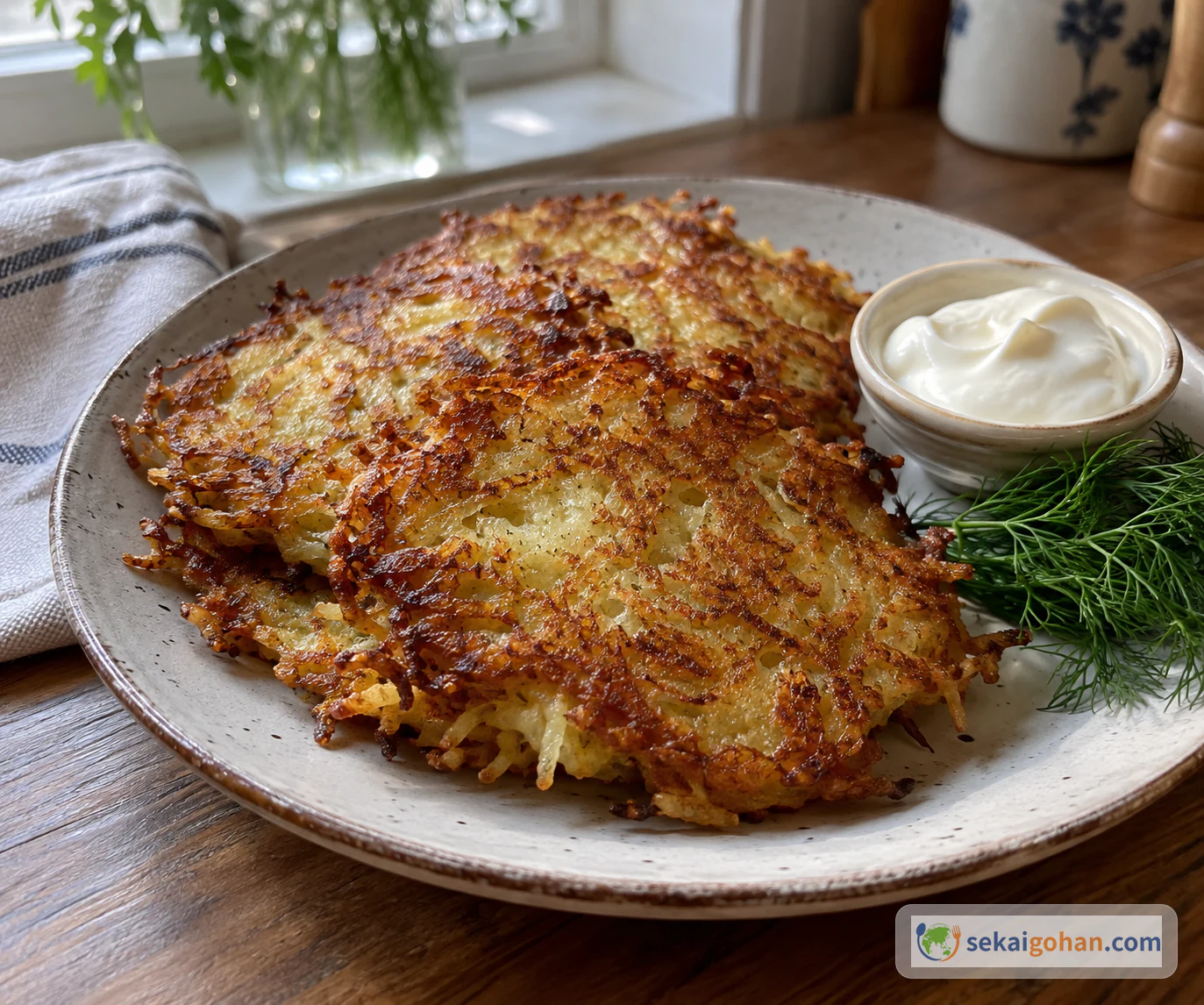
Draniki: Belarusian Grated Potato Pancakes (Дранікі)
How to make draniki (дранікі), Belarusian pancakes of raw grated potato, following a Belarusian home cook's recipe: coarse-grated potato squeezed of excess liquid, finely grated onion and garlic, egg and a little flour, fried in oil. Covers why the squeezing matters, how to judge doneness, common fixes, serving ideas such as sour cream and dill, and general food-safety guidance for leftovers.
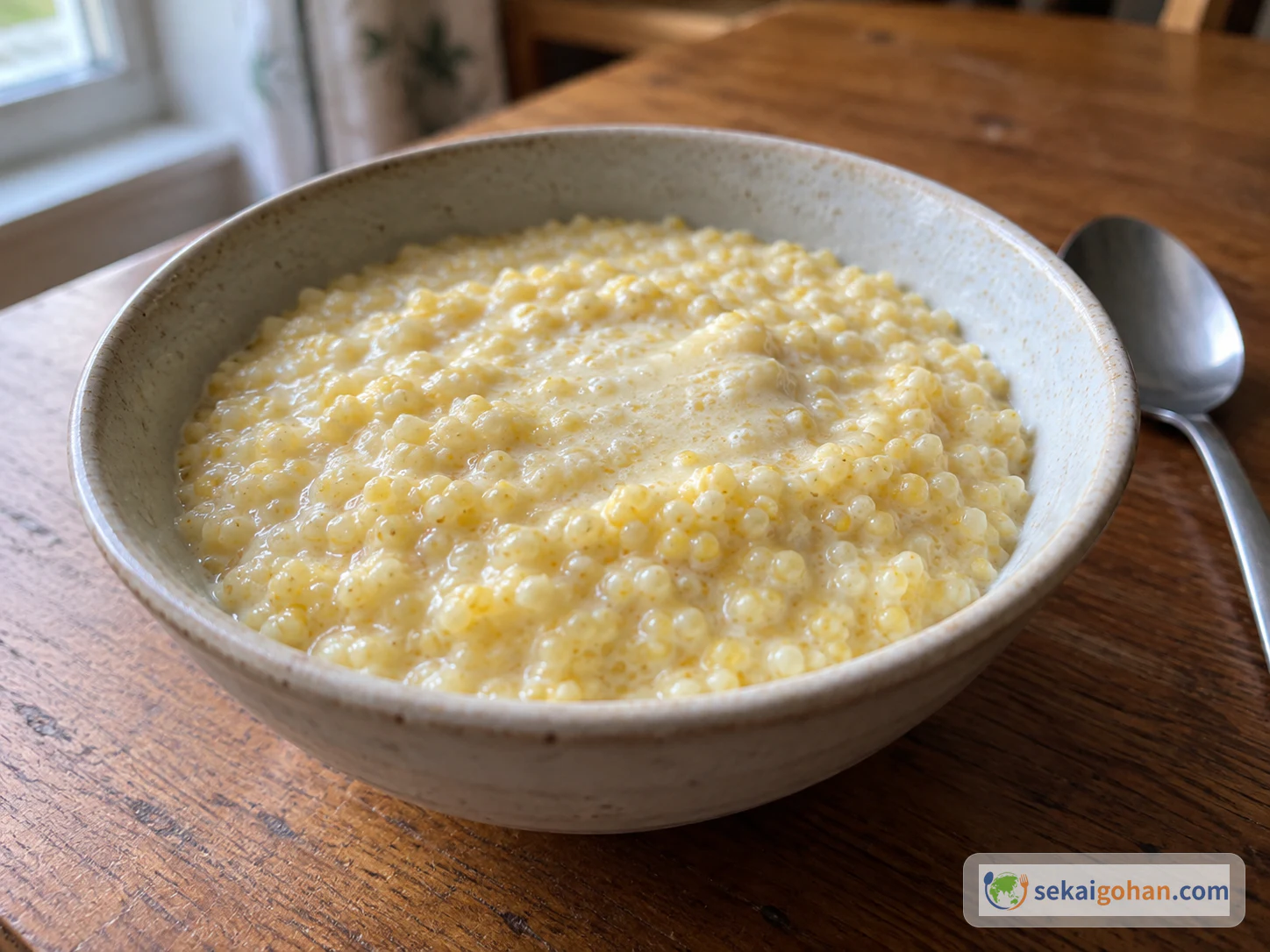
Bokpe (Бөкпе): Kazakh Hulled Millet Simmered in Milk
How to make Bokpe (Бөкпе), a Kazakh grain dish of hulled millet cooked slowly in milk and finished with butter and a little sugar. Covers the source amounts, how to judge doneness without a timer, choosing millet and milk, and how this dish differs from a similarly named Kazakh meat dish.
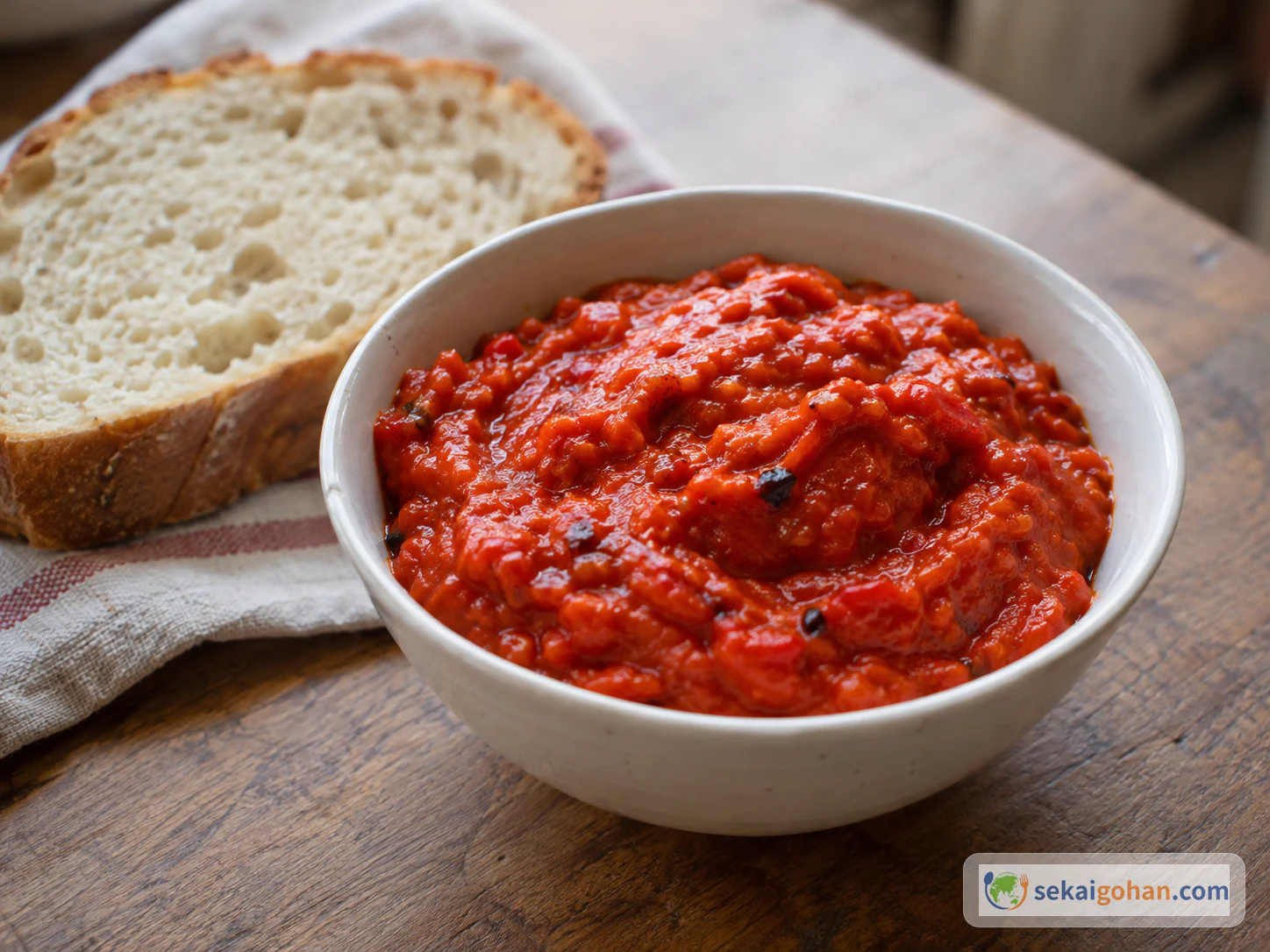
Ajvar: North Macedonian Roasted Red Pepper Spread (Ајвар)
How to make ajvar (ајвар), the North Macedonian spread of roasted red peppers cooked down with oil and salt. Covers roasting and peeling, draining the flesh overnight in the refrigerator, adding the oil in stages, judging doneness by a spoon trail across the pan, how the eggplant version differs, and why this recipe is kept in the fridge rather than in jars at room temperature.
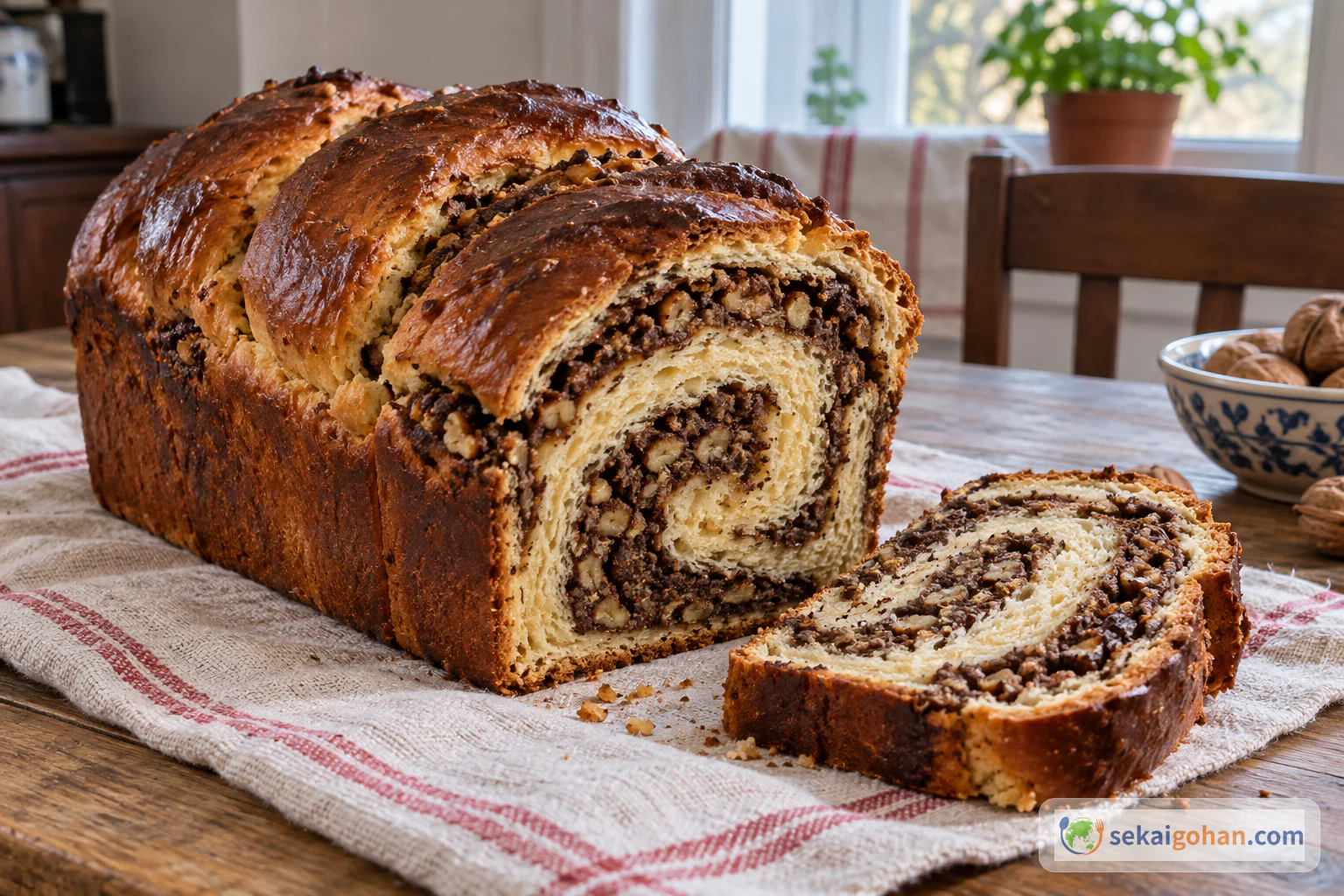
Cozonac: Romanian Walnut and Cocoa Sweet Bread (Cozonac cu Nucă)
How to make cozonac cu nucă, the Romanian festive sweet yeast bread with a walnut and cocoa swirl, baked as two loaves in two 30 cm pans. Covers the long hand-knead, judging the first and second rise, spreading and rolling the filling, twisting the loaves, baking at 170°C, the source's cooling method, fixing common problems, and the filling variations Romanian households make for Christmas and Easter.