
Recipes (25)
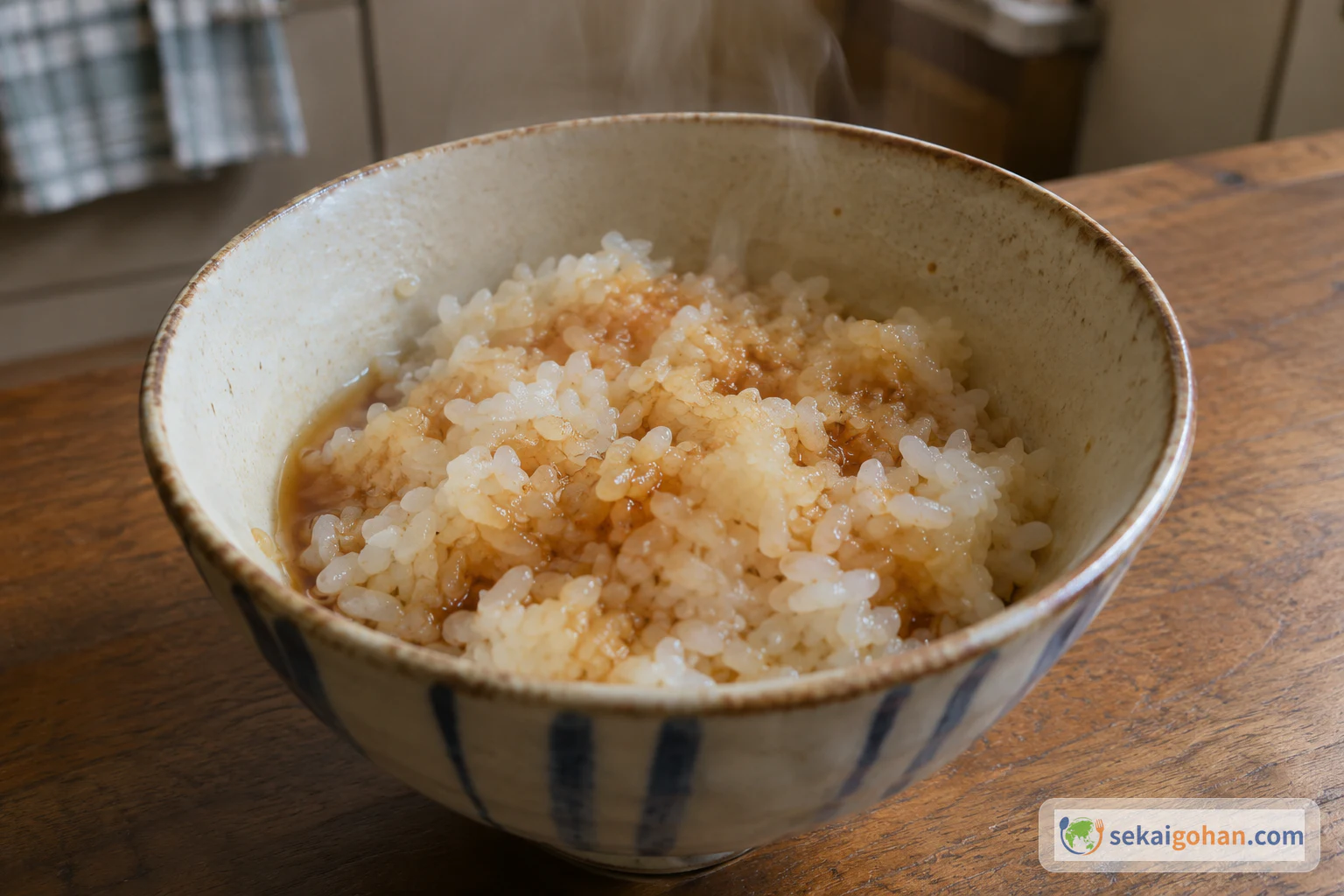
Hojicha Ochazuke: Roasted Tea and Dashi Poured over Warm Rice (ほうじ茶のお茶漬け)
How to make a one-bowl hojicha ochazuke from four ingredients: warm cooked rice, prepared hojicha, granular Japanese dashi and soy sauce. Covers the order of adding to the pan, heating to a boil and turning off the heat, how ochazuke varies, and how to choose tea and dashi products.
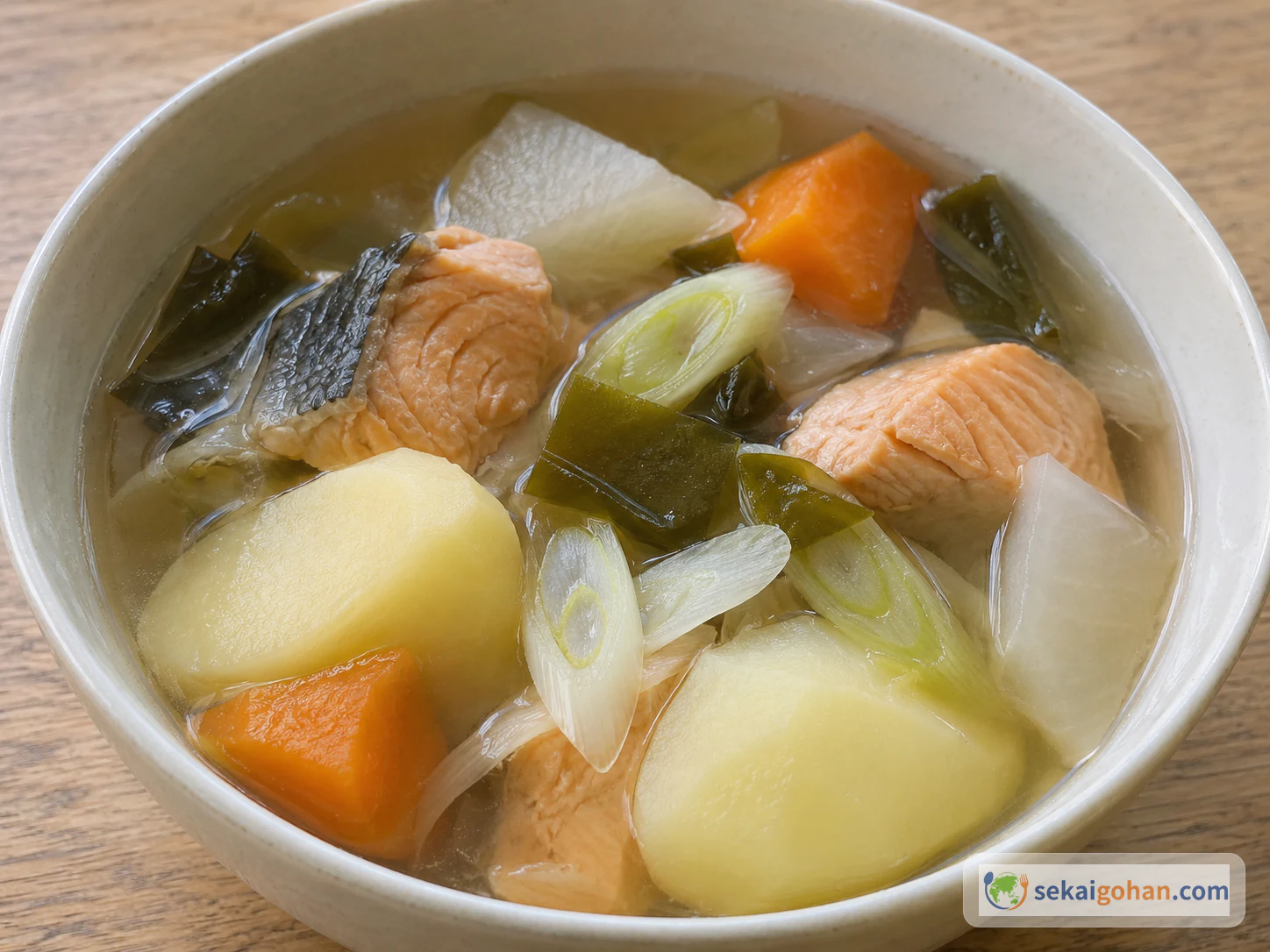
Ohaw: Hokkaido Ainu Soup of Kombu, Root Vegetables and Salted Salmon
How to make ohaw, an Ainu soup from Hokkaido, following one home recipe from Cafe Rimse at the former Shiraoi Ainu Museum, as presented by the Hokkaido Museum. Kombu, roll-cut daikon and carrot, salted raw salmon and May Queen potatoes go into one pot, finished with salt, a drizzle of oil and briefly boiled long green onion. Covers the order of additions, doneness cues, salmon safety, troubleshooting and how this pot relates to other ohaw.
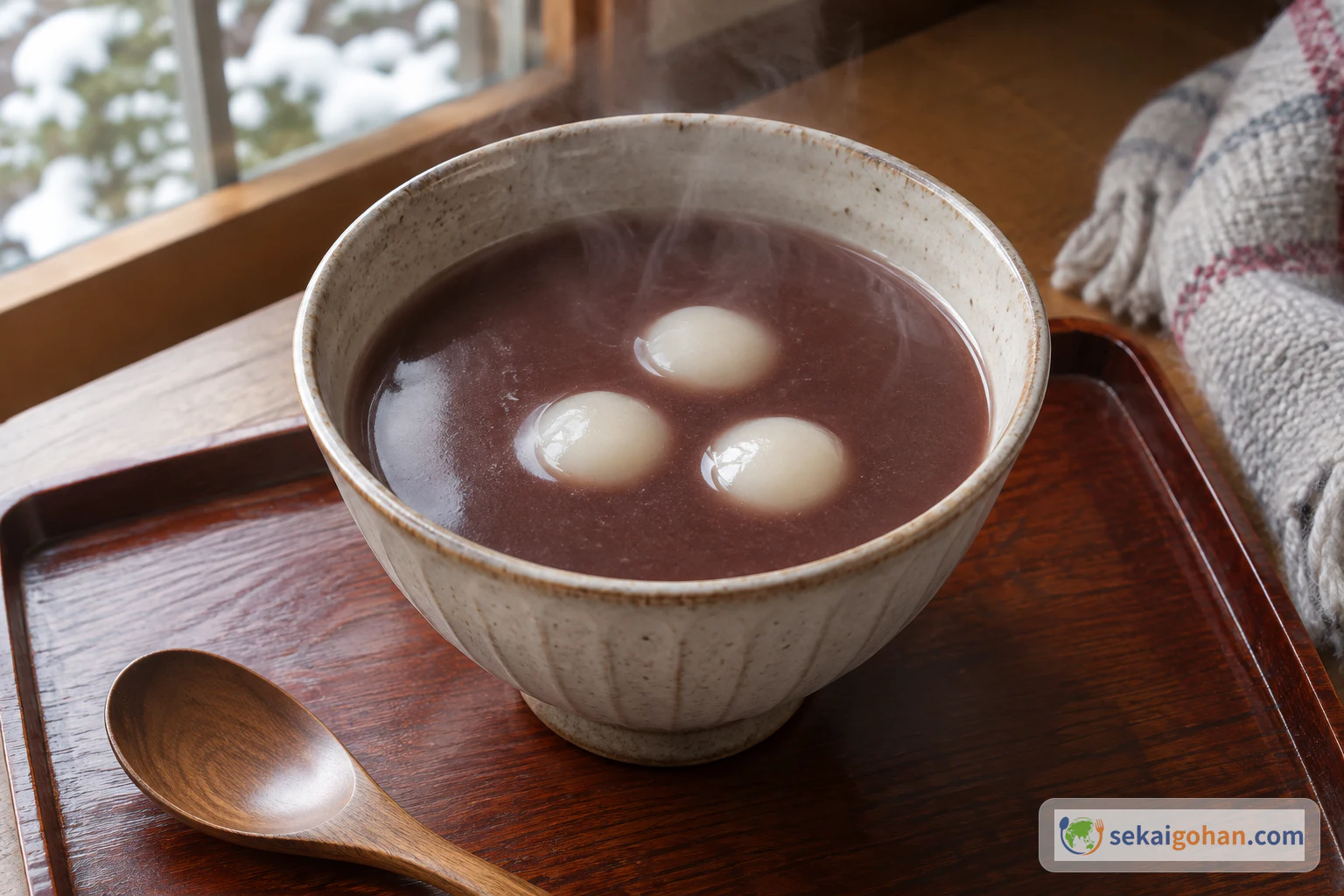
Oshiruko: Japanese Strained Red Bean Soup with Shiratama Dumplings (Gozen Shiruko)
How to make oshiruko from dried azuki beans: a smooth gozen-style shiruko of 200g azuki, pressed through a sieve, settled, cloth-strained and sweetened with 150g sugar, served with shiratama dumplings made from 50g shiratamako and 3 tablespoons of water. Covers each straining stage, the visual cues for each step, its link to the New Year custom of kagami biraki, and how to add mochi safely.
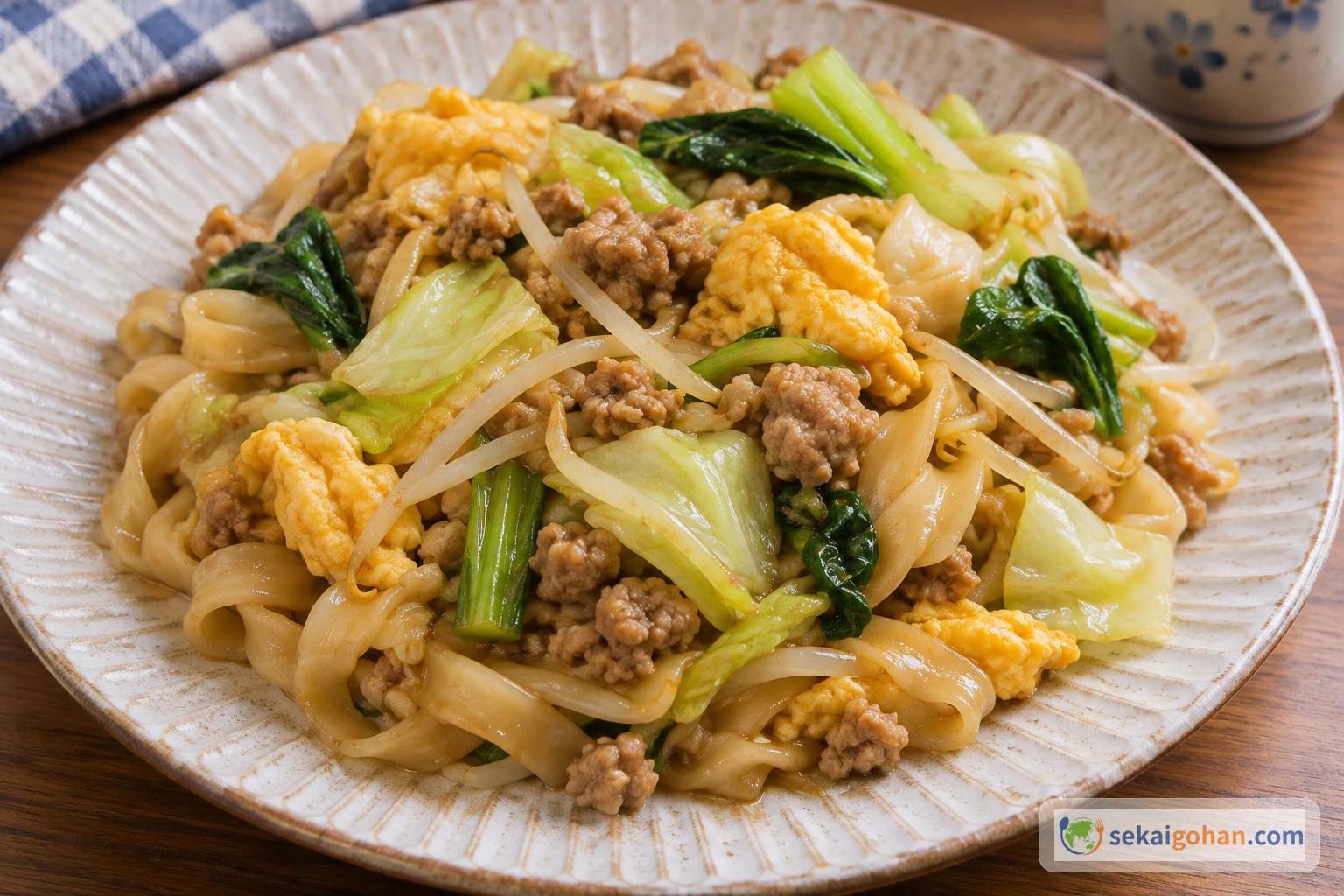
Otchahoi: Home-Style Stir-Fried Kishimen with Pork, Egg and Chili Sauce (オッチャホイ)
A home adaptation of otchahoi, the flat-noodle stir-fry linked to Singapore Shokudo in Shibata, Japan. Uses kishimen, minced pork, egg, cabbage, bean sprouts and komatsuna, with the two separate water measures, food safety checks and the limits of this version explained. It is not the restaurant's recipe.
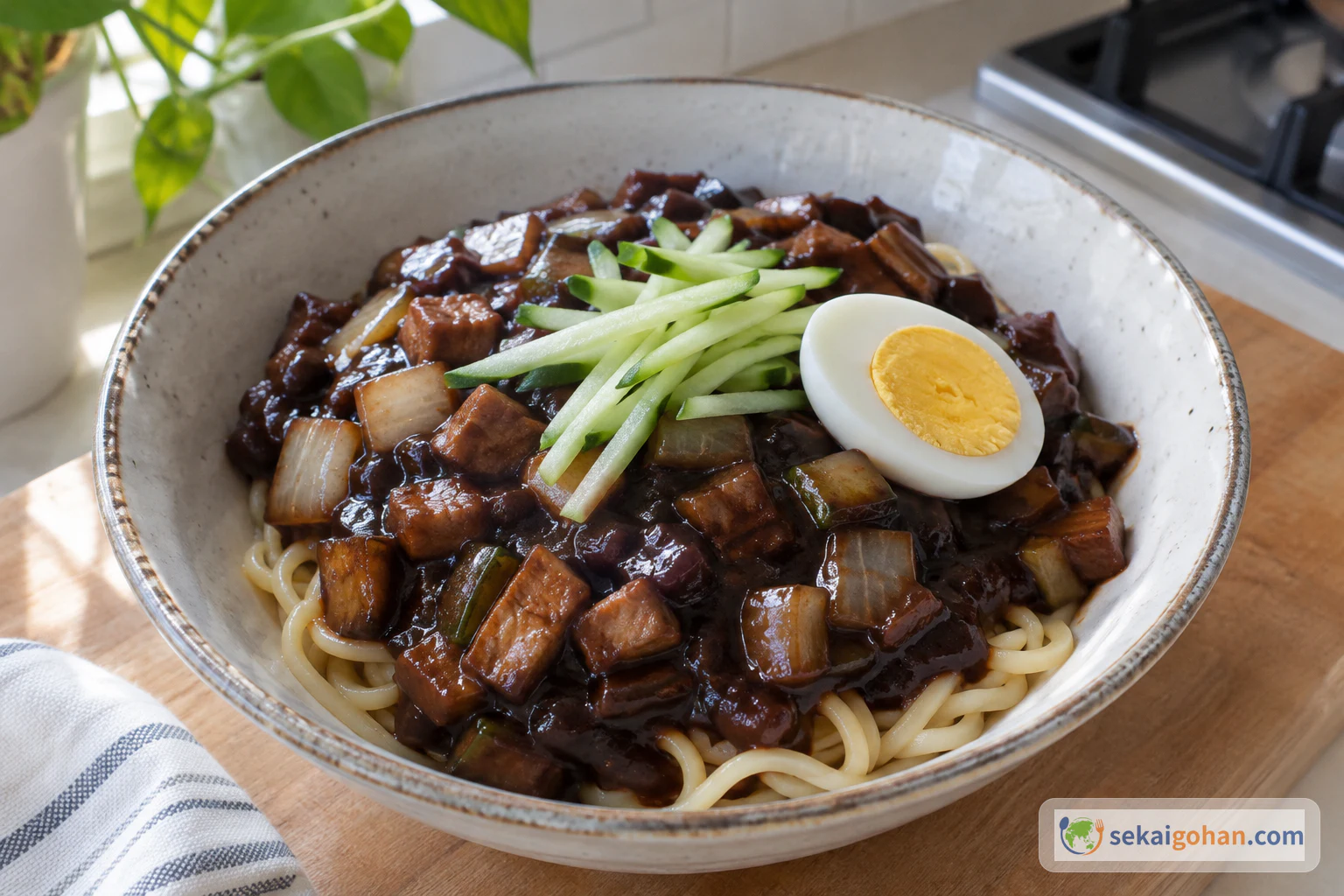
Jajangmyeon: Korean-Chinese Black-Sauce Noodles with Pork and Diced Vegetables (짜장면)
How to make jajangmyeon (짜장면), the Korean-Chinese noodle dish of thick wheat noodles under a glossy black chunjang sauce with pork belly, cabbage, onion, zucchini and potato. Covers choosing chunjang and fresh noodles, the order of removing and returning the pork and cabbage, rinsing the noodles, thickening the sauce with cornstarch, and the dish's background in Incheon.
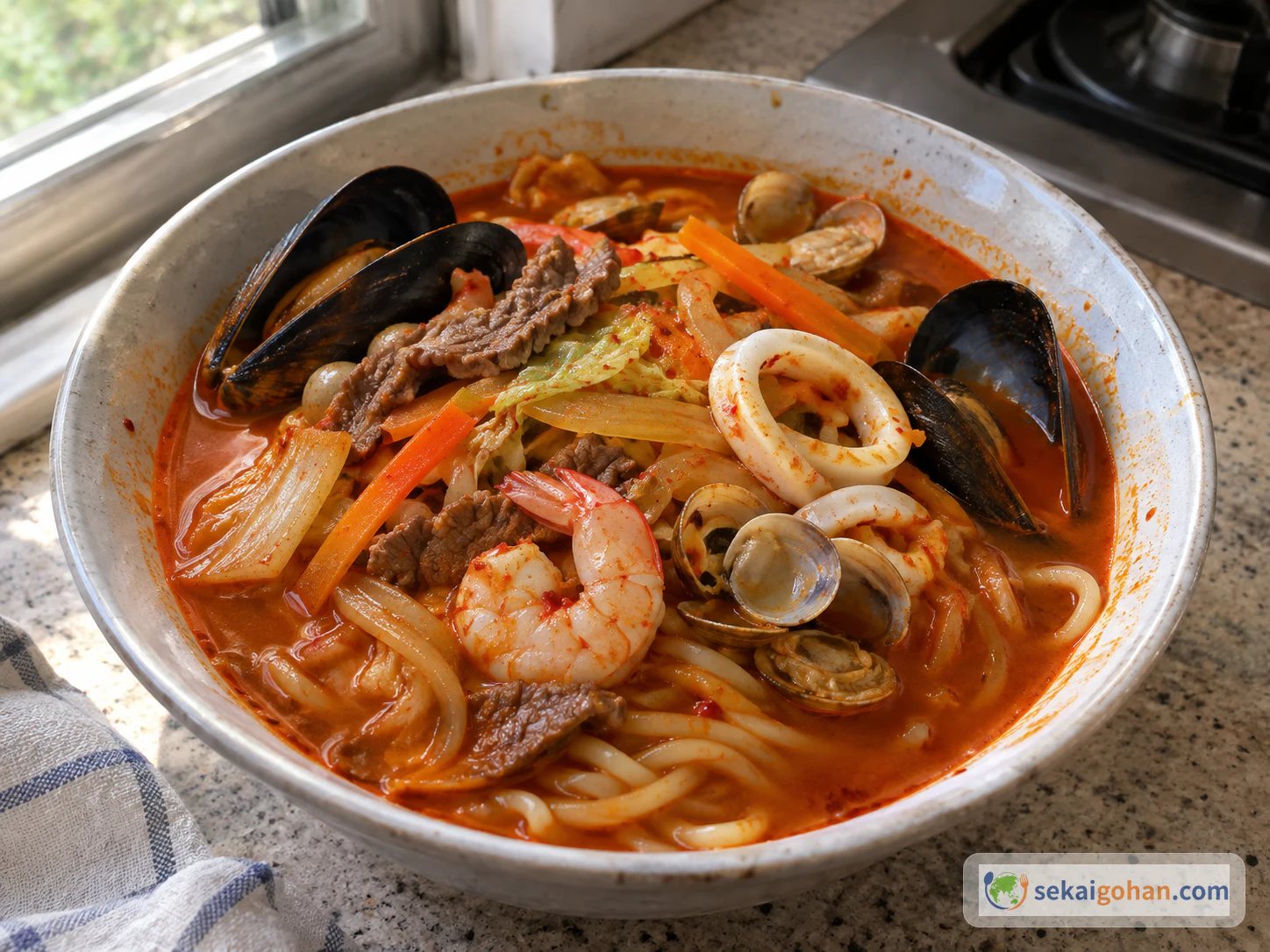
Jjamppong: Korean-Chinese Spicy Seafood Noodle Soup (짬뽕)
How to make jjamppong (짬뽕), the red, spicy Korean-Chinese noodle soup with mussels, clams, shrimp, squid, thin beef and vegetables in an anchovy-kelp stock. A two-serving recipe in US measures, covering how to bloom gochugaru in oil without burning it, how to prepare shellfish, how to cook and rinse the noodles, separate food-safety guidance for shellfish and meat, and how the dish differs from Nagasaki champon.
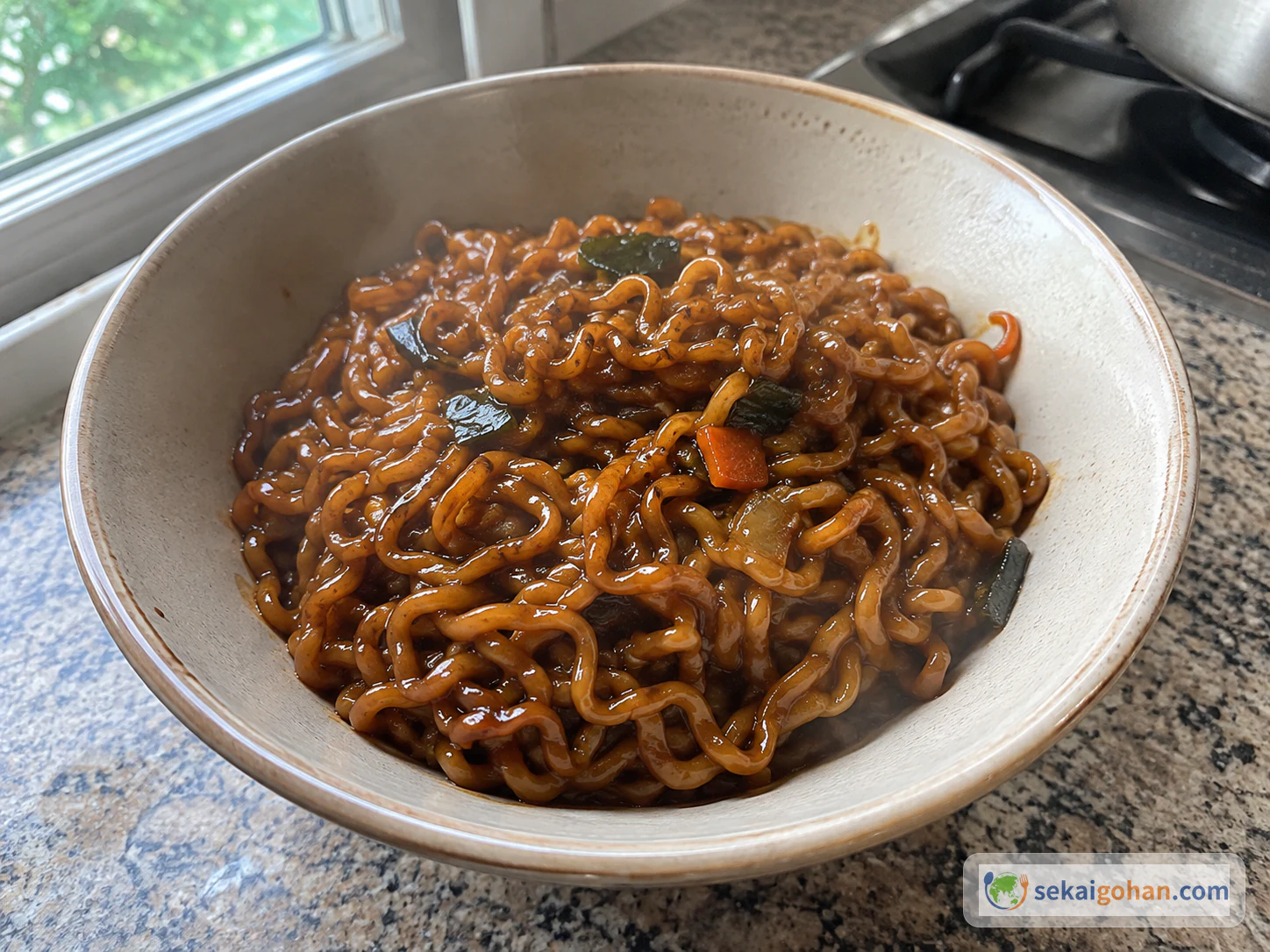
Jjapaguri: Chapagetti and Neoguri Cooked Together in One Pot (짜파구리)
How to make jjapaguri (짜파구리, also written chapaguri), the Korean dish of one package of Chapagetti and one package of Neoguri cooked in the same pot. Covers which sachets to use in full and which only by half, why you keep some of the noodle water, when to add the seasoning oil, how this no-steak version differs from the 'ram-don' of the film Parasite, and where a separate Nongshim method fits in.
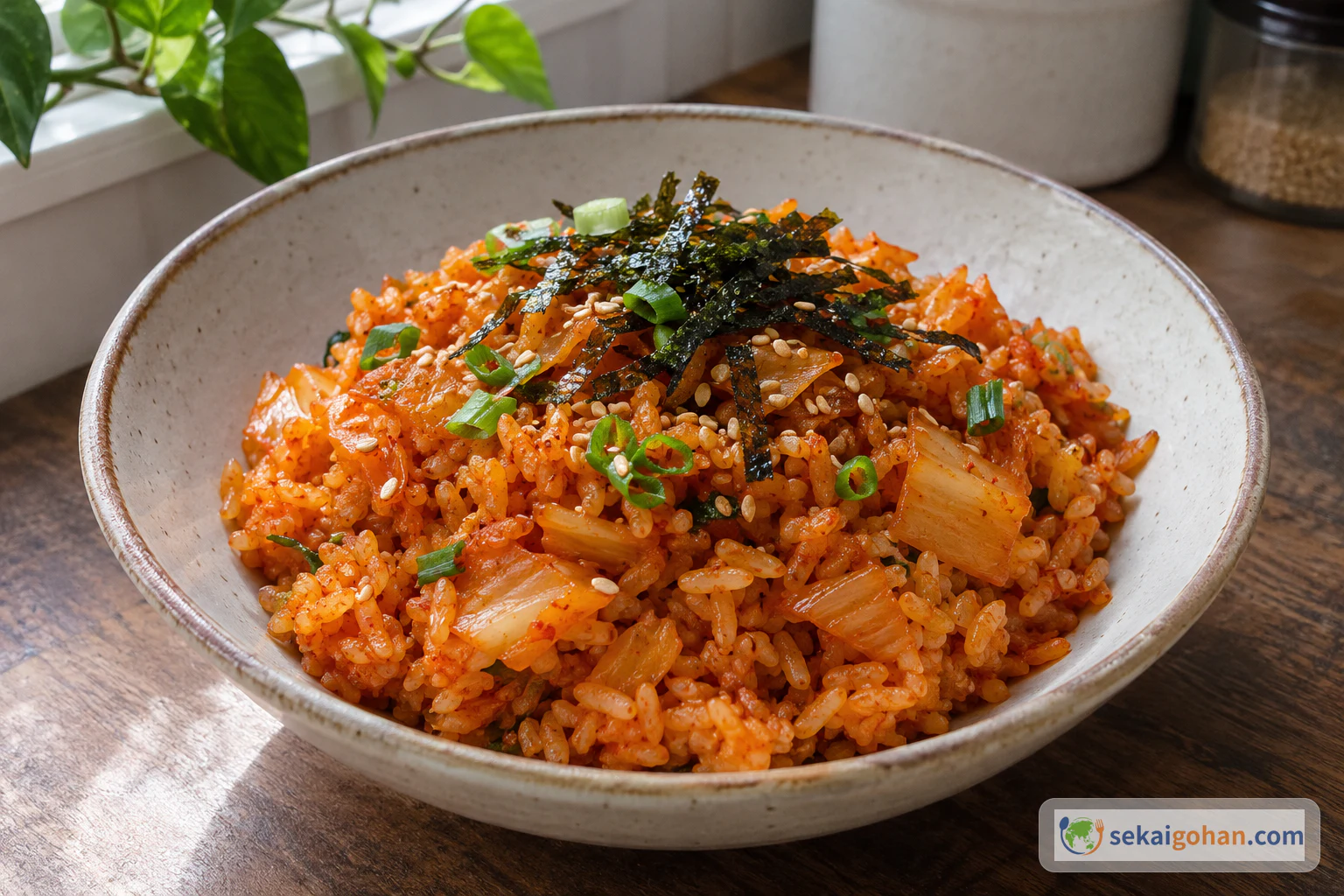
Kimchi Bokkeumbap: Korean Kimchi Fried Rice (김치볶음밥)
How to make kimchi bokkeumbap (김치볶음밥), the Korean fried rice built around well-fermented kimchi and cooked rice, following Maangchi's home recipe for 2–3 servings. Covers the amounts in their original cup and spoon units, the order of kimchi, rice, kimchi juice, water and gochujang in the pan, adding sesame oil before the pan comes off the heat, and how to handle freshly cooked or chilled rice safely.
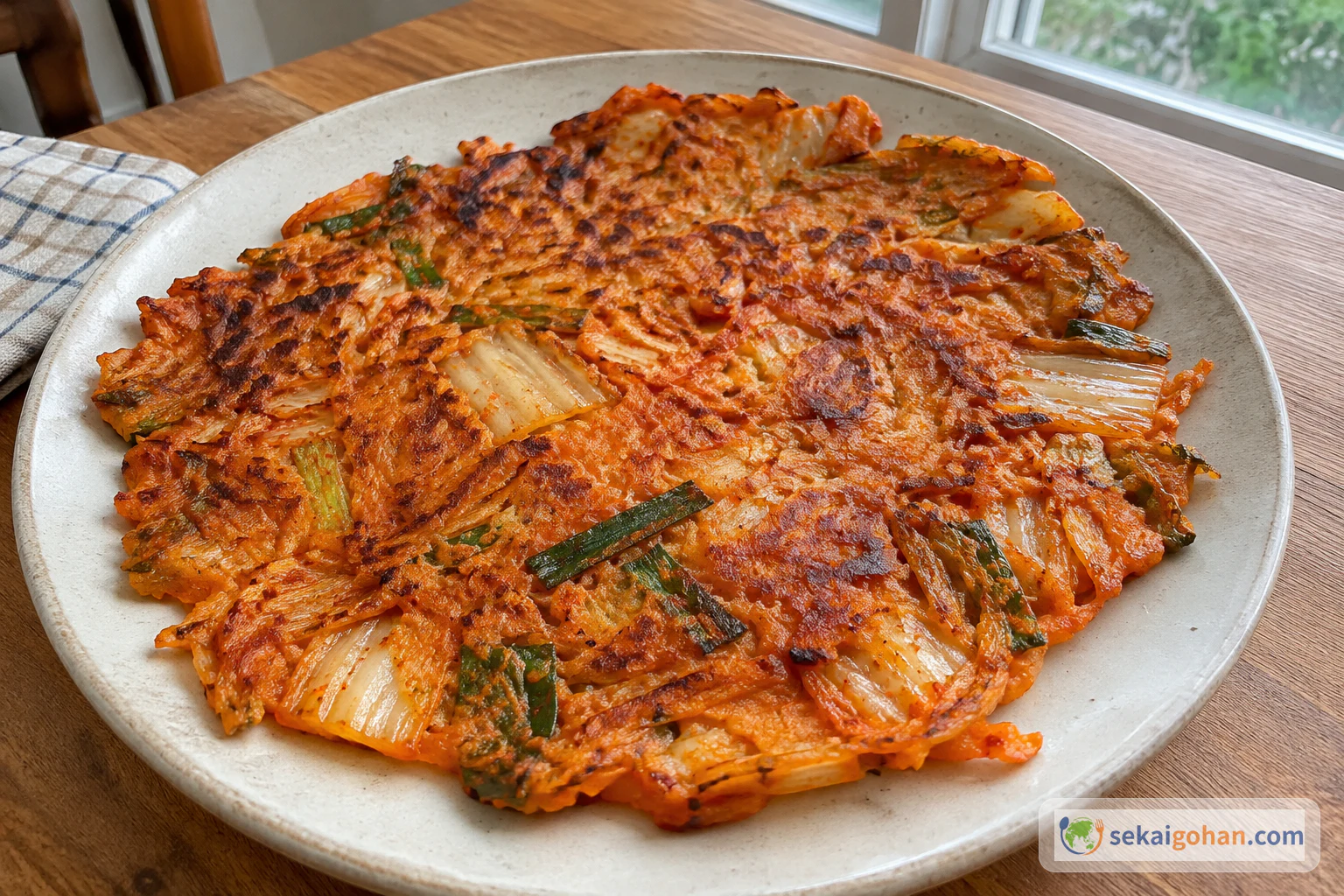
Kimchibuchimgae: Korean Kimchi Pancake (김치부침개 / Kimchijeon)
How to make kimchibuchimgae, also called kimchijeon, the Korean pancake of chopped well-fermented napa cabbage kimchi, its brine, scallions, flour and water, pan-fried as one broad, thin round in a 12-inch skillet. Covers the two-stage oiling, flipping twice, troubleshooting a soft center, choosing kimchi and flour, raw-flour handling, and where this pancake sits among Korean buchimgae and jeon.
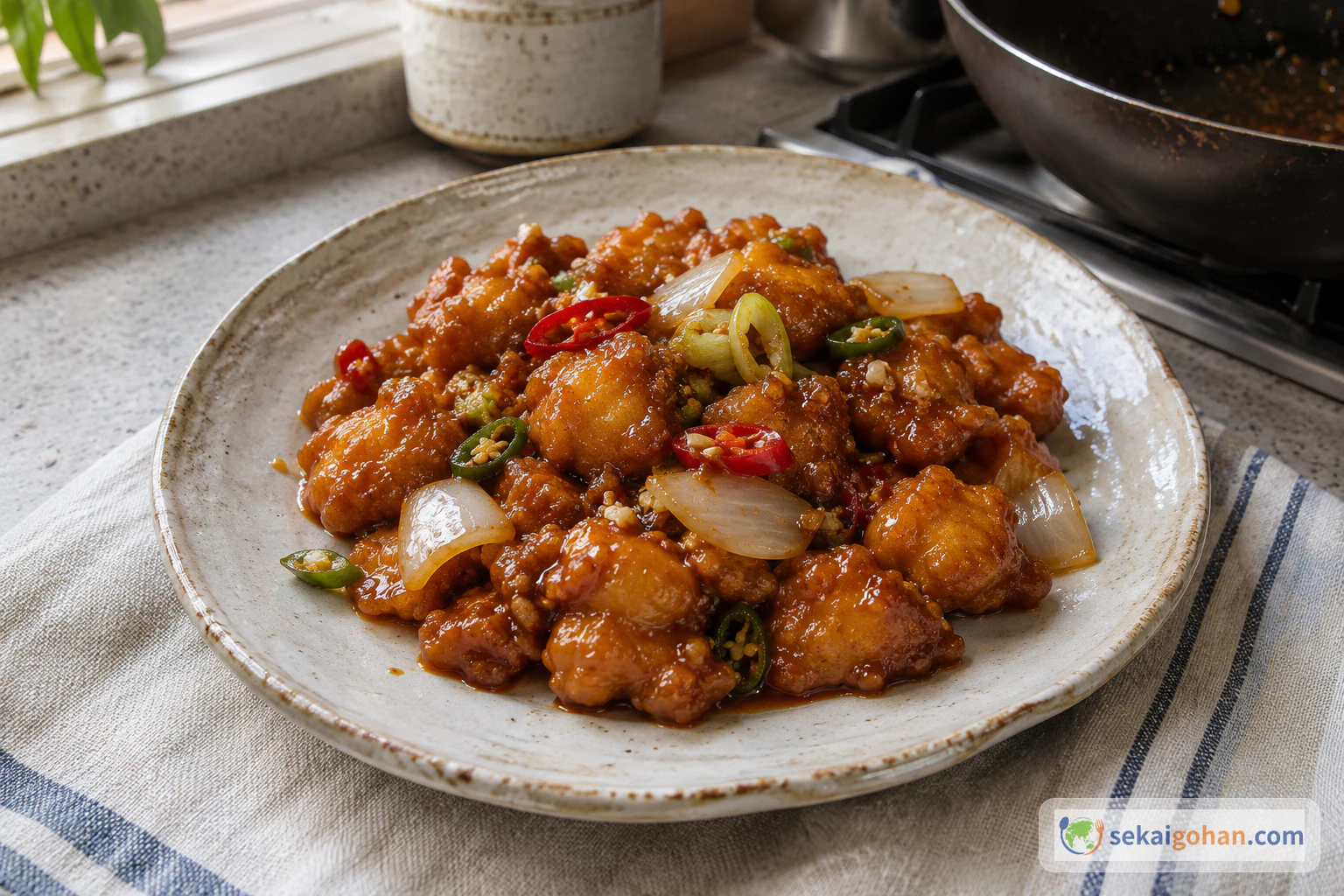
Kkanpunggi: Korean-Chinese Spicy Garlic Fried Chicken (깐풍기)
How to make kkanpunggi (깐풍기), Korean-Chinese twice-fried chicken breast tossed with a garlic-and-leek chili oil and a sweet, sour and spicy rice-syrup sauce. Based on Maangchi's written recipe for 2–3 servings, with a refrigerated marinade, separate raw and cooked tools, and a final thermometer check of the thickest piece before serving.

Kkwabaegi: Korean Twisted Doughnuts with Glutinous Rice Flour (꽈배기)
How to make kkwabaegi (꽈배기), the Korean twisted doughnut sold as a market snack, with a yeasted dough of bread flour and glutinous rice flour. Covers kneading, both rises, rolling and twisting the ropes, frying at 170–175°C, the cinnamon-sugar coating, hot-oil and raw-dough safety, and how this version differs from all-purpose-flour recipes.
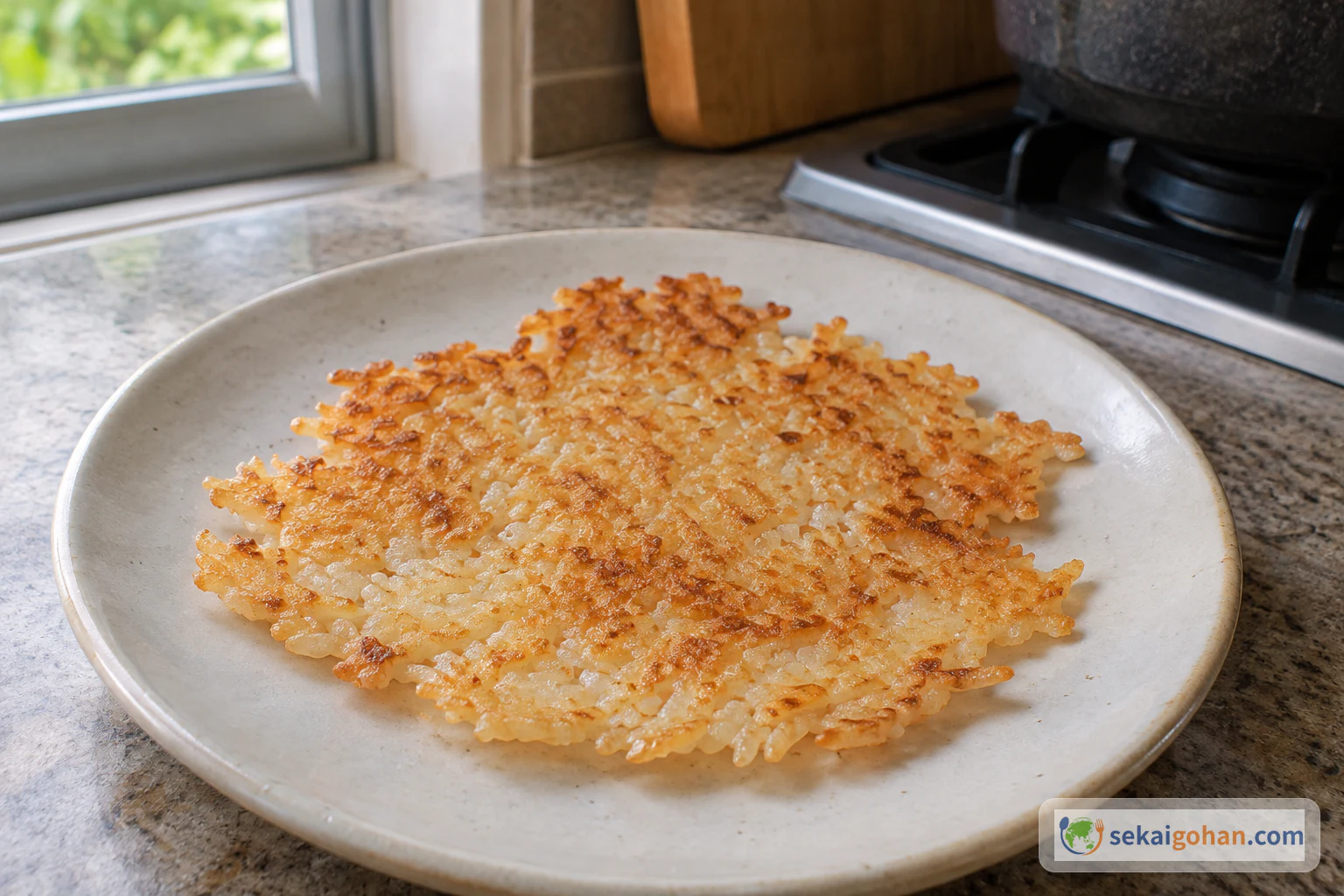
Nurungji: Korean Scorched Rice Crust and Sungnyung (누룽지)
How to make nurungji (누룽지), the thin golden rice crust that forms on the bottom of a pot of Korean rice, starting from raw short-grain rice. Covers rinsing, the 30-minute soak, the extra simmer that builds the crust, loosening it with a covered pot and a few drops of water, and turning the pot into sungnyung, the scorched-rice drink. Also covers rice-handling advice, troubleshooting and the dish's place at the Korean table.
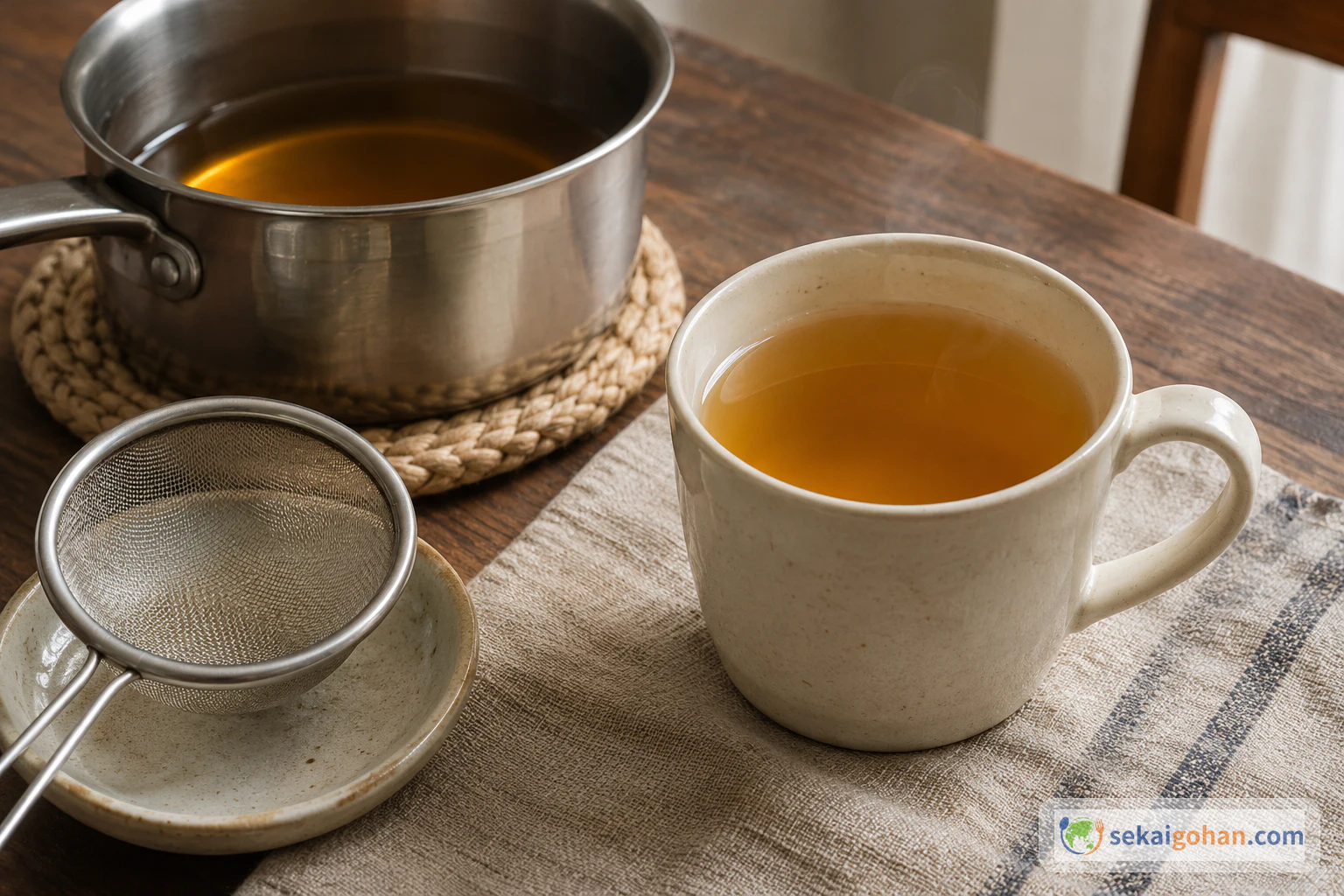
Oksusu-cha: Korean Roasted Corn Tea (옥수수차)
How to make oksusu-cha (옥수수차), the Korean drink made by simmering roasted corn kernels in water. A simple hot version for 4 servings: 3 tablespoons of ready-roasted whole kernels and 4 cups of filtered water, boiled, simmered for 10 minutes, strained and served hot. Includes how to find the right kernels, how it differs from corn silk tea and barley blends, and its place in a Gangwon regional food record.
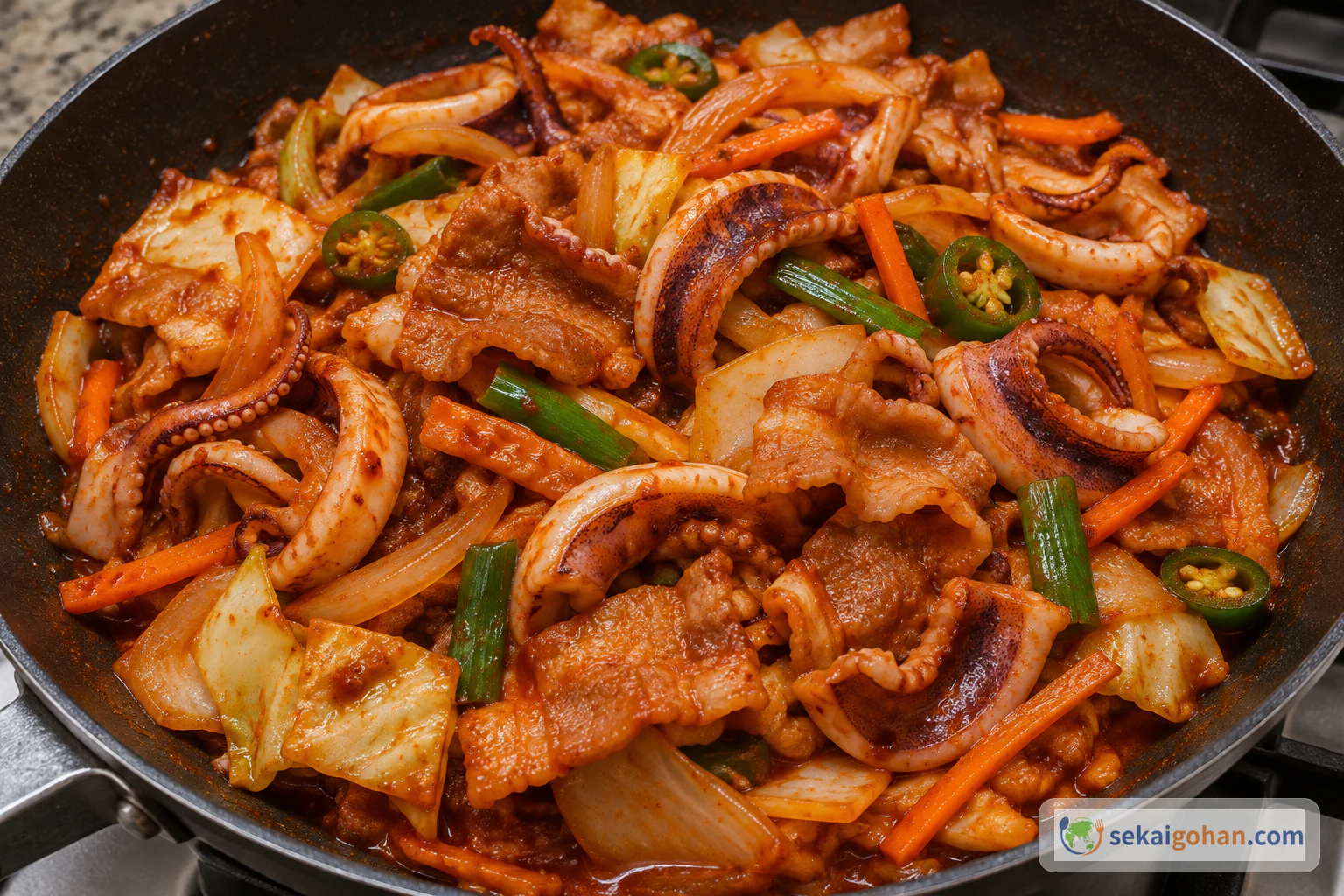
Osambulgogi: Korean Spicy Squid and Pork Belly Stir-Fry (오삼불고기)
How to make osambulgogi, the Korean stir-fry of squid and pork belly in a red gochujang and gochugaru sauce. This four-serving version follows JinJoo Lee's Kimchimari recipe: skin-on squid cut into strips, pork belly cooked first without added oil, and separate marinades for the meat and seafood. Includes safe handling of raw squid and pork, fixes for common problems, other versions of the dish, and the story behind the name.
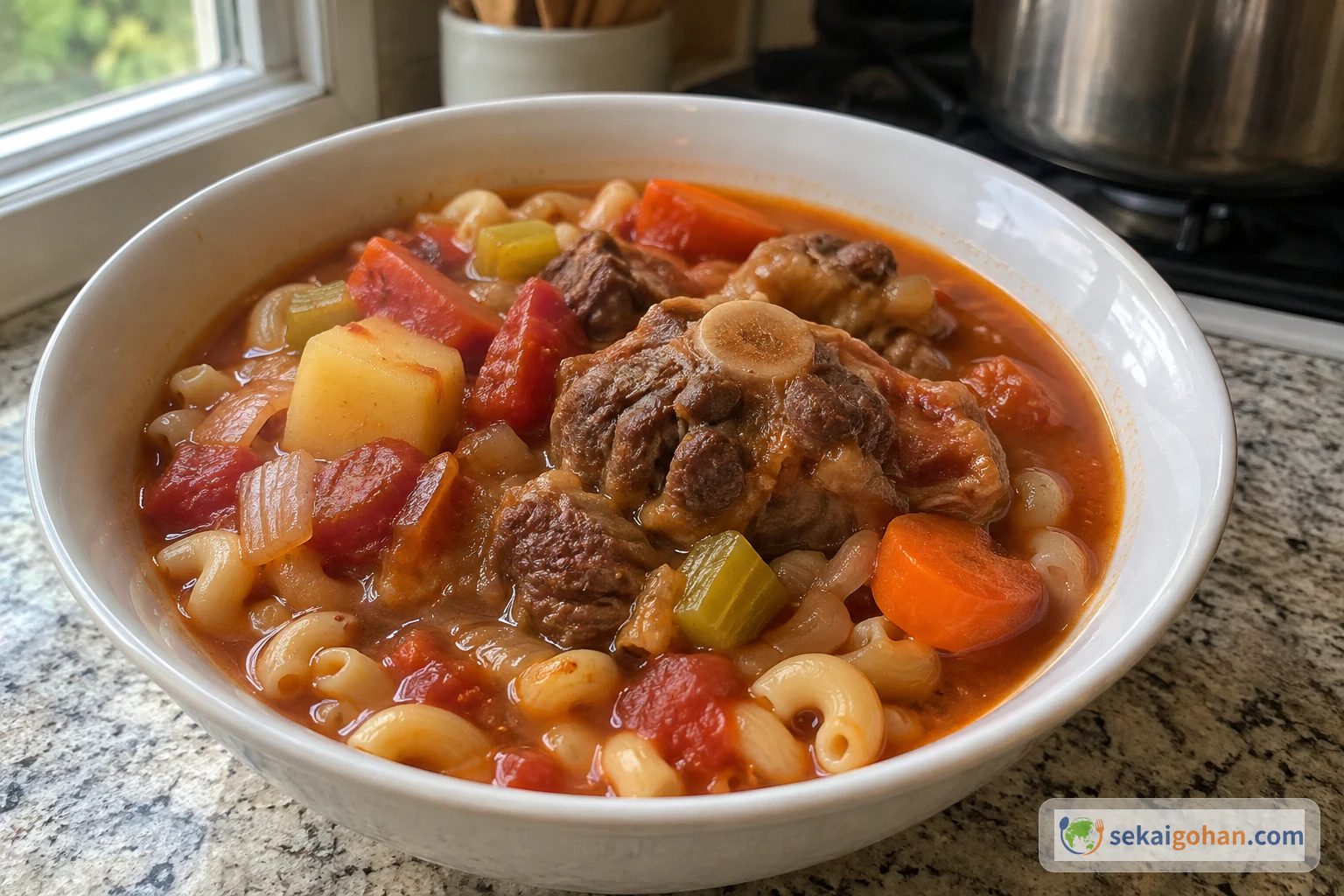
Macaroni in Oxtail Tomato Soup: Macau's Slow-Simmered Breakfast Bowl
How to make macaroni in oxtail tomato soup, a dish described in Macau as a favorite local breakfast. Based on a 4–5 serving home recipe: blanch bone-in oxtail, simmer it low with vegetables and herbs until the meat comes away from the bone, cook the macaroni separately, and pour the soup over it in the bowl. Also covers how shop versions differ, choosing ingredients, fixing problems, and handling leftovers safely.
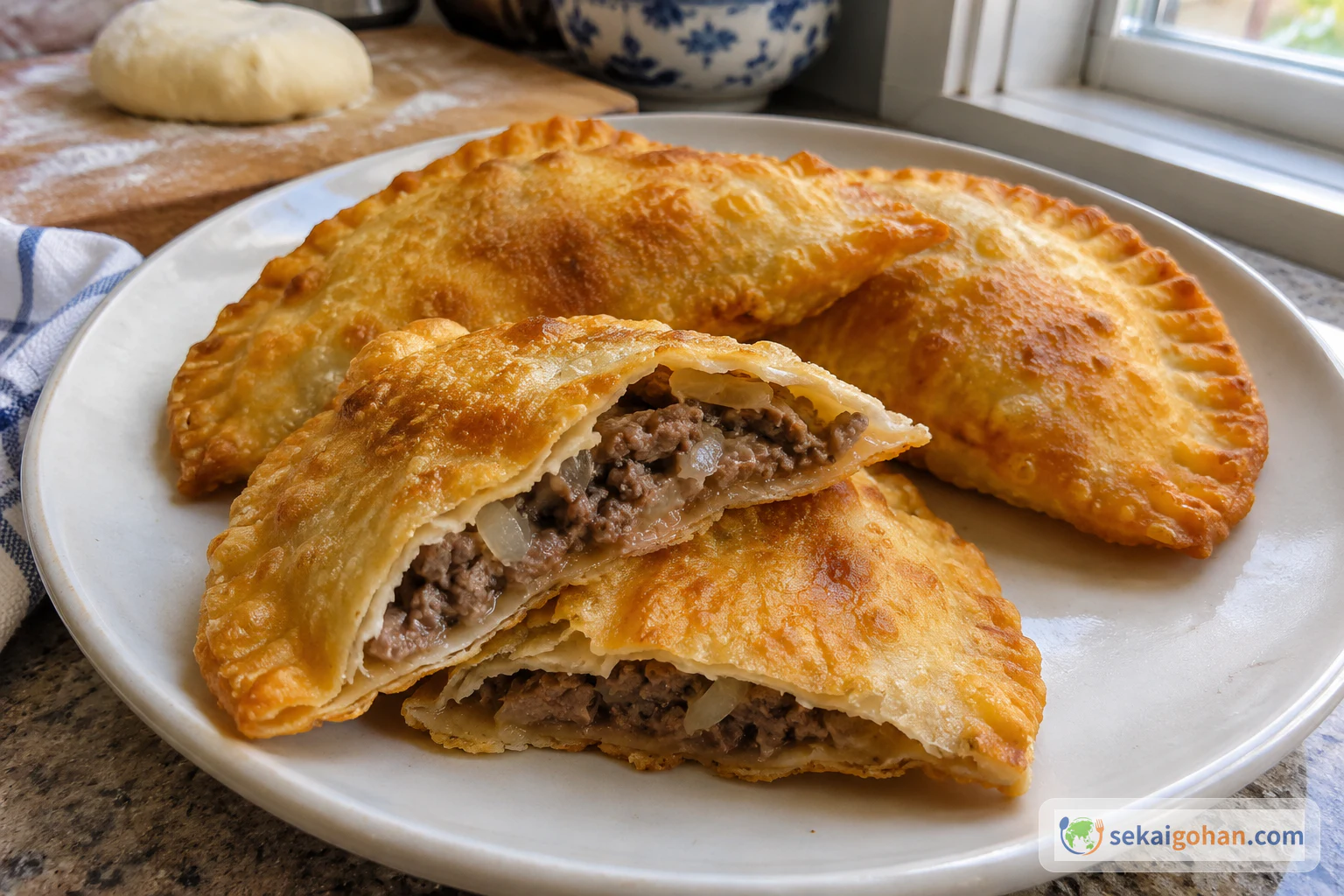
Khuushuur: Mongolian Half-Moon Fried Beef Pockets
How to make khuushuur, Mongolian half-moon pockets of plain flour-and-water dough filled with ground beef, onion, black pepper and salt, then fried. Follows the beef recipe Dr. Odgerel Batsaikhan shared with WPSU World Kitchen, step by step from filling to shaping to frying, with a separate food-thermometer check for the ground-beef filling.
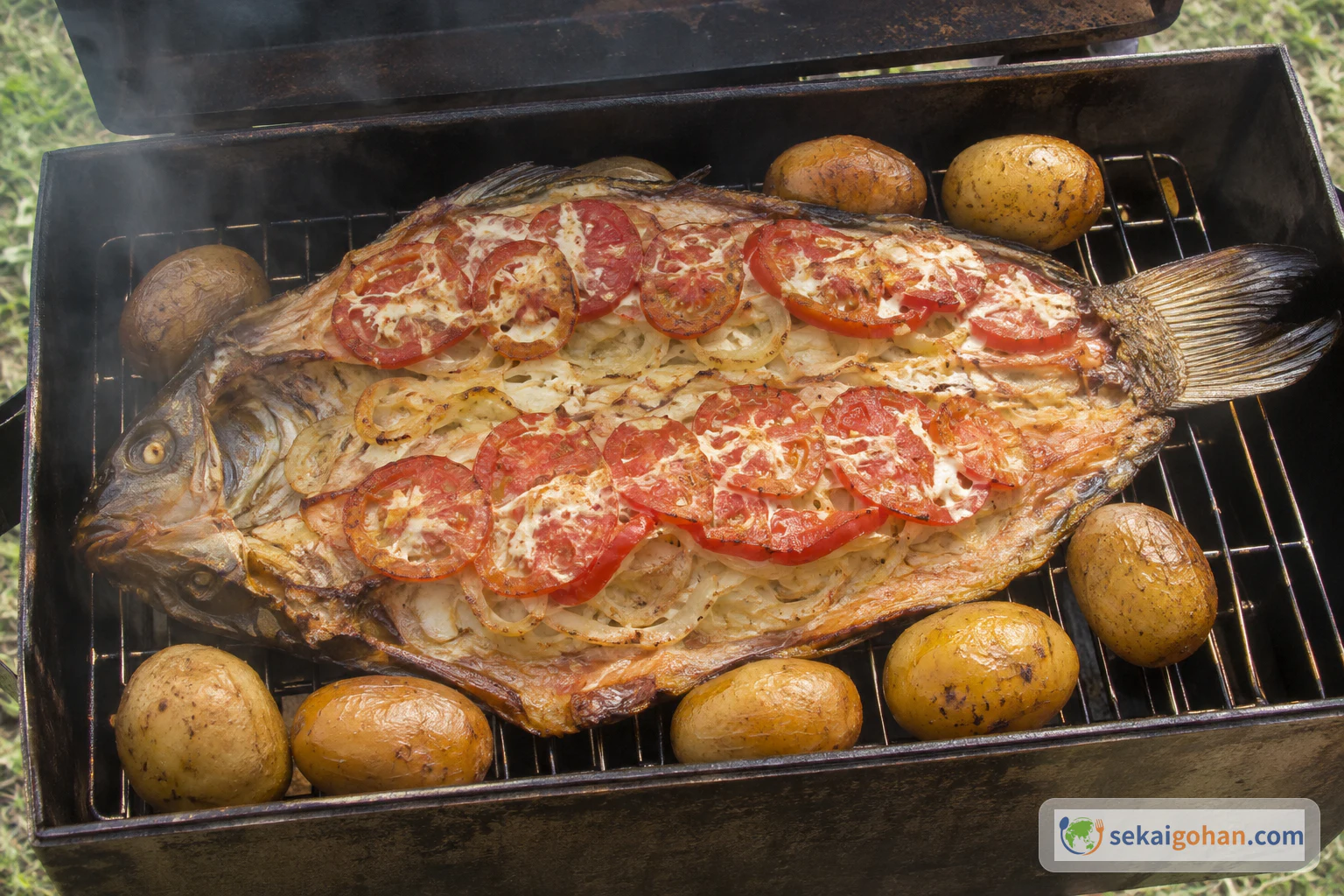
Koktal: Kazakh Hot-Smoked Carp with Onion, Tomato and Potatoes (Коктал)
How to make koktal (Коктал), the Kazakh dish of a large carp opened along the backbone with its scales left on, layered with garlic mayonnaise, onion and tomato, ringed with potatoes and hot-smoked outdoors over apple or cherry wood. Covers the ingredients, the outdoor smoker you need, every step, the fish thermometer check at 63°C (145°F), a separate potato check, and what to do when something goes wrong.
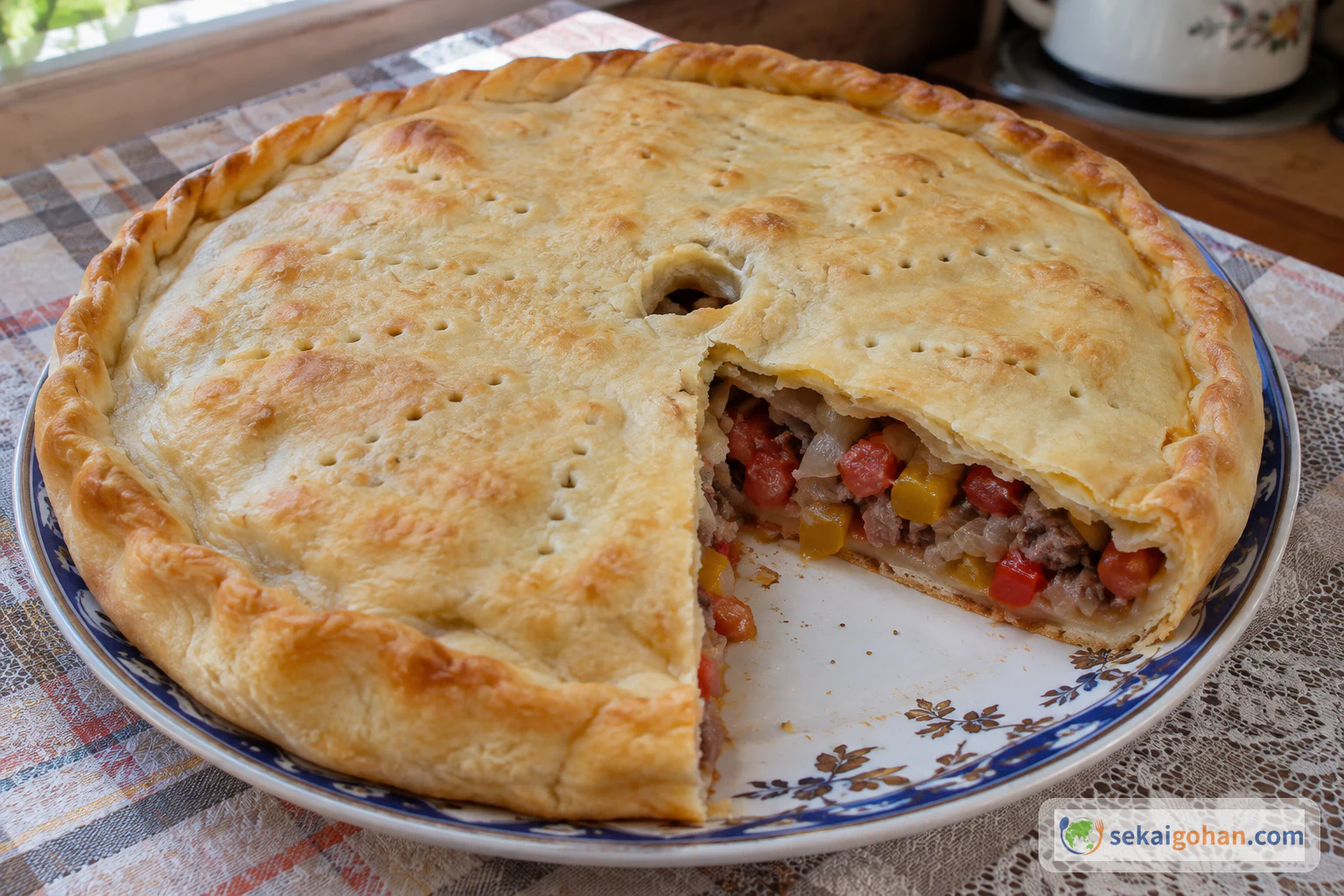
Ichlekli: Turkmen Lamb Pie Baked Between Two Rounds of Dough (Içlekli)
How to make ichlekli, a large round Turkmen pie of raw, finely knife-cut lamb, tomato, onion and bell pepper sealed between two circles of simple butter dough and baked in the oven. Covers cutting the meat by hand, sealing and venting the pie, baking at 250°C, and checking the center of the filling with a thermometer.
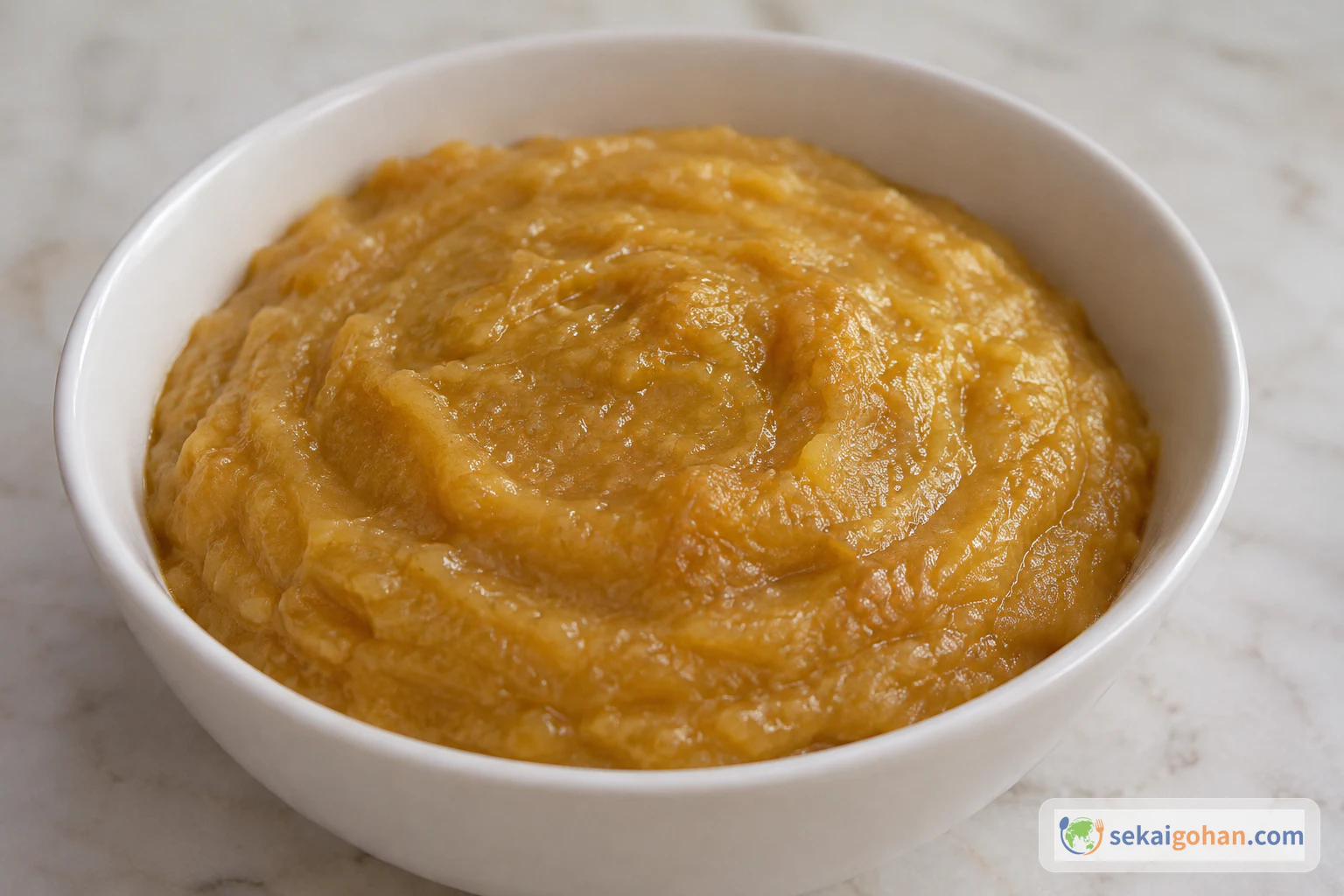
Khabees: Toasted-Flour Sweet with Saffron, Cardamom and Rosewater
How to make khabees, a thick Gulf sweet of dry-toasted flour, melted unsalted butter and a saffron, cardamom and rosewater syrup. This four-serving version follows Chef Alo's regional recipe, with visual cues for each stage, fixes for common problems and background from Emirati cultural sources.
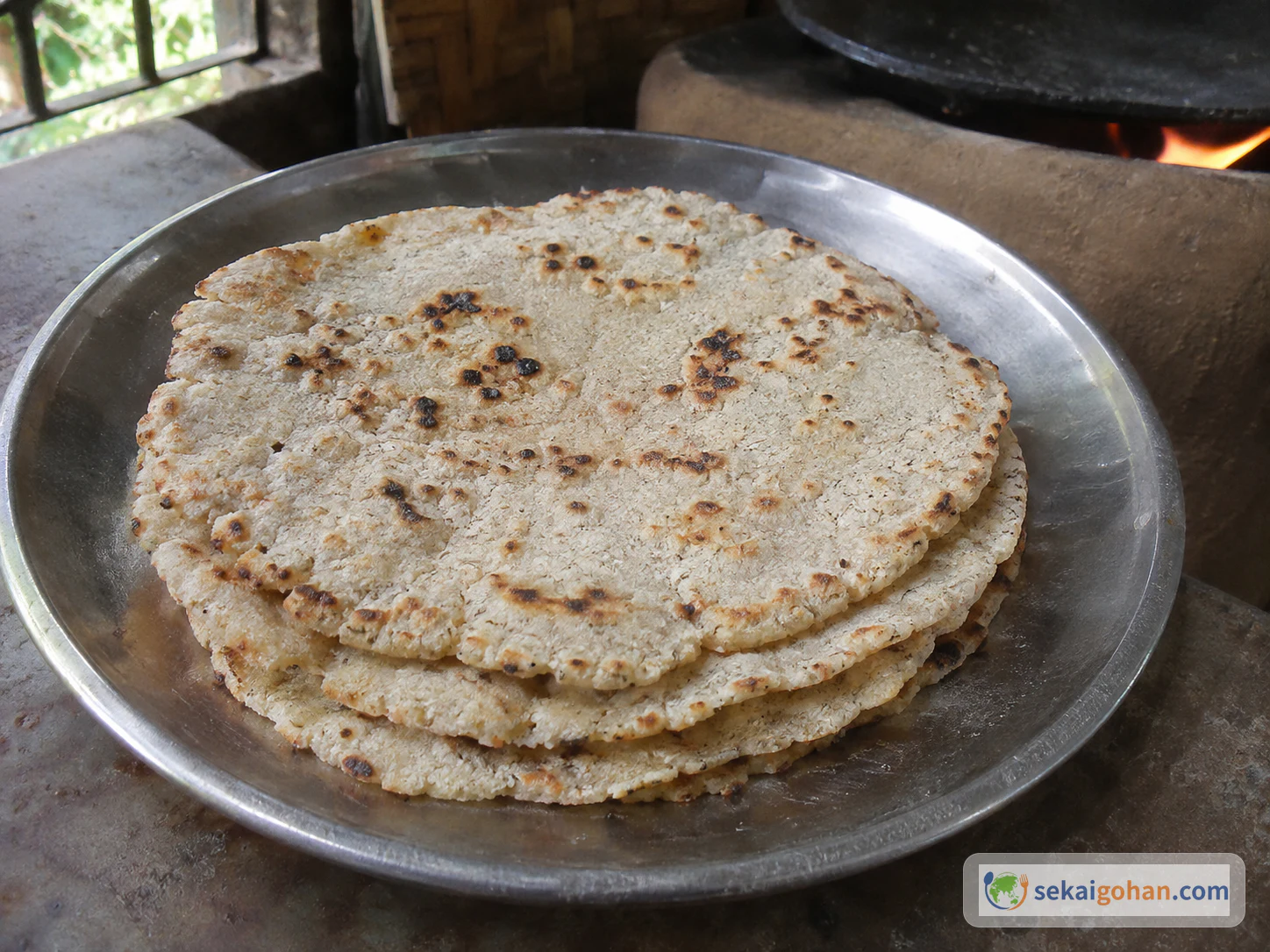
Kalai Ruti: Chapainawabganj Flatbread of Rice Flour and Black Gram (কালাই রুটি)
How to make kalai ruti, the dry-roasted flatbread of Chapainawabganj in northwest Bangladesh, from rice flour, mashkalai (black gram) flour and water alone. Follows a recipe from a Chapainawabganj resident step by step, from sieving and pressing the dough by hand to shaping with damp palms and dry-roasting on a hot clay khola, with notes on regional versions and how to serve it hot and plain.
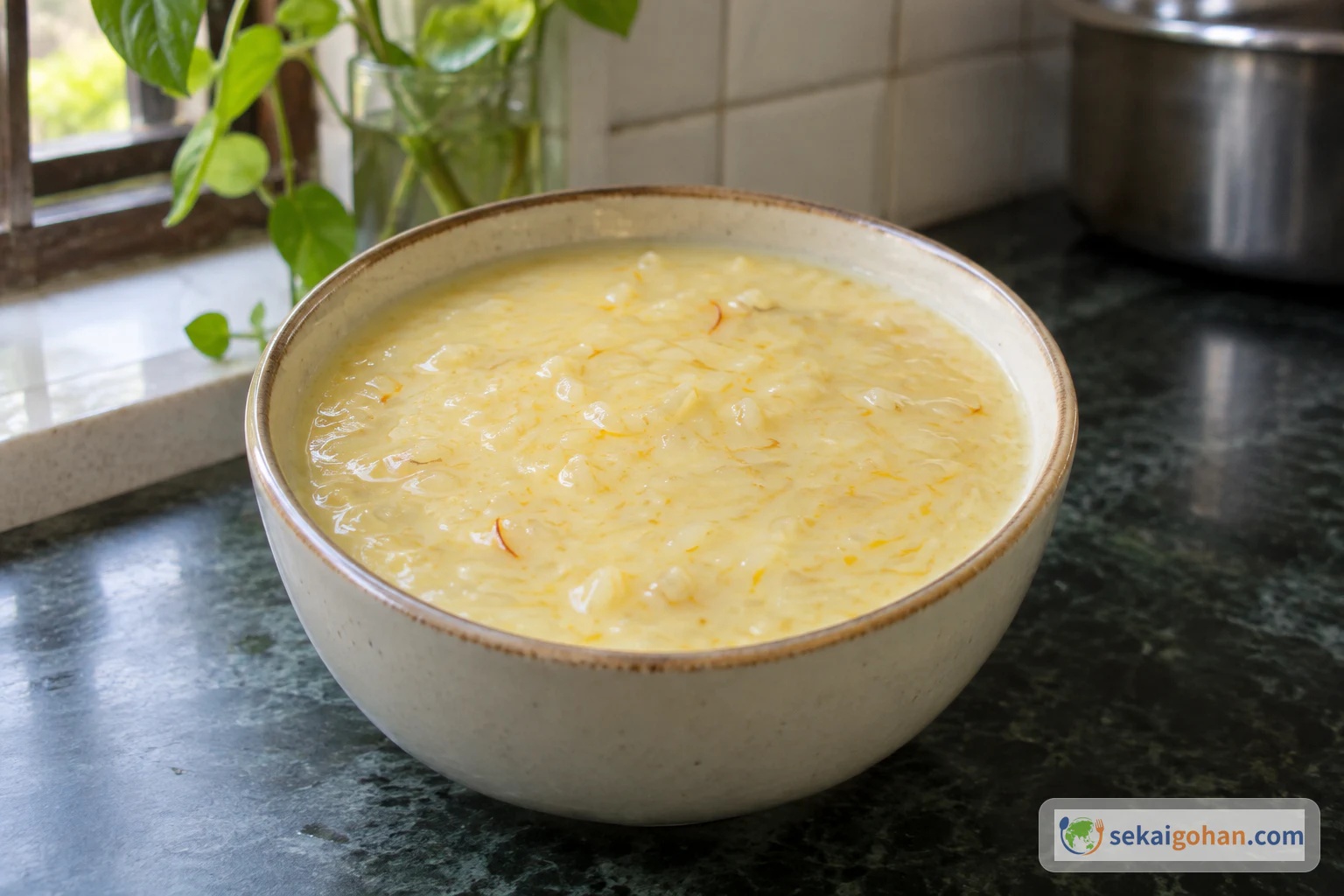
Payesh: A Bangladeshi Family's Chilled Rice Pudding with Saffron
How to make payesh, a chilled rice pudding of fragrant rice, milk, saffron and cashews, from one Bangladeshi family's recipe published by SBS Food. Includes clear steps, the thickness cue, how to divide and return the three cups of hot milk, and how to chill it quickly in shallow dishes.
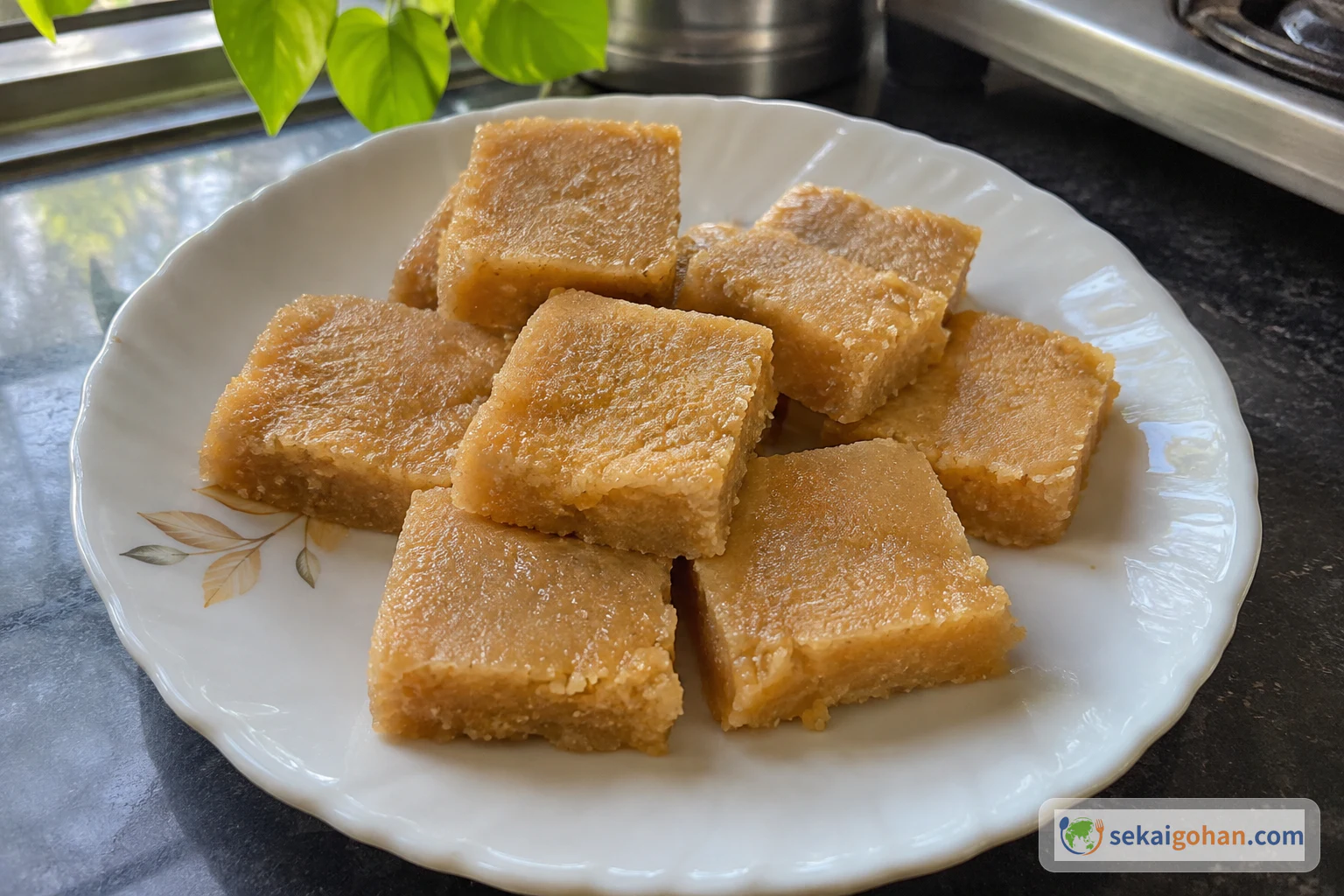
Jagannath Ballabha: A Home-Style Odia Sweet of Roasted Wheat, Ghee and Sugar Syrup (Ballav)
How to make a home-style Jagannath Ballabha (Ballav), a sweet from Odisha in which wheat flour is roasted in ghee, folded into a spiced one-string sugar syrup, set on a plate and cut into small squares. Covers how it differs from Hansakeli, flour and ghee choices, safe handling of hot syrup, fixing common problems, and the dish's place among the Jagannath offerings at Puri.
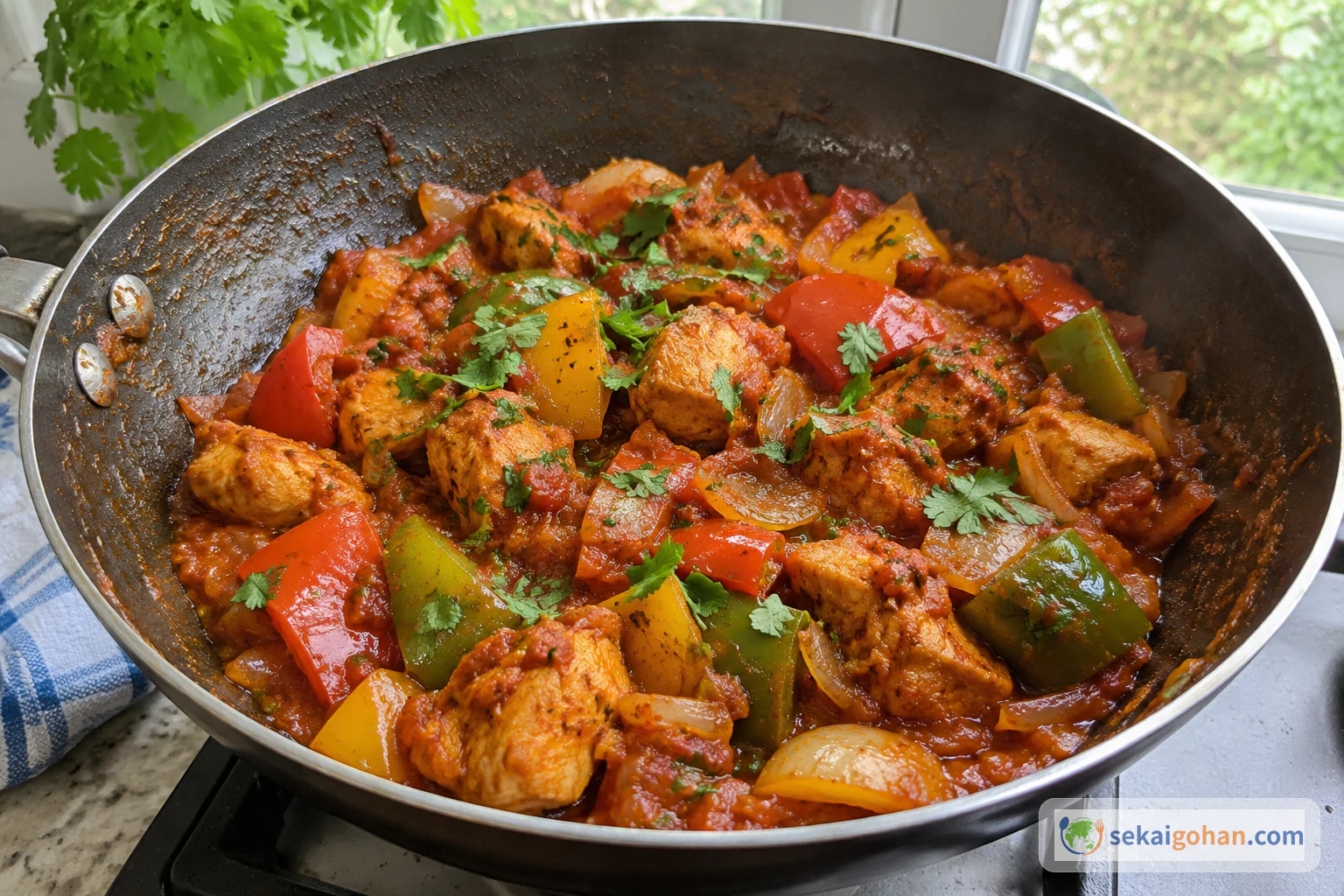
Chicken Jalfrezi: Spiced Chicken with Peppers, Onion and Tomato (Jalfrezi)
How to make a home-style chicken jalfrezi for four: chicken briefly fried with cumin, turmeric and chili, set aside, then returned to a sauce of sliced onion, bell peppers, ginger, garlic and tomato and simmered with green chilies. Includes the reasoning behind each choice, a clear food-safety check for the chicken, ingredient swaps, troubleshooting, and the range of dishes that share the jalfrezi name.
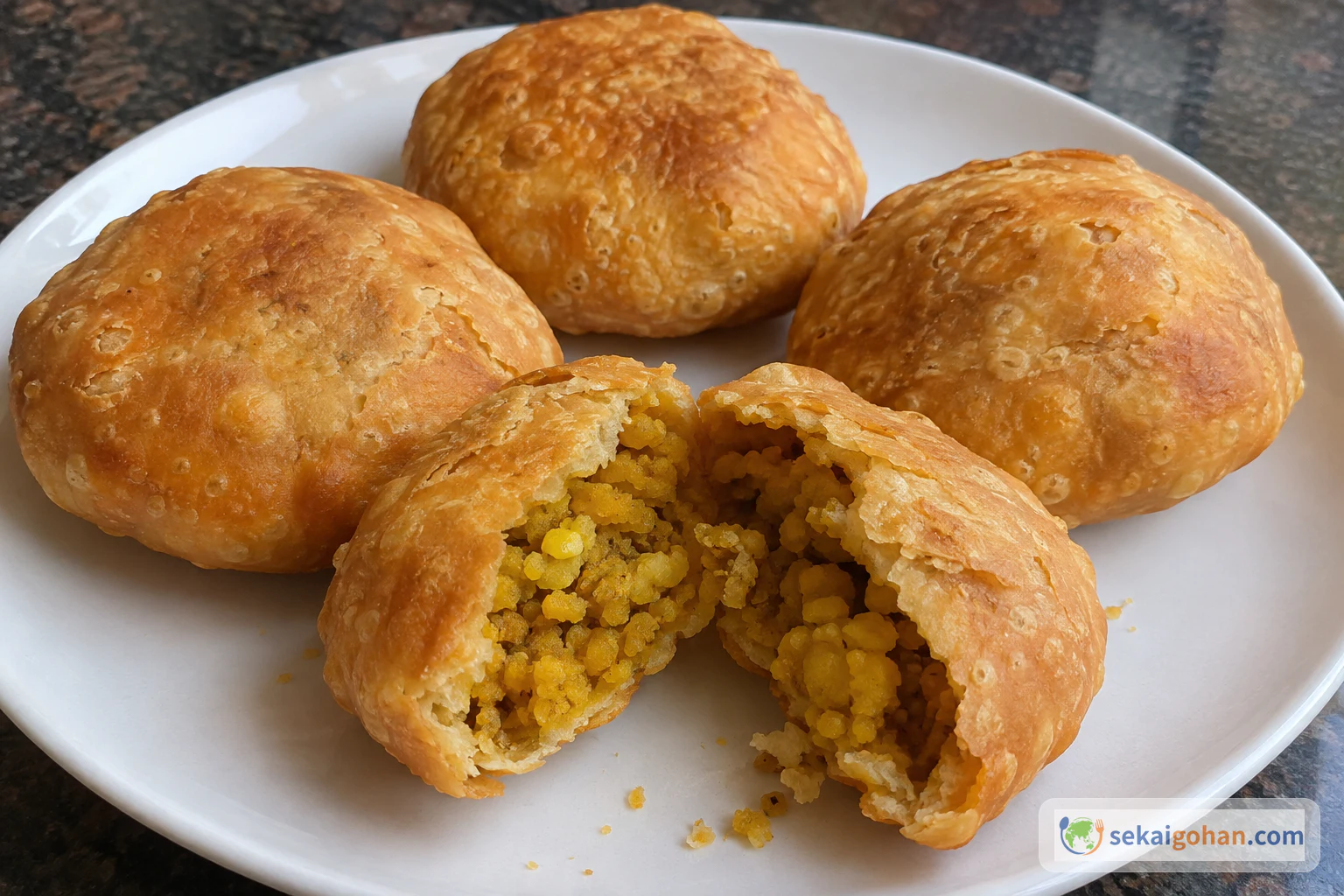
Khasta Kachori with Moong Dal: Flaky Fried Discs with a Coarse Spiced Lentil Filling
How to make khasta moong dal kachori, a round, medium-thick fried pastry with a crisp ghee-rubbed shell and a coarse filling of soaked yellow moong dal and dry spices. Covers the dough feel, adding water in portions, adding the spices one at a time, sealing and shaping, slow frying at low to medium-low heat, and safe frying habits.