
Recipes (28)
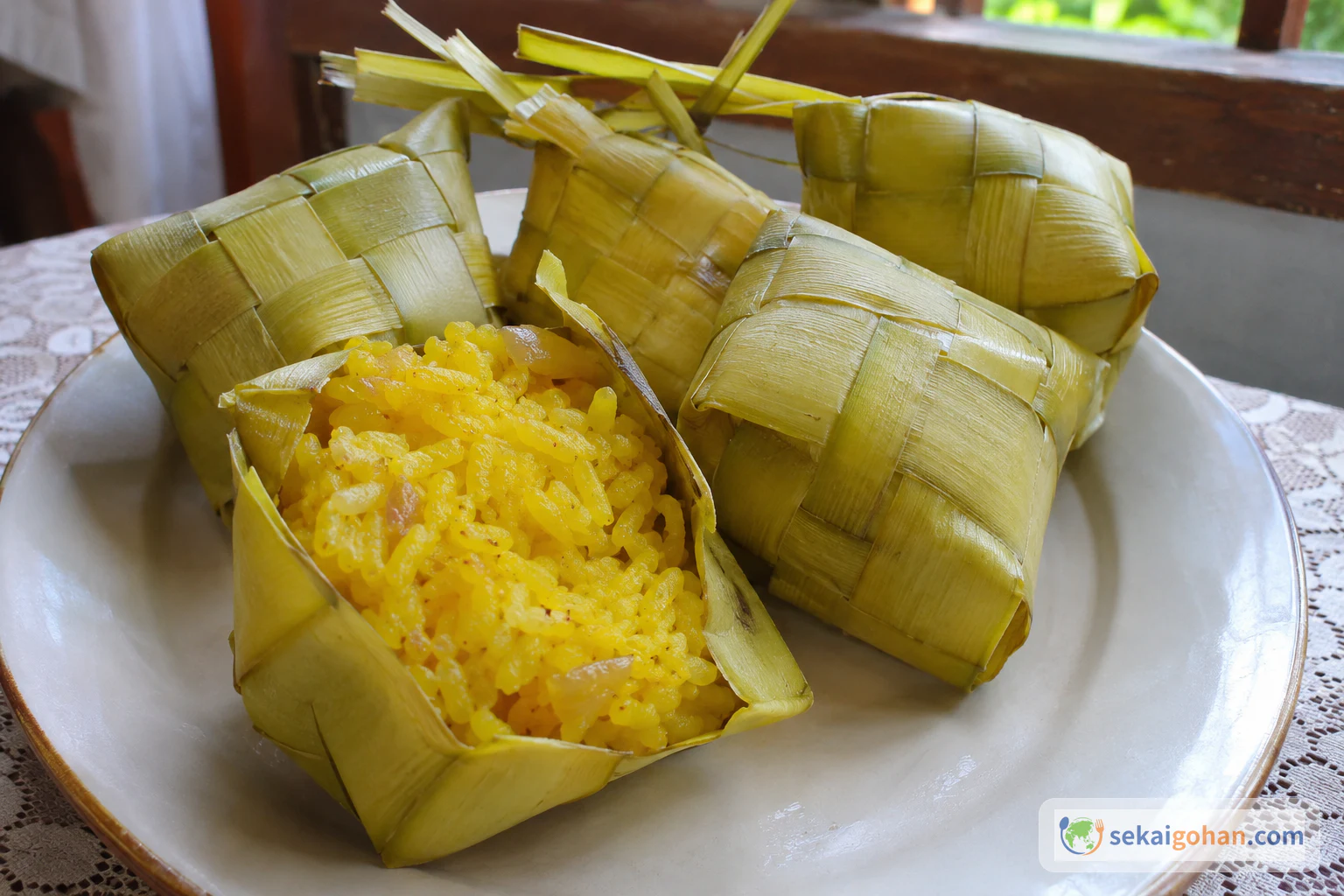
Katupa: Timorese Coconut and Turmeric Rice Cooked in Woven Leaf Pouches
How to make katupa, the rice cooked in small woven coconut-leaf pouches in Timor-Leste, following one family version from Viqueque. Covers grating and squeezing coconut and turmeric, seasoning and resting the rice, half-filling ready-woven food-use pouches, cooking them over the reserved coconut solids, cooling them quickly on a flat basket and serving them the same meal.
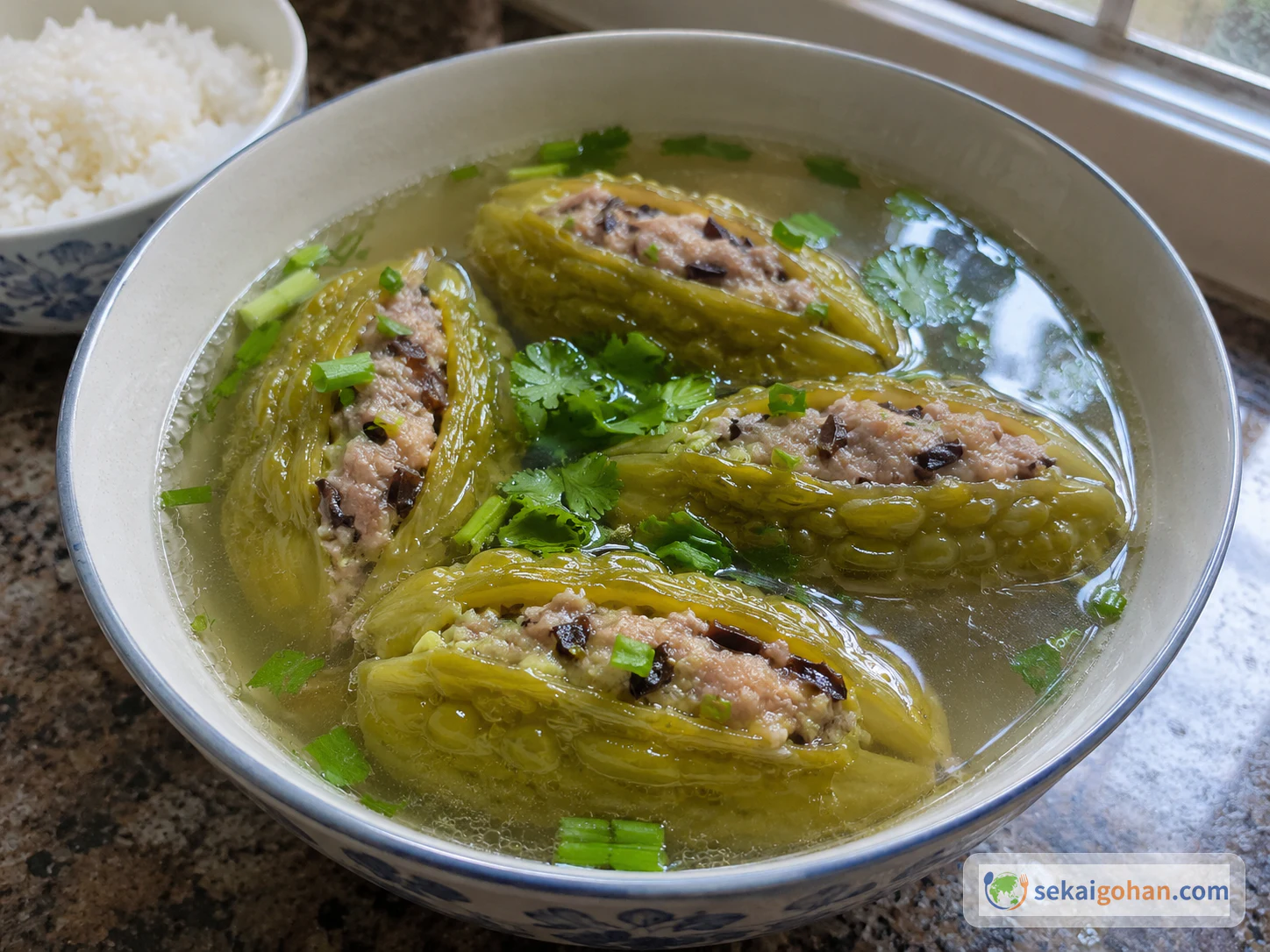
Canh Khổ Qua: Southern Vietnamese Stuffed Bitter Melon Soup (Khổ Qua Nhồi Thịt)
How to make canh khổ qua dồn thịt, the Southern Vietnamese soup of whole bitter melons stuffed with pork and wood ear mushroom and simmered in a clear broth. A four-serving home recipe covering seeding and stuffing the gourds, keeping the broth clear, checking the filling with a thermometer, and the dish's place on the southern Tết table.
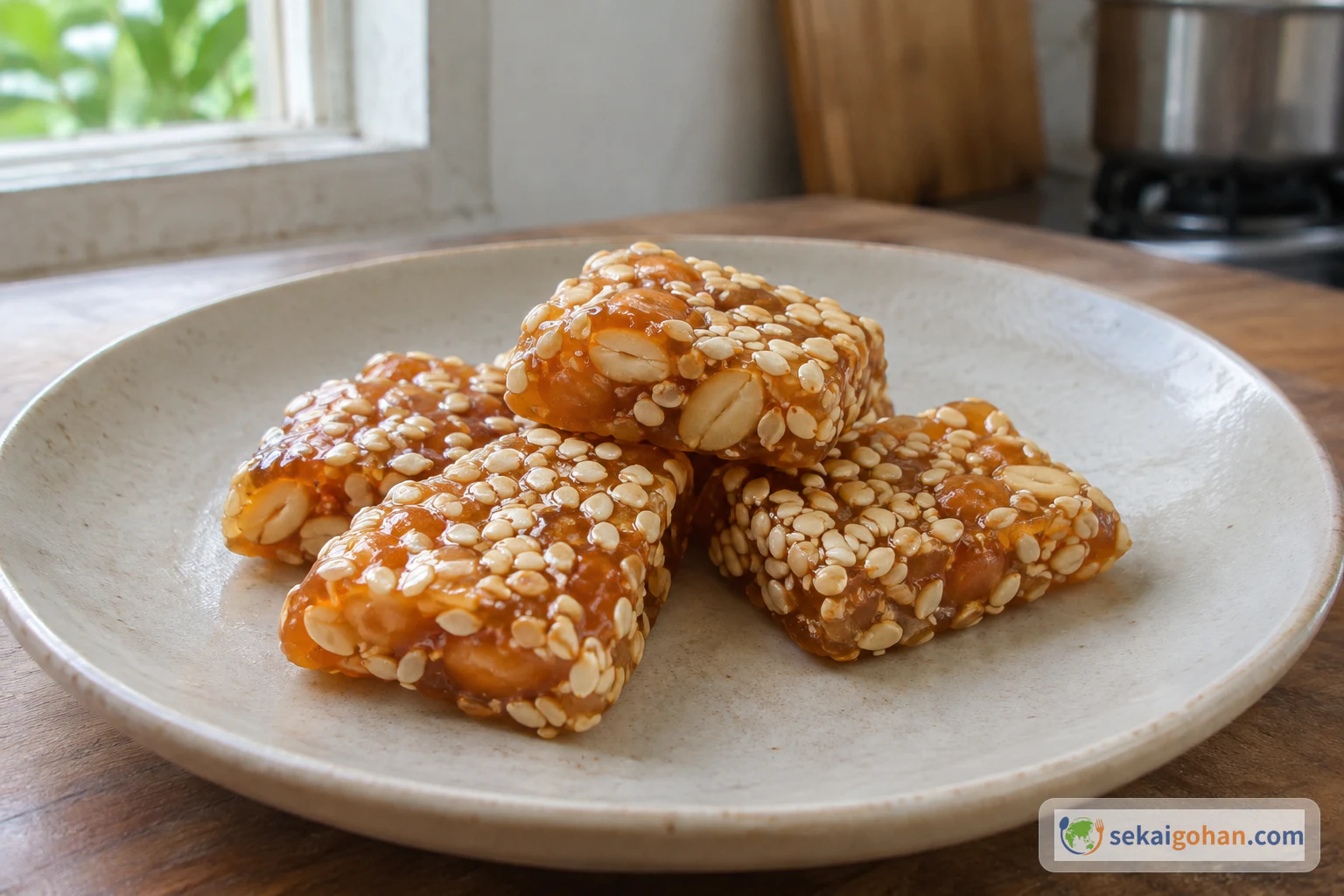
Mè Xửng Huế: Chewy Sesame and Peanut Candy from Huế
How to make mè xửng Huế at home in its chewy (dẻo) style: roasted sesame and peanuts held in a honey-colored syrup set with tapioca starch. Covers how the chewy type differs from Huế's thin, transparent mirror style and the crispy style, how to choose sesame, peanuts and starch, careful handling of hot syrup, and what this recipe does not tell you about yield or storage.
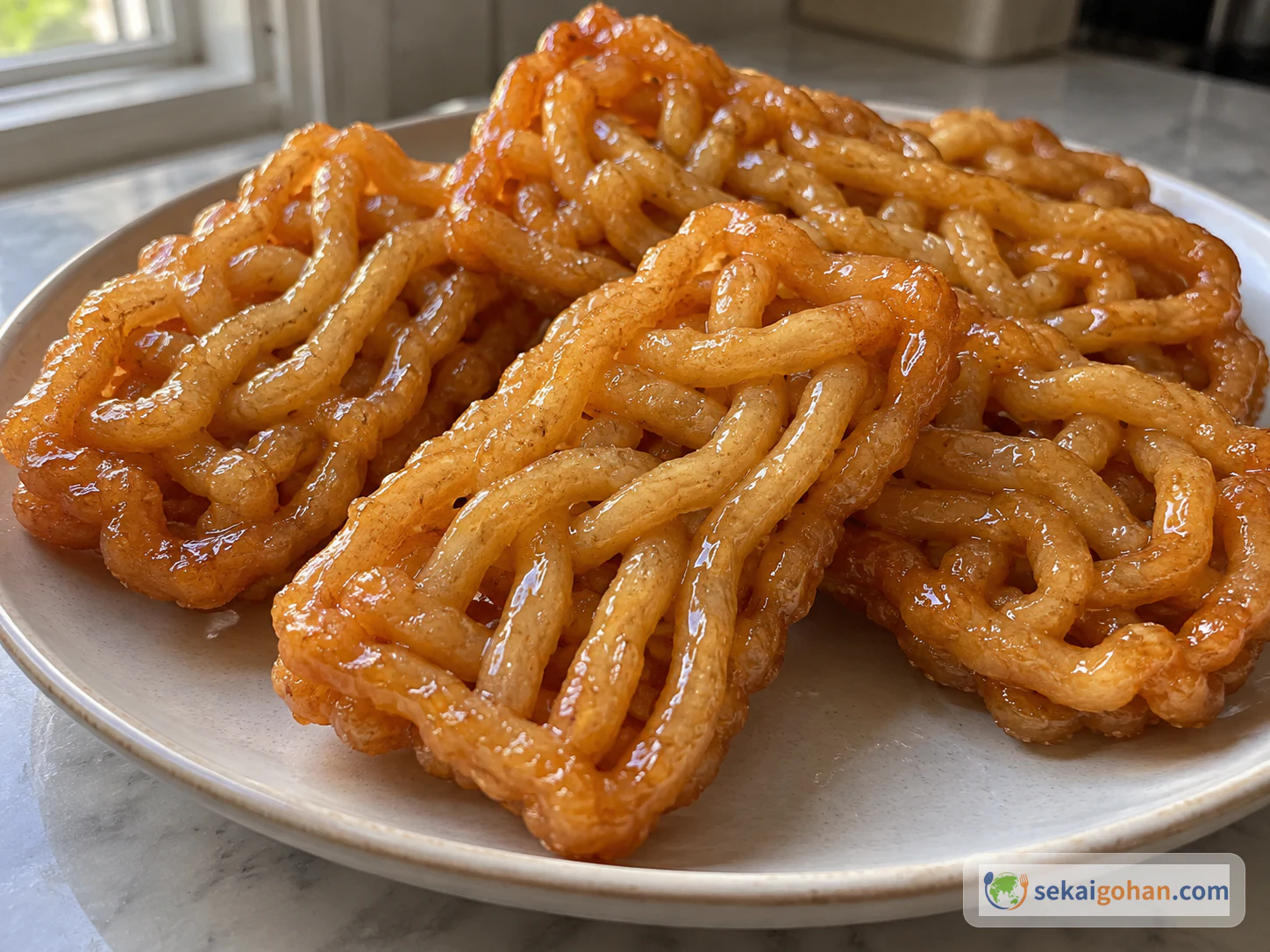
Zlabia de Boufarik: Algerian Semolina Fritters Soaked in Honey (Zelabya)
How to make Boufarik-style zlabia (zelabya), the Algerian Ramadan sweet, from one published recipe that uses two grinds of semolina. Learn how the batter should feel, how to pipe the loops back and forth, how to fry them golden and soak them in honey, and where the recipe leaves water, oil temperature and resting time open.
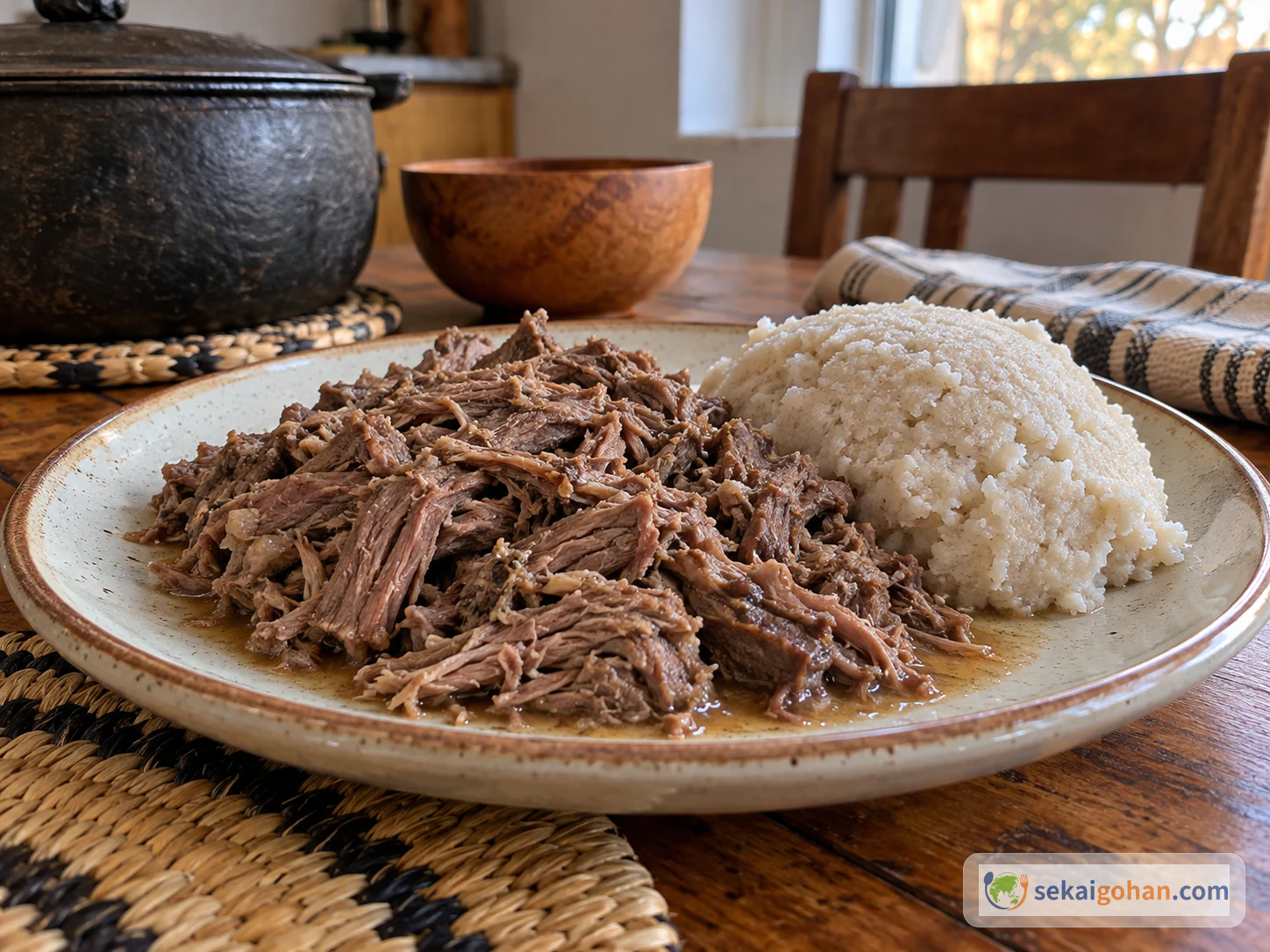
Seswaa: Botswana's Pounded Beef Cooked with Salt and Water
How to make seswaa (also called chotlho), the Botswana dish of beef simmered with salt and water until tender, then pounded into coarse strands and moistened with its own reduced broth. Covers amounts for 6 servings, how to judge tenderness and texture, serving with bogobe, fixing mistakes, safe storage, and the dish's place at weddings, funerals and ceremonies.
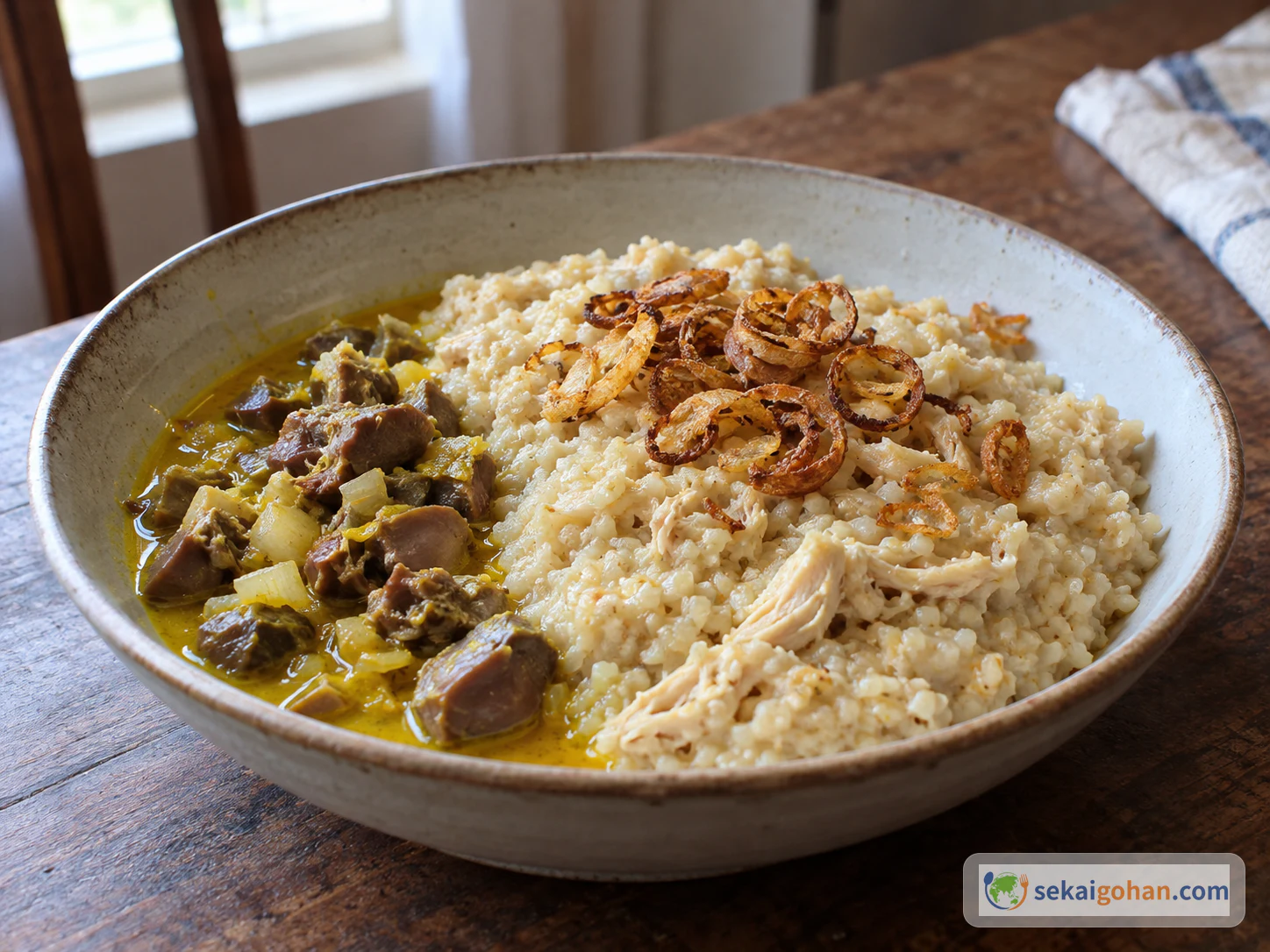
Boko Boko Harees: Burundian Chicken and Bulgur Porridge with Turmeric Giblet Sauce
How to make Boko Boko Harees, a Burundian dish of soaked bulgur and chicken simmered into a thick porridge, served with a sweet turmeric sauce of chicken hearts and gizzards and shallots fried in ghee. Covers one published home version, cup measures, chicken safety, substitutions, and what is and isn't known about the dish's origins.
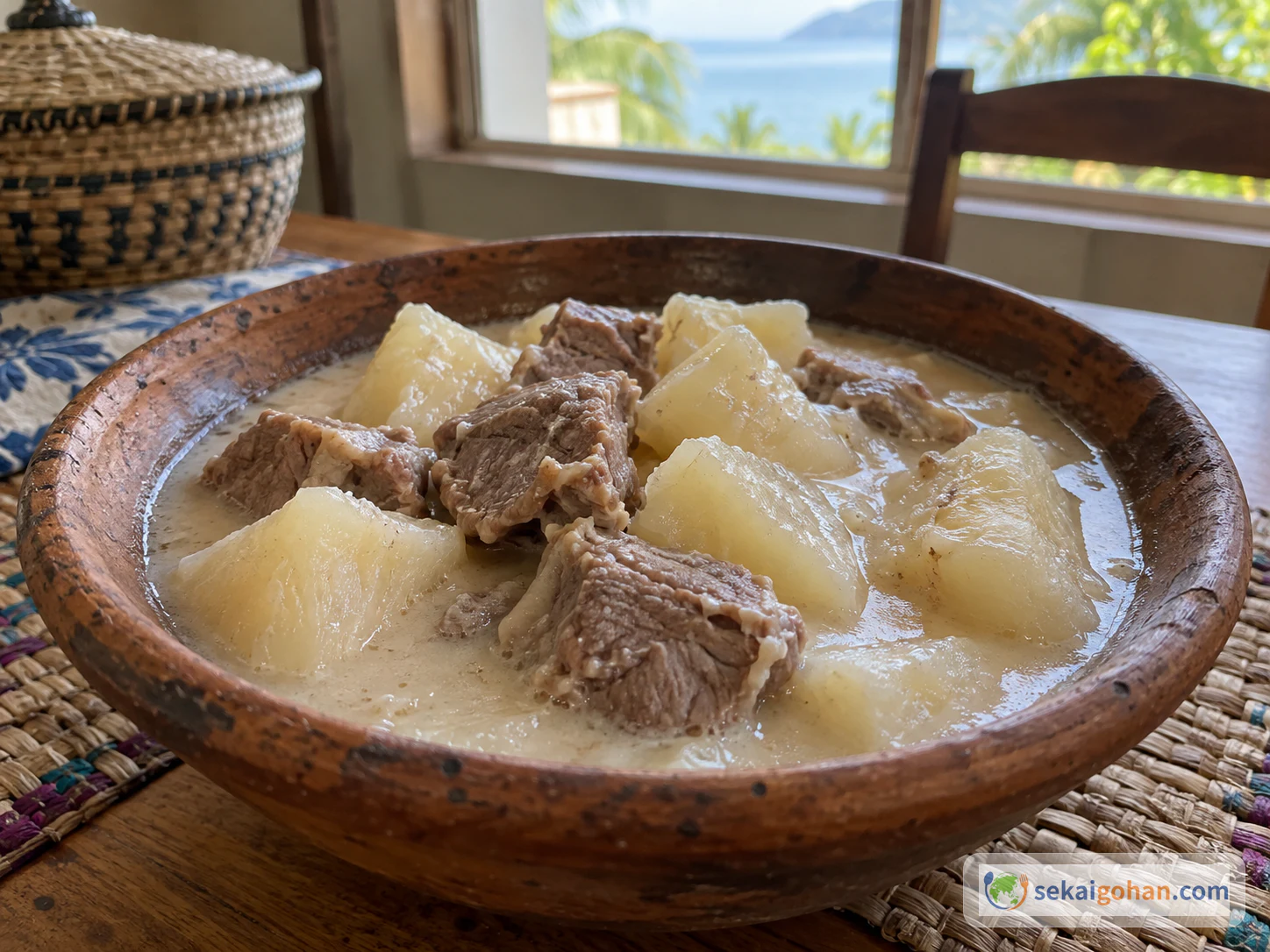
Mhogo Mwitsi wa Nazi na Gnama: Comorian Beef and Cassava Stew in Coconut Milk
How to make mhogo mwitsi wa nazi na gnama, a Comorian stew of beef and fresh cassava layered in one pot and finished with coconut milk. Based on a recipe published by UN Tourism, this guide covers choosing cassava you can cook safely, reading the two separate water measures, and judging when the cassava is tender enough for the coconut milk.
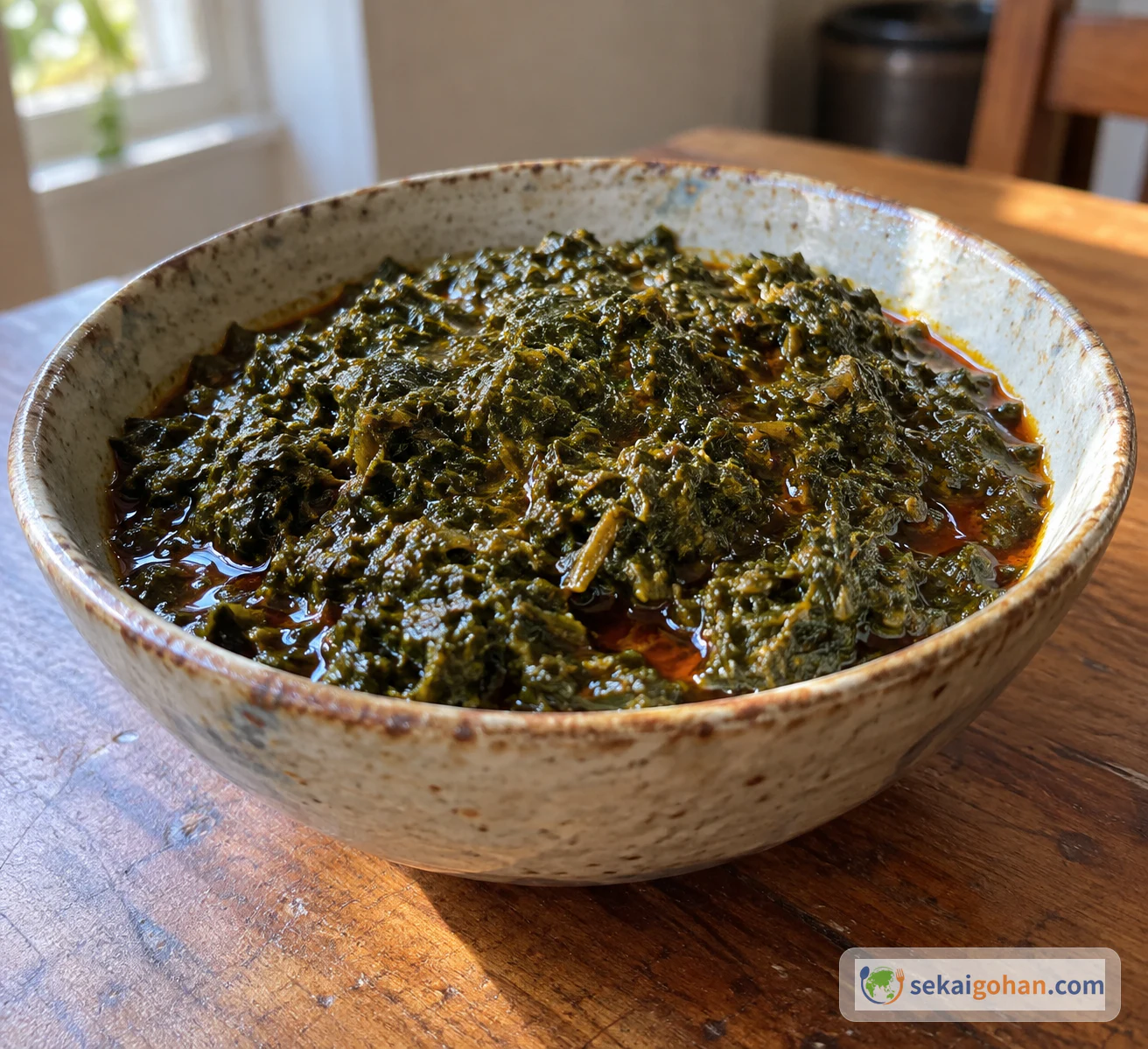
Saka-saka (Pondu): Pounded Cassava Leaves Simmered in Red Palm Oil from the DR Congo
How to make saka-saka, also called pondu, the Democratic Republic of the Congo's stew of pounded cassava leaves cooked in red palm oil. Covers the safe handling and long boiling of cassava leaves, choosing frozen leaves and red palm oil, optional fish and groundnut paste, serving with fufu or rice, and how this dish differs from same-named recipes elsewhere.
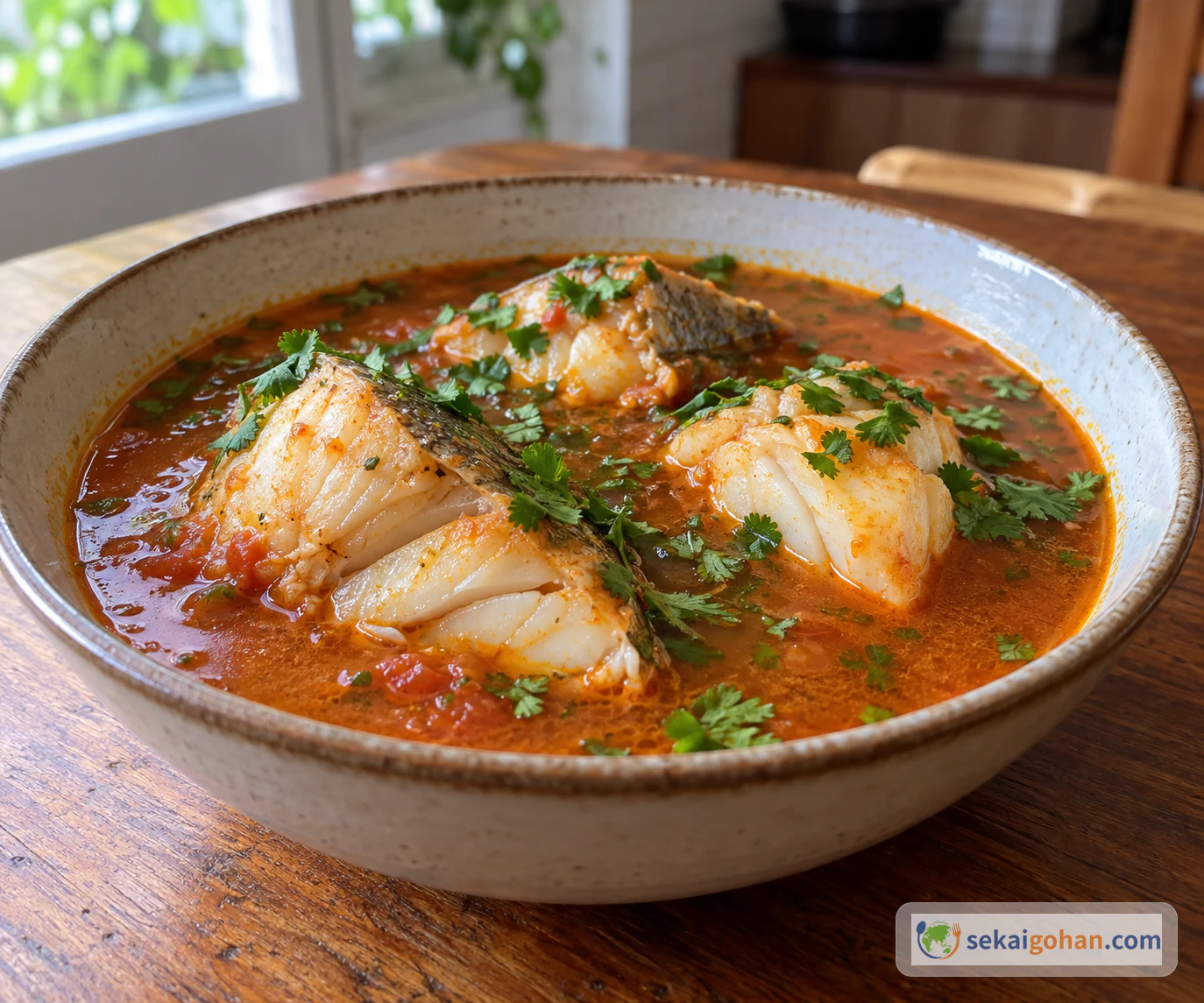
Pepesup: Equatorial Guinea's Spicy Fish Soup
How to make pepesup, the spicy fish soup that Equatorial Guinea's government describes as one of the country's basic dishes, usually served with rice or plantain. This version for four uses 800g of firm white fish simmered in a ginger, garlic, chili and tomato broth. It covers ingredients, five steps, controlling the heat level, substitutions outside Equatorial Guinea and how to tell when the fish is safely cooked.
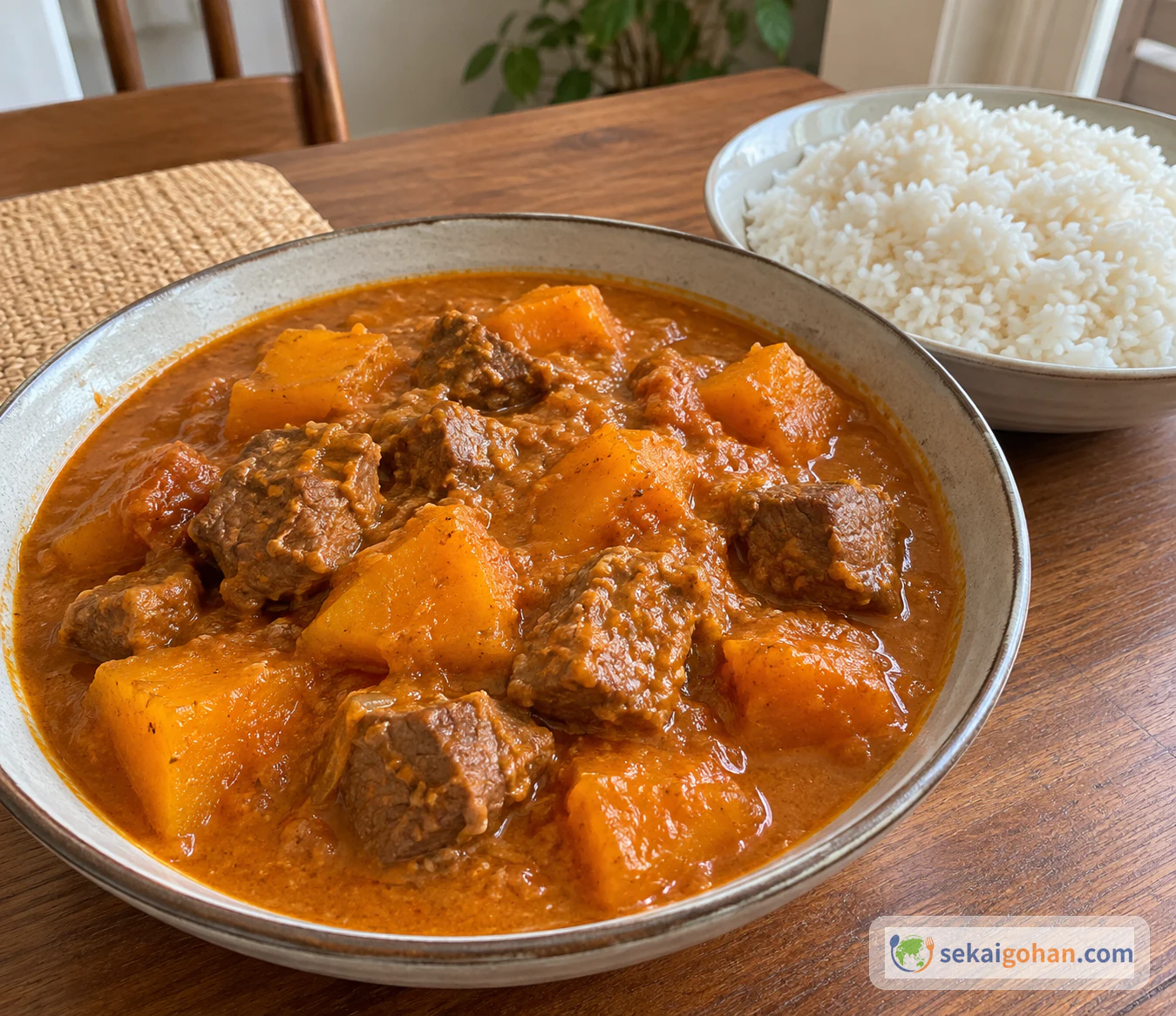
Domoda: Gambian Beef and Pumpkin Peanut Stew
How to make domoda, the Gambian peanut stew, in a home version with beef, pumpkin, tomato and smooth unsweetened peanut butter simmered in beef broth. Covers the order of the pot, how to judge tenderness and doneness separately, peanut allergy and label checks, cooling and reheating, and how this version relates to the many meat, fish and vegetable domodas made in The Gambia.
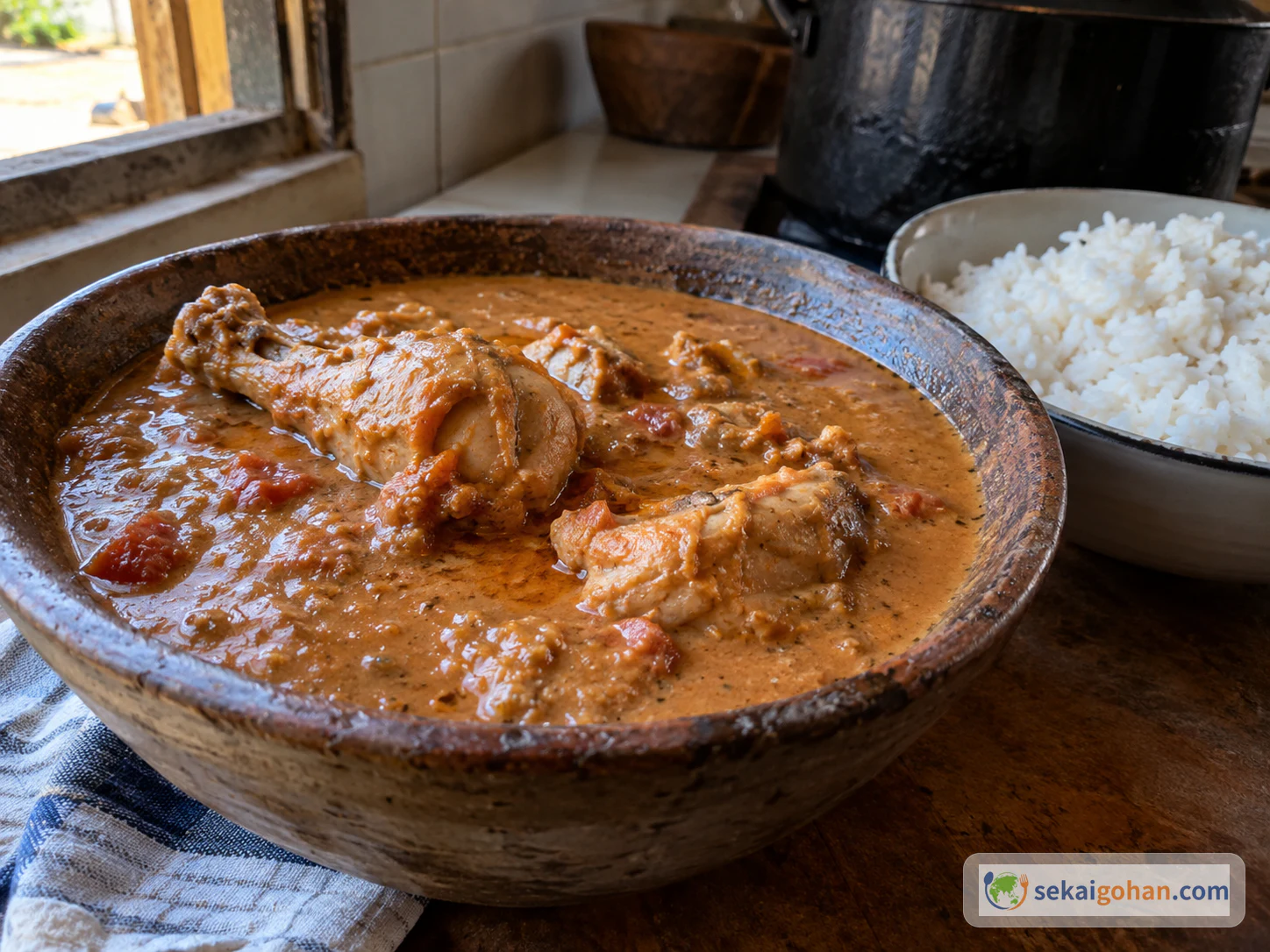
Caldo de Mancarra: Guinea-Bissau Chicken and Peanut Stew
How to make caldo de mancarra, a Guinea-Bissau stew of chicken simmered in a strained peanut and tomato broth. Covers the ingredients from a recipe credited to writer Filomena Embaló, crushing and straining the peanut paste, the order of adding liquid and paste, safe chicken doneness, peanut butter as a substitute, and serving with rice.
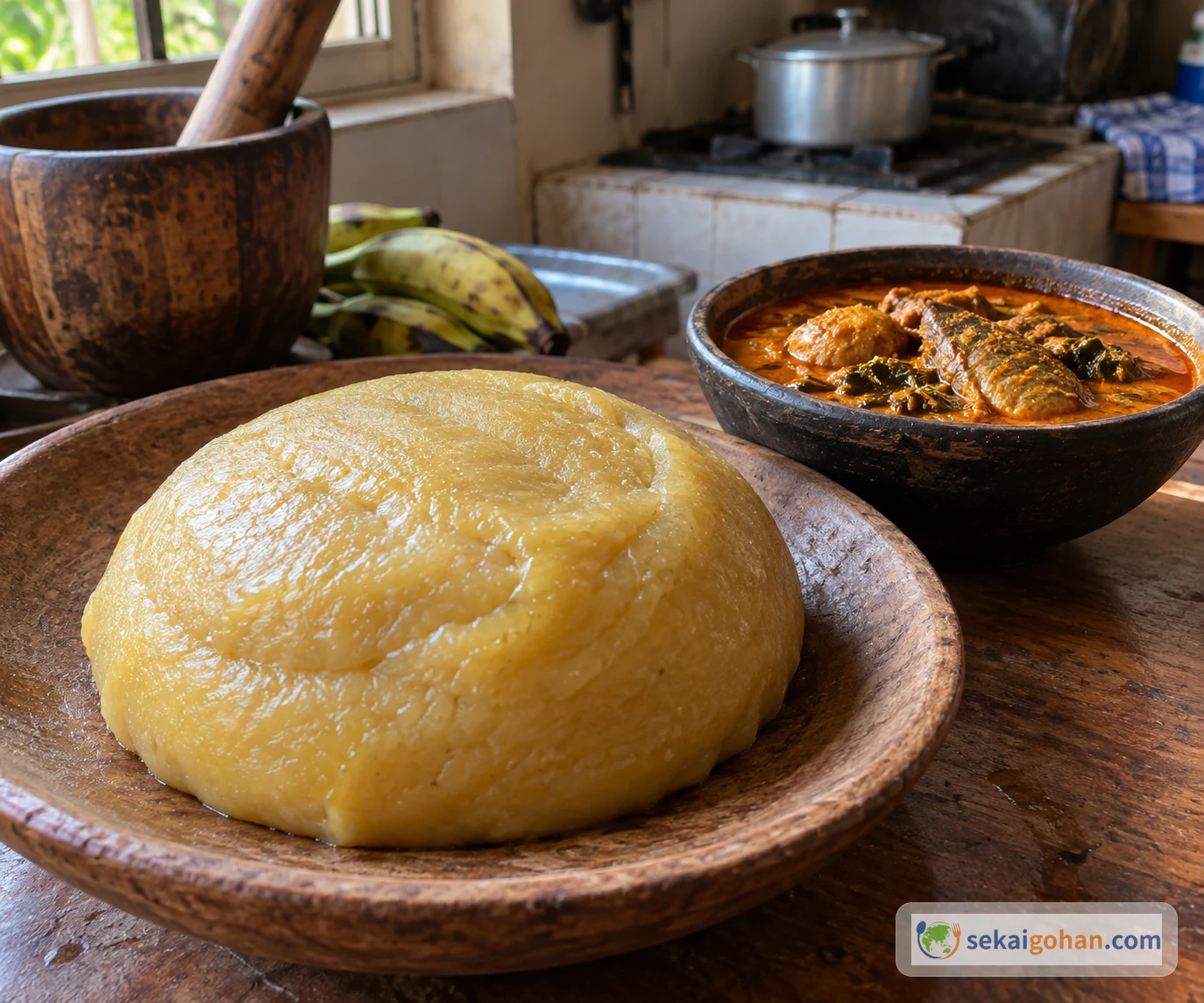
Foutou Banane: Ivorian Pounded Plantain and Cassava Dough
How to make foutou banane, the Côte d'Ivoire staple of ripe plantain and cassava boiled together and pounded into a smooth, elastic dough to eat with sauce. Covers choosing plantain and food-grade cassava, judging tenderness, pounding by feel, shaping, serving, troubleshooting, and the green-plantain, yam and flour variations kept separate from this version.
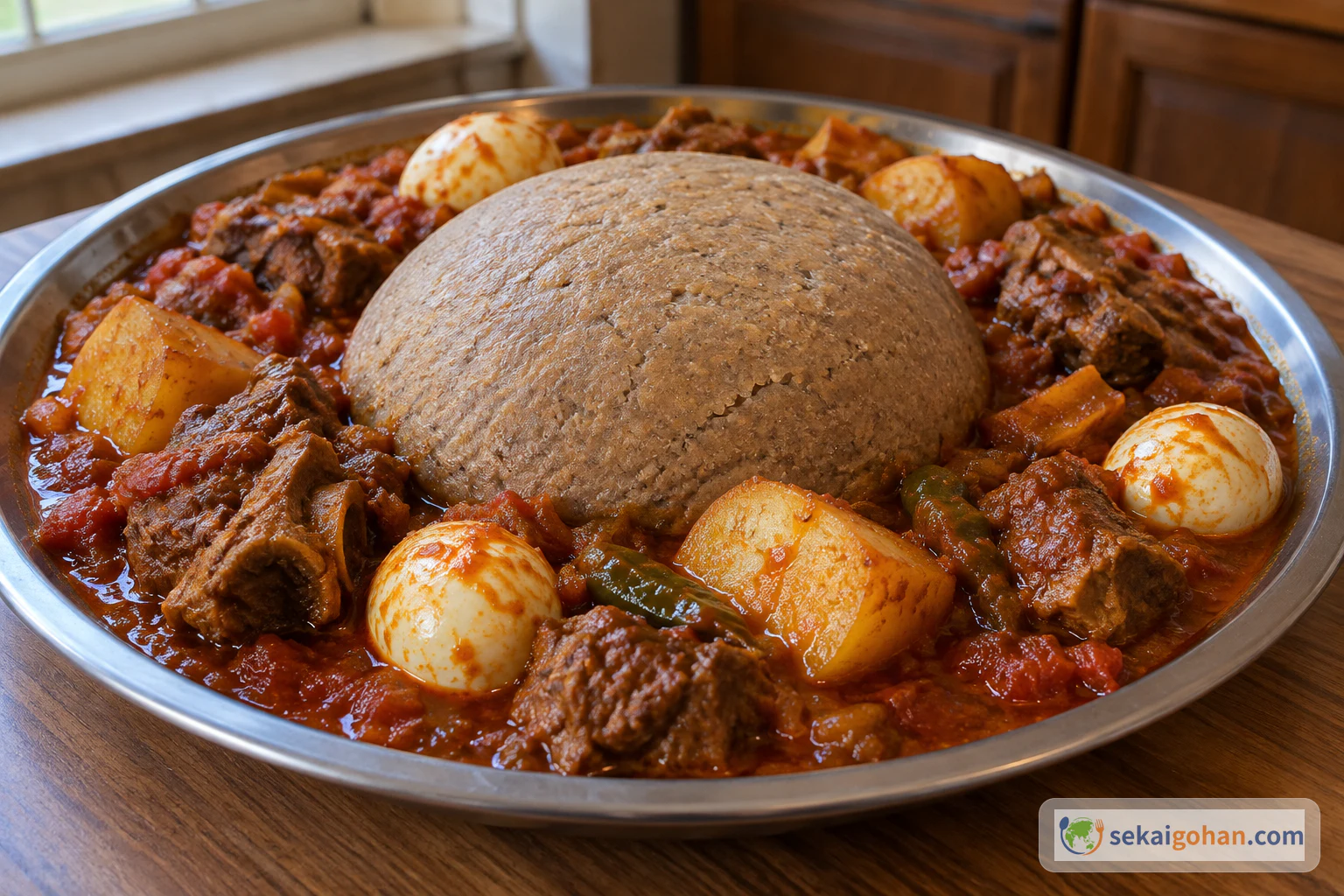
Bazeen: Libyan Barley Dough Dome with Lamb and Potato Tomato Stew (البازين)
How to make Libyan bazeen (Bazin, Bazine, البازين), a firm barley-and-wheat dough cooked over boiling water, worked smooth with a sturdy wooden paddle and shaped into a dome, then served with a red stew of lamb and potatoes and hard-boiled eggs. Covers the source recipe's quantities, how to handle the dough-water amounts, kneading safely, regional and family variations, and how the dish is eaten.
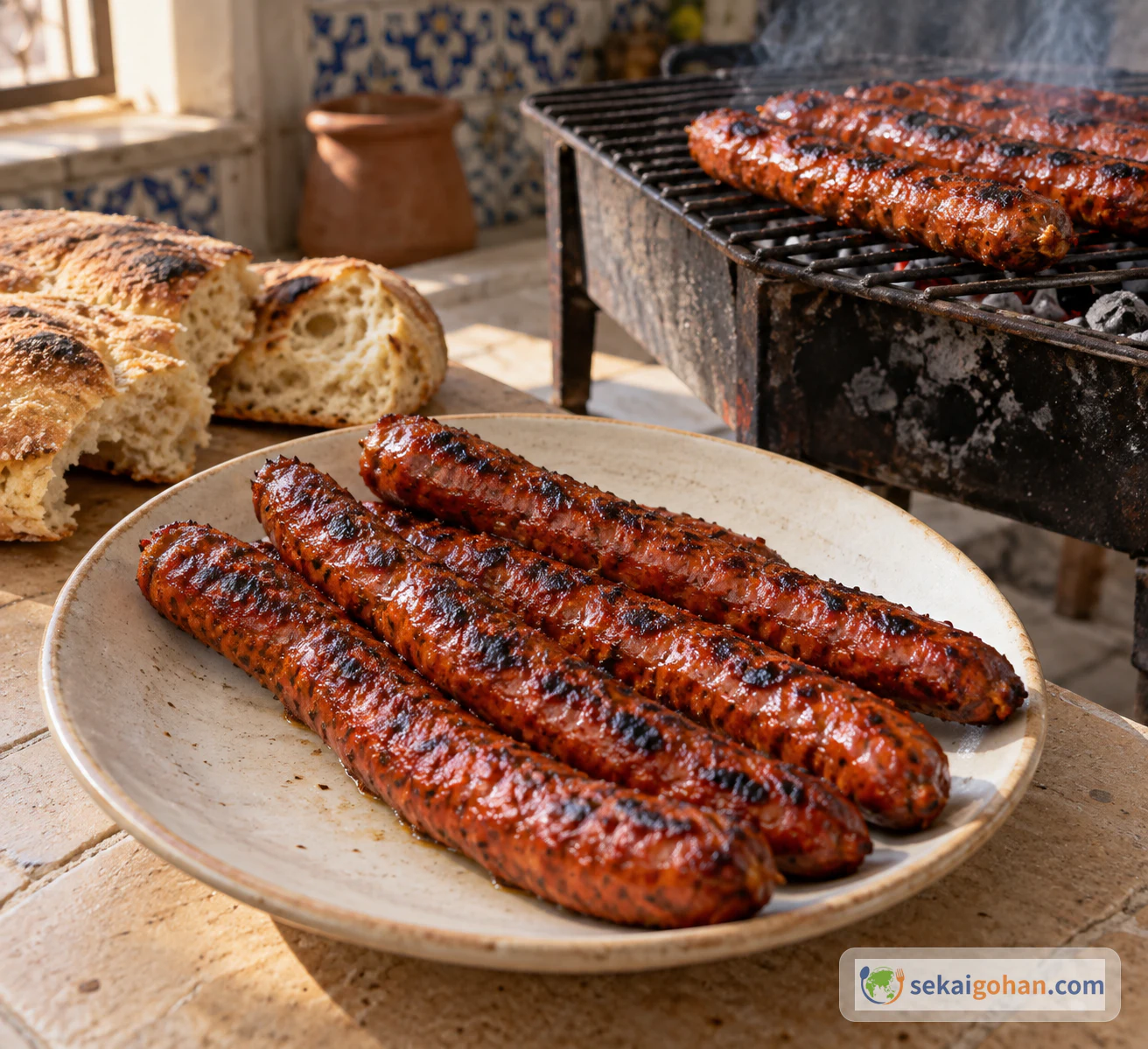
Merguez: North African Lamb Sausage with Harissa, Cumin and Fennel
How to make merguez at home: slim lamb sausages seasoned with toasted cumin, coriander and fennel, paprika, cayenne, garlic and harissa. Covers keeping the meat cold, grinding, mixing with ice water, frying a test patty, stuffing lamb casings into 6-inch links, and cooking until the center reaches 71°C (160°F) on a thermometer. Also covers where merguez sits on North African and French tables, and how to choose fat, harissa and salt.
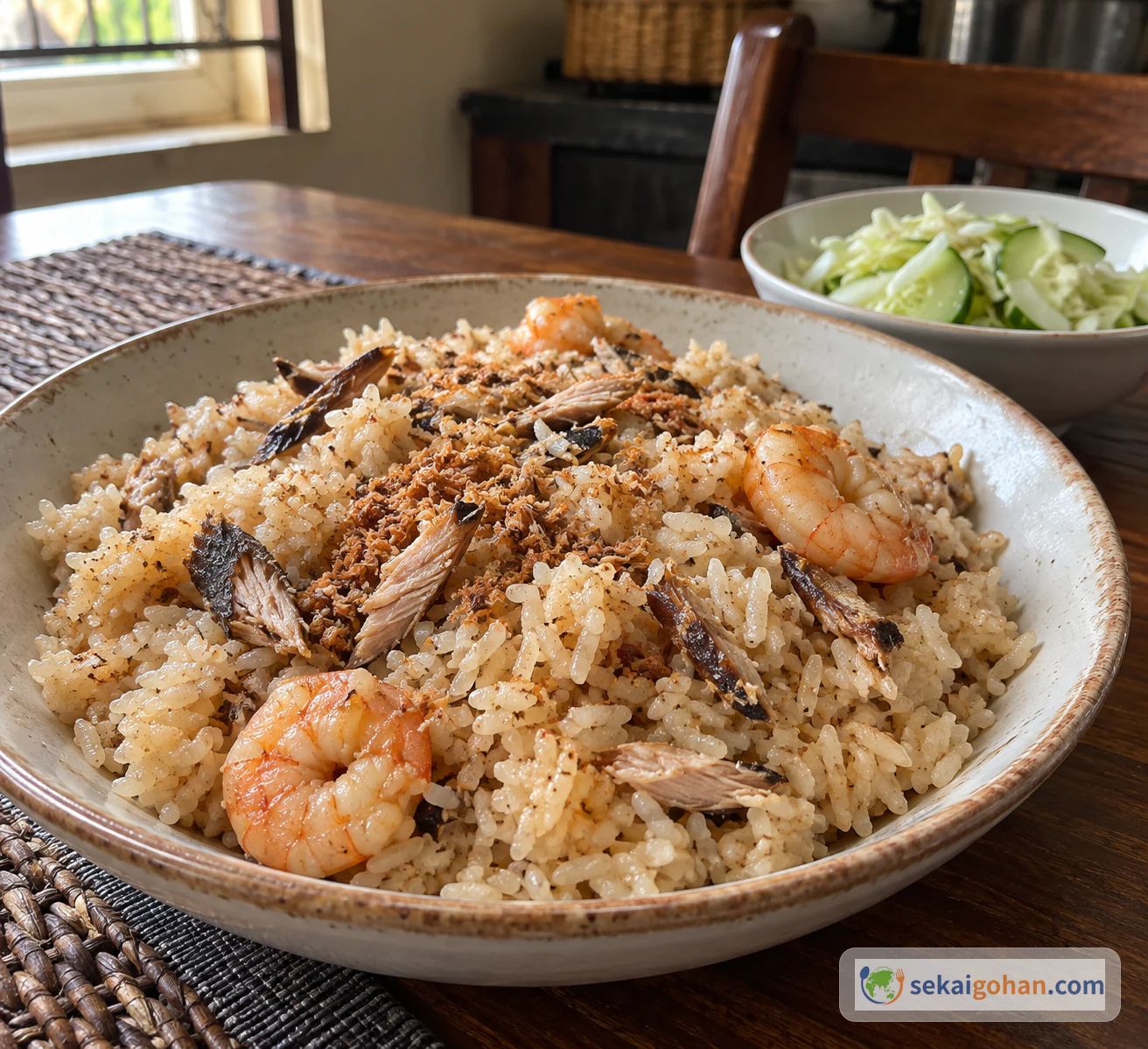
Edesi Isip: Efik-Style Nigerian Coconut Rice with Smoked Fish and Prawns
How to make Edesi Isip, the Efik-style coconut rice from southern Nigeria: fresh coconut milk layered with smoked fish, ground smoked crayfish and prawns, with no tomato. A six-serving recipe with notes on fresh versus canned coconut milk, choosing ingredients outside Nigeria, adjusting salt and liquid, and where the dish sits in Efik food culture.
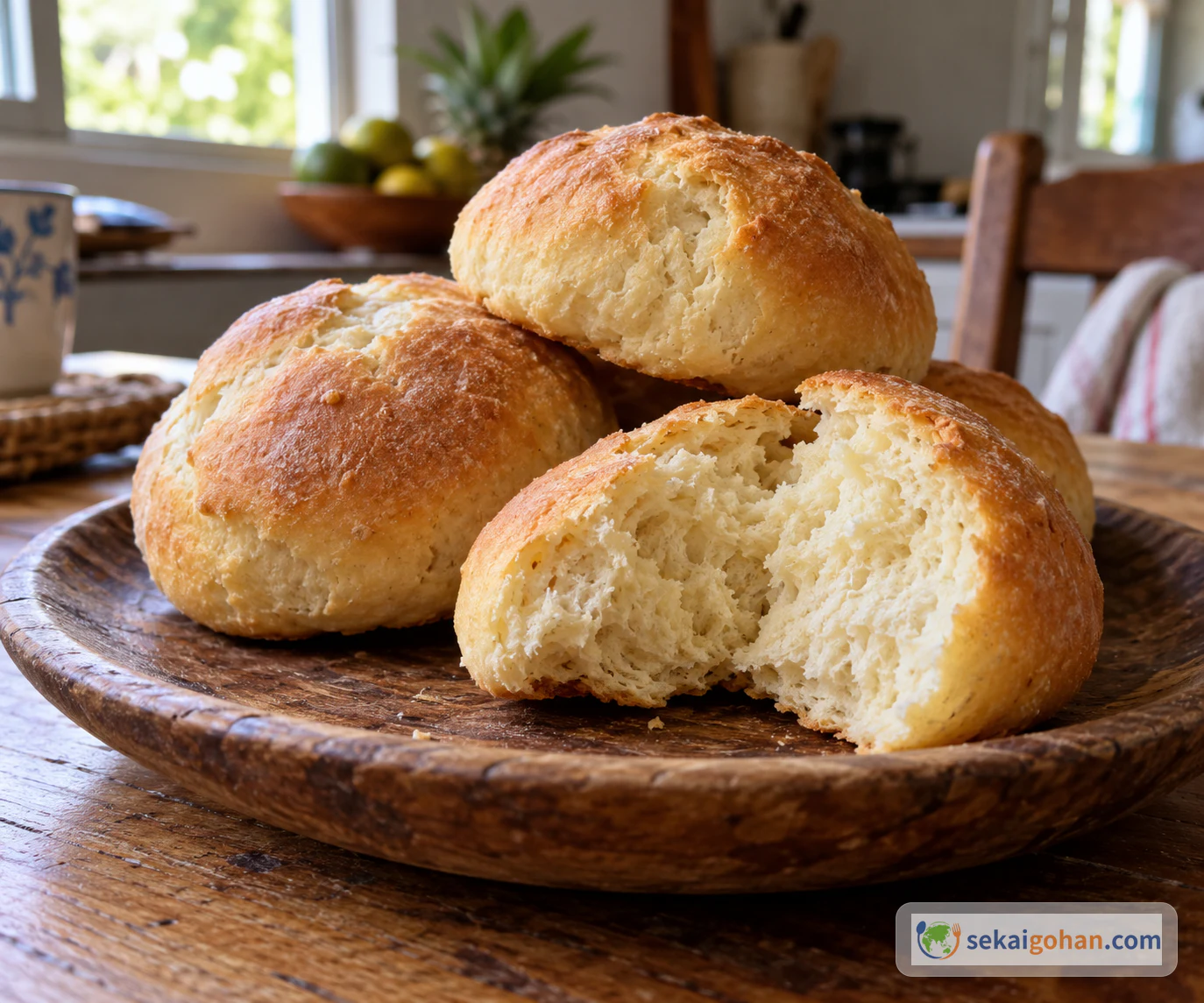
Macatias: Reunion Island's Sweet Round Bread Rolls (Macatia)
How to make macatias, the small sweet round bread rolls of Reunion Island, at home: ten plain rolls from 450g flour, two rises, a milk wash and a bake at 200°C until golden. Covers how to judge the dough, safe oven steam, troubleshooting, filled variations and the bread's place on Reunion's breakfast table.
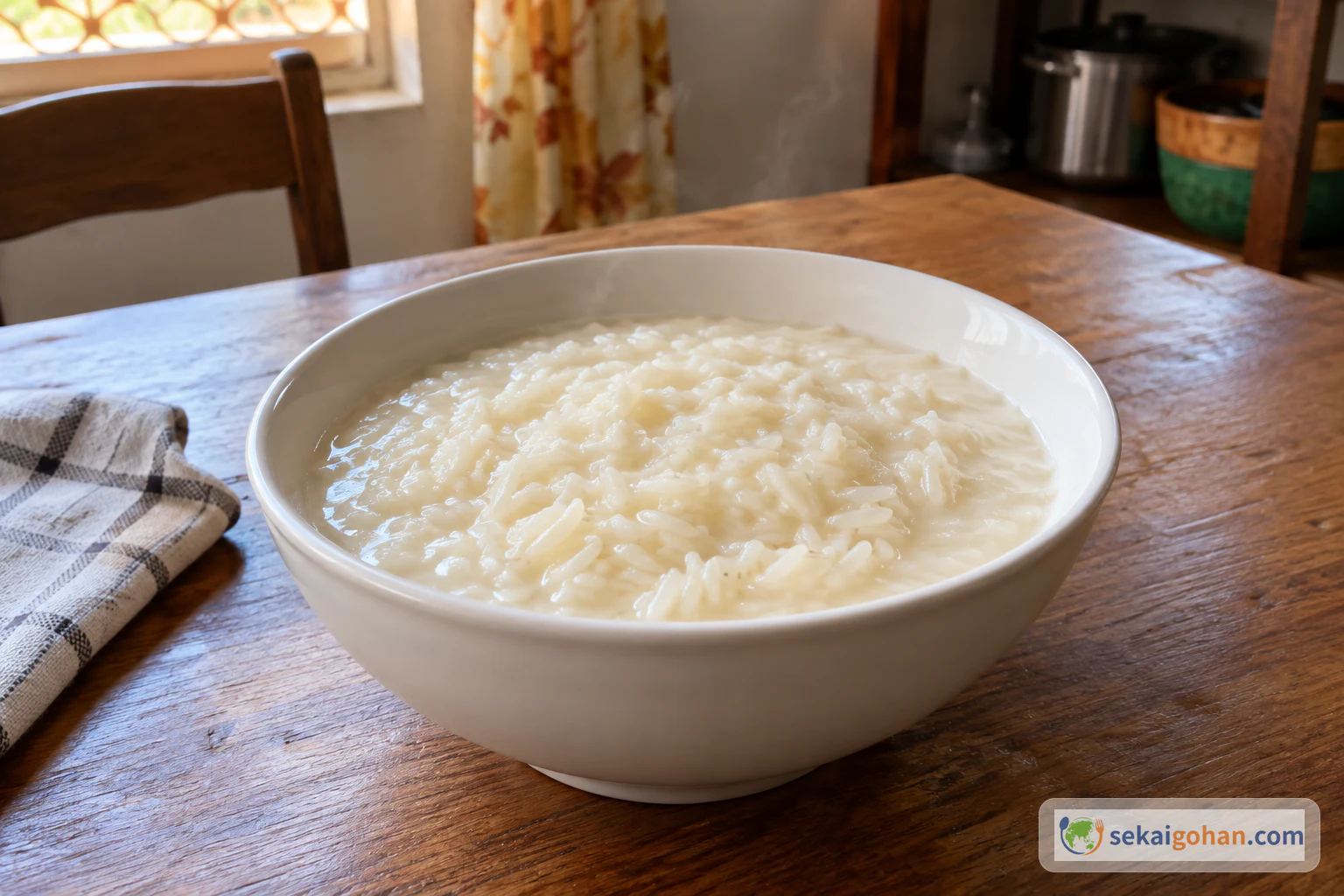
Sombi: Senegalese Rice Simmered in Milk with Vanilla
How to make Sombi, a Senegalese sweet rice dish, using a milk, sugar and vanilla recipe from a Senegalese cookbook. Covers boiling the rice in water first, stirring so the milk does not scorch, how the milk version differs from the water, peanut and coconut versions, choosing rice and milk outside Senegal, serving it lukewarm or cold, and storing leftovers safely.
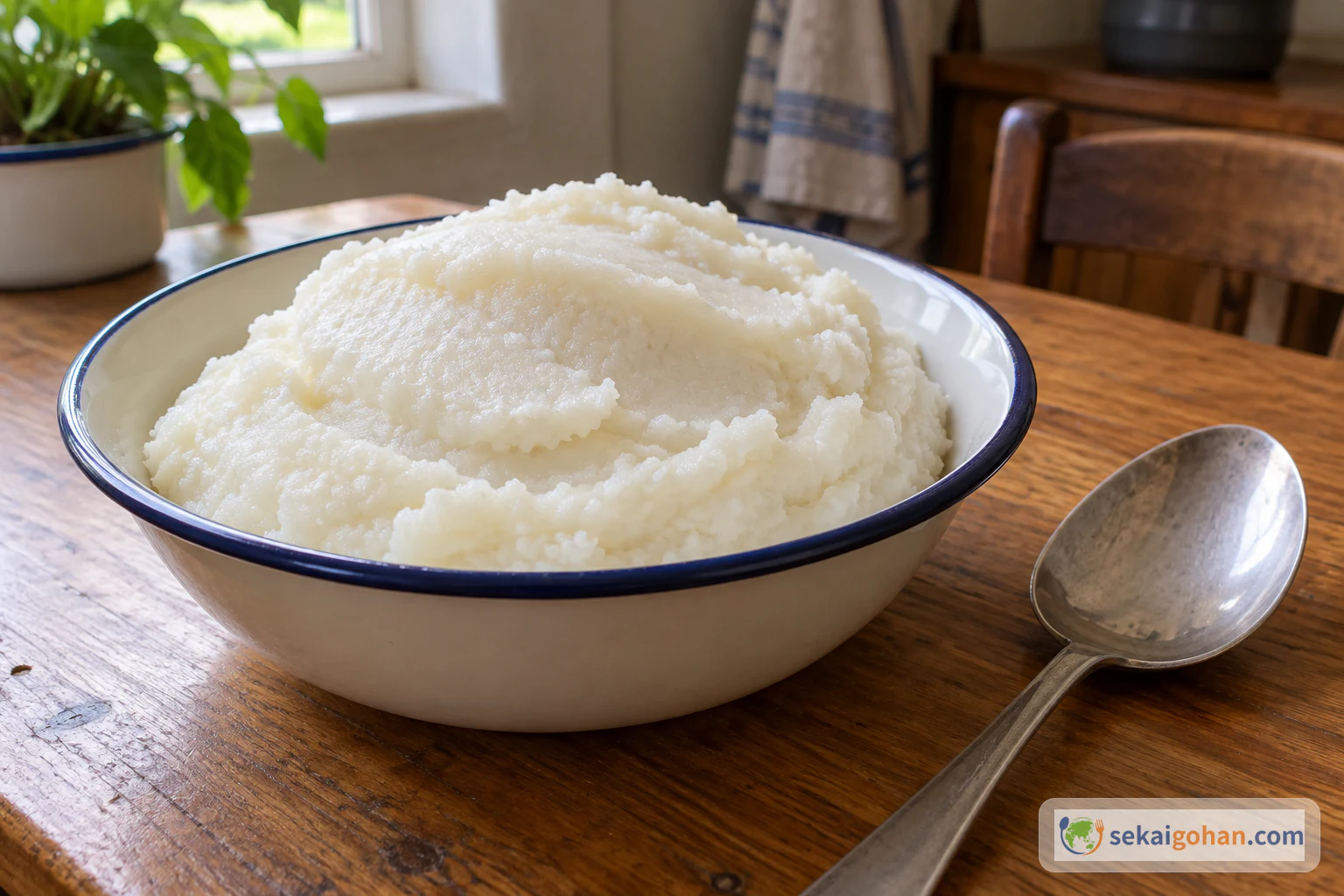
Mieliepap: South African Stiff Pap (Stywe Pap) Cooked in a Pot
How to make stywe pap, the firm South African maize meal porridge, following a recipe by Siba Mtongana: water, maize meal and butter, the maize meal added in two stages, lumps pressed out against the side of the pot, and a covered finish over the lowest heat. Also covers choosing maize meal outside South Africa, fixing lumps and scorching, and the many ways pap is eaten.
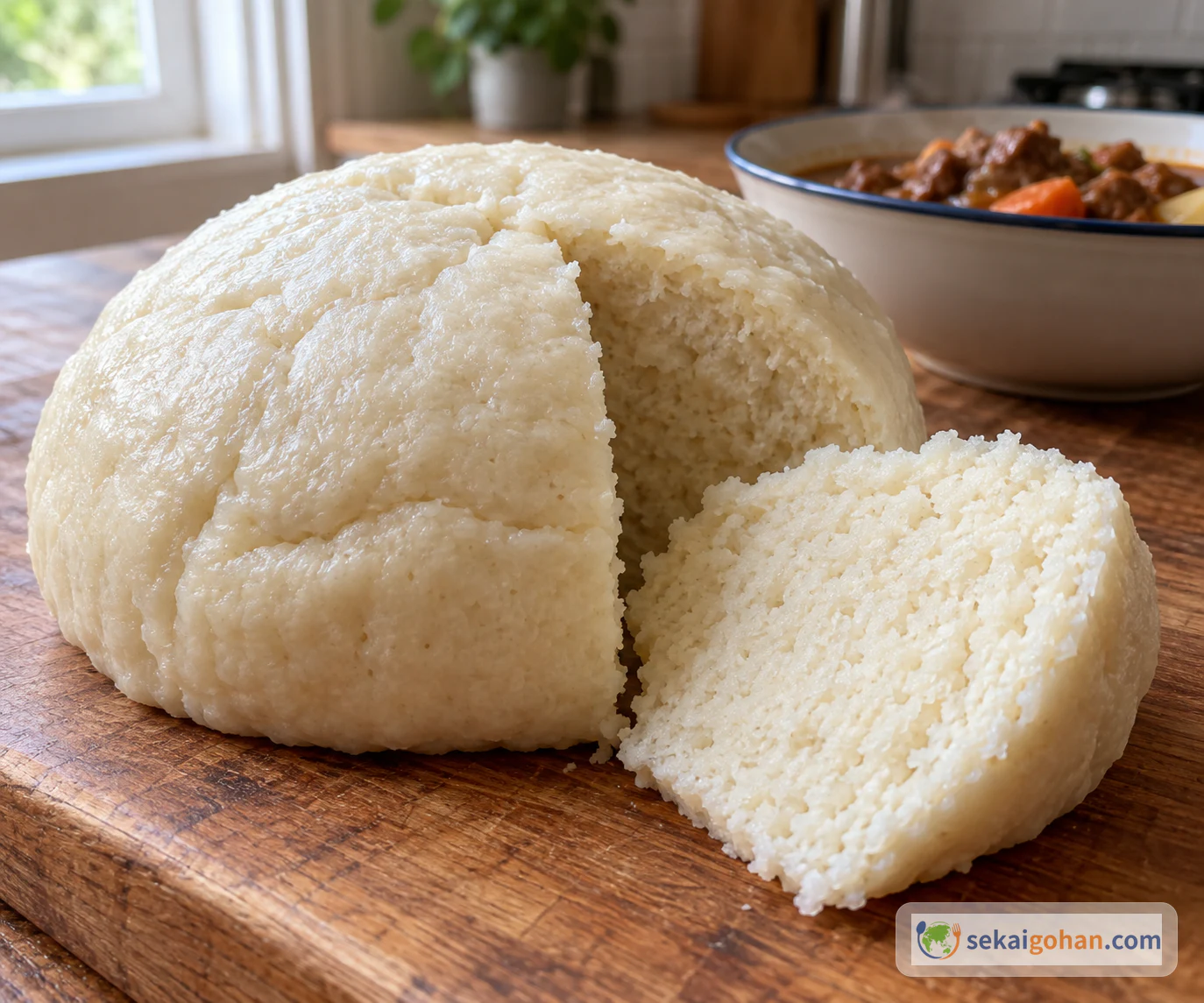
Ujeqe: South African Steamed Bread Made in a Lidded Pot
How to make ujeqe (uJeqe), the yeasted steamed bread tied to Zulu cooking in South Africa, from a South African recipe using 560 g cake flour and 375 ml water. Covers kneading, rising until doubled, steaming in a lidded pot for 75 minutes, the spring-back doneness check, serving with stews and beans, flour and equipment choices, and how recipes differ from home to home.
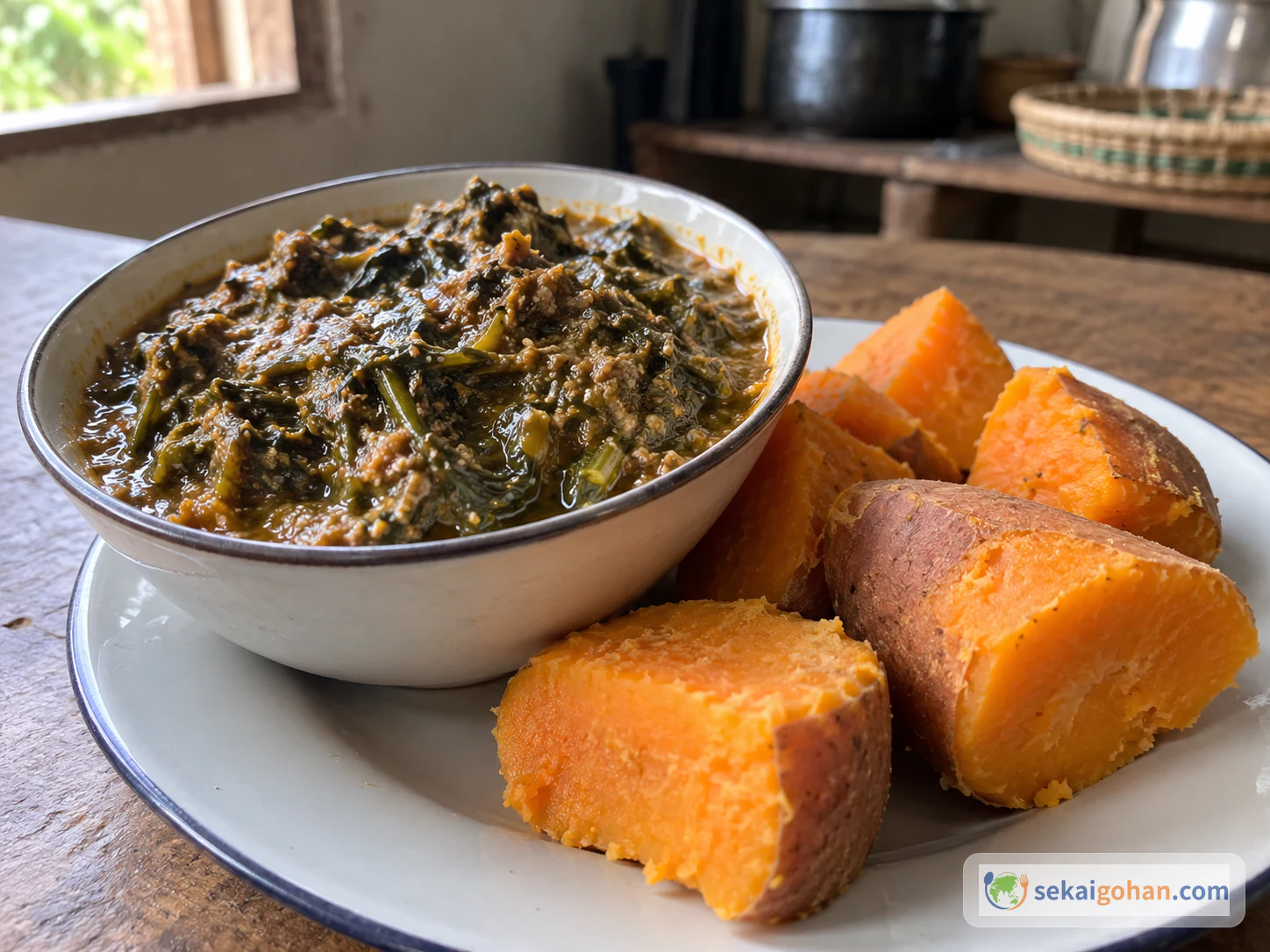
Malakwang: Northern Ugandan Sour Leaf Sauce with Odii
How to make malakwang, the sour hibiscus-leaf sauce of northern Uganda, following an Acholi family recipe bound with odii, a peanut and sesame paste. Covers what the leaves are (and why they are not hibiscus tea), how to taste and tame the sourness, how the Lango version differs, what to serve it with, and what to check before reaching for substitutes.

Zrig: A Chilled Fermented-Milk Drink from Western Sahara (Zrik)
What zrig (zrik) is, how it appears on iftar tables in Smara and the southern desert regions, and how to make one home version from fermented milk, milk, yogurt and sugar using pasteurized dairy. Covers choosing a substitute for lben, adjusting sweetness, regional versions with water or nuts, and safe handling.
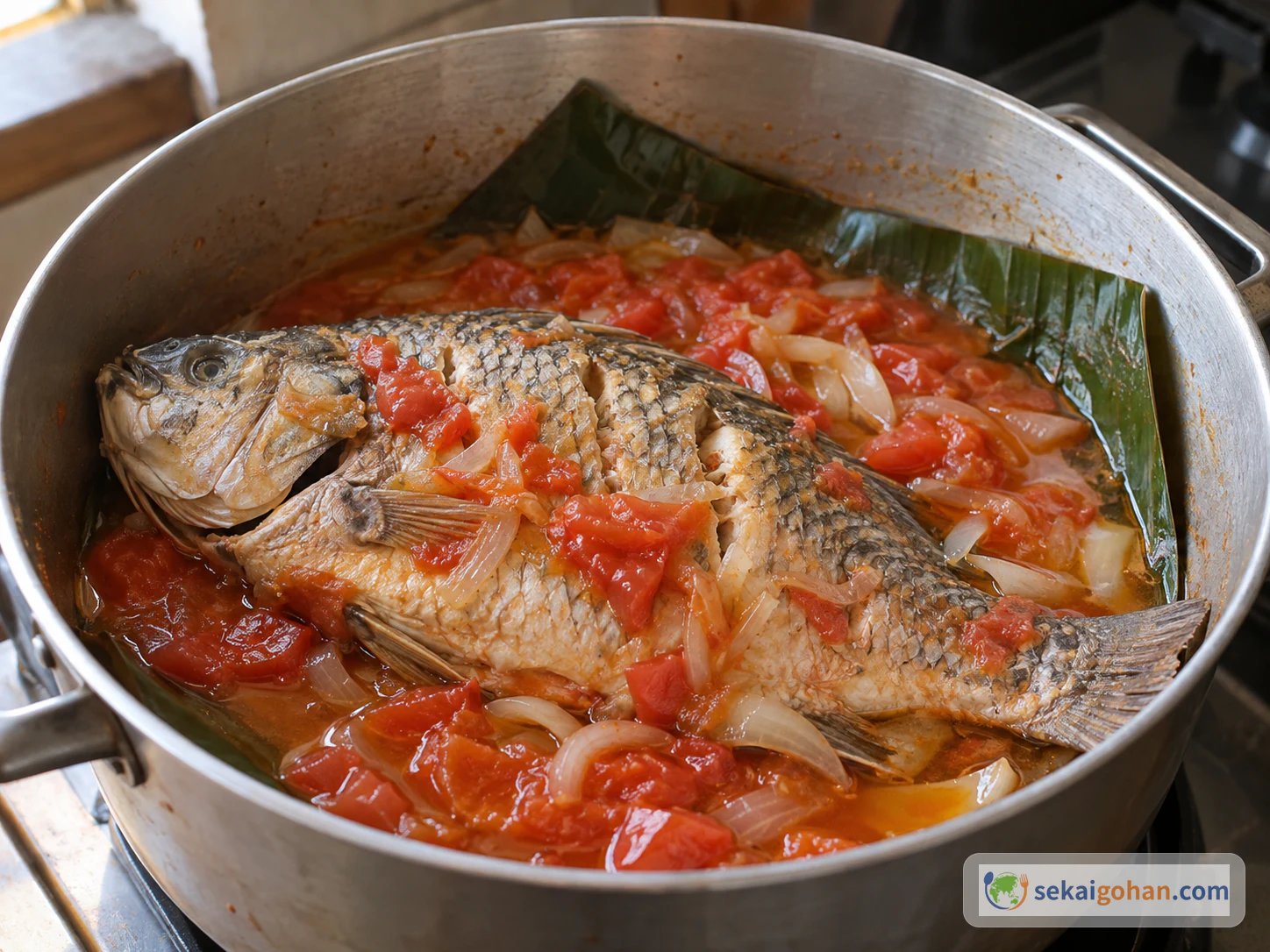
Boiled Bream Fish, Zambian Style: Whole Fish Simmered on Banana Leaves with Tomato and Onion
How to make Chef Bernard Zulu's Zambian-style boiled bream, as published by UN Tourism: a whole fish layered over chopped tomato and onion on banana leaves, then simmered with sunflower oil, water and salt. Covers cleaning the fish, building the pot, checking doneness with a thermometer, serving with nshima, choosing a fish outside Zambia, and handling leftovers safely.
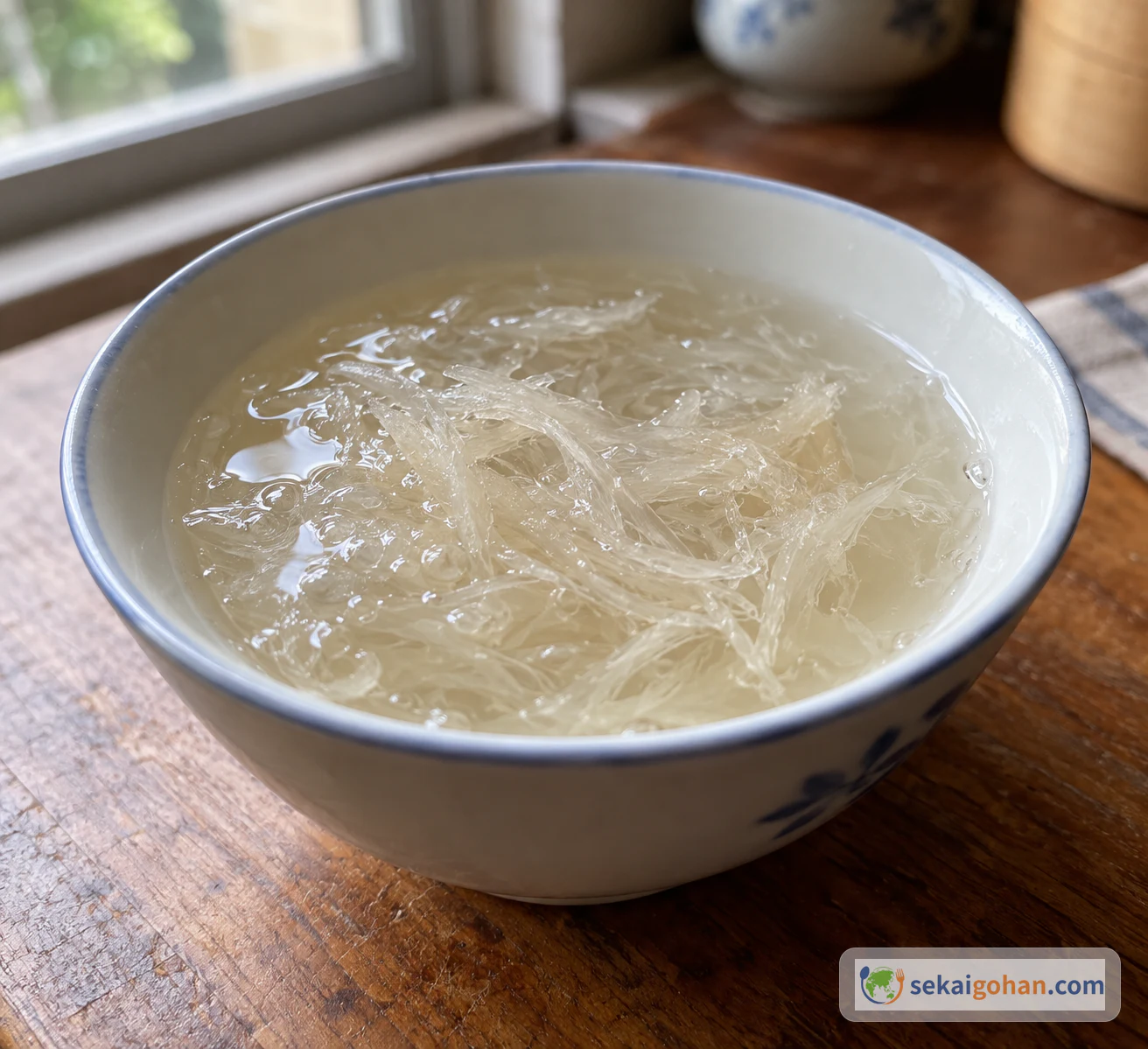
Bird's Nest Soup with Rock Sugar (冰糖燕窝): A Chinese Double-Boiled Sweet Soup
How to make Chinese bird's nest soup with rock sugar (冰糖燕窝): soak dried edible bird's nest, rinse it in fresh water, double-boil it gently and sweeten it at the end. Covers why soaking times differ between sellers, how to discard the soaking water, choosing food-grade nest, and the broad trade history behind this luxury ingredient.
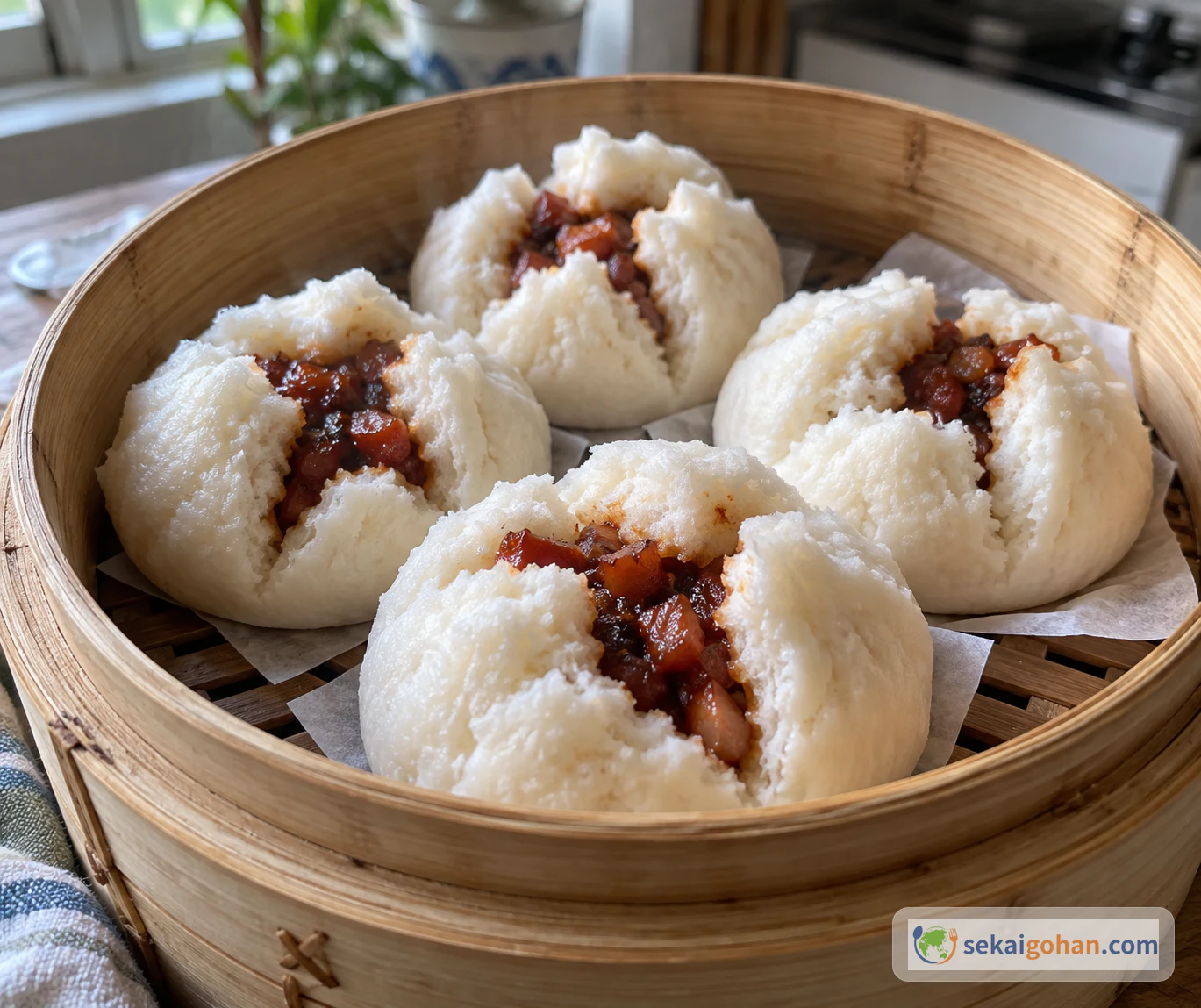
Cha Siu Bao: Steamed Cantonese BBQ Pork Buns (叉烧包)
How to make steamed cha siu bao (char siu bao, 叉烧包), the dim sum bun with snowy-white dough that cracks open on top over a sweet-savory filling of diced roast pork. Covers the two-stage dough with yeast first and baking powder after the first rest, the thickened char siu filling, shaping ten pleated buns, steaming over high heat, choosing ready-made char siu, fixing common problems, and handling the filling and leftovers safely.